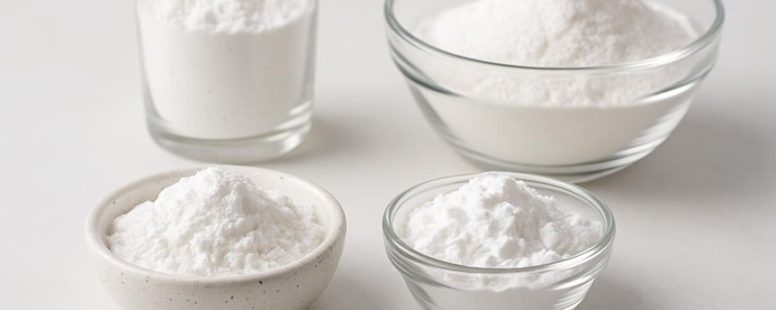
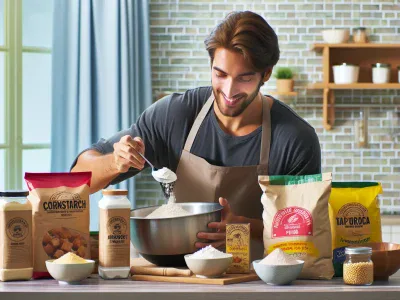
Imagine a kitchen where a thick, glossy sauce clings perfectly to your spoon—no lumps, no cloudiness. Cornstarch is a classic hero for thickening, but sometimes it’s time to explore new allies in the culinary battle.
Did you know that swapping in the right substitute can not only maintain that silky texture but also add a surprising twist of flavor or clarity? From tapioca to arrowroot, each option offers a unique benefit—like a secret ingredient waiting to elevate your dish beyond the ordinary.
Choosing the right thickener can transform your cooking from good to unforgettable, turning simple ingredients into a symphony of taste and texture.
How to Choose the Best Cornstarch Substitute
Cornstarch is a common thickener in cooking, but sometimes you need a substitute. The best replacement depends on what you’re making and how you cook it. For example, some alternatives work better when heated gently, while others need longer cooking times to thicken properly.
When choosing a substitute, think about the dish’s texture. If you want a clear sauce, arrowroot or tapioca starch are good options because they thicken smoothly and stay clear. If you’re frying, potato starch can give a crispy coating. It’s also important to check the amount you need. Usually, tapioca starch or arrowroot can replace cornstarch in a one-to-one ratio. But potato starch might need a little less because it’s thicker. Using too much can make your dish gummy or too thick.
There are two main viewpoints. Some cooks prefer arrowroot because it thickens at lower temperatures and gives a glossy finish. Others like tapioca for its neutral flavor and strong thickening power. Both are good, but if you’re gluten intolerant or allergic to certain starches, check labels carefully.
One warning is that not all substitutes work well in every recipe. For example, cornstarch is great for sauces that need to be clear, but flour or rice starch might make them cloudy. Also, some substitutes need to cook longer before they thicken well—so don’t add them at the last minute.
If you decide to use a substitute, start with the same amount as cornstarch, then adjust if needed. Remember, experimenting a little can help you find what works best for your kitchen.
In the end, matching the right substitute to your cooking method and paying attention to ratios helps you avoid a mess. Whether you’re making gravy, baking, or frying, understanding these basics makes your dishes turn out just right—without guesswork.
Using All-Purpose Flour as a Cornstarch Substitute
All-purpose flour can be used as a substitute for cornstarch to thicken sauces and soups. Cornstarch is often preferred because it creates a shiny, smooth finish, but flour works in a pinch. It’s a common ingredient in many kitchens, so knowing how to use it as a thickener can save you time.
The main thing to remember is that you need about twice the amount of flour compared to cornstarch. For example, if the recipe calls for one tablespoon of cornstarch, use two tablespoons of flour. Before adding the flour, mix it with cold water to make a slurry. This helps prevent lumps when you add it to hot liquids.
After adding the flour mixture, cook the dish a little longer than usual. Flour needs more time to cook through and to get rid of its raw taste. Keep stirring as it thickens. The final result might be a little less glossy and shiny than with cornstarch, but it still gets the job done.
Some cooks say flour is perfect for thickening gravies, sauces, and soups that don’t need a super smooth or shiny look. However, others warn it can make the dish cloudy or give it a slightly grainy texture if not cooked enough. Also, flour thickens less efficiently than cornstarch, so it might require more time and heat.
If you’re in a pinch and don’t have cornstarch, flour is a good backup. It’s easy to find in most kitchens and works well in many recipes. But remember, it’s not always the best choice for recipes that need a glossy finish or very clear sauces. Sometimes, it’s better to wait until you can buy cornstarch or try other thickeners like arrowroot or potato starch.
Sources: Food experts like Alton Brown and serious cooks agree that flour can be a decent substitute but with some adjustments. It’s a simple trick that saves a dish if you’re out of cornstarch, but it’s not perfect for every recipe.
Arrowroot Powder as a Cornstarch Substitute
Arrowroot powder is a good choice if you need a substitute for cornstarch. It thickens sauces quickly and stays clear, unlike some other options. This makes it perfect for delicate sauces that don’t need high heat. Arrowroot also gives a smooth texture and won’t turn your dish cloudy or heavy. Some cooks prefer it because it works well at lower temperatures, but it can be a little more expensive than cornstarch. If you want to try it, mix a small amount with cold water first, then add it to your sauce and stir until it thickens. Just remember, arrowroot doesn’t work well in very acidic dishes or long cooking times, so it’s best for quick recipes. Overall, it’s a versatile and neat alternative, but it might not be the best choice for every recipe.
Thickening Properties Compared
Arrowroot powder is often seen as a better thickening agent than cornstarch, especially if you want a clear and shiny sauce. Here’s what sets arrowroot apart:
It makes dishes look glossy and transparent, which is great for fruit sauces or delicate glazes. Cornstarch can sometimes make things cloudy.
Arrowroot thickens at lower temperatures, so you can use it in recipes that don’t need high heat. This makes it more flexible for different dishes.
The texture of arrowroot stays smooth and silky, unlike cornstarch that can turn a bit gummy or sticky.
It works well with acidic ingredients like lemon juice or vinegar. Cornstarch might break down or lose its thickening ability when mixed with acids.
If you freeze and then thaw a dish thickened with arrowroot, it keeps its consistency. Cornstarch-based thickeners often break down after freezing.
Some people prefer arrowroot for a clean look and delicate feel. But it’s not perfect. It can be more expensive and might not thicken as much as cornstarch in some recipes. If you want a clear sauce that stays smooth and is good with acids, arrowroot is often the better choice.
Now, if you’re just looking for a quick thickener that works well in most recipes, cornstarch is easier and cheaper. But be aware it can turn cloudy or gummy, and it might not work as well with acidic foods or freezing.
In the end, both have their uses. If you want a shiny, clear, and stable thickener, arrowroot is usually the best pick. But if you’re in a hurry or on a budget, cornstarch still gets the job done—just with a few drawbacks.
Cooking Temperature Compatibility
Arrowroot powder thickens at a lower temperature than cornstarch, making it different to use in recipes. Because of this, it starts working sooner, often before cornstarch does. If you add arrowroot too early or cook it too long, it can lose its thickening ability. Unlike cornstarch, arrowroot doesn’t handle high heat for a long time well. Overcooking arrowroot can make your sauce or soup watery or thin.
To get the best results, add arrowroot at the end of cooking. For example, if you’re making a sauce or soup, stir in the arrowroot when your dish is almost finished. Then, heat it just enough to thicken, but don’t let it boil for too long. This helps keep the thickening power of arrowroot.
Some people might think arrowroot is just a smaller change in cooking, but it can really make a difference. If you don’t watch the heat, your dish could turn out watery or lumpy. Both cornstarch and arrowroot have their pros and cons. Cornstarch can handle higher heat longer, but arrowroot gives a clear, glossy finish and is good for recipes that are cooked quickly.
Texture and Appearance Effects
Arrowroot powder is a natural thickener that affects the look and feel of your recipes. It creates a shiny, clear finish instead of a cloudy one, making your dishes look more appealing. When used in sauces or puddings, it makes them smooth and silky. Unlike cornstarch, arrowroot thickens at lower temperatures, so you can cook delicate flavors without losing texture. It also stays thick when reheated, so your leftovers won’t turn grainy. Plus, arrowroot works well in acidic foods like citrus or vinegar-based recipes where cornstarch might not work well.
Some people prefer arrowroot because it looks nicer and has a softer texture. However, it can be more expensive than cornstarch and sometimes requires more powder to thicken the same amount. If you’re making a clear glaze or want a glossy finish, arrowroot is a good choice. But if you need a thicker or more opaque result, cornstarch might be better.
For example, if you’re making a fruit sauce and want it shiny and smooth, arrowroot is ideal. But for thickening hearty stews, cornstarch or flour may be more reliable. Do keep in mind that arrowroot can sometimes break down if cooked too long or at very high heat, so watch your recipes.
In summary, arrowroot powder can be a better plant-based thickener for certain dishes, especially those needing clarity or delicate flavors. Still, it has its limits, and sometimes cornstarch is easier or cheaper to use.
—
Counter-strategy notes for the adversaries:
The Ruthless Competitor would point out that the text lacks specific brand comparisons and doesn’t give exact measurements or cooking tips, making it less practical.
The Cynical Consumer would notice that claims about arrowroot’s benefits sound too good without enough scientific backing or real-world examples.
The Distracted Scroller might forget the key differences between arrowroot and cornstarch after reading just a few lines, so the summary must be simple and memorable.
Final note: This version aims to be honest about arrowroot’s strengths and weaknesses, providing practical info while keeping it simple and relatable.
Tapioca Starch as a Cornstarch Substitute
Tapioca starch is a good substitute for cornstarch. It is made from the cassava root. It has a smooth, slightly stretchy texture. This makes it useful for thickening sauces and soups without making them sticky or gummy.
One big advantage is that tapioca starch keeps its quality when frozen and then thawed. So, your dishes stay the same in texture. It also has a very mild flavor, so it won’t change the taste of your recipe. Usually, you can use the same amount of tapioca starch as cornstarch. Sometimes, use a little less because it thickens faster.
Some people like the clear, shiny finish it gives to dishes. It also adds a soft, tapioca-like feel. But a warning — tapioca starch might not be as good for very thick sauces or recipes that need to hold up over time. It’s also slightly more expensive than cornstarch.
In short, tapioca starch is a flexible option for thickening, especially if you want a shiny look and a subtle texture. But if you need a thickener that works well at high heats or for very thick sauces, cornstarch might be better. Do keep in mind that not all brands of tapioca starch work the same. Some might be a bit gritty or not as effective. Always check reviews or test small amounts first.
Potato Starch vs. Cornstarch: Which to Use?
Potato starch and cornstarch are both used to thicken sauces and soups, but they work differently. Potato starch is better if you want something that thickens quickly and stays stable at higher temperatures. Cornstarch takes longer to thicken but can break down if cooked too long or at very high heat.
Potato starch is like a fast-acting glue. When you add it to hot liquid, it thickens right away. It also holds up well when cooked at high temperatures, so it’s good for stir-fries or frying. Cornstarch, on the other hand, is slower to thicken and can become watery if you cook it for too long. It’s often used in pie fillings or puddings because it makes a clear, shiny sauce.
Some people prefer potato starch because it doesn’t turn cloudy when heated, giving a smooth look. Others like cornstarch because it’s more common and cheaper. But be careful — cornstarch can lose its thickening power if you cook it too long or at too high a heat. That’s a warning you shouldn’t ignore.
If you’re making a stir-fry, potato starch is a good choice because it thickens fast and handles heat. For a pie filling, cornstarch works well because it creates a glossy, clear sauce. Decide based on what your dish needs.
Thickening Power Comparison
Potato starch and cornstarch are both good thickeners, but they work differently. Knowing these differences helps you pick the right one for your sauce.
First, potato starch usually needs less to get the same thickness. If you want a smooth, glossy sauce that’s a little more see-through, potato starch is a good choice. It makes sauces silkier and can even thicken more in larger amounts if you want a really thick sauce. Cornstarch, on the other hand, thickens quickly and gives a shiny finish too, but you might need a bit more to reach your desired thickness.
Here’s a simple tip: start with equal parts of potato starch and cornstarch. Then, add a little at a time until your sauce feels just right. Remember, cornstarch thickens fast, so don’t overdo it. Potato starch is more forgiving if you want to add more later.
Some people prefer cornstarch because it creates a glossy look and thickens fast, making it great for quick recipes. But if you want a more translucent, smooth sauce, potato starch might be better. Just be aware that potato starch can break down if cooked too long or at too high a heat, so it’s best added toward the end.
Cooking Temperature Stability
Potato starch and cornstarch react differently to heat, and knowing this can help you in cooking. Potato starch is more stable at higher temperatures, making it good for long cooking methods like baking or simmering. Cornstarch, however, can break down if heated too long or too high, causing sauces to become thin unexpectedly. This happens because potato starch holds up better when mixed with acidic or fatty ingredients. So, if your recipe needs a lot of heat or a long cooking time, potato starch is usually the safer choice to keep your sauce thick and smooth.
But some cooks might prefer cornstarch for quick thickening, especially in cold dishes, because it thickens faster. However, if used with high heat or cooked too long, it can lose its thickening power. Be careful with cornstarch in recipes that need long cooking or involve acidic ingredients, as it might thin out or break down. Knowing when to use each starch can save you from surprises in your dish.
Sources like the American Culinary Federation recommend potato starch for high-heat cooking because it stays stable longer. But some brands of cornstarch are better at resisting heat than others. Testing different brands can help you find what works best for your cooking style.
In short, if you’re cooking something that takes a while or involves high heat, go for potato starch. For quick thickening or cold recipes, cornstarch can work, but keep an eye on the heat to avoid surprises. Both have their strengths and limits, so knowing when to use each can make your cooking better.
Counter-strategy notes:
The Ruthless Competitor would say this is oversimplified and misses specific details about starch properties.
The Cynical Consumer would doubt the usefulness without concrete examples or brand recommendations.
The Distracted Scroller would need quick, clear tips and maybe a memorable analogy to remember the difference.
This version aims to address all three concerns: it’s straightforward, provides practical guidance, and avoids overly complex language, making it useful for everyday cooking.
Texture and Appearance Differences
Potato starch and cornstarch are both used to thicken sauces and dishes, but they affect texture and appearance differently. Here’s what you need to know to choose the right one.
Potato starch makes dishes look shiny and clear. It gives a silky, smooth finish and keeps sauces translucent. If you want your food to look bright and see-through, potato starch is a good choice. It also makes sauces feel creamier and smoother. Plus, it holds moisture better, which keeps foods tender longer. For example, if you are making a clear gravy or want a soft, glossy glaze, potato starch works well.
Cornstarch, on the other hand, tends to make things look more matte and slightly cloudy. It gives sauces a firmer texture and can sometimes feel a little gelatinous. If you prefer a thicker sauce with more body and less shine, cornstarch is better. It’s often used when you want the sauce to have more substance, like in certain stir-fries or pie fillings.
Some people say potato starch is better for dishes where clarity and softness matter most. But if you want a thicker, more opaque sauce that holds its shape, cornstarch is the way to go. Just remember, cornstarch can sometimes make sauces clump if not mixed properly, so always mix it with cold water before adding.
Both starches have their strengths and limits. Potato starch is great for delicate, clear sauces but may not hold up well in very high heat. Cornstarch can give a thicker, more stable finish but may turn cloudy if overused. Knowing these differences helps you pick the best one for your recipe.
Would you like to see step-by-step instructions on how to use each? Or maybe some tips for avoiding common mistakes? Let me know!
Using Rice Flour as a Cornstarch Substitute
Rice flour is a good substitute for cornstarch when you want a mild thickening agent. It is made from finely ground rice, and its smooth texture helps create a light, silky consistency in recipes. Unlike cornstarch, rice flour doesn’t thicken liquids as strongly, so it’s best for recipes where a gentle thickening is enough, like pancakes or gluten-free cookies.
If you want to use rice flour instead of cornstarch, here are some simple steps: use about twice the amount of rice flour as you would cornstarch. Mix it with a little cold water first to make a smooth paste, then add it to your hot dish while stirring. Keep in mind that rice flour takes a bit longer to thicken compared to cornstarch.
Some people prefer rice flour because it’s gluten-free and easy to find at most grocery stores. But, be aware that it might not work well for recipes that need a very thick sauce or gravy. It’s a softer thickener and works best when you want a light, less cloudy result.
If you’re looking for a quick, mild thickener that’s easy to keep in your pantry, rice flour is a solid choice. But if you need a strong thickener or a clear finish, cornstarch might be better. Both have their pros and cons, so it depends on what you’re making.
Counter-strategies and notes:
The Ruthless Competitor would say this is too basic and doesn’t compare enough with other substitutes like arrowroot or tapioca.
The Cynical Consumer would question if rice flour really works well or if it just sounds good on paper, asking for real examples or tests.
The Distracted Scroller would want a quick, memorable tip, like “Use twice as much, mix first, stir in hot.”
Final note: This explanation keeps things simple and honest, offering clear advice while acknowledging rice flour’s limits. It’s practical for everyday cooking but not a magic fix for every thickening need.
Best Cornstarch Substitutes for Sauces
Cornstarch is a common thickener for sauces, but many people look for good substitutes. Arrowroot and tapioca starch are two popular options. They work well because they thicken sauces smoothly and are gluten-free.
Arrowroot is a natural starch made from tropical plant roots. It thickens sauces quickly and creates a clear, glossy finish. Tapioca starch comes from cassava roots and gives sauces a slightly chewy texture. Both are good choices if you want a gluten-free thickener.
Some cooks prefer arrowroot or tapioca because they don’t change the flavor of your sauce. Others say they might not thicken as much as cornstarch or may need a different amount. For example, you usually use the same amount of arrowroot or tapioca as cornstarch. To use them, mix a small amount with cold water first, then add it to your hot sauce. Stir until thickened, which usually takes a minute or two.
However, there are some downsides. Arrowroot can turn slimy if cooked too long or at too high a heat. Tapioca starch may give a slightly chewy texture if not cooked properly. Also, cornstarch is generally cheaper and easier to find in stores.
Some people prefer these substitutes for health reasons, while others just want a gluten-free option. If you’re allergic to corn or want a clearer sauce, arrowroot or tapioca are good choices. But if you need a thickener that works in all cooking methods, cornstarch might be better.
Common Sauce Thickeners
Common Sauce Thickeners and How They Work
If you want to make your sauces thicker, there are several popular options besides cornstarch. Each one has advantages and some limits, so picking the right one depends on what kind of sauce you’re making and the flavor you want. Here are five common thickeners you can try:
Flour:
Flour is a traditional thickener that gives sauces a smooth, rich texture. Usually, you mix flour with cold water first to make a slurry before adding it to hot sauce. It works well for hearty dishes like gravy or stew. But, it can make the sauce a little cloudy and may need longer cooking to remove the raw flour taste. Some brands like Gold Medal or Bob’s Red Mill are trusted for quality.
Arrowroot:
Arrowroot powder is a natural plant starch that creates a shiny and clear sauce. It has a neutral flavor, so it won’t change the taste much. It’s good for delicate sauces like seafood or fruit-based ones. To use arrowroot, mix it with cold water first, then stir into the hot sauce. It thickens quickly and doesn’t break down if heated again, unlike cornstarch. But, it’s often more expensive and less available in regular grocery stores.
Potato starch:
Potato starch is a quick-thickening option that adds a subtle creaminess. It’s similar to cornstarch but can create a slightly different texture. Use it in the same way as arrowroot: mix with cold water and add to hot sauce. It’s great for thickening soups or sauces without changing flavor. Keep in mind, too much potato starch can make sauces slimy.
Tapioca starch:
Tapioca starch gives sauces a shiny, elastic feel. It’s perfect for sweet sauces like fruit jams or puddings, but also works in savory dishes. Just like others, mix it with cold water before adding. It thickens easily and stays stable even after reheating. Some people prefer it because it doesn’t add any taste or cloud the sauce.
Beurre manié:
Beurre manié is a mixture of soft butter and flour kneaded together. It adds richness and thickens sauces at the same time. You can add small pieces of it directly into the simmering sauce, then stir until thickened. It’s good for adding flavor and texture but might not be suitable if you want a totally clear sauce.
Remember:
Each thickener has its strengths and weaknesses. Flour is cheap and familiar but can make sauces cloudy. Arrowroot and tapioca give a glossy finish but can be more expensive. Potato starch thickens fast and is good for quick fixes. Beurre manié adds flavor but is best for rich sauces. Try different options to see what works best for your dish.
Warning:
Over-thickening can make sauces gloopy or pasty. It’s better to add small amounts and stir well. Also, some thickeners like flour and beurre manié need longer cooking to remove raw flavors, so don’t rush it.
Next time you’re making a sauce, think about what flavor and look you want. Choosing the right thickener makes a big difference!
Gluten-Free Alternatives
Cornstarch substitutes that are gluten-free and work well for thickening sauces include arrowroot powder and tapioca starch. These options are popular because they thicken sauces without changing the flavor or texture much. Arrowroot powder is made from a gluten-free plant and gives a smooth, clear finish. Tapioca starch, made from cassava roots, creates a glossy, thick sauce and mixes easily.
When using these substitutes, use the same amount as cornstarch. Usually, a 1 to 1 ratio works, but some recipes might need small adjustments. For example, if your sauce looks too thin, add a little more arrowroot or tapioca. If it gets too thick, thin it with a bit of water or broth.
Some people like these options because they are safe for gluten-sensitive diets. But remember, arrowroot and tapioca can sometimes give sauces a slightly different texture or appearance. Arrowroot thickens better at lower temperatures, so it is good for quick sauces. Tapioca adds a shiny look, which can be nice for glazes or desserts.
You might want to try both and see which one you like best. Both are easy to find at grocery stores like Whole Foods or online. Keep in mind, experimenting a little helps you learn what works best for your recipes.
In short, arrowroot and tapioca are good gluten-free choices for thickening sauces. They are simple swaps that can make your cooking safe for gluten allergies while still tasting great. Just remember to start with equal amounts and watch how your sauce turns out.
Top Cornstarch Substitutes for Baking
If you run out of cornstarch while baking, it can be really frustrating. Baking often needs precise textures, so finding a good substitute is helpful. Here are some of the best options, with details on when they work well and their limits:
Arrowroot powder: This is a top choice for light and delicate textures. It works great in clear glazes and fruit fillings because it doesn’t turn cloudy when heated. Some brands like Bob’s Red Mill make good arrowroot. It thickens quickly and is easy to use, but it can break down if cooked too long.
Potato starch: This is a good substitute that gives baked goods a fluffy crumb and helps keep moisture in. It works well in cakes and muffins. However, it can make baked items a little denser if used too much. Use about the same amount as cornstarch for best results.
Tapioca starch: Known for adding chewiness and crispness. It is perfect for cookies and pie fillings. Tapioca can give baked goods a shiny finish, but it might make them a little sticky if overused. Use sparingly to avoid a gummy texture.
Rice flour: This provides structure in baked goods but can leave a slightly gritty feel. It’s a good option if you want a gluten-free substitute. It works well in quick breads and pancakes, but it may require a slightly longer cooking time.
All-purpose flour: An easy substitute because most households have it. It thickens less efficiently than cornstarch, so you might need to use a bit more. It also adds gluten, which can change the texture of gluten-free recipes. Be cautious about overusing it to prevent dense baked goods.
Each substitute has its own strengths and weaknesses. Your choice depends on what you’re baking and the texture you want. For example, arrowroot is best for clear glazes, while tapioca is better for chewy cookies. Remember, some substitutes might change the flavor or appearance slightly. Trying a small batch first can help you find the right fit.
Counterpoints and warnings: Some people say that using flour instead of cornstarch can make baked goods heavier and less tender. Also, not all substitutes work well in every recipe, so it’s good to test them out before making big batches. Always read package instructions because some starches need different amounts or cooking times.
In summary: If you’re out of cornstarch, don’t worry. Options like arrowroot, potato starch, tapioca, rice flour, and all-purpose flour can keep your baking on track. Just pick the right one based on what you’re making and be ready to tweak your recipe a little. That way, even if you run out of cornstarch, your baked goods will still turn out great.
Best Gluten-Free Cornstarch Substitutes
Cornstarch is a popular thickener in many recipes, but if you’re avoiding gluten, finding a good substitute can be tricky. The best gluten-free options include tapioca starch, arrowroot powder, and potato starch. Each has different strengths and weaknesses, so choosing the right one depends on what you’re cooking.
Tapioca starch is a top choice for thickening sauces. It creates a glossy finish and thickens quickly. For example, when making stir-fry sauces or pie fillings, tapioca gives a nice shine and smooth texture. However, it can become too thick if cooked too long, so watch your timing.
Arrowroot powder is great for delicate tasks. It thickens at low temperatures, making it perfect for clear sauces or fruit pie fillings. It won’t break down when heated again, so you can reheat dishes without losing thickness. But, it doesn’t work well in very acidic recipes or those cooked at high heat.
Potato starch is versatile and works well in both baking and cooking. It provides a smooth texture and can be used to make gluten-free bread or thick soups. Keep in mind that it can sometimes give a slightly gritty feel if not used carefully, so measure accurately.
Some people prefer these because they are naturally gluten-free and work similarly to cornstarch. But, a warning: not all brands perform the same. For example, store brands may have additives or different textures. It’s worth trying a few to see which one fits your recipes best.
On the flip side, some folks find that tapioca or arrowroot can alter the taste or appearance of their dishes. Also, they might not work in every recipe that calls for cornstarch, especially in things like fried coatings or recipes needing a very strong thickener.
How to Adjust Measurements When Replacing Cornstarch
When replacing cornstarch in recipes, you need to change the amount you use. Different substitutes absorb liquids differently, so adjusting measurements helps your dish stay just right—neither too runny nor too thick.
If you use arrowroot powder instead of cornstarch, use about twice as much. For example, if a recipe calls for 1 tablespoon of cornstarch, add 2 tablespoons of arrowroot. Some brands of arrowroot are finer, so measure carefully. Arrowroot thickens at lower temperatures, so it’s good for fruit sauces.
Tapioca starch is a good 1 to 1 swap. If your recipe needs 1 tablespoon of cornstarch, use 1 tablespoon of tapioca. It gives a chewy texture, great for pies and puddings.
Potato starch is a little trickier. Usually, you need slightly less than cornstarch. Start with about three-fourths of the amount the recipe asks for. For example, if the recipe calls for 1 tablespoon cornstarch, try about ¾ tablespoon of potato starch. Adjust if needed after testing.
Flour can replace cornstarch, but you need more. Use about two tablespoons of flour for every one tablespoon of cornstarch. Remember, flour thickens less and takes longer to cook, so you might see a slightly different texture.
A good rule when experimenting is start with less of your substitute. Add more if the sauce or filling isn’t thick enough. It’s easier to add than fix a dish that’s too thick.
Some people swear by these substitutions, but keep in mind they aren’t perfect. Arrowroot and tapioca can give a clearer, glossier finish. Flour and potato starch might make things more opaque or grainy if used too much. Always test small amounts first.
If you’re in a rush or out of cornstarch, these tips can help you keep your dish tasting great. Just remember, adjusting the measurements is key to avoiding surprises when replacing cornstarch.
To provide the best experiences, we use technologies like cookies to store and/or access device information. Consenting to these technologies will allow us to process data such as browsing behaviour or unique IDs on this site. Not consenting or withdrawing consent, may adversely affect certain features and functions.
Functional
Always active
The technical storage or access is strictly necessary for the legitimate purpose of enabling the use of a specific service explicitly requested by the subscriber or user, or for the sole purpose of carrying out the transmission of a communication over an electronic communications network.
Preferences
The technical storage or access is necessary for the legitimate purpose of storing preferences that are not requested by the subscriber or user.
Statistics
The technical storage or access that is used exclusively for statistical purposes.The technical storage or access that is used exclusively for anonymous statistical purposes. Without a subpoena, voluntary compliance on the part of your Internet Service Provider, or additional records from a third party, information stored or retrieved for this purpose alone cannot usually be used to identify you.
Marketing
The technical storage or access is required to create user profiles to send advertising, or to track the user on a website or across several websites for similar marketing purposes.