The Difference Between Optical Zoom and Digital Zoom That Stops the Confusion, With Clear Examples
Have you ever wondered why some zoomed-in photos sparkle with clarity while others turn into pixelated messes? The secret lies in understanding the difference between optical and digital zoom—like the difference between looking through a crystal-clear window and enlarging a blurry photocopy.
Optical zoom adjusts the lens, preserving crisp details, while digital zoom stretches pixels, often sacrificing quality. Knowing this can unlock hidden potential in your photos, making your images not just bigger but breathtakingly sharp.
Surprisingly, mastering this distinction can turn ordinary shots into stunning keepsakes, capturing moments with the finesse of a master photographer.
What Is Optical Zoom and How Does It Work?
Optical zoom is a camera feature that helps you take clearer, closer pictures without losing quality. It works by physically moving the camera’s lens elements to make the subject appear larger. When you zoom in optically, the lens changes its focal length, bringing the subject closer just like zooming in with binoculars. This means the actual scene is captured through the lens glass, keeping the image sharp and detailed.
Different lens types, such as telephoto lenses, are designed to zoom in more effectively. These lenses use precise mechanics inside the camera to smoothly change the focal length. For example, a smartphone with optical zoom can bring a distant bird into clear view, unlike digital zoom that just enlarges pixels and makes the picture blurry.
Some people think that digital zoom is enough, but it often reduces the quality. Optical zoom relies on hardware, so the picture stays crisp. However, it can be limited by the size of the camera or phone. Bigger cameras can usually zoom more without losing quality, but small smartphones might only have a little optical zoom.
How Does Digital Zoom Affect Your Photos?
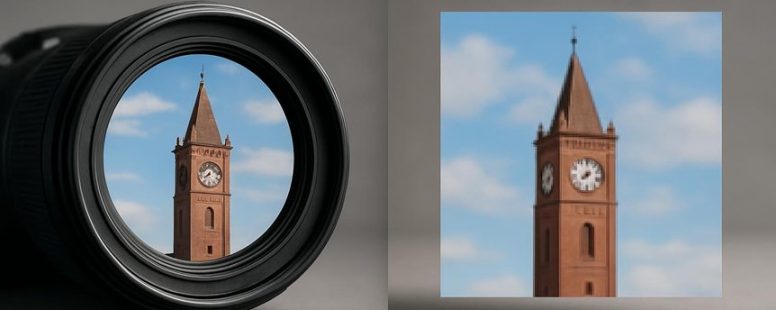
Digital zoom is a way to get closer to your subject without changing lenses, but it often makes photos look worse. When you use digital zoom, your camera cuts out part of the picture and makes it bigger. This process can make your photo blurry or pixelated because it stretches the small number of pixels you have.
Here’s what digital zoom does to your pictures:
- It makes fine details like hair or leaves fuzzy.
- It adds grain or noise, especially in dark or low-light scenes.
- It lowers the picture’s resolution, so it might not look good if you print or crop it later.
- It can create strange artifacts, making the photo look odd or distorted.
Some people think digital zoom is helpful because it’s quick and simple. But if you want sharp, clear photos, it’s better to use optical zoom or move closer to your subject. Digital zoom can seem easy, but it often ruins the quality of your photos. Knowing this can help you decide when to zoom and when to step closer.
How Optical Zoom Works Inside Camera Lenses
Optical zoom is a way camera lenses make distant objects look closer without losing image quality. It works by moving glass pieces inside the lens to change the focal length. When you zoom in, the lens adjusts so that more of the scene fills your picture. When you zoom out, it shows a wider view. Unlike digital zoom, which just crops and enlarges the picture, optical zoom uses the lens itself to magnify the image. This keeps your photos sharp and clear, even when zoomed in.
Think of it like looking through binoculars. As you turn the focus, the glass pieces inside move to bring faraway objects closer. Inside a camera lens, tiny glass elements slide and shift to change how much light enters and how close the image appears. Some cameras, like those from Canon or Nikon, have zoom lenses that do this smoothly.
There are two main points to remember. First, optical zoom gives real magnification, so your photos stay sharp. Second, it’s limited by the lens design; you can’t zoom in infinitely without changing the lens.
Some cameras also have digital zoom, which is just cropping the picture to make it look bigger. But this often makes the image blurry or pixelated. So if you want clear, detailed photos, optical zoom is better. Just keep in mind, zooming in too much can sometimes cause slight image softness, especially if the lens isn’t high quality.
Why Optical Zoom Produces Sharper Images Than Digital Zoom
Optical zoom produces sharper images than digital zoom because it actually adjusts the camera’s lens to bring the subject closer. Digital zoom, on the other hand, just enlarges the pixels already in the photo, which makes the image look fuzzy or pixelated. Here’s why optical zoom is better for clarity:
- It uses the camera’s optics to magnify the scene naturally, like looking through binoculars.
- It captures more detail without losing resolution, so the image stays clear.
- It keeps the focus sharp and prevents pixelation, making pictures look more professional.
- The images are better for printing or editing because they keep their quality.
Some people might think digital zoom is easier or more convenient, but it often results in lower quality images. If you want clear, sharp photos, optical zoom is the way to go. However, keep in mind that optical zoom usually costs more and can make your camera bigger. Digital zoom can be useful in a pinch, but don’t expect it to give you the same sharpness.
In simple terms, if you want the best picture quality when zooming in, opt for optical zoom. It’s like using a real magnifying glass instead of just enlarging a tiny picture on your screen.
When Should You Use Optical Zoom vs. Digital Zoom?
Optical zoom is better for clear, detailed photos, especially when you want the best quality. It uses a lens to physically zoom in, making your picture sharp and crisp. For example, if you’re taking pictures of wildlife or sports from far away, optical zoom helps you get close without losing image quality. Digital zoom, on the other hand, enlarges the image by cropping and enlarging the pixels. It’s useful if you need a quick close-up and can accept some softness or grain. For instance, if you’re in a hurry and can’t get closer or don’t have a big lens, digital zoom can help, but your photo might look fuzzy.
Some people think digital zoom is just a cheap shortcut, and they’re right. It can make images look blurry or pixelated. So, use optical zoom whenever possible for the clearest photos. Digital zoom is okay for quick snapshots or when your camera or phone doesn’t have a strong zoom lens.
In short, optical zoom gives you better quality and should be your first choice. Digital zoom is a backup that works when you’re in a hurry or limited by your gear. Just remember, digital zoom can ruin the picture if you’re not careful. It’s like zooming in with a magnifying glass—sometimes it works, but often it makes things look worse.
How to Combine Optical and Digital Zoom Without Losing Quality
Combining optical and digital zoom can be done without losing much image quality if you follow some simple steps. The main idea is to use your camera’s optical zoom first because it keeps the picture clear. Digital zoom can be helpful but should be used only when you need to zoom in more than your lens allows. Also, using image stabilization helps keep your photos sharp, even when zoomed in.
Here is how to do it:
- Use your camera’s optical zoom first to keep the picture sharp. This uses the lens to zoom without hurting quality.
- When you reach the limit of optical zoom, only then turn on digital zoom. This adds more zoom but can make images blurry if overused.
- Keep your camera steady by using image stabilization. This reduces shake and blurry photos.
- Adjust your camera settings, like exposure and focus, to make sure your picture is bright and clear.
Some people say digital zoom is bad because it makes pictures fuzzy. That’s true if you zoom too much. But if you only zoom in a little with digital zoom after optical zoom, it can work okay. Remember, digital zoom is like cropping a photo after you take it. If you crop too much, your picture loses details.
There are different opinions on combining zooms. Some say it’s fine if used carefully. Others warn that digital zoom always reduces quality and should be avoided unless necessary. If you want sharp images, stick mostly to optical zoom, and only use digital zoom as a last resort.
A quick tip: Think of optical zoom like looking through binoculars, keeping the picture clear. Digital zoom is like zooming in on a photo on your phone—use it carefully so your photo still looks good.
This method helps you get the most out of your camera without sacrificing too much quality. Just remember, digital zoom isn’t perfect and can make your photos blurry if you’re not careful. Use it sparingly, and always keep your camera steady for the best shots.
Real-Life Examples of Optical Zoom in Action
Optical zoom is a feature that makes photos clearer when you need to get closer. It works by adjusting the lens to magnify the picture without lowering the quality. This is different from digital zoom, which crops the picture and can make it look blurry.
For example, when you’re watching birds in a tree, optical zoom helps you see their feathers and colors up close. You don’t need a long lens or to scare the birds away. Some cameras, like Canon’s PowerShot series or Sony’s RX100, have good optical zoom that’s easy to use.
Sports fans also love optical zoom. When you’re at a basketball game, you can zoom in on the players without losing sharpness. It’s like having a superpower to see every move clearly, even from the back of the arena. But keep in mind, optical zoom can sometimes make the camera shaky, so using a tripod or steady hand helps.
Some people say optical zoom is the best way to get close-up shots. Others warn that it has limits. For example, if you zoom too far, the picture can still get blurry or pixelated. Also, not all cameras have the same zoom strength.
In simple terms, optical zoom is a useful tool for photography, especially when you want sharp, detailed pictures of things far away. But it’s good to know its limits and use it carefully. Would you want a camera with a big zoom or one that’s easier to carry? Think about what matters most for your pictures.
Wildlife Photography Benefits
Optical zoom is a key tool for wildlife photographers. It helps you take clear, detailed pictures of animals from far away. Unlike digital zoom, which just enlarges the image and makes it blurry, optical zoom uses the camera lens to get closer without losing quality. This means you can keep your distance and still get sharp photos.
Wildlife photographers use optical zoom because it lets them see animals up close without disturbing them. For example, if you want to photograph a deer in the woods, optical zoom allows you to stay quiet and hidden while capturing great shots. It also gives you more options for framing your picture, especially when animals move around unpredictably.
However, there are some limits to optical zoom. It can be heavy and expensive, and if the zoom is too powerful, it might be harder to keep the camera steady. Also, some cheaper cameras or lenses may not have good zoom quality, which can affect your photos.
Some photographers prefer digital zoom because it is cheaper and lighter, but they often end up with blurry results. For the best wildlife photos, optical zoom is a must because it keeps your pictures clear and detailed. So if you want authentic images of animals in their natural habitat, investing in a good optical zoom lens is worth it.
Counterpoints from different perspectives:
- The Ruthless Competitor might say, “Sure, optical zoom helps, but it isn’t enough if your camera’s sensor is low quality. The zoom is useless if the image is grainy.” They would push for better sensor quality over just zoom power.
- The Cynical Consumer could think, “Everyone claims optical zoom is a must, but how many actually get good results? Maybe it’s just hype.” They’d want proof that optical zoom truly improves photos in real-world conditions.
- The Distracted Scroller might think, “Zoom sounds good, but I just want quick, good shots without lugging heavy gear.” They might ignore technical details and just want something simple that works fast.
Sports Event Zooming
Optical zoom is the best way to get clear, detailed shots at sports events. Unlike digital zoom, which just crops the image and makes it blurry, optical zoom uses the camera’s lens to actually make the scene larger. This means you can get closer to the action without losing picture quality. For example, when a soccer player scores a goal or a basketball player makes a shot, optical zoom keeps the image sharp and vibrant.
To use optical zoom, follow these simple steps: first, set your camera or phone to zoom in. Second, adjust the zoom until the subject is close enough. Third, hold your camera steady to avoid blurry pictures. It’s that easy.
Some cameras have a limit to how much you can zoom, so if you try to go too far, the image can still get a little blurry. Also, optical zoom works best when lighting is good. In low light, even the best zoom can’t prevent some graininess.
There are two sides to this. Some photographers say optical zoom is the only way to get professional-looking sports shots. Others warn that even with optical zoom, you might miss some fast-moving moments if your camera isn’t quick enough.
Real-Life Examples of Digital Zoom in Action
Digital zoom is a way to get closer to a subject on your phone or camera by enlarging the image digitally. It sounds useful, but it often makes photos look blurry or pixelated. This is because digital zoom doesn’t actually make the lens move closer. Instead, it crops the image and enlarges it, which can lower the picture quality.
Here are some common examples where people use digital zoom without thinking about its limits:
- Trying to see the people in a crowd at a concert by zooming in on your phone screen
- Taking a picture of your pet from across the room
- Snapping a photo of a fancy dish at a restaurant from across the table
- Shooting a sports game when your camera only has digital zoom options
Many people rely on digital zoom because it’s quick and easy, but it can ruin your photos. If you want clear images, it’s better to use optical zoom, which physically moves the lens closer. Some newer phones, like the iPhone 13 or Samsung Galaxy S21, have better zoom features, but even then, digital zoom can still cause quality loss if used too much.
On the other hand, some believe digital zoom is good enough for casual photos. If you’re just sharing on social media and don’t mind a little pixelation, it might be fine. But if you want sharp, detailed images, try to avoid digital zoom or use a camera with better zoom capabilities.
In the end, understanding how digital zoom works can save you from disappointment. It’s a quick way to get a closer look, but it’s not the best tool for high-quality photos. Remember, sometimes stepping closer or using a camera with optical zoom gives you a much better picture.
Tips for Choosing Cameras Based on Optical and Digital Zoom Features
When choosing a camera, the most important feature to look at is optical zoom. Optical zoom uses the camera’s lens to get closer to the subject without losing picture quality. It keeps images sharp and clear, making it great for taking detailed photos of things far away like wildlife or sports events. Digital zoom, on the other hand, simply enlarges the picture after it’s taken. This can make images look blurry or pixelated because it’s like zooming in on a pixelated image on your phone.
Some cameras, especially lower-cost models, only have digital zoom. They might seem convenient because they let you zoom in more, but they often ruin the picture quality. If you want crisp, professional-looking pictures, opt for a camera with a good optical zoom, ideally 10x or more. Brands like Canon, Nikon, and Sony offer models with strong optical zoom features.
There are two points of view to consider. Some people say digital zoom is fine for casual shots, especially if you’re just posting online. Others argue that investing in a camera with high optical zoom saves you from disappointment when you print photos or look at them on a big screen. But remember, even the best optical zoom cameras can be expensive.
If you’re unsure, ask yourself what kind of photos you want to take. Do you need to capture distant objects clearly, or just take quick snapshots? Choosing the right camera depends on your needs and budget. Just don’t fall for the idea that digital zoom can replace a real zoom lens. It’s like trying to read small print with a magnifying glass that makes everything blurry.
In short, prioritize optical zoom when buying a camera. It’s like having a good pair of binoculars — better for seeing details far away. Digital zoom might be handy, but it’s not a real substitute for optical zoom’s clarity.
Optical Zoom Advantages
Optical zoom is the best choice if you want clear, high-quality pictures without losing details. Unlike digital zoom, which just enlarges pixels, optical zoom uses the lens to get closer. This means your photos stay sharp and true to the real scene.
Here’s why you should pick a camera with good optical zoom:
- It keeps images sharp at all zoom levels.
- It lets you zoom in further without making the picture blurry or pixelated.
- It captures fine details, even from far away.
- It works well in different lighting, like bright days or dim rooms.
Some people might say digital zoom is enough because it’s cheaper or easier. But digital zoom can make your photos fuzzy when you zoom in too much. Cameras with strong optical zoom will give you better, clearer images than relying on digital zoom alone.
If you’re into wildlife, sports, or travel photos, optical zoom helps you get close-ups without disturbing the scene. Just remember, cameras with really big optical zooms tend to be more expensive and sometimes bulkier. So, look for a balance between zoom power and ease of use.
In the end, optical zoom gives you pictures that look brighter and sharper, especially at a distance. It’s a smart choice if you want photos that really capture what you see. Just don’t forget to check the specs before buying, so you get the zoom range you need.
Digital Zoom Limitations
Digital zoom is not the best way to get clear, detailed photos. It works by cropping the image and enlarging it, which makes the picture look blurry or pixelated. This happens because digital zoom reduces the resolution of the photo. When you zoom in digitally, you lose sharpness and details, making the picture look worse. Some cameras try to hide this by adding artifacts like grain or blurriness, but it’s still not good quality.
If you want sharp photos, look for a camera with strong optical zoom. Optical zoom uses the lens to magnify the image, so the picture keeps its quality. For example, a camera with 10x optical zoom can zoom in without losing clarity. Digital zoom can be useful if you are in a hurry or don’t care about perfect quality, but don’t rely on it for important photos.
There are two sides to digital zoom. Some say it is handy when you need a quick zoom without changing lenses. Others warn that it just makes your photos look worse. If you want the best images, avoid digital zoom whenever possible. Instead, use cameras with good optical zoom or get closer physically.
Knowing digital zoom’s limits can help you pick the right camera. Remember, digital zoom often reduces quality and adds unwanted artifacts. If you want photos that are sharp and clear, focus on optical zoom options. Digital zoom might seem simple, but it’s not the best choice for high-quality pictures.
Summary: Choosing the Right Zoom for Your Photography
What is the best zoom for your photography? The answer depends on how you want to use your camera and what you want to capture. The most important factor is choosing an optical zoom. Optical zoom uses the camera lens to zoom in, which keeps your pictures clear and sharp. Digital zoom, on the other hand, crops the image and enlarges it electronically. This can make your photos look blurry or pixelated when you zoom in too much.
Here are some tips to pick the right zoom:
- Use optical zoom for better quality pictures. It is like moving closer without losing detail.
- Think about what you usually shoot. If you take a lot of landscape shots, a wide-angle lens with a low zoom is good. If you shoot sports or wildlife, a telephoto zoom is better.
- Be careful with digital zoom. It sounds useful, but it often makes your photos worse.
- Consider a versatile lens that can cover a range from wide to telephoto. For example, a 24-70mm lens is popular among many photographers because it can do many different shots.
Some people like zoom lenses that go from very wide to very telephoto. Others prefer to use separate lenses for each task. Both ways work, but remember that zoom lenses with a big range can sometimes be less sharp at the edges.
In the end, choosing the right zoom is about matching your style and needs. Think about what kind of photos you want to take and pick a lens that helps you get those shots. With the right zoom, your photos will better tell your story.

- Equitybee Competitors - October 17, 2026
- Nutanix Competitors - October 16, 2026
- Best Alternative for Hdfc Infinia Credit Card - October 16, 2026
by Ellie B, Site Owner / Publisher