Imagine your engine as a marathon runner, pushing through tough terrains and scorching temperatures.
At first glance, synthetic blend and full synthetic oils might seem like similar fuel—just a slight difference in price.
But as your car endures the grind, you realize that small gap can be the key to extra protection and a longer-lasting engine.
Did you know that choosing the right oil could also improve fuel efficiency in ways you never expected?
Sometimes, the smallest choices pack the biggest punch.
What Synthetic Blend and Full Synthetic Oils Are Made Of
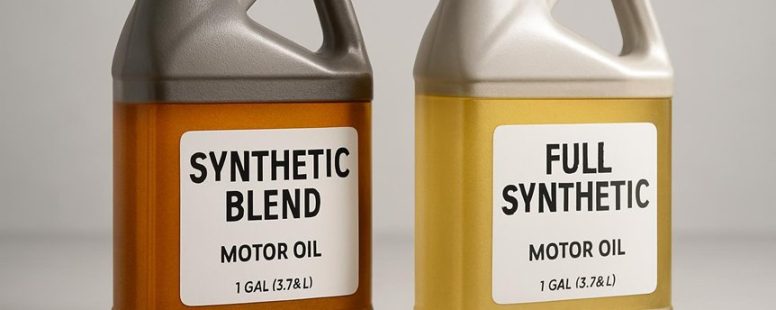
Synthetic blend and full synthetic oils are both used to protect your engine, but they are made differently. Synthetic blend oil is made from a mix of conventional oil and some synthetic base oils. This mix means its chemical structure isn’t as uniform or refined. It offers decent engine protection and costs less. However, it does not perform as well as full synthetic oil in extreme conditions.
Full synthetic oil is made from highly refined base oils. These oils have a consistent chemical structure, which is designed for better performance. They reduce friction more effectively and handle very high or low temperatures better than blends. Because of this, full synthetic oils can keep your engine running smoother and longer.
Some brands like Mobil 1 and Castrol use high-quality synthetic bases for their full synthetic oils. These oils are often more expensive but offer superior protection. Synthetic blends, like those from Valvoline and Pennzoil, are a cheaper option that still provides decent engine care.
Choosing between the two depends on your needs. If you drive a lot or in extreme conditions, full synthetic might be worth the extra cost. If you want a good balance of protection and savings, a synthetic blend can work fine. Just remember, no oil can fix a poorly maintained engine, so regular oil changes are still necessary.
How These Oils Protect Your Engine Differently
Full synthetic oils protect engines differently than synthetic blends. They are better at handling high heat and preventing oxidation, which helps keep your engine cleaner over time. Synthetic blends offer some protection but may not last as long under tough driving conditions.
For example, if you drive in hot weather or tow heavy loads, full synthetics might keep your engine safer because they resist breakdown better. However, synthetic blends are often cheaper and can be fine for normal driving.
Some people say full synthetics are the best choice, but they can be more expensive. Others might choose blends to save money while still getting decent protection. It’s a good idea to think about how you drive and what your engine needs.
Lubrication and Wear Prevention
Full synthetic oil provides better protection for your engine than synthetic blend oil. The main reason is that full synthetic oil keeps the right thickness and forms a stronger film between engine parts. This film helps prevent metal parts from rubbing directly against each other, which can cause damage. Synthetic blends can do a decent job, but they tend to thin out faster, especially when the engine gets hot or stressed. That means they might not protect as well over time.
If you want your engine to stay smooth and last longer, full synthetic oil is the better choice. It offers more consistent protection because it stays stable across different temperatures and driving conditions. For example, if you drive in hot summer weather or cold winter mornings, full synthetic oil keeps your engine well-lubricated. Some people think blends are enough for everyday driving, but for long-term safety, full synthetic is generally safer.
However, full synthetic oils usually cost more. If you drive a lot or do heavy work with your vehicle, this extra cost can be worth it. On the other hand, synthetic blends might be okay if you drive mostly short distances or on city streets. Still, keep in mind that blends might need to be changed more often because they thin out faster.
In the end, both oils help reduce engine wear, but full synthetic oil does it better and longer. Think of it like choosing a better helmet for safety—sure, a cheaper one might do the job for a while, but the best one keeps you safer over time. Always check your vehicle’s manual and consider your driving habits to pick the best oil for your car.
Temperature and Oxidation Resistance
When it comes to protecting your engine, the type of oil you choose matters a lot, especially in high heat and tough conditions. Full synthetic oils are the best for resisting heat and preventing oil breakdown. They stay thick and reliable even when engines get really hot. This means your engine stays cleaner and wears less over time. Synthetic blends are better than regular oils but might not keep up in extreme heat or long drives. They can break down faster and cause more sludge.
In terms of fighting oxidation, full synthetic oils again perform better. Oxidation is when oil reacts with oxygen and turns into sludge or varnish, which can harm your engine. Full synthetics resist this longer, helping your engine stay cleaner. Some brands like Mobil 1 and Castrol offer full synthetic oils known for their high temperature and oxidation resistance.
But remember, full synthetic oils cost more. If you drive a lot or in very hot places, spending extra on full synthetic oil might save you money in the long run. However, for regular city driving, synthetic blends can still do a decent job.
Why and When Full Synthetic Oil Outperforms Blends
Full synthetic oil is better when your engine faces big temperature swings or heavy use. It lasts longer and protects your engine more because of a special mix of additives that work well with your engine’s needs. For example, if you live in a place with hot summers and cold winters, full synthetic oil keeps your engine running smoothly better than synthetic blends.
Some people might wonder if it’s worth the extra cost. Full synthetic oil can cost more upfront but can save you money in the long run because you don’t have to change it as often. Also, if you drive a newer or high-performance car, full synthetic oil helps your engine stay healthy longer.
But, there are some limits. Synthetic blends are cheaper and still give decent protection. If your engine isn’t worked hard or doesn’t face extreme weather, blends might be okay. Plus, some brands advertise full synthetic oil as the best, but that’s not always true for everyone. Always check your car’s manual or ask a mechanic to see what’s best for your car.
In short, full synthetic oil really outperforms blends when your engine faces tough conditions or if you want the best protection. But for normal driving, a good synthetic blend can do the job just fine.
Extreme Temperature Performance
Full synthetic oil is best for handling extreme temperatures. It keeps your engine protected when it gets very cold or very hot. Unlike regular blends, full synthetic oil flows better in cold weather, making it easier for your car to start. This helps prevent engine wear and tear from thick, sluggish oil. For example, in freezing mornings, full synthetic oil moves quickly, keeping engine parts lubricated from the moment you turn the key.
In hot weather, full synthetic oils resist breaking down or oxidizing. This means they stay effective longer, protecting your engine during heat waves or long drives. Some people say synthetic oils are worth it only if you drive a lot or in tough conditions. Others argue that for everyday driving, blends are enough and cheaper. But if you often face big temperature swings or want maximum protection, full synthetic oil is the smart choice.
Be aware that full synthetic oils cost more than blends. They also need regular changing, just like other oils. If you don’t change your oil on time, even the best synthetic can’t protect your engine.
In the end, if you live in an area with harsh weather or demand top performance, full synthetic oil is a good pick. It’s not just for extreme days but for keeping your engine running smoothly no matter what the temperature is.
Engine Protection Longevity
Full synthetic oil is the best choice if you want your engine to last longer. It keeps your engine cleaner because it resists breaking down under stress. That means fewer deposits build up inside your engine over time, helping it run smoothly. Unlike synthetic blends, full synthetic oil can protect your engine for longer periods between oil changes. If you drive hard or in tough conditions, full synthetic oil stays stable and keeps your engine parts safe from wear. Some people might think synthetic oil is too expensive, but it can save you money in the long run by preventing engine problems.
However, not everyone needs full synthetic oil. For light driving and short trips, a good synthetic blend might be enough. Also, some engines are designed for regular oil and might not benefit much from full synthetic. Always check your car manual or ask a mechanic before choosing.
In simple words, full synthetic oil offers better protection and longer-lasting engine health. But it’s not the only option. Think about how you drive and your car’s needs before making a choice. Would you rather spend more now or risk costly repairs later? The decision is yours.
Additive Package Quality
Full synthetic oils have better additive packages than synthetic blends. These additive packages are what make the oil protect your engine better. Full synthetics usually include higher-quality additives that help keep the engine clean and prevent damage. For example, these additives work with the base oil to stay stable at high temperatures and maintain the right thickness longer.
If your engine works hard, like in hot weather or during heavy towing, the stronger additives in full synthetic oils can prevent more wear and deposits. This makes full synthetics a good choice if you want your engine to last longer and run smoothly.
Some people think all oils are the same. But the quality of additives can vary a lot. Cheaper oils with lower-grade additives might not protect as well when your engine faces tough conditions. So, if you want the best protection, look for full synthetic oils with high-quality additive packages.
However, full synthetics cost more. If you drive only short distances or rarely push your engine hard, a synthetic blend might be enough. But for serious driving or extreme conditions, the better additive package in full synthetics makes a real difference.
In short, the main difference is the quality of the additives. Higher-grade additives in full synthetic oils keep your engine cleaner and safer under stress. But they come at a higher price. Choosing the right oil depends on how you drive and what your engine needs.
Driving Conditions That Favor Synthetic Blend or Full Synthetic
Full synthetic oil is a type of motor oil made with highly refined ingredients that provide better protection for your engine. It keeps engine parts cleaner and works well in cold weather. Synthetic blends mix regular oil with some synthetic oil, offering a middle ground in price and protection.
If you mostly drive in city traffic with lots of stop-and-go, a synthetic blend is usually enough. It can handle frequent starts and stops without costing too much. For example, if you drive daily in town and don’t often tow or go on long trips, synthetic blends will work fine. They are easier on your wallet but still provide decent engine protection.
But if you often drive long distances, tow heavy loads, or go off-road, full synthetic oil is better. It handles extreme conditions and keeps your engine protected for longer periods. For instance, if you own a truck used for towing or live in cold climates, full synthetic oil can keep your engine running smoothly even in freezing weather. It also helps high-performance cars stay reliable under stress.
There are two sides. Some say full synthetic oil lasts longer and offers better protection, but it costs more. Others think synthetic blends are good enough for everyday driving and save money. It’s important to consider your driving habits and climate before choosing.
Watch out for false promises. Not all synthetic oils are the same, and some brands may exaggerate benefits. Also, if you don’t drive much, frequent oil changes might matter more than the type of oil. Always check your vehicle’s manual or ask a trusted mechanic for advice.
In simple terms, if you drive mostly in city traffic, synthetic blends will probably do the job. If you face tough driving conditions or want maximum protection, full synthetic oil is the smarter choice. Think about what kind of driving you do most, and pick accordingly.
Comparing Costs: Is Full Synthetic Worth It?
Full synthetic oil costs more upfront, but it can be worth it. Usually, full synthetic oil costs about 30 to 50 percent more than synthetic blends for each oil change. Some people see this as a big extra expense. But think about how it saves you money in the long run. Full synthetic oil lasts longer between changes, so you need fewer oil changes. That means less work and less money spent on labor.
Plus, full synthetic oils protect your engine better. They help reduce engine wear and may even prevent costly repairs. For example, some car experts say that engines using full synthetic oil can last several thousand miles more than those with regular oil. So even though you pay more at first, you might save money over time by avoiding repairs and extending your engine’s life.
However, not everyone agrees. Some drivers believe that synthetic blends are good enough for most cars, especially if you don’t drive long distances often. They say that the extra cost of full synthetic isn’t always worth it for casual drivers. Also, some car manufacturers recommend synthetic blends instead of full synthetic, so check your car’s manual.
In the end, if you want to keep your engine running smoothly longer, full synthetic oil can be a smart buy. But if you have a tight budget or only drive short distances, a synthetic blend might work just fine. Just remember, the choice depends on your car, how much you drive, and how much you want to spend.
Choosing the Right Oil for Your Vehicle’s Age and Needs
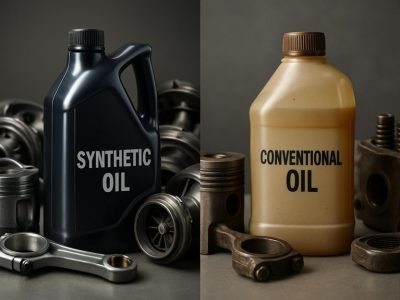
Choosing the best oil for your car depends on your vehicle’s age and what you need it to do. The main types are conventional, synthetic blend, and full synthetic oil. Each has different advantages and suits different cars and driving styles.
Older engines often work better with synthetic blends. These oils give good protection without being too thin or too thick. They help older engines run smoothly and can reduce oil leaks. Newer cars usually need full synthetic oil because it offers the best protection and keeps up with high-performance standards. For example, a sports car or luxury vehicle benefits from full synthetic because it handles high speeds and extreme temperatures better.
How you use your vehicle also matters. If you drive a lot or do heavy-duty work like towing, full synthetic oil can handle the extra stress. But if your car is used mainly for short trips or city driving, a synthetic blend might be enough and save you money.
Changing your oil regularly is just as important as choosing the right kind. Skipping or delaying oil changes can cause engine damage. Using oil that is right for your car’s age and needs helps keep the engine healthy longer.
Some people say full synthetic oil is always better, but it can be more expensive. Also, not all older engines need full synthetic. It’s a good idea to check your owner’s manual or ask a mechanic. Remember, the right oil is one that matches your car’s age, how you drive, and your budget. Picking the wrong type can cause problems or shorten your engine’s life.
In the end, knowing your vehicle and how you drive makes choosing the right oil simple. It’s a small step that can save you money and keep your engine running smoothly for years.
Common Myths About Synthetic Blend vs Full Synthetic
Synthetic blend and full synthetic oils are both used to keep your car engine running smoothly. Here’s what you need to know about their differences and which might be best for you.
First, synthetic blend oil is a mix of conventional oil and synthetic oil. It gives better protection than regular oil but costs less than full synthetic. Full synthetic oil is made entirely with synthetic ingredients, which means it lasts longer and performs better in extreme temperatures. If you drive in very hot or cold weather or do a lot of towing, full synthetic might be the better choice.
Many people think synthetic blends are weaker or can harm engines. That is not true. Studies and real-world tests show blends protect engines well, especially for everyday driving. Some think full synthetic is always necessary, but if you drive mostly short distances or have an older car, a synthetic blend might be enough. Always check your car’s owner manual to see what oil is recommended.
Another myth is that synthetic oils cause engine damage or void warranties. This is false if you follow the manufacturer’s instructions. Using the right oil as recommended by your car’s maker will not harm your engine or void your warranty.
So, what should you choose? Think about your driving habits and climate. If you drive a lot or in harsh weather, full synthetic could be better. If you drive moderately or want to save money, a synthetic blend works well. Just remember to change your oil at the intervals your car needs, no matter which type you pick.
In the end, understanding these facts helps you pick the right oil without wasting money. Don’t fall for marketing tricks. Pick the oil that fits your needs and driving style, and your engine will thank you.
Tips for Switching Between Synthetic Blend and Full Synthetic
Switching between synthetic blend and full synthetic motor oil is easy if you follow some simple steps. First, know that you do not need to flush your engine when changing oils. Modern oils mix well, so just doing an oil change is enough. However, always follow your vehicle’s manual for how often to change the oil. Full synthetic oil usually lasts longer, but it’s still best to stick to the recommended schedule.
After switching oils, pay attention to how your engine runs. You might notice it starts smoother or uses less fuel. If you drive hard or tow heavy loads, full synthetic oil might be better because it can protect your engine better under stress. But if you have an older car or don’t drive much, a synthetic blend could be enough and save you money.
Always use the right oil grade and quality brand. For example, brands like Mobil 1 or Valvoline offer good options. Using the wrong oil can cause engine problems. Remember, switching oils is simple if you follow these tips and stay consistent with oil changes. Keep an eye on your engine’s performance and enjoy a smooth ride.
To provide the best experiences, we use technologies like cookies to store and/or access device information. Consenting to these technologies will allow us to process data such as browsing behaviour or unique IDs on this site. Not consenting or withdrawing consent, may adversely affect certain features and functions.
Functional
Always active
The technical storage or access is strictly necessary for the legitimate purpose of enabling the use of a specific service explicitly requested by the subscriber or user, or for the sole purpose of carrying out the transmission of a communication over an electronic communications network.
Preferences
The technical storage or access is necessary for the legitimate purpose of storing preferences that are not requested by the subscriber or user.
Statistics
The technical storage or access that is used exclusively for statistical purposes.The technical storage or access that is used exclusively for anonymous statistical purposes. Without a subpoena, voluntary compliance on the part of your Internet Service Provider, or additional records from a third party, information stored or retrieved for this purpose alone cannot usually be used to identify you.
Marketing
The technical storage or access is required to create user profiles to send advertising, or to track the user on a website or across several websites for similar marketing purposes.