Picture your engine waking up on a frosty morning—the air sharp as glass the world muffled in a blanket of white. You turn the key and count on your motor oil to flow smoothly and protect every moving part. But is your oil really up to the task? The numbers on that bottle—0w and 5w—aren’t just random codes; they’re silent guardians against friction and wear.
Choosing between 0w and 5w oil isn’t just about following a manual; it’s about unlocking hidden performance and extending your engine’s life. The right oil can mean quieter starts, smoother drives, and peace of mind even when the temperature plummets. Curious how a simple number can make such a difference? You’re about to discover the science behind those mysterious labels and how they can transform your driving experience.
Understanding Oil Viscosity Grades
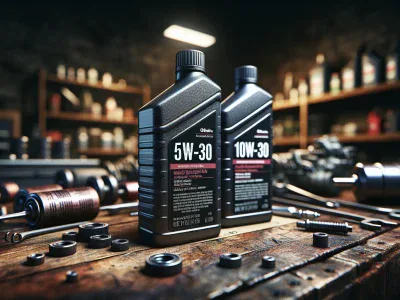
Picture stepping out on a January morning, cold air biting at your nose, your hands stiff like frozen branches. You turn the key in your car and wonder—will the engine oil be ready to flow, or will it drag against the metal, thick as syrup, forcing your car to groan awake? That’s when viscosity grades matter most. Viscosity, measured by the Society of Automotive Engineers (SAE), describes an oil’s resistance to flow—thicker oil resists more, thinner oil runs faster through the engine’s crevices. You’ve probably seen labels like “0w-20” or “5w-30,” and thought, what those numbers mean?
The “0w” and “5w” in oil ratings aren’t arbitrary labels; they’re key indicators of cold-start performance. The “w” stands for winter. The digit before it, like “0” or “5,” specifies how the oil flows at 0°C (32°F) based on SAE standards—lower numbers mean the oil thickens less in cold, making it easier for your vehicle’s engine to turn over when you start it. Car owners in places like Minneapolis, where temperatures might drop below -20°F, often go for 0w oils to keep those chilly mornings hassle-free. But, if you’re in Atlanta, where snow is as rare as a blue moon, 5w oil usually runs just fine.
For example, take a 2018 Toyota Camry. Its manufacturer, Toyota, recommends 0w-16 or 0w-20 oil—this choice boosts fuel economy and delivers instant protection in freezing weather (Toyota Owner’s Manual, 2022). On the other hand, older Fords sometimes call for 5w-30, favoring a slight thickness that suits older engine designs better.
Some mechanics argue that 0w might be too thin, risking leaks in high-mileage engines where seals have shrunk. Others say modern engineering’s banished this issue, and that thinner oils prevent wear by circulating quicker—see research published in the SAE International Journal (2019). So, which is correct? Maybe both—what matters is matching the viscosity grade to your climate, your car’s design, and its age. if your engine struggles after overnight frost because the oil is too thick? Viscosity tells a story before you even open the hood. With just a bottle’s label, you hold the key to quieter starts, longer engine life, and a smoother ride, especially when seasons shift and the weather tests every component under your hood.
What Do 0W and 5W Mean?
You see those mysterious numbers and letters on an oil bottle—0W, 5W. Ever pause and wonder, what does it really mean for your engine? Your choice between 0W and 5W oil’s more than just a number. It’s like picking boots for a snowstorm versus sneakers for a chilly morning.
Viscosity Ratings Explained
SAE standards measure oil viscosity with a code—two numbers, a “W”, and a world of difference. You’ll read “0W” and “5W” and think, colder is better? , that first digit (before the “W” for “winter”) shows how thick or thin the oil gets at 0°C (32°F), something you’ll notice on bone-cold starts. Lower is thinner—0W flows faster, so if your car’s engine sits overnight in a Michigan December, 0W gets to parts faster than 5W.
Think of it like syrup: if you pour maple syrup from the fridge, it moves slow, but from a warm pantry it slides right out. Motor oil behaves the same way, and SAE’s rating helps you know whether it’ll behave like a fridge syrup—or one from a warm pantry. The “W” doesn’t stand for weight, it’s “winter.” Only the second number, found in oils like 0W-20 or 5W-30, points to viscosity once your engine is warmed up and rolling down the interstate.
Cold Weather Performance
Oil’s flow at startup shapes everything in cold climates. Picture your car’s an athlete stretching before a run: if those joints are stiff, performance drops. When temps hit -20°F, studies done by Mobil 1 show 0W oil moves up through valve trains and camshafts 10-15% quicker than 5W. That sounds modest, until you realize those first seconds defend your engine from wear—thicker 5W might lag and leave metal-on-metal longer.
Older engines, like a high-mileage Ford F-150, might prefer a bit thicker cold viscosity, especially if seals have aged. Still, most new engines—think recent Honda Accords and Subaru Outbacks—specify 0W-20 for this reason. Ever hear a cold engine rattle or tap? Sometimes it’s simply the wrong oil fighting the chill. Readers in Minnesota or Canada, your owners’ manual probably calls for 0W.
Could it harm to use the lower “W” if your climate is never frigid? The truth, most modern engines handle both 0W and 5W just fine above freezing, but in harsh winters, every bit of improved flow saves wear.
Consider the last time you fumbled with frozen honey or watched syrup crawl out of the fridge bottle—didn’t you wish it flowed quicker? Your engine does too. Choosing the right oil isn’t just about chemistry; it’s about safeguarding hundreds of moving metal surfaces when winter bites the hardest.
Key Differences Between 0W and 5W Oil
Comparing 0W and 5W oils shows how small numbers matter cold starts and long-term engine health. Oil viscosity isn’t just a spec sheet—it’s the difference between a smooth morning commute and a rough, grumbling engine struggling to wake up.
Flow Characteristics in Low Temperatures
0W oil flows faster than 5W oil at freezing temperatures due to lower viscosity, aiding immediate lubrication on cold starts. If you live in Fargo, North Dakota where winter temperatures hit -20°F, 0W oil stays nearly as fluid as warm maple syrup, while 5W thickens more, similar to cold honey. Faster flow means internal metal parts—crankshafts, pistons—don’t grind as much before a protective layer forms. European automakers like BMW recommend 0W oils for turbocharged engines, because instant oil flow shields high-speed moving parts when the ignition turns.
5W oil, while slower, works adequately in moderate climates, like in Texas, where dips below freezing are rare. The few seconds difference in flow at startup compounds over years, meaning new cars—especially those from Japan—often carry a factory recommendation for 0W-20.
Engine Protection and Wear
0W oils provide rapid protection, reducing friction at every cold start cycle, especially when temperatures plummet. Each time you crank the engine after a cold night, faster oil circulation prevents wear on delicate bearings and camshafts. SAE studies (SAE International, 2020) show engines using 0W oils in cold climates experience 7-12% less startup wear than those with 5W. Some mechanics voice concerns that thinner oil leaks past worn seals in high-mileage engines, but major manufacturers—Toyota, Honda, Ford—approve 0W grades for models built after 2010.
5W oils, slightly thicker at freezing, might suit older vehicles or engines with looser internal tolerances. Mustang owners from the early 2000s report quieter startups with 5W, especially above 14°F. If you often drive short city trips, 0W can mean the difference between engine longevity and gradual decline, all because it gets to work before you can even buckle your seatbelt.
Choosing the Right Oil for Your Vehicle
Finding the right oil blends chemistry, weather, and your personal driving habits. Different vehicles speak different oil “languages”, and deciphering yours depends on how, and where, you drive every day.
Climate and Driving Conditions
Climate shapes your choice like a sculptor chisels stone. In Alaska’s depths, morning temperatures drop below 0°F, you see 0W oil outperforming 5W every single winter. In these extremes, 0W acts like a liquid shield, quick-flowing through metal corridors to catch wear before it starts, while 5W’s thicker, syrup-like nature lags behind. Picture cold air gnawing at your engine—a 0W oil responds instantly, reaching vital parts without delay, while a 5W hesitates, risking a hundred micro-scratches at each dawn start.
In contrast, if you’re cruising Miami’s sun-drenched streets, low winter numbers matter less. Here, both oils stay thin enough at startup, so local mechanics even report engines running strong past 200,000 miles on conventional 5W-30. Urban driving—stoplights, sudden stops—puts extra strain on oil viscosity. Highway commuters might barely notice, but city dwellers feel the loss when oil fails to protect under high heat, heavy traffic, or short trips that never reach optimal temp.
Would your driving pattern match a daily-school shuttle, a weekly mountain climb, or a cross-country haul? That fingerprints your oil’s ideal viscosity, dictating if engine friction gnaws away parts quietly each morning. The U.S. Department of Energy notes that colder temperatures demand lower “W” oils for fastest protection, while moderate zones grant you more flexibility.
Manufacturer Recommendations
Automakers script your engine’s story. Recent BMW, Subaru, and Toyota models share one refrain—use 0W-20 for modern engines tuned for efficiency and emissions. If you ignore this, warranty coverage weakens, and undocumented repairs loom large. The 2018 Toyota Camry, for example, achieves peak fuel economy with 0W-16, a grade thinner than honey, recommended for its 4-cylinder heart.
Open your owner’s manual—it’s like a map highlighting your engine’s “comfort zone.” Most automakers, like Honda and Ford, partner with oil giants to engineer lubricants tailored to their engines’ micro-tolerances. Using incorrect oil can cause lifters to tick or create varnish that bakes onto camshafts in turbocharged engines.
Some mechanics argue that high-mileage engines crave thicker oils to plug leaks or quiet knocks, but these claims rarely appear in OEM documentation. With newer synthetic blends, manufacturers test and approve lower-viscosity oils even for engines running well past 150,000 miles. Each brand provides a VIN-specific recommendation to ensure emissions systems and turbochargers operate at peak level (see API or SAE guidelines).
Ask yourself: does your warranty depend on sticking with 0W or 5W? Would an off-brand oil sidestep critical updates included in the newest bottles? If you’re not sure, check for the “API Starburst”—it’s the industry’s shorthand for certified, tested, and approved.
Model Year / Brand
Oil Recommendation
Viscosity Grade
Source
2018 Toyota Camry
0W-16 full synthetic
0W-16
Toyota Owner’s Manual
2023 Ford F-150
Synthetic Blend
5W-30
Ford Owner’s Manual
2024 BMW 3 Series
LL-01 Approved Synthetic
0W-20
BMW TIS Documentation
2017 Subaru Outback
API Certified Full Syn
0W-20
Subaru Owner’s Manual
When in doubt, default to factory-recommended specs for grade and certification—they speak for your engine’s true needs, not just nice-to-haves.
Pros and Cons of 0W and 5W Oil
Explore how 0W and 5W oil choices shape your engine’s daily life through real-world moments and manufacturer examples.
0W Oil Pros
Fast flow at cold start: Oil with a 0W rating hits every engine crevice quicker than 5W in subzero mornings. For instance, Arctic truckers trust 0W to keep pistons moving when the world outside looks like a snow globe (source: Mobil technical whitepaper).
Reduced startup wear: By reaching vital parts rapidly, 0W minimizes dry-friction and lessens the metal-on-metal scraping that shaves years off your engine’s life. Picture how your car feels on a blustery January dawn—that’s when 0W shows its magic best.
High manufacturer endorsement: Leading brands, such as Toyota and Honda, frequently specify 0W-16 or 0W-20 in warranty manuals for new models. Not using it in covered engines makes your warranty shaky ground (source: Toyota Owner’s Manual, 2018 Camry; Honda Service News).
0W Oil Cons
Leakage in older engines: If your car clocked serious mileage or was born before 2000, you may discover drips under the engine or faster oil consumption due to thinner viscosity. Some owners with 1990s Fords and Chevys swapped back to 5W to stop garage stains.
Higher cost per quart: Synthetic 0W often tags a higher price. For budget-conscious drivers, each oil change can feel like splurging on premium coffee.
5W Oil Pros
Adequate performance in mild climates: For daily drivers in places like Los Angeles or Atlanta, 5W oil matches startup needs with no fuss. Mechanics in these cities rarely see cold crank failures linked to 5W.
Better prevention of leaks in worn engines: 5W’s slightly thicker composition resists sneaking out of older gaskets. If your ride’s passed 200,000 miles, this may keep your driveway stain-free longer.
5W Oil Cons
Slower flow in freezing temperatures: Living in Minneapolis or Calgary? When polar vortex hits and you turn your key, 5W might lag, giving metal a harsh wake-up call. Studies found that lubrication delays increase wear when oil thickens (SAE Technical Paper 2016-01-0883).
Sometimes, engine warranties restrict: Automakers like BMW and Subaru, call out 0W for direct-injection turbo engines. Drop in 5W and you risk denial at warranty claims—even if the difference seems small on paper.
Ask yourself, would you trade faster startup protection for stronger leak-resistance in a high-mileage car? Visualize your engine at dawn—the race between oil and metal fatigue begins the moment you crank the ignition. You might find your oil choice echoing through every cold morning commute, every warranty repair receipt, and each long-haul trip you take. So, does 5W oil hold you back in a Canadian winter, or does 0W invite costly leaks if your engine’s lived a hard life? The answer often rides with your climate, your odometer and your owner’s manual. Why not talk with your mechanic and see which team they root for?
Conclusion
Choosing between 0W and 5W oil comes down to understanding your climate, engine type, and your manufacturer’s guidelines. Making the right choice helps ensure smoother cold starts, better protection, and long-term engine health.
Always check your owner’s manual and consider your driving habits before making a switch. With the right oil, you’ll keep your engine running efficiently and avoid unnecessary wear no matter what the weather brings.
To provide the best experiences, we use technologies like cookies to store and/or access device information. Consenting to these technologies will allow us to process data such as browsing behaviour or unique IDs on this site. Not consenting or withdrawing consent, may adversely affect certain features and functions.
Functional
Always active
The technical storage or access is strictly necessary for the legitimate purpose of enabling the use of a specific service explicitly requested by the subscriber or user, or for the sole purpose of carrying out the transmission of a communication over an electronic communications network.
Preferences
The technical storage or access is necessary for the legitimate purpose of storing preferences that are not requested by the subscriber or user.
Statistics
The technical storage or access that is used exclusively for statistical purposes.The technical storage or access that is used exclusively for anonymous statistical purposes. Without a subpoena, voluntary compliance on the part of your Internet Service Provider, or additional records from a third party, information stored or retrieved for this purpose alone cannot usually be used to identify you.
Marketing
The technical storage or access is required to create user profiles to send advertising, or to track the user on a website or across several websites for similar marketing purposes.