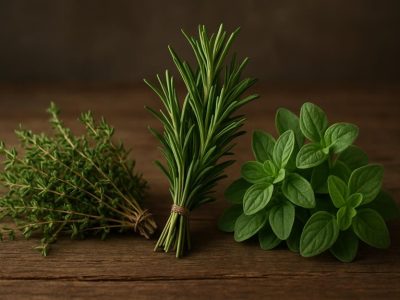
Your kitchen fills with the earthy, pine-like aroma of rosemary—a scent that transforms simple dishes into culinary masterpieces. But what happens when you’re halfway through a recipe and realize you’re out of this fragrant herb? Don’t let the absence of rosemary derail your cooking plans. The world of herbs and spices is vast, offering plenty of substitutes that can bring similar depth and flavor to your meals.
Understanding Rosemary And Its Uses
Rosemary, an aromatic herb, belongs to the mint family (Lamiaceae). Its needle-like leaves and woody stems make it a versatile ingredient in culinary applications. It offers an earthy, piney flavor with hints of citrus and mint.
You often use rosemary to season meats like lamb or chicken. It’s also common in soups, stews, and roasted vegetables for its ability to infuse dishes with depth. For example, adding sprigs of rosemary to olive oil creates a flavorful base for dressings or marinades.
Beyond cooking, rosemary carries cultural significance and historical uses. Ancient civilizations used it symbolically for remembrance and as a natural preservative due to its antimicrobial properties. Today it’s found in essential oils for aromatherapy or skin care products because of its antioxidant content.
The herb’s robust flavor profile pairs well with garlic, thyme, or oregano when creating seasoning blends. If fresh herbs aren’t available while cooking hearty meals like pot roasts or casseroles consider dried rosemary as an alternative—it concentrates the essence without losing potency over time.
Top Alternatives To Rosemary
When rosemary isn’t available, several substitutes can replicate its robust flavor profile. These alternatives maintain the essence of your dish without compromising taste.
Thyme: A Versatile Substitute
Thyme shares a similar earthy and slightly minty flavor with rosemary. Its subtle lemony undertones work well in soups, roasted vegetables, and meats like chicken or lamb. Use fresh thyme sprigs for garnish or dried thyme for marinades and rubs. If substituting, replace one teaspoon of rosemary with an equal amount of thyme to achieve balance.
Oregano: A Mediterranean Favorite
Oregano offers a bold, peppery taste that complements many dishes where rosemary might be used. It’s especially effective in tomato-based sauces, grilled vegetables, or Mediterranean-inspired recipes like Greek salads or pizza toppings. For best results, use half the quantity of oregano compared to what you’d use for rosemary due to its stronger potency.
Sage: Earthy And Aromatic
Sage delivers a warm and slightly bitter flavor that’s perfect for hearty dishes such as stuffing, stews, or roasted poultry. Fresh sage leaves add brightness when chopped finely; dried sage provides a concentrated nutty aroma ideal for slow-cooked meals. Replace one teaspoon of rosemary with 3/4 teaspoon of sage for balanced seasoning.
Marjoram: Mild And Sweet
Marjoram brings a delicate sweetness with hints of citrus that makes it suitable for lighter meals such as fish dishes, vegetable soups, or egg-based recipes like quiches. Its mild nature ensures it doesn’t overpower other ingredients while adding depth to flavors subtly. Use marjoram at a 1:1 ratio when substituting it for rosemary in your recipes.
Culinary Applications Of Rosemary Alternatives
Rosemary alternatives can seamlessly replace the herb in various recipes without compromising the dish’s flavor complexity. Understanding how to use these substitutes ensures your meals remain flavorful and aromatic.
Enhancing Flavor Profiles
Herbs like thyme, oregano, sage, and marjoram replicate rosemary’s earthy undertones while adding their unique characteristics. Thyme provides a subtle minty aroma that complements roasted chicken or root vegetables. Oregano introduces a bold, peppery essence ideal for tomato-based dishes like marinara sauce or pizza toppings. Sage’s warm bitterness enhances hearty recipes such as stuffing or creamy soups. Marjoram contributes mild sweetness that pairs well with fish fillets or light pasta.
For example, when preparing lamb chops commonly seasoned with rosemary, swapping it for thyme maintains the herbal depth but adds a softer edge to the dish. Similarly, using oregano in Italian-style baked ziti infuses robust Mediterranean notes reminiscent of rosemary’s intensity.
Adapting Recipes With Substitutes
When substituting rosemary, adjust quantities to balance flavors effectively since some herbs are milder while others are stronger. Use one teaspoon of dried thyme for every half teaspoon of dried rosemary due to its more delicate profile. For oregano, reduce slightly as its pungency can overpower subtle ingredients.
In recipes calling for fresh sprigs of rosemary—like garlic-rosemary bread—opt for fresh sage leaves instead to achieve an equally fragrant result without altering texture significantly. You’d find marjoram excels in lighter dishes requiring finesse; replacing rosemary in lemon-herb vinaigrette highlights citrus notes beautifully.
Choosing The Best Alternative For Your Dish
When rosemary isn’t an option, selecting the right substitute ensures your dish retains its desired flavor complexity. Various herbs can replicate or complement rosemary’s earthy undertones while adding their unique flair.
Matching Flavor Profiles
Prioritize substitutes that align with rosemary’s distinct taste. Thyme works well for roasted meats and vegetables due to its subtle minty and woody notes. Oregano suits Italian dishes like marinara sauce because of its robust, peppery essence. Sage complements hearty recipes such as stuffing or creamy sauces with its warm, slightly bitter profile. Marjoram fits best in lighter dishes with its mild sweetness, ideal for salads or citrus-based dressings.
Consider combining compatible herbs for layered flavors. A mix of thyme and oregano enhances savory baked dishes, while sage paired with marjoram adds depth to soups and stews. Use substitution ratios effectively: replace 1 tablespoon of fresh rosemary with 1 teaspoon each of dried thyme and marjoram.
Considering Availability And Preferences
Availability often influences herb choice when substituting rosemary. Dried alternatives like thyme or oregano are commonly found in spice racks, making them convenient options compared to less-stocked fresh sage leaves or marjoram sprigs.
Personal preferences also matter; if you enjoy bold flavors, oregano may be preferable over delicate marjoram. Experimenting allows you to adapt substitutions based on specific recipe requirements—enhance a lamb roast using thyme or elevate grilled vegetables by sprinkling dried sage.
Conclusion
When rosemary isn’t an option, you have plenty of flavorful alternatives to explore. From thyme’s earthy notes to oregano’s boldness and sage’s warmth, each substitute brings its own unique touch to your dishes. By understanding their characteristics and experimenting with combinations, you can create meals that are just as delicious and aromatic as those made with rosemary. With a little creativity and the right substitutions, you’ll never feel limited in your culinary journey.
To provide the best experiences, we use technologies like cookies to store and/or access device information. Consenting to these technologies will allow us to process data such as browsing behaviour or unique IDs on this site. Not consenting or withdrawing consent, may adversely affect certain features and functions.
Functional
Always active
The technical storage or access is strictly necessary for the legitimate purpose of enabling the use of a specific service explicitly requested by the subscriber or user, or for the sole purpose of carrying out the transmission of a communication over an electronic communications network.
Preferences
The technical storage or access is necessary for the legitimate purpose of storing preferences that are not requested by the subscriber or user.
Statistics
The technical storage or access that is used exclusively for statistical purposes.The technical storage or access that is used exclusively for anonymous statistical purposes. Without a subpoena, voluntary compliance on the part of your Internet Service Provider, or additional records from a third party, information stored or retrieved for this purpose alone cannot usually be used to identify you.
Marketing
The technical storage or access is required to create user profiles to send advertising, or to track the user on a website or across several websites for similar marketing purposes.