Creamy, tangy, and versatile—mayonnaise often feels irreplaceable in your favorite recipes. But what happens when you’re out of it or simply looking for a healthier, allergen-friendly alternative? Whether you’re crafting the perfect sandwich or whipping up a salad dressing, finding the right substitute can feel like solving a puzzle.
Picture elevating your dishes with unexpected ingredients that not only mimic mayo’s texture but also add unique flavors and benefits. From creamy avocados to protein-packed Greek yogurt, there’s a world of options waiting to transform your meals while catering to dietary needs and preferences. Why settle for ordinary when you can explore creative alternatives that bring something extra to the table?
If you’re ready to ditch store-bought mayo without sacrificing taste or quality, this guide will walk you through the best substitutes—and how they can take your cooking game to new heights.
Why Look For A Substitute For Mayonnaise?
Mayonnaise, while versatile, doesn’t always fit every dietary preference or health goal. If you’re managing calorie intake, its high fat content can be a concern. A tablespoon of mayonnaise contains about 94 calories and 10 grams of fat, which adds up quickly in recipes like pasta salad or sandwiches.
Food allergies or sensitivities often require alternatives too. With eggs being a primary ingredient, individuals with egg allergies can’t consume traditional mayonnaise. Vegan diets also exclude mayo due to the use of animal products.
Taste preferences may drive your search for substitutes as well. Not everyone enjoys the tangy flavor profile of mayonnaise in their dishes. Alternatives like hummus or mashed avocado offer milder options that complement diverse ingredients without overpowering them.
Storage limitations present another reason to seek other options—mayonnaise has a relatively short shelf life once opened and must be refrigerated consistently to avoid spoilage.
Exploring substitutes allows you to experiment with different flavors and textures while meeting specific dietary needs. Whether you’re using creamy Greek yogurt for richness or tahini for nutty undertones, these choices can elevate your cooking creatively and healthily.
Popular Reasons To Replace Mayonnaise
Replacing mayonnaise often stems from specific dietary, health, or taste-driven preferences. Each reason highlights unique challenges and opportunities for culinary creativity.
Dietary Restrictions
Mayonnaise contains eggs, making it unsuitable for vegans or individuals with egg allergies. If you’re vegan, options like aquafaba-based mayo alternatives or mashed avocado offer creamy textures without animal products. For those avoiding soy—common in commercial vegan mayo—try sunflower seed butter as a base. Catering to such restrictions expands your ingredient repertoire while ensuring inclusivity.
Health Considerations
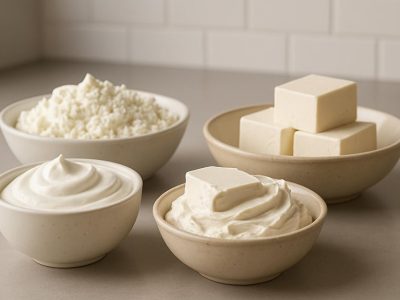
Traditional mayonnaise is high in calories and fat, particularly saturated fat, which some aim to limit for heart health or weight management goals. Greek yogurt delivers a protein-rich alternative with fewer calories per tablespoon (approximately 10 vs 90). Blending cottage cheese into recipes offers similar benefits without sacrificing creaminess. By swapping mayonnaise for nutrient-dense options like hummus or tahini, you increase fiber and essential vitamins while reducing calorie intake.
Flavor Preferences
Some find the tangy taste of mayonnaise overwhelming or unpleasant in certain dishes. Alternatives like sour cream balance acidity with mildness in dressings and dips. Mashed avocado adds richness without overpowering flavors when used on sandwiches or wraps. Experimenting with substitutes enables you to tailor recipes to suit varying palates while introducing new flavor profiles that complement your meals better than traditional mayo does.
Common Substitute Options For Mayonnaise
Finding a substitute for mayonnaise doesn’t mean compromising on flavor or texture. Whether you’re managing dietary restrictions, cutting calories, or simply out of mayo, there are versatile options to suit your needs.
Greek Yogurt
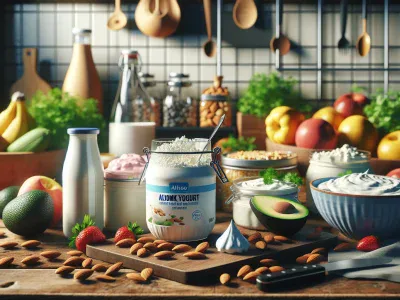
Greek yogurt offers a creamy consistency and tangy flavor similar to mayonnaise. It’s high in protein and lower in fat, making it an excellent choice for health-conscious individuals. Use it as a base for salads like coleslaw or potato salad. If you’re preparing dips, mix Greek yogurt with spices or herbs for added depth.
Example: Replace 1 cup of mayonnaise with 1 cup of plain Greek yogurt when making ranch dressing.
Avocado
Avocado brings natural creaminess and healthy fats to dishes. Its mild taste complements sandwiches, wraps, and even pasta salads. Mash ripe avocado with lemon juice and salt for spreads that pair well with toast or burgers.
Example: Substitute mashed avocado in chicken salad recipes instead of mayonnaise to reduce saturated fat content.
Hummus
Hummus provides a nutty flavor profile while offering plant-based protein and fiber. Spread hummus on sandwiches as an alternative to mayo, especially if you enjoy Mediterranean-inspired flavors. It also works well as a binder in tuna or chickpea salads.
Example: Use 3 tablespoons of hummus per serving in place of mayo in pita wraps filled with grilled vegetables.
Mustard
Mustard delivers boldness without the calorie load of mayonnaise. Dijon mustard enhances dressings, marinades, and sauces by adding complexity without overpowering other ingredients. It’s ideal when you want tanginess but prefer something lighter than traditional mayo-based condiments.
Example: Combine mustard with olive oil and vinegar for salad dressings that cut back on unhealthy fats while keeping vibrant flavors intact.
Cottage Cheese
Cottage cheese is another high-protein option perfect for those seeking healthier alternatives. Blend cottage cheese until smooth if you’d like a spreadable texture resembling mayo’s creaminess; otherwise, crumble it into recipes where chunkier consistencies are acceptable—such as mixed vegetable salads or baked potatoes fillings!
Vegan Alternatives To Mayonnaise
Vegan options for mayonnaise provide plant-based solutions without compromising taste or texture. These substitutes cater to dietary needs while enhancing your dishes.
Vegan Mayo
Vegan mayo mimics traditional mayonnaise using ingredients like soy milk, aquafaba, and vegetable oil. It’s creamy and tangy, making it ideal for sandwiches or dips. Brands such as Vegenaise and Hellmann’s vegan mayo are widely available in stores. You can also make homemade versions by blending aquafaba (the liquid from canned chickpeas) with oil, vinegar, and mustard.
Cashew Cream
Cashew cream offers a rich, nutty alternative to mayonnaise. Soaking cashews in water until soft lets you blend them into a smooth paste perfect for dressings or spreads. Adding lemon juice and garlic enhances flavor complexity further. Use this substitute in pasta salads or as a base for dairy-free ranch dressing recipes.
Tips For Choosing The Right Substitute
Assess Dietary Needs
Identify your dietary restrictions, if any, before selecting a substitute. For example, vegans can opt for hummus or vegan mayo, while those avoiding dairy might consider avocado or olive oil-based options. Tailor choices to align with allergies and nutritional goals.
Consider Flavor Profiles
Match the substitute’s taste with the recipe’s requirements. Greek yogurt adds tanginess suitable for savory dishes like potato salad, whereas mashed avocado offers mild creaminess perfect for wraps or sandwiches. Ensure the flavors complement rather than overpower the dish.
Evaluate Texture Requirements
Choose substitutes based on their consistency to maintain desired textures in recipes. Blended cottage cheese works well in creamy dips, while mustard provides a smooth yet light alternative in dressings.
Balance Nutritional Values
Opt for healthier alternatives if calorie intake is a concern by replacing mayonnaise with low-fat Greek yogurt or reduced-calorie vegan spreads.
Analyze Recipe Purpose
Determine how mayonnaise functions in your recipe—whether as a binding agent or flavor enhancer—and select substitutes accordingly. Aquafaba mimics egg-based binding properties in baking; sour cream enhances richness in cold salads.
Experiment With Portions
Test small quantities of substitutes when trying them out to adjust flavors and consistency without compromising the entire dish.
Substitute
Best Use
Key Benefit
Greek Yogurt
Salads, dips
Lower fat content
Avocado
Spreads, sandwiches
Healthy fats
Hummus
Sandwiches, wraps
Plant-based protein
Vegan Mayo
General replacement
Egg-free alternative
Recipes And Usage Ideas
Discover how mayonnaise substitutes can enhance various recipes while catering to dietary preferences and needs. Explore practical tips and creative ways to incorporate these alternatives into your meals.
Salad Dressings
Create creamy salad dressings by using Greek yogurt or avocado instead of mayonnaise. Blend 2 tablespoons of Greek yogurt with lemon juice, olive oil, and herbs like dill or parsley for a tangy dressing. For a vegan option, mix mashed avocado with lime juice and garlic to achieve a rich texture that pairs well with leafy greens. You can replace mayonnaise in coleslaw by substituting it with hummus or tahini for a nutty flavor profile.
Sandwich Spreads
Transform sandwiches into flavorful creations by swapping mayo with healthier spreads. Spread mashed avocado on whole-grain bread as an alternative that’s packed with healthy fats. Try mustard mixed with honey for a sweet-tangy twist on turkey or ham sandwiches. Use hummus as a high-protein spread that complements grilled vegetables or falafel wraps. Vegan mayo brands like Vegenaise also provide ready-to-use options for plant-based diets.
Dips And Sauces
Prepare dips and sauces without relying on traditional mayonnaise. Blend cottage cheese until smooth to create a protein-rich base for spinach dip; combine it with garlic powder and sautéed onions for added depth. Substitute sour cream in ranch dip recipes by using plain Greek yogurt—add chives, black pepper, and onion powder for bold flavoring. To make aioli-style sauce vegan-friendly, whisk aquafaba (chickpea water) together with oil, lemon juice, and minced garlic until thickened.
Conclusion
Finding the right substitute for mayonnaise doesn’t have to be a challenge when you know your options. Whether you’re looking for a healthier choice, catering to dietary restrictions, or simply exploring new flavors, there are plenty of alternatives that can elevate your dishes. From creamy Greek yogurt and mashed avocado to plant-based vegan mayo and hummus, each option brings its own unique qualities to the table.
By experimenting with these substitutes and tailoring them to your recipes, you can create meals that align with your preferences without compromising taste or texture. Embrace the opportunity to get creative in the kitchen while meeting your nutritional goals and satisfying everyone at the table.
To provide the best experiences, we use technologies like cookies to store and/or access device information. Consenting to these technologies will allow us to process data such as browsing behaviour or unique IDs on this site. Not consenting or withdrawing consent, may adversely affect certain features and functions.
Functional
Always active
The technical storage or access is strictly necessary for the legitimate purpose of enabling the use of a specific service explicitly requested by the subscriber or user, or for the sole purpose of carrying out the transmission of a communication over an electronic communications network.
Preferences
The technical storage or access is necessary for the legitimate purpose of storing preferences that are not requested by the subscriber or user.
Statistics
The technical storage or access that is used exclusively for statistical purposes.The technical storage or access that is used exclusively for anonymous statistical purposes. Without a subpoena, voluntary compliance on the part of your Internet Service Provider, or additional records from a third party, information stored or retrieved for this purpose alone cannot usually be used to identify you.
Marketing
The technical storage or access is required to create user profiles to send advertising, or to track the user on a website or across several websites for similar marketing purposes.