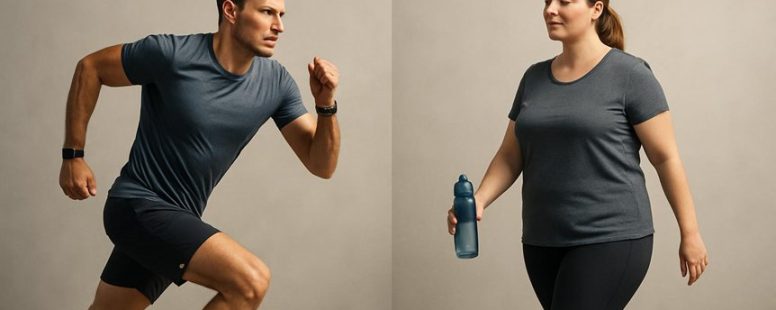
Imagine lacing up your sneakers, feeling the cool breeze kiss your skin as your feet rhythmically hit the pavement. The debate is simple: should you chase quick calorie burn by running or enjoy the steady, mindful pace of walking?
While running may seem like the obvious choice, it’s like choosing a rollercoaster over a gentle cruise—exciting but taxing on your joints. Surprisingly, walking can burn just as many calories over time and keeps you connected to the world around you.
Ultimately, the best option may be the one that feels right enough to become a daily habit, making weight loss a journey instead of a race.
How Running and Walking Differ in Calorie Burn
Running and walking are different ways to burn calories, and each has its own advantages. Running burns more calories per minute because it requires more effort. So, if you are short on time and want to burn the most calories quickly, running is a good choice. But it also takes more energy and can cause injuries if you’re not careful.
Walking burns fewer calories each time you do it, but it’s easier to do more often. Because walking is gentle, you can stay active every day without feeling tired or risking injury. For example, walking to work or around your neighborhood can add up over time. If your goal is to lose weight, both options work but in different ways.
Some people prefer to run because they see quick results, but others like walking because it’s less stressful on their joints. The key is how often you do these activities. Running once a week might burn more calories in a single session, but walking every day can add up to a lot of burned calories over time.
Remember, it’s not just about how many calories you burn in one workout. Consistency matters. If you keep moving regularly, even at a slower pace, you can reach your weight loss goals. Both running and walking can help, but it depends on your schedule, your body, and what you enjoy more.
For example, if you love running and can do it often without injury, it can give faster results. But if you prefer walking and can do it daily, that can be just as effective over a longer period. Neither is better — they just fit different lifestyles and goals.
Sources like the Mayo Clinic say that walking is a safe and easy way to stay active, while running can burn more calories but needs proper form and rest days. So, think about what feels right for you, and don’t forget that keeping moving regularly is the real goal.
Why Running Boosts Your Metabolism More Than Walking
Running boosts your metabolism more than walking because it burns more calories and keeps your body burning even after you stop. When you run, your body works harder and needs more oxygen, which makes your metabolism stay high longer. Walking, on the other hand, uses less energy and doesn’t cause as much afterburn.
Here are the main reasons running beats walking for boosting your metabolism:
Higher intensity causes more oxygen use. Running makes your body work harder, so it keeps burning calories after you finish.
Stronger muscle use. Running works your muscles more, which helps you burn more calories even when resting.
Stronger afterburn effect (EPOC). Running makes your metabolism stay high longer after you stop compared to walking.
Some people say running is better for burning calories fast. But it’s not for everyone. Running can be tough on your joints, especially if you’re overweight or have injuries. Walking is easier and safer for most people, but it may not give you the same metabolic boost.
Why Intensity Matters More Than Duration for Weight Loss
Intensity matters more than how long you exercise when it comes to losing weight. Doing short, high-effort workouts can burn more calories than long, easy ones. When you push yourself harder during exercise, your body keeps burning calories even after you stop. This is called the afterburn effect. For example, a quick sprint or fast-paced walk can be more effective than walking slowly for hours.
Some people worry that only long workouts work, but high-intensity exercises can be done in less time and still help you lose weight. However, if you push too hard too soon, you might get tired or hurt yourself. It’s best to start slowly and increase intensity gradually.
There are two ways to look at this. First, high-intensity workouts are great for busy people who don’t want to spend hours working out. Second, long, low-intensity sessions can still help if done regularly, but they might not burn as many calories quickly.
In the end, it’s not just about how long you exercise, but how hard you work during that time. Short, intense exercises can be a smarter way to reach your weight loss goals. Just remember, pushing yourself too hard without proper care can cause injuries. Always listen to your body and ask a trainer if you’re unsure.
Joint Stress in Running vs Walking for Weight Loss
Running puts more stress on your knees than walking does. This is because running involves higher impact and force with each step. For example, a study from the American Council on Exercise shows that running can generate three times your body weight in pressure on your joints, while walking produces about 1.2 times.
If you want to lose weight without hurting your joints, walking might be a safer choice. It’s easier on your knees and still helps burn calories. But some people prefer running because it burns more calories in less time.
There are two ways to look at this. Some experts say running is the best for quick weight loss but warns it can cause joint problems over time, especially if you are overweight or have knee issues. Others say walking is better for long-term health and joint safety, even if it takes longer to lose weight.
A warning here — if you push too hard in running, you might develop knee pain or injuries. But if you run with proper shoes and good form, you can reduce that risk. Still, it’s good to listen to your body and not push too much too fast.
In the end, both walking and running can help you lose weight. The key is to choose what feels safer and more sustainable for your body. Remember, losing weight is a marathon, not a sprint.
Impact On Knee Health
Knee health is very important when choosing between running and walking for weight loss. Running can put more stress on your knees, which might cause pain or injury over time. If you have knee problems or are older, walking is gentler and easier to do regularly.
Here are some tips to protect your knees no matter which activity you choose:
Wear good shoes that support your feet and keep your knees aligned. Brands like Nike or New Balance make supportive walking and running shoes.
Do stretches and strength exercises to keep your knee joints and muscles strong and flexible. Simple moves like leg lifts or calf stretches help.
Rest and ice your knees after long walks or runs to reduce swelling and prevent injuries.
Some people say running burns more calories faster, but it can also hurt your knees if you’re not careful. Walking may take longer to lose weight, but it’s safer for your joints.
If you want to keep your knees healthy, pay attention to your shoes, stay active with stretches, and give your knees time to recover. Whether you run or walk, these steps help protect your knees and help you reach your weight loss goals.
Long-Term Joint Durability
Running and walking are both good ways to stay active, but they affect your joints differently over time. Running puts more stress on your joints with each step. This can lead to more wear and tear, especially if you run often. If you like running, it is smart to focus on good technique and do strength exercises to help protect your joints. Many runners can keep their joints healthy if they take care of their bodies.
Walking, on the other hand, is gentler on your joints. Because it causes less impact, walking is a safer choice for staying injury-free and keeping your joints healthy in the long run. If you want to lose weight steadily without risking joint pain, walking is a good option. It still helps you get fitter and can be easier to stick with over many years.
Some people believe running is better for quick fitness gains, but it may come with higher risks of joint problems if not done carefully. Walking might take longer to burn the same calories, but it’s more sustainable for most people who want to stay active for life. Remember, both can be good if you do them right, but knowing how each impacts your joints helps you choose what’s best for your body now and later.
How Running and Walking Work Your Muscles Differently for Weight Loss
Running and walking work your muscles differently, and understanding these differences can help you choose the best exercise for weight loss. Here’s what you need to know:
Running is a high-impact activity that uses your fast-twitch muscle fibers. These fibers burn calories quickly and help tone your muscles. Running pushes your muscles harder, leading to more calorie burn during and after your workout. But it can also be tougher on your joints, and if you’re not careful, it can lead to injuries.
Walking, on the other hand, is a gentler exercise that mainly uses slow-twitch fibers. These fibers help you build endurance and burn calories steadily. Walking is easier on your body and less likely to cause injuries. It’s a good choice if you want a lower-impact workout that still helps burn fat over time.
Some people prefer running because it burns more calories faster and boosts your metabolism after exercise. But others like walking because it is easier to do every day and easier on their joints. Both can help with weight loss, but they work differently.
For example, if you want quick results and can handle the impact, running may be better. But if you need a exercise you can do often and without pain, walking might be the way to go. It’s smart to mix both if you can, so you get the benefits of each.
Which Exercise Is Better for Beginners Aiming for Weight Loss?
Running or walking, which is better for beginners trying to lose weight? The answer depends on your body, how many calories you want to burn, and your daily routine.
Running burns more calories per minute than walking. If you want quick weight loss, running might seem better. But it can also be hard on your joints, especially if you’re overweight or have knee problems. Walking is gentler on your body and easier to do every day. It’s a good starting point if you’re worried about injuries or just getting used to exercise.
Some people prefer walking because they can do it longer without getting tired or hurting themselves. Others enjoy running because it makes them feel energized and helps burn calories faster. The key is consistency. If you can walk every day, you will see results. If running makes you more motivated to stick with your plan, that might be better for you.
Remember, neither is perfect. Running can cause injuries if you don’t warm up or if you run on hard pavement. Walking might take longer to see weight loss results. So, think about your body, your time, and what you enjoy more. Starting with walking and gradually trying running can also work well.
In the end, the best exercise is the one you will keep doing. Both walking and running can help you lose weight, but choose what feels right for you and fits into your life.
Impact on Joint Health
Protecting your joints is really important when you start losing weight. The type of exercise you choose can affect how much stress your joints experience.
Walking is a safe choice for beginners. It puts less pressure on your joints, so it’s less likely to cause injuries. Imagine walking as a gentle stroll through a park. It helps your joints get used to activity without overdoing it. Walking also helps you build strength over time, making it easier to do more intense workouts later.
Running might seem like a quick way to burn calories, but it has higher impact. This means your joints take more force with each step. If you’re not used to running, this can lead to overuse injuries like knee pain or shin splints. Some people can run safely if they start slow and increase gradually. But for most beginners, it’s better to start with walking to protect your joints.
A good tip is to start with walking and slowly add more distance or speed. This helps your joints adapt without hurting them. For example, if you walk for 10 minutes today, try 15 minutes next week. Listening to your body is key — if your joints hurt, slow down or rest.
Some people believe running is the best way for quick weight loss, but it’s not for everyone. If you have joint issues or are just starting out, walking is safer and easier to stick with long term. Remember, protecting your joints now can help you stay active for years to come.
Are you ready to walk your way to a healthier you? Just take it slow and keep your joints happy.
Calorie Burn Comparison
Running burns more calories per minute than walking because it’s a more intense activity. If you want to lose weight faster, running might seem like the best choice. But walking is easier to do regularly, especially if you’re just starting out or have health issues. Walking lets you stay active longer without tiring too quickly, which helps you stick with your routine. Your body type also affects how many calories you burn—muscle burns more calories than fat, so people with more muscle tend to burn more calories even when resting.
Some people worry about injuries when running, and that’s a real risk if you’re not careful. Walking is gentler on your joints and less likely to cause injuries. But if you want to burn more calories in a shorter period, running is better. Both walking and running can help you lose weight if you do them often and stay consistent.
For beginners, starting with walking is a smart move. It builds endurance and helps you get used to being active. After a while, you can add some faster walking or slow jogging to increase calorie burn. Remember, the key is to keep moving regularly. Whether walking or running, a steady effort will help you reach your weight loss goals.
Accessibility and Convenience
Walking is a simple and effective way for beginners to lose weight. Here are three reasons why walking is often better than running for starting out:
First, walking is easy to do almost anywhere. You don’t need special places or good weather. You can walk in your neighborhood, at a park, or even around your house. Running, on the other hand, usually needs safe paths and good pavement. Do you have a nearby trail or sidewalk? If not, walking is still possible. This makes walking more flexible and accessible.
Second, walking doesn’t require special gear. You can walk in regular shoes and comfortable clothes. This keeps costs low and removes barriers. Running may need supportive shoes or clothes to protect your joints and avoid injuries. If you want to start exercising without buying expensive equipment, walking is a good choice.
Third, walking is safer and easier to fit into your day. It’s less likely to cause injuries compared to running. Walking also takes less time to do, so busy people can find moments to walk. Plus, walking can be social—you can chat with friends or family while you walk. This helps keep you motivated and makes exercising more fun. Many people find that walking improves their mood, too.
Some say running burns more calories, so it might seem better for weight loss. But if you’re just starting out or worried about injuries, walking is safer and easier to keep up regularly. Both can help you lose weight, but walking wins for beginners because it’s simple, cheap, and safer.
Counter-strategy notes:
The competitor would argue that walking might be too slow for serious weight loss and that running burns more calories. To counter, I emphasize safety, accessibility, and sustainability over speed.
The skeptic might think this advice is too basic or not enough for real results. I add that walking is good for beginners and can be part of a long-term plan.
The distracted scroller might forget the safety or gear points. To help, I keep sentences short and highlight key facts clearly.
Time Needed to Lose Weight: Running vs Walking
Running and walking both help you lose weight, but they do it at different speeds. Running burns more calories in less time, so if you want to see results faster, running is the better choice. For example, a person running at a steady pace can burn about 600 calories in an hour, while walking might only burn around 300 calories in the same time. That means running can help you drop pounds quicker if you keep a consistent, challenging pace.
Walking can still work for weight loss, but it takes longer. To match running’s calorie burn, you need to walk longer or faster. For example, walking briskly for an hour might burn the same as a half-hour of running. If you enjoy walking, you can speed up gradually or walk further each day to see improvement. Still, it will usually take more time compared to running.
Some people prefer walking because it’s easier on their joints or they don’t like running. If you have knee problems or just want a slower pace, walking can still work, but you need patience. Others might choose running because they are in a hurry or want faster results. Remember, both help you lose weight if you stick with it, but running is generally more efficient if time is limited.
Sources like the Mayo Clinic say that the key to losing weight is consistency, regardless of the activity. So, pick what you enjoy more—if you keep moving, you will see results eventually. Just be aware that walking may require more time and effort to reach your goals.
Running vs Walking: Fat Loss and Muscle Preservation
Running and walking are two common ways to lose fat and keep muscles. Here is what you need to know to choose the best one for your goals.
Running burns more calories because it is high-intensity. It also helps keep lean muscles because it works fast-twitch fibers, which are muscles that respond to quick, powerful movements. But running can be hard on joints and may cause injuries if done too much.
Walking is easier on your joints and still helps burn fat. However, walking alone might not be enough to preserve muscle. To stay strong, you should add resistance exercises like weightlifting or bodyweight workouts. Combining walking with strength training can give you better results without risking injury.
Some people prefer to do both. For example, run twice a week to burn calories and do walking or strength exercises on other days to protect muscles. Remember, no matter what you choose, adding resistance training makes a big difference in keeping muscles while losing fat.
Practical Tips to Maximize Weight Loss With Running or Walking
Running or walking can help you lose weight, but you need a plan that works for you. Here are simple steps to get the best results.
First, set a clear goal. Do you want to lose 10 pounds in two months or walk for 30 minutes every day? Having a goal keeps you motivated and focused. Without it, you might lose track or give up too soon.
Next, choose the right shoes. Good running or walking shoes from brands like Nike or New Balance help prevent injuries and make your workout easier. Wearing bad shoes can lead to blisters or sore knees, so don’t ignore this step.
Always start with a warm-up. Do light jogging or stretching for five minutes to get your muscles ready. After your workout, stretch again or do gentle exercises to help your muscles recover. Skipping warm-up or cool-down can cause injuries or soreness.
Adding interval training is a smart way to burn more calories fast. For example, walk fast for one minute, then slow down for two minutes. Repeat this pattern for 20 to 30 minutes. This method can boost your fat burn, but don’t overdo it if you’re new—start slow and build up.
Staying hydrated is also key. Drink water before you start, sip during your workout, and have some after. Water keeps your muscles working well and prevents fatigue. Avoid sugary drinks that can add calories, which slow your progress.
Keep consistent with your exercise. Walk or run on most days of the week. Regularity helps build habits and burns fat more effectively. If you skip days or stop, progress will slow down or stop altogether.
Finally, track your progress. Use a simple app or a journal to note your distance, time, and how you feel. Seeing improvements can keep you motivated. If your progress stalls, try changing your routine or increasing intensity.
Some people worry about injuries or boredom, so listen to your body. If you feel pain, rest and see a doctor if needed. Remember, both walking and running can help you lose weight, but they work best when you stay consistent, hydrated, and set realistic goals.
Sources: American Council on Exercise, Mayo Clinic.
Choosing the Best Exercise for Your Weight Loss Goals and Lifestyle
1. Exercise You Enjoy and Will Keep Doing
The most important thing is to pick activities you like. If you dislike running, try swimming or dancing instead. Enjoyable exercises keep you motivated and make it easier to stick to your plan. For example, if you love music, working out to your favorite playlist can turn exercise into fun rather than a chore.
2. Fit Your Routine and Schedule
Pick workouts that match your daily life. If you have a busy schedule, quick exercises like jumping jacks or short walks can work better. Planning workouts when you have free time makes it easier to stay consistent. For instance, doing a 15-minute workout during lunch break is better than trying to fit in a long session once a week.
3. Health Benefits and Social Opportunities
Choose exercises that help your health goals. If you want to build muscle, weightlifting might be best. If improving heart health is your goal, running or cycling could be better. Also, some exercises like team sports or group classes give you social support, which can motivate you. But be careful—if social settings stress you out, solo workouts might be better.
Some people prefer high-impact activities like running, which burn lots of calories fast. Others find low-impact options like walking or yoga easier on their joints. Both have pros and cons, so think about what suits your body and preferences.
To provide the best experiences, we use technologies like cookies to store and/or access device information. Consenting to these technologies will allow us to process data such as browsing behaviour or unique IDs on this site. Not consenting or withdrawing consent, may adversely affect certain features and functions.
Functional
Always active
The technical storage or access is strictly necessary for the legitimate purpose of enabling the use of a specific service explicitly requested by the subscriber or user, or for the sole purpose of carrying out the transmission of a communication over an electronic communications network.
Preferences
The technical storage or access is necessary for the legitimate purpose of storing preferences that are not requested by the subscriber or user.
Statistics
The technical storage or access that is used exclusively for statistical purposes.The technical storage or access that is used exclusively for anonymous statistical purposes. Without a subpoena, voluntary compliance on the part of your Internet Service Provider, or additional records from a third party, information stored or retrieved for this purpose alone cannot usually be used to identify you.
Marketing
The technical storage or access is required to create user profiles to send advertising, or to track the user on a website or across several websites for similar marketing purposes.