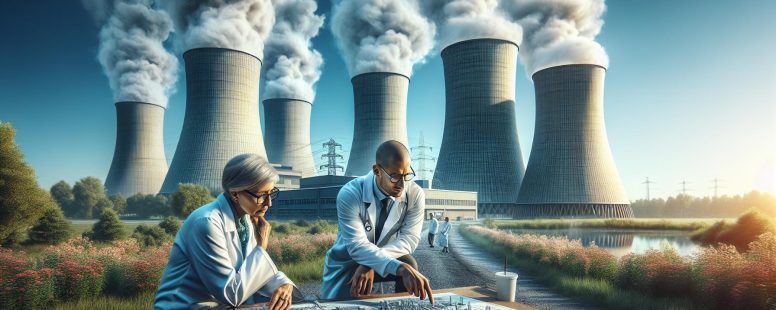
Imagine a world where a single energy source could power entire cities without choking the skies with pollution. Nuclear energy promises just that—a clean, efficient alternative to fossil fuels. Yet, behind its glowing potential lies a shadow of controversy. From its ability to generate massive amounts of electricity to the lingering question of radioactive waste, nuclear energy sparks debates that shape our future.
You might wonder: is harnessing the atom’s power worth the risks? It’s a question that challenges governments, scientists, and everyday people alike. Nuclear energy stands at the crossroads of innovation and caution, offering both incredible benefits and significant drawbacks. Understanding its pros and cons isn’t just about science—it’s about the choices that define our planet’s energy future.
Understanding Nuclear Energy
Nuclear energy generates power through the process of nuclear fission, where atoms are split to release massive amounts of energy. This energy drives turbines, producing electricity at an impressive scale. Unlike fossil fuels, nuclear power plants emit no greenhouse gases during operation, positioning them as a cleaner alternative in the fight against climate change.
Globally, there are over 440 nuclear reactors operating as of 2023, providing about 10% of the world’s electricity. For example, in France, nuclear energy accounts for nearly 70% of its power supply. Yet, concerns about safety, waste management, and the expense of building reactors make it a topic of ongoing debate among policymakers and scientists.
Radioactive waste is a significant challenge. While advanced containment systems, such as deep geological repositories, exist, critics argue they’re not foolproof. Historical incidents, like Chernobyl in 1986 and Fukushima in 2011, underscore the risks and fuel public skepticism. These disasters, although rare, highlight the potential for catastrophic consequences if safety measures fail.
On a more granular level, nuclear energy requires uranium, a finite resource mined in countries such as Kazakhstan, Canada, and Australia. Questions arise about long-term sustainability if global reliance on nuclear grows dramatically. Besides, enriching uranium involves complex technology that can overlap with weapons production, raising concerns about proliferation.
Even though these challenges, advancements in nuclear technology, such as small modular reactors and thorium-based systems, offer promising solutions. Enthusiasts believe these innovations could minimize waste, boost efficiency, and improve safety measures. For instance, thorium reactors avoid many of the risks associated with traditional uranium-based systems, including meltdowns.
Recognizing nuclear energy’s potential and limitations helps you critically assess its role in the future energy mix. Balancing environmental benefits with risk management invites ongoing innovation and collaborative problem-solving across sectors.
Pros Of Nuclear Energy
Nuclear energy offers a range of benefits, particularly in addressing modern energy and environmental challenges. Its ability to generate large-scale electricity without emitting greenhouse gases makes it an attractive option.
Low Greenhouse Gas Emissions
Nuclear power plants emit virtually no greenhouse gases during operation. Unlike fossil fuels such as coal or gas, which release significant carbon dioxide, nuclear energy provides a cleaner alternative. For instance, France, which generates over 70% of its electricity from nuclear, has one of the lowest per capita carbon emissions among industrialized nations. This positions nuclear energy as a pivotal solution in reducing global warming.
High Energy Density
Nuclear energy has an exceptionally high energy density. A small amount of uranium can produce millions of kilowatt-hours of energy compared to the same mass of coal or oil. This means its fuel is efficient and requires minimal resource extraction. For example, one uranium pellet, the size of a fingertip, generates as much energy as a ton of coal. This efficiency reduces logistical challenges and transportation emissions.
Reliability And Consistency
Nuclear power plants operate consistently and provide a stable energy supply. Unlike wind or solar, which depend on weather conditions, nuclear reactors function continuously, operating at over 90% capacity factors on average. This ensures uninterrupted electricity, making it ideal for meeting baseload energy demands. Cities and industries benefit from this reliability, especially in regions with fluctuating renewable energy outputs.
Potential For Advanced Technologies
Innovations in nuclear technology open doors to safer, more sustainable energy systems. Small modular reactors (SMRs) and thorium-based reactors promise reduced waste, lower risks, and enhanced efficiency. Fusion energy, although in experimental phases, holds potential for limitless, clean energy without the long-lived waste associated with current reactors. These advancements could revolutionize energy production if commercialized successfully.
Cons Of Nuclear Energy
While nuclear energy offers significant benefits, several drawbacks create challenges for its widespread adoption.
High Initial Costs
Nuclear power plants require substantial investments. Construction costs often surpass $6 to $9 billion per plant, influenced by complex engineering requirements and stringent safety protocols. These financial barriers, combined with long construction timelines—up to a decade—delay return on investment. For example, the Hinkley Point C project in the UK faced numerous cost overruns, now projected at $35 billion. High initial costs can deter developing nations from adopting nuclear energy.
Long-Term Waste Disposal Challenges
Radioactive waste remains hazardous for thousands of years. Managing this waste often involves secure containment in deep geological repositories, a method not yet globally standardized. For example, the United States developed the Yucca Mountain site, but political opposition halted its progress. Without robust disposal mechanisms, environmental contamination risks increase. Also, temporary waste storage at reactors consumes land and escalates costs.
Risk Of Accidents
Safety concerns stem from past incidents. Catastrophic failures like Chernobyl in 1986 and Fukushima in 2011 caused widespread environmental damage, human casualties, and massive economic losses. Even though modern reactors incorporate advanced safety features, human error or natural disasters still pose threats. For instance, the Three Mile Island incident in Pennsylvania highlighted systemic risks even though minimal radioactive release. Public trust suffers when high-profile accidents occur.
Limited Availability Of Uranium
Uranium, the primary nuclear fuel, is finite. Current reserves could deplete within 90 years if global demand rises. Mining and processing uranium also require significant energy inputs, reducing nuclear energy’s overall sustainability. Countries with limited domestic uranium, like Japan, face supply chain vulnerabilities, increasing dependence on imports. Alternative fuels, such as thorium, are still in research phases, limiting immediate diversification options.
Key Considerations For The Future Of Nuclear Energy
Understanding nuclear energy’s potential requires examining its complex advantages, risks, and evolving role in a changing energy world.
Balancing Benefits And Risks
Nuclear energy remains a double-edged sword. On one side, its ability to produce significant electricity with low emissions makes it a vital low-carbon option. France, for instance, generates over 70% of its electricity from nuclear power. On the other side, reactor accidents like Fukushima cast long shadows over its safety and public trust. If safety measures advance, risks could be mitigated, but unpredictability remains a challenge.
Waste management also complicates this balance. Current storage techniques, such as engineered underground repositories like Finland’s Onkalo facility, offer promise but lack global consistency. High costs of constructing reactors, sometimes exceeding $9 billion, deter investments, particularly in developing economies. These realities necessitate scrutinizing both sides to devise practical strategies.
Role In Combating Climate Change
Nuclear energy could play a critical role in reducing global carbon emissions. Power plants operating without greenhouse gas emissions provide a cleaner alternative to fossil fuels. In 2021, the International Energy Agency (IEA) reported nuclear energy prevented over 2 gigatons of CO2 emissions, showcasing its environmental benefit.
The energy reliability of nuclear plants supports decarbonization efforts. Unlike renewable energy, which depends on weather conditions, nuclear reactors maintain constant electricity production, fulfilling baseload energy needs. But as uranium reserves are finite, ensuring a long-term sustainable fuel supply requires enhanced recycling processes or alternative fuels.
Emerging Innovations In Nuclear Technology
New technologies are reshaping nuclear energy’s future. Small modular reactors (SMRs), for example, offer scalability and reduced costs. Companies like NuScale Power are developing reactors that require smaller infrastructure, making them accessible to smaller markets and less developed regions.
Thorium-based reactors present another innovation. Thorium, more abundant and less weaponizable than uranium, holds potential for safer and longer-lasting nuclear fuel cycles. India has already initiated thorium reactor projects to diversify its energy sources.
Nuclear fusion, a concept long considered unachievable, is also gaining traction. Recent experimental breakthroughs like those at ITER show possibilities of replicating the sun’s energy generation on Earth, offering a virtually inexhaustible, clean power source. These advancements could fundamentally change nuclear energy’s role in the global energy ecosystem.
Conclusion
Nuclear energy stands at the crossroads of opportunity and challenge. Its potential to deliver clean, reliable power on a massive scale is undeniable, offering a critical tool in the fight against climate change. At the same time, concerns about safety, waste management, and long-term sustainability remind you of the complexities involved.
As advancements in technology continue to address existing challenges, nuclear energy could play an even greater role in the global energy mix. Whether you’re a policymaker, scientist, or advocate, understanding both the benefits and risks is essential for making informed decisions about its future.
To provide the best experiences, we use technologies like cookies to store and/or access device information. Consenting to these technologies will allow us to process data such as browsing behaviour or unique IDs on this site. Not consenting or withdrawing consent, may adversely affect certain features and functions.
Functional
Always active
The technical storage or access is strictly necessary for the legitimate purpose of enabling the use of a specific service explicitly requested by the subscriber or user, or for the sole purpose of carrying out the transmission of a communication over an electronic communications network.
Preferences
The technical storage or access is necessary for the legitimate purpose of storing preferences that are not requested by the subscriber or user.
Statistics
The technical storage or access that is used exclusively for statistical purposes.The technical storage or access that is used exclusively for anonymous statistical purposes. Without a subpoena, voluntary compliance on the part of your Internet Service Provider, or additional records from a third party, information stored or retrieved for this purpose alone cannot usually be used to identify you.
Marketing
The technical storage or access is required to create user profiles to send advertising, or to track the user on a website or across several websites for similar marketing purposes.