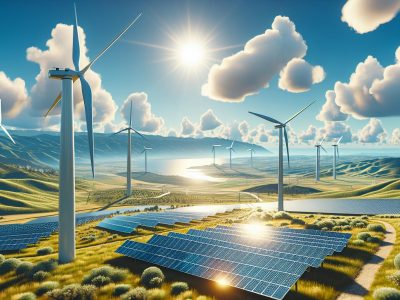
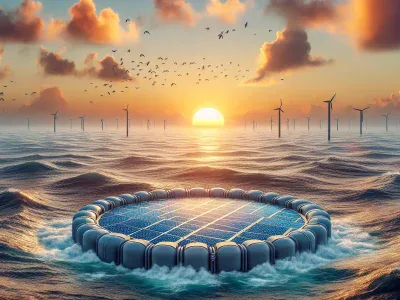
Imagine standing in an open field, the hum of massive turbines slicing through the air as they harness the invisible power of the wind. It’s a sight that feels both futuristic and natural, a perfect blend of technology and Earth’s untamed forces. Wind energy has become a symbol of hope in the fight against climate change, promising clean, renewable power that seems almost too good to be true.
But is it? While wind energy offers undeniable benefits like reduced carbon emissions and sustainable electricity, it’s not without its challenges. From its impact on wildlife to the unpredictability of nature itself, there’s more to this green energy source than meets the eye. Understanding the pros and cons of wind energy can help you see the full picture and decide if this revolutionary power source is really the future we’re looking for.
Overview Of Wind Energy
Wind energy harnesses the kinetic power of moving air to generate electricity. It’s a renewable resource, making it a cornerstone in sustainable energy strategies. Wind turbines, often towering over landscapes, convert wind into mechanical energy using rotor blades attached to a hub. This energy is then transformed into electricity through a generator.
Global wind energy capacity reached over 830 GW by 2022, showcasing its expanding adoption. Countries like China, the United States, and Germany lead in wind power installation, emphasizing its role in their energy mix. Offshore wind farms like the UK’s Hornsea Project One exemplify large-scale, efficient renewable energy production.
Wind’s variability remains one of its primary limitations. Power generation fluctuates due to changes in wind speed, creating challenges for energy grid integration. Advances in battery technology and grid infrastructure are addressing this issue, though it can’t completely eliminate dependence on consistent conditions.
Environmental impact is another consideration. Wind turbines pose risks to avian species and bat populations due to collisions and habitat disruption. For instance, studies from the US Fish and Wildlife Service estimate hundreds of thousands of bird fatalities annually. Mitigating these issues involves turbine placement and technological innovations, like radar-equipped shutdown systems.
Wind energy holds significant potential for reducing greenhouse gas emissions. It enables a transition from fossil fuels, which accounted for 64% of global electricity generation in 2021, to cleaner alternatives. Its scalability and declining costs further solidify its position as a vital tool in combating climate change.
Pros Of Wind Energy
Wind energy offers various advantages, positioning it as a cornerstone of sustainable power generation. Its adoption supports environmental goals while fostering economic and social benefits.
Renewable And Sustainable Resource
Wind, as a resource, is inexhaustible and naturally replenished. Unlike finite fossil fuels, wind energy leverages natural airflow patterns, which won’t depleted over time. For instance, wind speeds in coastal regions and open plains provide consistent power potential. By utilizing this sustainable resource, you minimize reliance on depleting energy reserves.
Low Operating Costs
Wind turbines require minimal operating expenses once installed. Maintenance mainly involves inspecting mechanical parts and lubricating components. Modern turbines, with enhanced reliability, have reduced repair frequencies. Small-scale wind farms often benefit local communities by keeping energy costs stable compared to fluctuating fossil fuel markets.
Reduces Carbon Emissions
Electricity from wind turbines produces no direct greenhouse gas emissions. This clean energy source offsets emissions derived from other methods like coal-burning plants. According to the Global Wind Energy Council (GWEC), operational wind capacities avoided over 1.2 billion metric tons of CO2 emissions in 2022. When scaling wind energy projects, you significantly contribute to combating climate change.
Job Creation In The Renewable Energy Sector
The wind industry has become a robust job creator. It supports positions in turbine manufacturing, installation, and maintenance. For example, the U.S. Bureau of Labor Statistics highlights wind turbine service technicians as one of the fastest-growing professions. By investing in wind, communities often experience economic revitalization, fostering employment in both urban and rural areas.
Cons Of Wind Energy
Evaluating wind energy’s drawbacks provides a balanced perspective for understanding its role in sustainable energy systems.
Intermittency And Reliability Issues
Wind energy depends on consistent wind conditions to generate power effectively. When wind speeds fluctuate, energy output also changes, causing integration challenges for power grids. Unlike fossil fuels, which provide a constant energy supply, wind energy cannot meet electricity demand peaks without supplementary resources. For example, calm weather can lead to unexpected gaps in energy availability, prompting increased reliance on backup systems like gas turbines or large-scale batteries. These remedies, but, introduce additional costs and complexity to infrastructure design.
High Initial Investment
While operating costs for wind turbines remain low, upfront investments can be prohibitively high. Manufacturing, transporting, and installing large turbines requires advanced technology and skilled labor. Offshore wind projects, in particular, often exceed $4,000 per kilowatt in installation expenses, according to the International Renewable Energy Agency. Financing challenges may discourage widespread adoption, especially in developing regions with limited budgets. But, long-term savings, lower fuel costs, and supportive government subsidies can partially mitigate these financial burdens.
Noise And Visual Impact
Some communities oppose wind farms due to their perceived aesthetic and acoustic disturbances. Turbines, especially those arrayed in residential areas, produce mechanical and aerodynamic noise, which residents may find disruptive. Modern turbines have reduced sound emissions, yet concerns persist about their impact on local quality of life. Visually, wind farms can alter landscapes, with critics describing them as intrusive or industrial. For instance, in scenic, rural locations like Tuscany or Colorado, wind farms have sparked debates over preserving natural heritage versus embracing clean energy innovations.
Impact On Wildlife And Environment
Wind turbines significantly affect avian species and ecosystems. Estimates from the U.S. Fish and Wildlife Service indicate that turbines in the U.S. alone kill over 500,000 birds annually. Bats, drawn to turbine airflows, often suffer high mortality rates, posing risks to biodiversity and insect control dynamics. Besides, turbine construction can disrupt habitats, leading to soil erosion or aquatic ecosystem imbalances. Mitigation strategies, like ultrasonic deterrents and improved turbine siting, aim to minimize these impacts, but their efficacy varies across different ecosystems and regions.
Real-World Examples Of Wind Energy Usage
Countries around the world are integrating wind energy to address energy demands while reducing emissions. Wind farms and community experiences highlight wind energy’s successes and challenges.
Successful Wind Farms Around The World
Hornsea Project One off the UK coast became operational in 2019 and generates over 1 GW, powering nearly 1 million homes. This offshore wind farm demonstrates scalability for high-demand regions. Denmark’s Middelgrunden Wind Farm, with 20 turbines near Copenhagen, supplies 40 MW and integrates sustainable energy into an urban framework.
The Gansu Wind Farm in China, often referred to as the “Wind Power Gobi Desert Base,” is part of a project aiming at 20 GW capacity. Currently, with 8 GW, it’s the largest operational wind farm. In the US, Texas leads with its Horse Hollow Wind Energy Center, producing over 700 MW from 420 turbines across 47,000 acres.
Challenges Faced By Communities
In some regions, noise pollution disrupts residential areas near wind farms, as recorded in parts of Germany. Residents in localities like Ontario, Canada, have voiced concerns over “shadow flicker,” a strobing effect from turbine blades. These factors sometimes lead to resistance against new installations.
Farming communities, such as those in Kansas, benefit economically through lease agreements for turbine placement but face land-use conflicts. Coastal communities critique the visual impact of offshore setups like Vineyard Wind in Massachusetts, affecting tourism-dependent economies.
Conclusion
Wind energy stands as a powerful contender in the global shift toward cleaner energy. While it offers immense environmental and economic benefits, its challenges remind you of the complexities involved in adopting renewable solutions. Balancing innovation with sustainability is key to revealing its full potential.
As you consider wind energy’s role in the future, it’s clear that advancements in technology and thoughtful planning will play a crucial part in addressing its limitations. By embracing its possibilities and mitigating its drawbacks, you contribute to a more sustainable and resilient energy future.
To provide the best experiences, we use technologies like cookies to store and/or access device information. Consenting to these technologies will allow us to process data such as browsing behaviour or unique IDs on this site. Not consenting or withdrawing consent, may adversely affect certain features and functions.
Functional
Always active
The technical storage or access is strictly necessary for the legitimate purpose of enabling the use of a specific service explicitly requested by the subscriber or user, or for the sole purpose of carrying out the transmission of a communication over an electronic communications network.
Preferences
The technical storage or access is necessary for the legitimate purpose of storing preferences that are not requested by the subscriber or user.
Statistics
The technical storage or access that is used exclusively for statistical purposes.The technical storage or access that is used exclusively for anonymous statistical purposes. Without a subpoena, voluntary compliance on the part of your Internet Service Provider, or additional records from a third party, information stored or retrieved for this purpose alone cannot usually be used to identify you.
Marketing
The technical storage or access is required to create user profiles to send advertising, or to track the user on a website or across several websites for similar marketing purposes.