Imagine a practice that promises to reset your body, sharpen your mind, and even boost your energy—all by simply refraining from food for a set period. Fasting has been embraced for centuries, woven into cultural rituals and wellness trends alike. But is it truly a miracle solution, or does it come with hidden challenges that could outweigh the benefits?
You might’ve heard of intermittent fasting or water fasting, hailed by some as the ultimate health hack. Yet, behind the glowing endorsements lie questions about its impact on your metabolism, mood, and overall well-being. Whether you’re seeking better focus or weight loss, understanding the pros and cons of fasting is key to deciding if it’s right for you.
What Is Fasting?
Fasting involves voluntarily abstaining from food or, in some cases, both food and drink. It can last for specific periods, ranging from several hours to days. During fasting, you usually restrict calorie intake to allow the body to rely on stored energy sources.
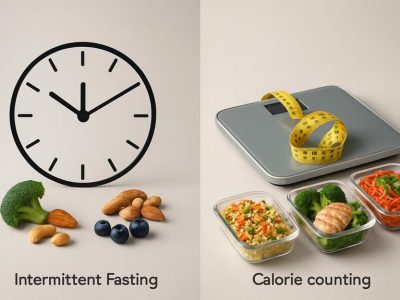
Types of fasting include intermittent fasting, water fasting, and prolonged fasting. Intermittent fasting alternates between periods of eating and fasting (e.g., 16/8 method: fasting for 16 hours, eating in an 8-hour window). Water fasting allows only water consumption, while prolonged fasting lasts more than 24 hours. Each method impacts your body differently.
Fasting timing and purpose matter. Religious fasting, common in traditions like Ramadan or Lent, focuses on spiritual growth. Therapeutic fasting seeks health benefits such as improved metabolism or lower inflammation levels. Lifestyle fasting, often aimed at weight loss, prioritizes diet control and discipline.
Physiologically, fasting triggers metabolic changes. Glycogen stores deplete first, followed by fat breakdown for energy through ketosis. These shifts support claims of enhanced fat burning and energy efficiency. Studies like those from PubMed highlight how fasting alters glucose sensitivity and lipid profiles.
Fasting practices need you to assess personal health and goals. Individuals with medical conditions like diabetes or eating disorders should consult a healthcare professional beforehand.
Types Of Fasting
Fasting comes in diverse forms, each tailored to meet different health, religious, or lifestyle objectives. Understanding these types helps you align your fasting practice with your specific goals.
Intermittent Fasting
Intermittent fasting involves cycling between eating and fasting periods within a day or week. For example, the 16/8 method limits eating to an 8-hour window while fasting for the remaining 16 hours. Another approach, the 5:2 method, includes eating regularly for five days and consuming restricted calories on the other two. These patterns prioritize metabolic flexibility, allowing your body to switch between glucose and fat as energy sources. Studies suggest intermittent fasting supports weight loss and improves insulin sensitivity (Journal of Translational Medicine, 2020). But, skipping meals might lead to fatigue or irritability, especially early in adaptation phases. Modifications to this method make it accessible for beginners or those with tight schedules.
Extended Fasting
Extended fasting lasts more than 24 hours, with durations ranging from 48 to 72 hours or even longer. This strategy is often aimed at deep cellular repair through autophagy, where damaged cells are recycled and eliminated. Therapeutic fasting proponents highlight benefits such as hormone regulation and improved cognitive functions. But, prolonged abstinence from food can cause nutrient deficiencies or excessive cortisol release if done without medical supervision. Hydration is critical during extended fasts to maintain electrolyte balance. Practicing these fasts sporadically and consulting professionals ensures safety and efficacy.
Alternate-Day Fasting
Alternate-day fasting alternates between eating and fasting days, introducing a complete caloric break every other day. Some variations allow small calorie sums on fasting days, such as consuming 500 calories or less. Research identifies alternate-day fasting as effective for lowering cholesterol and reducing visceral fat, provided it’s sustained for weeks (Obesity Society, 2019). Challenges could include difficulty maintaining the pattern in social or professional settings. Adjusting fasting days to align with low-activity schedules helps mitigate inconvenience.
Pros Of Fasting
Fasting offers various physical, mental, and health-related benefits, making it a popular choice for those seeking to improve overall well-being. Specific advantages arise depending on the type and duration of fasting practiced.
Benefits For Weight Management
Fasting supports weight management by promoting calorie deficit and enhancing fat metabolism. Intermittent fasting, for example, helps regulate caloric intake during restricted eating windows, encouraging steady fat loss without significant muscle depletion. A 2015 study in the Journal of Translational Medicine found that intermittent fasting improved body composition in participants over eight weeks.
It boosts metabolic efficiency by triggering ketosis, where stored fats become the primary energy source. In a 48-hour fasting period, glycogen depletion encourages the body to burn fat reserves instead. Examples include alternate-day fasting, which can reduce abdominal fat, a key factor linked to cardiac risks.
Potential Health Improvements
Health markers like insulin sensitivity, cholesterol levels, and inflammation benefit from fasting. Intermittent fasting has been shown to lower fasting glucose (Source: Cell Metabolism, 2014), reducing risks associated with Type 2 diabetes. In prolonged or water fasting, autophagy initiates cellular repair, clearing out damaged cells and regenerating new ones.
Fasting decreases inflammation by lowering oxidative stress. Chronic inflammation contributes to diseases like arthritis and cardiovascular ailments, but fasting suppresses pro-inflammatory cytokine production, improving overall organ functions. But, prolonged periods require careful supervision to avoid imbalances in electrolytes or nutrients.
Mental Clarity And Focus
Fasting enhances cognitive performance by increasing brain-derived neurotrophic factor (BDNF) levels. BDNF supports neuroplasticity, improving focus and memory. Studies on intermittent fasting found higher concentration levels, often attributed to stabilized blood sugar and ketone-based energy.
Mental clarity stems from hormonal shifts like norepinephrine release, which heightens alertness during fasting windows. Practicing intermittent fasting for 14-18 hours provides an optimal range for such effects. Historical figures, including Greek philosophers, reportedly fasted to foster sharp thinking and introspection.
Cons Of Fasting
Fasting is associated with several potential drawbacks that should be considered before incorporating it into your routine. While it offers benefits, it’s essential to account for possible side effects and limitations.
Possible Side Effects
Fasting, especially for prolonged periods, can lead to dizziness, fatigue, and headaches due to low blood sugar levels. For example, individuals who skip meals for extended hours might experience a drop in energy, making it difficult to concentrate or perform daily tasks effectively. It could also trigger mood swings and irritability due to hormonal fluctuations.
Digestive issues like constipation or bloating can occur when regular meal patterns are disrupted. If hydration isn’t maintained appropriately, dehydration may emerge, worsening these effects. Long-term fasting without guidance increases risks like nutrient deficiencies, negatively impacting overall health. Reference studies, such as one published in Nutrition Reviews, indicate that insufficient nutrient intake during fasting periods could impair immune function.
Challenges With Consistency
Maintaining a fasting schedule can be challenging for individuals juggling work, social, and family responsibilities. Adhering to strict fasting windows demands routine adjustments, which may feel restrictive or interfere with social events, like meals with friends or celebrations. For instance, intermittent fasting protocols, such as the 16:8 method, require eating within specific timeframes and skipping traditional meal hours, making it difficult to align with others’ schedules.
Over time, fasting habits can lead to irregular eating patterns, such as binge eating during non-fasting periods, impacting your relationship with food. Emotional stress from the pressure to maintain consistency can result in an unhealthy cycle of guilt and overeating.
Not Suitable For Everyone
Fasting isn’t advisable for certain groups, including pregnant women, children, or individuals with pre-existing medical conditions like diabetes or eating disorders. For example, fasting may cause unstable blood sugar levels in diabetics, leading to hypoglycemia or hyperglycemia, depending on their medication and dietary needs. Pregnant women require consistent nutrition to support fetal development, which fasting disrupts.
Athletes or individuals with physically demanding jobs may find fasting challenging as reduced caloric intake could impair energy levels and recovery. Without proper precautions, fasting may also exacerbate issues like low blood pressure or hormonal imbalances in vulnerable individuals.
Before starting any fasting regimen, it’s critical to consider your medical history and personal health status. Consultation with qualified healthcare providers provides valuable insight into whether fasting aligns with your needs.
Practical Tips For Safe Fasting
Start gradually
Ease into fasting by shortening eating windows or delaying breakfast. For example, begin with a 12-hour fast and extend to 16 hours over days. Abrupt changes can disrupt your energy levels.
Stay hydrated
Drink plenty of water throughout fasting periods. Dehydration can cause headaches or fatigue, so aim for 8-10 glasses daily. Herbal teas and electrolytes can also support hydration.
Choose nutrient-dense meals
Break your fast with a balanced meal containing protein, healthy fats, and complex carbohydrates. Avoid processed foods, as they may lead to sugar spikes and reduce fasting benefits.
Listen to your body
Stop fasting if you experience dizziness, nausea, or intense hunger pangs. Ignoring such signs could harm your health, especially if you’re fasting for long durations.
Plan around your schedule
Align fasting times with work or social commitments. For instance, fast overnight to avoid disruptions during daytime activities. Flexibility ensures consistency without added stress.
Avoid over-exercising
Engage in light activities like walking or yoga while fasting. High-intensity workouts might lead to exhaustion or muscle loss during prolonged fasts.
Consider medical advice
Consult a healthcare provider before starting, especially if you have chronic conditions like diabetes or hypertension. Professional guidance minimizes risks and ensures safe practice.
Common Mistake Alert
Skipping hydration or breaking your fast with junk food are frequent errors. Avoid these to maintain fasting’s positive impact and overall well-being.
Conclusion
Fasting can be a powerful tool for improving your health and well-being when approached thoughtfully and tailored to your needs. By understanding the different types of fasting and their impacts, you can make informed decisions that align with your goals and lifestyle.
Whether you’re seeking physical benefits, mental clarity, or spiritual growth, it’s essential to prioritize safety and listen to your body. Consulting a healthcare professional ensures you’re fasting in a way that’s both effective and sustainable for your unique circumstances.
To provide the best experiences, we use technologies like cookies to store and/or access device information. Consenting to these technologies will allow us to process data such as browsing behaviour or unique IDs on this site. Not consenting or withdrawing consent, may adversely affect certain features and functions.
Functional
Always active
The technical storage or access is strictly necessary for the legitimate purpose of enabling the use of a specific service explicitly requested by the subscriber or user, or for the sole purpose of carrying out the transmission of a communication over an electronic communications network.
Preferences
The technical storage or access is necessary for the legitimate purpose of storing preferences that are not requested by the subscriber or user.
Statistics
The technical storage or access that is used exclusively for statistical purposes.The technical storage or access that is used exclusively for anonymous statistical purposes. Without a subpoena, voluntary compliance on the part of your Internet Service Provider, or additional records from a third party, information stored or retrieved for this purpose alone cannot usually be used to identify you.
Marketing
The technical storage or access is required to create user profiles to send advertising, or to track the user on a website or across several websites for similar marketing purposes.