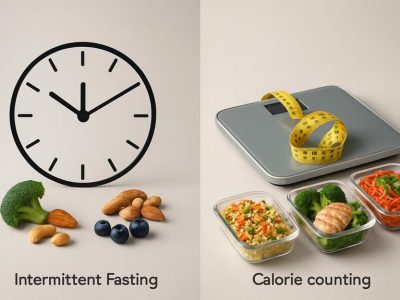
Imagine willingly skipping meals to boost your health versus being forced to endure days without food. Both scenarios involve going without eating, yet the intentions and effects couldn’t be more different. Fasting, a deliberate and often beneficial practice, contrasts sharply with the grim reality of starvation, where survival hangs by a thread. But how do you truly distinguish between the two?
Understanding the difference isn’t just about semantics—it’s about recognizing the boundaries between discipline and desperation. While fasting can rejuvenate your body and mind, starvation depletes and deteriorates. By exploring these distinctions, you’ll uncover how one empowers you while the other endangers your well-being.
Understanding Fasting and Starvation
Fasting and starvation are two distinct physiological states often confused due to their shared connection to food absence. They differ in purpose, duration, and the effects on your body’s systems.
Definition of Fasting
Fasting refers to the voluntary abstinence from food or drink, usually for controlled periods and specific purposes. It’s often adopted for health benefits, religious practices, or personal discipline. For example, intermittent fasting schedules like the 16:8 method limit eating to an 8-hour window daily, promoting weight loss and metabolic health. During fasting, your body relies on stored energy reserves, such as glycogen and fat, while maintaining balance through regulated mechanisms.
According to a 2019 study in the New England Journal of Medicine, fasting can trigger cellular repair processes, including autophagy, where cells remove damaged components. Because fasting is intentional, you can control its duration, hydration levels, and nutrient intake pre-fasting to prevent harm.
Definition of Starvation
Starvation happens when prolonged food deprivation exceeds the body’s adaptive capacity, leading to serious health risks. Unlike fasting, it occurs involuntarily due to external factors like poverty, famine, or neglect. The body, deprived of essential nutrients over an extended period, begins to break down muscle and organ tissues for survival.
An example of severe starvation is observed in malnourished populations during humanitarian crises, where food scarcity forces individuals into life-threatening conditions. Consequences include weakened immunity, organ failure, and increased mortality risk. The World Health Organization (WHO) estimates that 9 million people die annually from hunger-related causes, highlighting starvation’s devastating outcomes.
Key Differences Between Fasting and Starvation
Fasting and starvation differ fundamentally in intent, duration, and impact on health. Understanding these aspects helps distinguish disciplined practices from harmful conditions.
Voluntary vs. Involuntary Process
Fasting is a deliberate, self-controlled decision, often for health, spiritual, or personal reasons. Intermittent fasting, for instance, involves planned meal abstinence. In contrast, starvation occurs when external circumstances, such as poverty or natural disasters, restrict access to food. Choice defines fasting, while necessity underpins starvation.
Duration and Timeframe
The timeframes for fasting and starvation vary significantly. Fasting commonly lasts for a set period, ranging from 12 hours to several days, based on goals like cleansing or weight management. Starvation extends beyond this timeframe, occurring when food unavailability leads to prolonged energy deficits. Short-term fasting can activate metabolic processes, while starvation, lasting weeks or months, depletes the body’s resources entirely.
Effects on the Body
Fasting, when controlled, benefits your body by promoting fat metabolism, enhancing cellular repair through autophagy, and improving insulin sensitivity. Examples include the 16:8 fasting regimen, which balances eating and fasting hours. Starvation, but, results in severe health effects, including muscle wasting and organ failure, as the body consumes vital tissues to meet energy needs. If sustained, starvation can lead to death.
Aspect
Fasting
Starvation
Volition
Voluntary
Involuntary
Duration
Hours to days
Weeks to months
Health Impact
Potentially beneficial
Detrimental and life-threatening
Focusing on intention, duration, and bodily effects clarifies the boundary between fasting’s benefits and starvation’s risks.
Health Implications of Fasting
Fasting interacts with your body’s physiology, potentially offering both positive and negative effects. Its health implications depend on factors like duration, method, and individual health status.
Benefits of Fasting
Fasting supports metabolic health by promoting ketosis, where your body burns fat for energy when glucose is unavailable. Intermittent fasting, for example, enhances insulin sensitivity, reducing the risk of type 2 diabetes. It also promotes cellular repair through autophagy, a process where cells remove damaged components, improving longevity.
Weight management becomes more effective with fasting as it can reduce caloric intake in a structured manner. Health practitioners have reported that fasting helps regulate hunger hormones such as ghrelin, curbing appetite naturally. By boosting human growth hormone (HGH) levels, fasting may also aid lean muscle retention and fat loss.
Many people also experience mental clarity during fasting due to increased production of brain-derived neurotrophic factor (BDNF). Regular fasts can enhance focus and may reduce the risk of neurodegenerative diseases like Alzheimer’s.
Potential Risks of Fasting
Fasting poses challenges, particularly if done improperly or for extended periods. Prolonged fasting can cause nutrient deficiencies, leading to fatigue, dizziness, or weakened immunity. For instance, deficiencies in electrolytes like sodium and potassium can result in muscle cramps and irregular heartbeats.
Certain individuals, like pregnant women or those with pre-existing health conditions, may face adverse effects. Fasting without medical guidance in such cases risks worsening complications like hypoglycemia or disordered eating patterns. Skipping meals chronically may also trigger binge eating behaviors later.
You might experience short-term side effects such as irritability, headaches, or digestive changes during fast adaptation. The risks escalate if hydration is neglected or fasting extends beyond safe limits recommended by healthcare professionals.
Dangers of Starvation
Starvation occurs when your body is deprived of adequate nourishment over an extended period, leading to severe health deterioration. Unlike fasting, which is controlled and temporary, starvation forces the body to consume vital reserves, causing irreversible damage.
Physical and Mental Health Consequences
Prolonged starvation disrupts your physical functions as the body prioritizes survival. Muscle wasting begins as your body breaks down proteins for energy when fat stores are depleted. This leads to weakened muscles, organ failure, and in severe cases, death.
Mentally, starvation induces cognitive decline, confusion, and impaired decision-making due to energy deficits in the brain. Depression and anxiety often escalate under prolonged nutritional deprivation. For example, individuals experiencing famine may struggle with psychological trauma, further worsening their condition.
Nutritional Deficiencies
Starvation strips your body of essential nutrients necessary for proper functioning. When vitamins like B12 are scarce, neurological damage can occur. Lack of iron leads to anemia, causing fatigue and reduced immune response. Bone density decreases due to calcium deficiency, increasing fracture risk.
Real-world evidence highlights starvation’s effects. During historical famines, victims showed extreme malnutrition, brittle bones, and vulnerability to infections. These deficiencies aren’t quickly reversible, even after food access resumes. This illustrates the long-term damage caused by prolonged food scarcity or unintentional fasting limits.
Common Misconceptions About Fasting and Starvation
Fasting and starvation are often confused due to their shared element of food deprivation, but they represent entirely different scenarios with unique impacts on the body and mind. This misunderstanding can lead to misinformation, potentially harming individuals exploring fasting or misjudging the severity of starvation.
All Food Absence Means Starvation
Skipping meals or fasting intermittently doesn’t equate to starvation. Starvation involves prolonged nutrient deprivation causing irreversible harm, while fasting is temporary and structured. For example, intermittent fasting schedules like the 16:8 method involve designated eating windows, supporting metabolic health, whereas malnutrition in prolonged starvation weakens essential functions.
Fasting Causes Nutritional Deficiencies Like Starvation
Properly planned fasting includes hydration and balanced nutrition during eating periods, preventing deficiencies. Starvation depletes vitamin and mineral reserves over time. If dietary gaps are addressed post-fast, fasting can even encourage nutrient optimization through metabolic resets. A study in Cell Metabolism (2019) highlights improved insulin sensitivity in properly managed fasting but not in starvation cases.
Long Fasting Equals Starvation’s Effects
Extended fasting practices (e.g., therapeutic water fasting under medical supervision) differ from uncontrolled starvation. In fasting, the body enters controlled ketosis, utilizing fat stores. In starvation, the body destructively metabolizes muscles and organs to survive. Examples include endurance athletes who fast safely versus famine victims suffering catastrophic health losses.
Both Lead to the Same Cognitive Impairments
Fasting may temporarily affect mood or concentration but often boosts mental clarity via ketone production. Contrarily, starvation damages neural pathways, impairing cognitive function long term. Historical records from famine-stricken populations illustrate the severity of starvation’s impact compared to the benefits reported by fasting practitioners.
By recognizing these misconceptions, you can better differentiate fasting’s structured benefits from the existential threats posed by starvation. This distinction is vital for making informed dietary decisions that safeguard health.
Conclusion
Understanding the distinction between fasting and starvation is essential for making informed choices about your health. Fasting, when approached responsibly, can offer numerous benefits, from improved metabolic health to enhanced mental clarity. On the other hand, starvation is a harmful and involuntary state with devastating physical and mental consequences.
By recognizing the differences in intent, duration, and impact, you can better navigate practices like fasting while avoiding the risks associated with prolonged food deprivation. Prioritize your well-being by staying informed and ensuring your approach to food aligns with your health goals.
To provide the best experiences, we use technologies like cookies to store and/or access device information. Consenting to these technologies will allow us to process data such as browsing behaviour or unique IDs on this site. Not consenting or withdrawing consent, may adversely affect certain features and functions.
Functional
Always active
The technical storage or access is strictly necessary for the legitimate purpose of enabling the use of a specific service explicitly requested by the subscriber or user, or for the sole purpose of carrying out the transmission of a communication over an electronic communications network.
Preferences
The technical storage or access is necessary for the legitimate purpose of storing preferences that are not requested by the subscriber or user.
Statistics
The technical storage or access that is used exclusively for statistical purposes.The technical storage or access that is used exclusively for anonymous statistical purposes. Without a subpoena, voluntary compliance on the part of your Internet Service Provider, or additional records from a third party, information stored or retrieved for this purpose alone cannot usually be used to identify you.
Marketing
The technical storage or access is required to create user profiles to send advertising, or to track the user on a website or across several websites for similar marketing purposes.