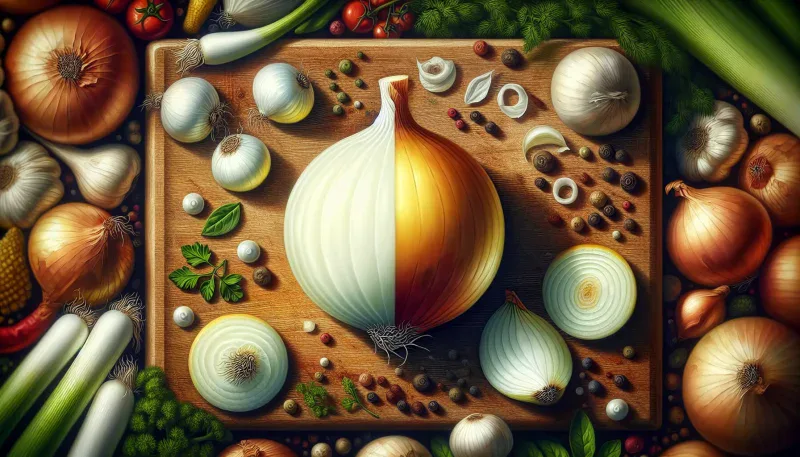
Difference Between White and Yellow Onions: Flavor, Uses, Nutrition, and Storage Tips

EllieB

Picture the sizzle of onions hitting a hot pan—the aroma fills your kitchen, promising something delicious. But as you reach for that familiar bulb, do you ever wonder if your choice truly matters? White and yellow onions may look similar, yet each holds secrets that can transform your next dish.
Choosing between the two isn’t just about color. It’s about unlocking layers of flavor, texture, and e

Difference Between White and Red Wine: Key Characteristics, Flavors, Pairings, and Health Benefits

EllieB

Picture this: a candlelit dinner, the clink of glasses, and the swirling hues of wine catching the light. But as you reach for a bottle, do you ever wonder what truly sets white wine apart from red? Beyond their striking colors, these two beloved beverages hold distinct flavors, aromas, and even stories that make each sip unique.
From the crisp, refreshing notes of a chilled Sauvignon Blanc to the

Difference Between White and Brown Eggs: Myths, Nutrition, and Cost Explained

EllieB

When you stroll through the egg aisle, do you ever wonder why some eggs are white while others are brown? It’s easy to assume one might be healthier or tastier than the other, but is that really the case? These seemingly simple shells hold more mystery than you might think, and the truth behind their differences might surprise you.
From breakfast tables to baking recipes, eggs are a staple in your

Difference Between Whiskey, Scotch, and Bourbon: A Guide to Flavors, Origins, and Traditions

EllieB

Picture yourself in a dimly lit bar where amber liquid glimmers in crystal glasses and the air hums with stories waiting to be told. You lift a glass—oak, caramel, and a hint of smoke swirl beneath your nose. But is it whiskey, Scotch, or bourbon? The names roll off the tongue like old friends yet each carries a world of history and flavor that can surprise even seasoned drinkers.
Choosing between

Difference Between Whiskey and Scotch: Key Origins, Ingredients, and Flavor Profiles Explained

EllieB

Picture this: you’re at a bar, scanning the menu, and the words “whiskey” and “scotch” catch your eye. They sound familiar, maybe even interchangeable, but are they really the same? If you’ve ever wondered what sets these two amber-hued spirits apart, you’re not alone. Their rich history and distinct characteristics make them both fascinating and a little confusing to unravel.
Whiskey and scotch m

Difference Between Whiskey and Bourbon: Key Facts to Know Before Your Next Drink

EllieB

Picture this: you’re at a bar, scanning the menu, and the bartender asks if you’d like whiskey or bourbon. You pause, wondering—aren’t they the same thing? The truth is, while they might share a family resemblance, whiskey and bourbon are far from identical. Their differences go beyond just a name; they’re rooted in history, ingredients, and even geography.
Every sip tells a story, and understandi

Difference Between Whipping Cream and Heavy Cream: Which One Should You Use?

EllieB

Picture this: you’re in the middle of baking the perfect dessert, and the recipe calls for cream. You pause, staring at the options—whipping cream and heavy cream. They look the same, sit side by side on the shelf, but are they really interchangeable? The answer might surprise you.
Understanding the subtle differences between these two creamy staples can elevate your cooking and baking game. Wheth

Difference Between Where and Were: Clear Examples and Usage Tips

EllieB

Imagine you’re crafting the perfect sentence, but a tiny mix-up between “where” and “were” throws everything off. These two small words may seem harmless, but their misuse can change the meaning of your message entirely. Whether you’re writing an email, a social media post, or an essay, understanding their distinct roles is essential for clarity and confidence in your writing.
“Where” points to a

Difference Between WHERE and HAVING Clause in SQL: Key Uses and Examples

EllieB

Picture sifting through rows of data, searching for precision and clarity to answer your query. In SQL, mastering the art of filtering is essential, but knowing when to use a WHERE clause versus a HAVING clause can feel like untangling a web. These two might seem interchangeable at first glance, yet they serve distinct purposes that could make or break your query’s effectiveness.