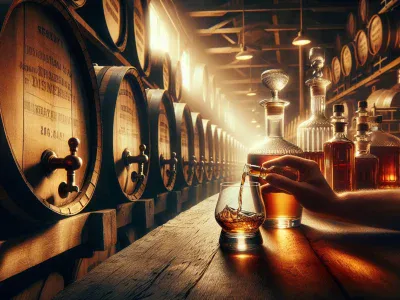
Picture this: you’re at a bar, scanning the menu, and the words “whiskey” and “scotch” catch your eye. They sound familiar, maybe even interchangeable, but are they really the same? If you’ve ever wondered what sets these two amber-hued spirits apart, you’re not alone. Their rich history and distinct characteristics make them both fascinating and a little confusing to unravel.
Whiskey and scotch might share a family tree, but their differences lie in their roots—literally and figuratively. From the grains that shape their flavor to the regions that define their identity, each sip tells a unique story. Whether you’re a casual drinker or a budding connoisseur, understanding these nuances will elevate your appreciation for both. So, what truly separates whiskey from scotch? Let’s immerse and demystify these iconic spirits.
What Is Whiskey?
Whiskey is a distilled alcoholic beverage made from fermented grain mash. Its rich history and global popularity make it one of the most celebrated spirits worldwide.
Origin And History Of Whiskey
Whiskey’s origins trace back to the early Middle Ages, with evidence of distillation by monks in Ireland and Scotland during the 15th century. The word “whiskey” comes from the Gaelic term “uisce beatha,” meaning “water of life.” By the 17th century, whiskey production expanded, and it became a cornerstone of cultural traditions in both Ireland and Scotland. Over time, regions like the United States, Canada, and Japan have developed their unique styles of whiskey.
Common Types Of Whiskey
Bourbon: Primarily produced in the United States, this whiskey uses at least 51% corn in its mash bill. Bourbon is known for its caramel and vanilla notes.
Rye Whiskey: Made with at least 51% rye, it offers a spicier flavor profile. Rye whiskey is popular in Canada and the United States.
Irish Whiskey: Distilled at least three times using malted and unmalted barley, Irish whiskey is smooth and light, often with hints of fruit or honey.
Scotch Whisky: Originating in Scotland, this uses barley malt and ages for a minimum of three years in oak casks.
Japanese Whisky: Modeled after Scotch whisky, Japanese whisky combines craftsmanship with delicate flavors like fruit and smoke.
Tennessee Whiskey: Similar to bourbon but undergoes the Lincoln County Process, filtering the spirit through charcoal before aging.
Key Ingredients And Production Process
Whiskey production begins with grains like barley, corn, rye, or wheat, depending on the style. Once the grains are mashed and mixed with hot water, enzymes convert starches into fermentable sugars to create a sweet liquid called “wort.” Yeast is added to ferment the wort into alcohol, producing a liquid known as “wash.”
The wash is distilled, typically in copper pots or column stills, to increase alcohol content. The distillate is then aged in wooden barrels, with the choice of wood and aging time heavily influencing the final flavor. For example, bourbon requires new charred oak barrels, while Scotch primarily uses used barrels previously holding sherry or bourbon.
What Is Scotch?
Scotch refers to a specific type of whiskey that originates exclusively from Scotland. It’s one of the most recognized spirits worldwide, known for its complex flavors and strict production standards.
Origin And History Of Scotch
Scotch whisky has its roots deeply embedded in Scottish history. The earliest documented production dates back to 1494, mentioned in Exchequer Rolls. The distillation techniques were likely introduced by monks who adapt methods for preserving grains as alcohol. By the 17th century, Scotch production was a significant trade, even though strict taxation and illegal distilleries operating across the Highlands.
The Scotch Whisky Act of 1988 standardized regulations, setting the foundation for its global recognition. Authentic Scotch whisky must be distilled and matured in Scotland for at least three years in oak barrels, aligning its identity firmly with its origin.
Types Of Scotch
Scotch falls into five primary categories:
Single Malt Scotch – Made from malted barley at a single distillery.
Single Grain Scotch – Uses malted barley with other grains but from one distillery.
Blended Malt Scotch – Combines malt whiskies from two or more distilleries.
Blended Grain Scotch – Mixed grain whiskies from multiple distilleries.
Blended Scotch Whisky – A blend of malt and grain whiskies, the most popular globally.
For example, Glenfiddich is a famous single malt, while Johnnie Walker represents blended Scotch. Each type provides a distinctive flavor profile, such as the smoky peat of Islay malts or the sweeter notes of Lowland whiskies.
Unique Characteristics Of Scotch Production
Scotch production adheres to strict guidelines. It must contain water and malted barley, with additional grains allowed for specific varieties. The process involves malting, mashing, fermentation, distillation, and aging.
One hallmark of Scotch lies in its regional variations. Islay Scotch is known for its smoky flavor due to peat-dried malt, while Speyside Scotch offers fruitier and lighter notes. Aging in oak barrels previously used for sherry or bourbon adds depth to its flavor.
Scotch’s maturation relies heavily on Scotland’s climate. Cooler temperatures slow the aging process, allowing the spirit to develop layers of complexity. A single cask can result in significantly different profiles depending on its location and duration of aging.
Key Differences Between Whiskey And Scotch
Understanding the distinctions between whiskey and scotch starts with their origin, ingredients, and unique production processes. These elements shape their identities within the broader category of distilled spirits.
Production Region
Whiskey is crafted in various countries, including the United States, Ireland, Canada, Japan, and Scotland. Each region brings cultural influences and climate variations that impact the final product. For instance, bourbons come from the U.S., while Irish whiskey reflects Ireland’s distilling traditions.
Scotch comes exclusively from Scotland. It’s legally mandated in the Scotch Whisky Act of 1988 that Scotch must be distilled and matured in Scotland for at least three years. This geographic constraint gives Scotch a distinctly regional identity, with areas like Speyside, Islay, and the Highlands contributing unique flavor nuances.
Ingredients And Flavor Profiles
Whiskey encompasses diverse grains such as corn, rye, barley, and wheat. For example, bourbon primarily uses a corn base, resulting in sweet undertones, while rye whiskey offers a spicier profile. Ingredients vary based on the type and regional style.
Scotch primarily relies on malted barley, aligning with traditional Scottish distilling methods. Peat, a natural resource in Scotland, often flavors many Scotch whiskies, imparting smoky, earthy characteristics. Speyside Scotch, for example, is renowned for fruity and floral notes, while Islay Scotch delivers intense smokiness.
Aging Process And Labeling Standards
Whiskey aging varies significantly. Bourbon typically ages in new charred oak barrels, requiring at least two years to be labeled “straight.” Meanwhile, Irish whiskey must age a minimum of three years, contributing to its smoother texture.
Scotch adheres to strict aging standards under the Scotch Whisky Act, with a minimum three-year maturation in oak casks. Labels often specify age statements like “12-Year-Old” or “18-Year-Old,” affecting consumer expectations. Older Scotch tends to have richer, more complex flavors due to prolonged barrel interactions.
How To Choose Between Whiskey And Scotch
Selecting between whiskey and Scotch depends on your taste preferences and the occasion. Consider flavor, regional influences, and food pairings for a more informed choice.
Personal Taste Preferences
Your flavor preferences play a significant role when deciding between whiskey and Scotch. Whiskey offers a diverse range of flavor profiles. Bourbon provides sweeter notes, rye has a spicier kick, and Irish whiskey delivers a smooth, light finish. Examples like Tennessee whiskey or Japanese whisky showcase regional nuances, from smoky to delicate.
Scotch features distinct layers of flavor, primarily influenced by its Scottish origins. If you enjoy smoky, peaty flavors, you might appreciate an Islay Single Malt like Laphroaig. For a more subtle, fruit-forward taste, Speyside options like Glenfiddich or Glenlivet could appeal to you. The use of malted barley and regional water imparts these nuanced characteristics.
Remember, price often correlates with the quality and aging of both whiskey and Scotch. Higher-aged Scotch or small-batch bourbon may deliver more complexity but requires a more substantial investment.
Occasions And Pairing Suggestions
Your choice may also vary based on the event or meal you’d like to pair it with. Whiskey’s bold flavors complement robust dishes, such as barbecued meats or rich desserts like pecan pie. For instance, pairing a smoky Tennessee whiskey with grilled ribs enhances their flavors.
Scotch’s versatility caters to a range of pairings, from cheeses to seafood. A rich Highland Scotch like Dalmore pairs beautifully with dark chocolate. Conversely, lighter Scotches like Glenkinchie harmonize with smoked salmon or creamy cheeses.
For casual settings, bourbon-based cocktails, such as an Old Fashioned or Mint Julep, work well. Scotch, often enjoyed straight or on the rocks, suits more formal occasions by highlighting its intricate craftsmanship.
Conclusion
Understanding the difference between whiskey and Scotch allows you to appreciate the craftsmanship and history behind each spirit. Whether you’re drawn to the diverse flavors of whiskey or the refined complexity of Scotch, your choice eventually comes down to personal taste and occasion.
Exploring these distinctions not only enhances your enjoyment but also helps you make more informed decisions when selecting a bottle or pairing it with food. So next time you’re savoring a glass, you’ll know exactly what sets it apart and why it’s special.
To provide the best experiences, we use technologies like cookies to store and/or access device information. Consenting to these technologies will allow us to process data such as browsing behaviour or unique IDs on this site. Not consenting or withdrawing consent, may adversely affect certain features and functions.
Functional
Always active
The technical storage or access is strictly necessary for the legitimate purpose of enabling the use of a specific service explicitly requested by the subscriber or user, or for the sole purpose of carrying out the transmission of a communication over an electronic communications network.
Preferences
The technical storage or access is necessary for the legitimate purpose of storing preferences that are not requested by the subscriber or user.
Statistics
The technical storage or access that is used exclusively for statistical purposes.The technical storage or access that is used exclusively for anonymous statistical purposes. Without a subpoena, voluntary compliance on the part of your Internet Service Provider, or additional records from a third party, information stored or retrieved for this purpose alone cannot usually be used to identify you.
Marketing
The technical storage or access is required to create user profiles to send advertising, or to track the user on a website or across several websites for similar marketing purposes.