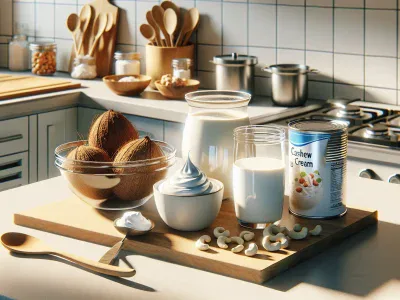
Picture this: you’re in the middle of baking the perfect dessert, and the recipe calls for cream. You pause, staring at the options—whipping cream and heavy cream. They look the same, sit side by side on the shelf, but are they really interchangeable? The answer might surprise you.
Understanding the subtle differences between these two creamy staples can elevate your cooking and baking game. Whether you’re crafting a luscious whipped topping or a velvety sauce, knowing which cream to choose ensures the ideal texture and flavor. So, what sets them apart, and how does it impact your culinary creations? Let’s unravel the mystery behind these creamy contenders.
What Is Whipping Cream?
Whipping cream is a type of dairy product with moderate fat content. It’s commonly used to add lightness and a smooth texture to a variety of culinary dishes.
Characteristics Of Whipping Cream
Whipping cream typically contains 30-36% milk fat. This fat level provides enough structure for the cream to hold soft peaks when whipped, but less stability compared to heavy cream. Its lower fat content makes it lighter and slightly less rich.
Whipping cream’s texture is silky and aerates easily when whipped. It’s less dense, which results in a lighter final product. The flavor is slightly sweet, with a subtle creaminess, enhancing desserts and beverages.
Common Uses Of Whipping Cream
Whipping cream is versatile in culinary applications. It’s widely used in desserts like mousse, frosting, or pie toppings. For instance, whipped cream pairs perfectly with cakes or fresh fruit, adding an airy component.
Beverage enhancements often include whipping cream. Baristas use it for topping hot chocolate or lattes, creating a creamy layer that blends into the drink. Its mild sweetness complements both hot and cold drinks effectively.
Cooking sauces sometimes involve whipping cream. If you’re preparing light pasta sauces or soups, whipping cream adds creaminess without overpowering other ingredients.
What Is Heavy Cream?
Heavy cream, also known as heavy whipping cream, is a rich dairy product with a high-fat content of at least 36%. This fat percentage gives it a thicker consistency and greater stability, making it a versatile ingredient in various recipes.
Characteristics Of Heavy Cream
Heavy cream contains more than 36% milk fat, distinguishing it from lighter creams like whipping cream. Its higher fat content allows it to whip into firm peaks and maintain the structure longer, even in demanding recipes. The texture is dense and creamy, with a neutral taste that complements both sweet and savory dishes.
Heavy cream resists curdling when exposed to high heat, a quality that makes it suitable for cooking. Unlike whipping cream, it creates a richer mouthfeel in sauces and soups. It’s also the preferred choice for recipes requiring a stable base, such as ganache or quiche fillings.
Common Uses Of Heavy Cream
Heavy cream is ideal for heavy-duty tasks in baking and cooking. It’s a staple in recipes like Alfredo sauce, cream-based soups, and creamy pasta dishes. Chefs use it in desserts like custards and ice creams due to its luxurious texture and stable fat content.
Heavy cream enhances beverages like coffee-based drinks or thick milkshakes, creating a creamy finish. For baking, it’s often combined with powdered sugar to make dense whipped toppings for cakes and pies. It can also serve as a base for butter production when churned extensively.
Key Differences Between Whipping Cream And Heavy Cream
Understanding the differences between whipping cream and heavy cream helps you choose the right ingredient for your dish. Their distinct characteristics impact texture, fat content, and culinary uses.
Fat Content Comparison
Whipping cream has a fat content ranging from 30% to 36%. Heavy cream, on the other hand, contains at least 36% milk fat, which is slightly higher. This difference in fat percentage affects both stability and usage. For instance, heavy cream’s higher fat makes it better for recipes like ganache or piping whipped cream decor, where firmness is key. Whipping cream works better when a lighter consistency is preferred.
Texture And Consistency
Whipping cream produces soft peaks upon being whipped. It feels airy and light, suitable for toppings like whipped cream on pies or hot beverages. Heavy cream whips into thick, stable peaks due to its denser consistency, making it ideal for layered desserts or butter production. If you’re looking for a creamy yet delicate touch, go for whipping cream; for richness and reliability, stick with heavy cream.
Cooking And Baking Applications
Whipping cream’s versatility allows usage in desserts like trifles and frostings alongside enhancing soups and lighter sauces. Heavy cream excels in recipes requiring heat stability, such as alfredo sauce or caramel. Unlike whipping cream, heavy cream resists curdling at high temperatures, making it irreplaceable in certain savory dishes. Desaerts like panna cotta or ice cream also rely heavily on the fat structure of heavy cream for their textures.
How To Choose The Right Cream For Your Recipe
Choosing between whipping cream and heavy cream depends on your recipe’s texture and stability requirements. Whipping cream works well for dishes that need lightness and softness, such as fruit-topped pavlovas or fluffy mousse. But, if you’re making a rich, heat-stable dish like Alfredo sauce or dense buttercream frosting, heavy cream offers the consistency you need.
Consider Fat Content
When the recipe demands delicate and airy results like whipped toppings, choose whipping cream due to it’s 30-36% fat content. Meanwhile, for recipes requiring firm structure or high-fat content like ice cream, opt for heavy cream with at least 36% fat.
Analyze Stability Needs
Heavy cream provides better stability during whipping. Use it for intricate designs, piping cake decorations, or ganache. Whipping cream, being less stable, is better for casual desserts or beverages like lattes.
Account For Heat Resistance
For hot dishes, heavy cream won’t curdle at high temperatures, making it great for creamy soups and baked sauces. Whipping cream, less heat-stable, is better for room-temperature or cold desserts.
Match the cream’s properties to your recipe’s demands—this ensures consistent flavor and structure in your culinary creations.
Conclusion
Understanding the differences between whipping cream and heavy cream empowers you to make better choices in the kitchen. Whether you’re aiming for light and airy textures or rich and stable results, selecting the right cream ensures your recipes turn out just as you envision. By considering factors like fat content, stability, and heat resistance, you can elevate your culinary creations and achieve the perfect balance of flavor and texture every time.
To provide the best experiences, we use technologies like cookies to store and/or access device information. Consenting to these technologies will allow us to process data such as browsing behaviour or unique IDs on this site. Not consenting or withdrawing consent, may adversely affect certain features and functions.
Functional
Always active
The technical storage or access is strictly necessary for the legitimate purpose of enabling the use of a specific service explicitly requested by the subscriber or user, or for the sole purpose of carrying out the transmission of a communication over an electronic communications network.
Preferences
The technical storage or access is necessary for the legitimate purpose of storing preferences that are not requested by the subscriber or user.
Statistics
The technical storage or access that is used exclusively for statistical purposes.The technical storage or access that is used exclusively for anonymous statistical purposes. Without a subpoena, voluntary compliance on the part of your Internet Service Provider, or additional records from a third party, information stored or retrieved for this purpose alone cannot usually be used to identify you.
Marketing
The technical storage or access is required to create user profiles to send advertising, or to track the user on a website or across several websites for similar marketing purposes.