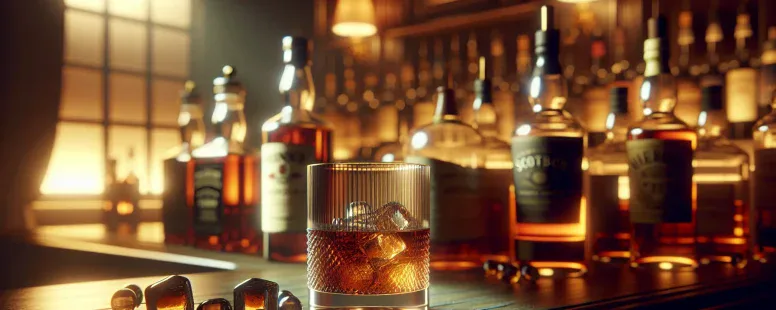
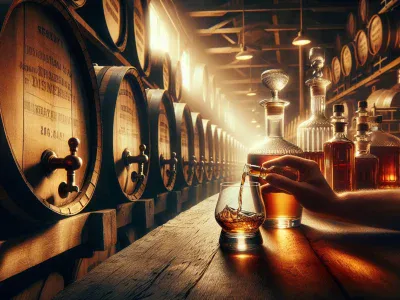
Picture yourself in a dimly lit bar where amber liquid glimmers in crystal glasses and the air hums with stories waiting to be told. You lift a glass—oak, caramel, and a hint of smoke swirl beneath your nose. But is it whiskey, Scotch, or bourbon? The names roll off the tongue like old friends yet each carries a world of history and flavor that can surprise even seasoned drinkers.
Choosing between these iconic spirits isn’t just about taste—it’s about unlocking secrets of tradition, craftsmanship, and even geography. Discovering the differences can turn a casual sip into a sensory adventure and transform your next gathering into a conversation starter. Immerse and you’ll find more than a drink—you’ll uncover a passport to cultures and experiences as rich as the spirits themselves.
Understanding Whiskey: The Basics
Whiskey includes a whole family of spirits, all crafted with grain mashes and aged in oak barrels. You probably notice that every whiskey bottle tells a story—Scotland’s heather winds, Kentucky’s humid summers, Ireland’s rolling pastures; all these places leave their mark on the amber liquid inside the bottle. What brings these together? Distillers, everywhere rely on grain, water, yeast, time, and wood—those five humble ingredients.
Think about your last time at a bar with friends. Someone handed you a glass with rich caramel color, smoky scent rising, and a heat that warms from your tongue to your toes. You might’ve wondered: Why do some whiskeys taste like sweet vanilla, and some like burnt toast? The answer’s in how the grains get mashed, which casks are used, and how long they sit in silence before seeing the light.
Curious about labels? ‘Whiskey’ is an umbrella term that covers many styles: American bourbon, Scottish Scotch, Irish whiskey, Canadian rye, and even Japanese renditions. Each region uses distinctive grains for their whiskies, like corn for bourbon and barley for Scotch. The process for American bourbon, for example, legally requires at least 51% corn (United States Alcohol and Tobacco Tax and Trade Bureau). Scotch, in contrast, comes strictly from malted barley, often imparting that earthy, smoky profile after peat fires smolder underneath drying grains.
Let’s raise a glass to the casks! Oak barrels aren’t just storage—they’re the alchemists, infusing spirits with vanilla, caramel, and spice as years pass. Some say that, if you listen close, you can almost hear the angels taking their share from the barrel.
Which grain has the boldest flavor? How does the water in the Highlands compare with Kentucky spring water? Exploring the building blocks of whiskey means you’ll never sip blindly again. Next time, looking at your glass, you might picture hands harvesting rye, coopers setting fire to new barrels, and years rolling by in dusty warehouses. Every whiskey bottle—no matter where it’s from—holds a unique story waiting for you to uncork.
What Sets Scotch Apart?
Scotch grabs your senses before it even touches your lips. You might wonder why a golden glass from the Scottish Highlands feels worlds apart from whiskey pouring out of Kentucky or Ireland. If your glass could talk, it’d share stories of ancient peat bogs and misty lochs, echoes of bagpipes blending with traditions older than most buildings in New York.
Geographic Origins
Authenticity begins with the land. Scotch traces its roots deep in Scotland’s rolling hills, from Speyside’s barley fields to Islay’s rugged coastlines. Only distillates produced and aged in Scotland can use the name “Scotch,” per the Scotch Whisky Regulations 2009 (scotch-whisky.org.uk). Compare that with bourbon, born and raised in the American South—chiefly Kentucky—using its own strict standards. Regions inside Scotland—like Highlands, Lowlands, Islay, and Speyside—bring unique quirks. For example, Speyside Scotch shows off fruity, floral tones, while Islay drams burst with smoky peat, shaped by the salty air. So next time you sip, ask yourself: What landscapes shaped this spirit in your glass?
Production Methods
Traditions cling to every drop. Scotch distilleries use malted barley as their primary grain, unlike bourbon, where corn dominates. Mashing happens slowly, with time and patience guiding each decision. Peat, an ancient soil of decaying plants, seeps into the drying barley in places like Islay, lending smoky depths you won’t mistake. Double distillation in copper pot stills reigns in Scotland, where bourbon often takes to a column still. Age matters, too—Scotch need at least three years in oak casks, usually old sherry or bourbon barrels, while bourbon starts fresh with new charred American oak. Check a bottle’s label, and you’ll see these rules spell character into every ounce.
Flavor Profiles
Personality shines through every sip. Scotch greets you with flavors shaped by barley, climate, and cask—layers of smoke, vanilla, dried fruit, or honey that linger long after swallowing. Try a Laphroaig or Ardbeg from Islay—smoke, seaweed, and iodine leap out like a stormy shore. Pour Speyside’s Glenlivet or Macallan, and sweet malt mingles with apple, toffee, and spice. Compare that to bourbon’s caramel and oak, or Irish whiskey’s soft cereal notes, and you’ll taste why Scotch commands devotion. Do friends ever debate—is Scotch just smokier, or is there more? The answer’s in the glass: centuries, climate, and casks have given Scotch its untamed heart, making your sipping journey more than a drink, but a taste of Scottish time.
Bourbon: An American Classic
Bourbon stands apart in American whiskey lore, telling stories of cornfields and charred oak as rich as the amber liquid itself. Every time you pour a glass, you’re connecting with decades of innovation, legal battles, and regional pride.
Distillation and Ingredients
You’ll spot bourbon by its high corn content, usually 70% or more, with rye, barley, or wheat playing backup. Kentucky’s limestone water filters out iron, boosting clarity and flavor, but you can find great bourbon all over the US. Distillers ferment the mash, then distill to no more than 160 proof; the new spirit, called “white dog,” enters fresh oak barrels at 125 proof or less. Picture temperature swings in old rickhouses coaxing the liquid deep into the staves; each summer breathes vanilla and caramel into the bourbon’s heart.
Ask yourself—could a Tennessee whiskey ever taste the same if you swapped its recipe for a Kentucky one? Jack Daniel’s uses “Lincoln County Process” (charcoal filtering), while Buffalo Trace skips this Southern flourish. Intricate choices, like yeast strains or barrel size, means no two bourbons tell the same story. For example, Maker’s Mark swaps rye for red winter wheat, giving it softness others lack.
Legal Requirements
You may think bourbon’s an open canvas, but federal law acts as the artist’s frame. For a whiskey to earn the “bourbon” title (27 CFR § 5.22), it must:
Use mash bill with at least 51% corn (e.g., Evan Williams, Wild Turkey)
Distill below 160 proof (80% ABV)
Enter new, charred American oak barrels at no more than 125 proof (62.5% ABV)
Bottle at 80 proof (40% ABV) or higher (see Maker’s Mark, Woodford Reserve)
Exclude additives—only water allowed to cut proof
Surprisingly, bourbon needn’t come from Kentucky or even America by law, but only US-made spirits can bear the name. Some brands, like Four Roses, are owned by foreign companies, yet the recipe and legal standards must stay American.
Tasting Notes
Bourbon tasting isn’t rote memorization—it’s about experience and memory as much as chemistry. Expect deep caramel, burnt sugar, and honey right away, while oak and baking spices linger. Brands differ: Elijah Craig Small Batch brings toasted coconut and chocolate, while Bulleit laces ginger and dried orange peel.
You might notice how bourbon’s bold, sweet profile stands miles apart from peaty Scotch or green-apple Irish whiskey. Picture a chilly night in Louisville, when a glass of high-rye bourbon can run hot and peppery, yet finishes with silky vanilla. Some say it’s like drinking America’s harvest: cornfields at dusk, woodsmoke lazily curling from a barn, and laughter echoing—if whiskey could talk, bourbon would sing country ballads.
Which story does your favorite bourbon whisper on your palate?
Key Differences Between Whiskey, Scotch, and Bourbon
Peel back the layers of whiskey, Scotch, and bourbon, and you’ll uncover surprising nuances shaped by place, process, and people. Each sip is a passage through centuries—filled with unique grains, barrel stories, and legal tapestries that define every drop.
Ingredients and Mash Bills
Taste always starts in the grains. Whiskey represents a wide canvas—corn, rye, barley, and wheat; think of American rye with its spicy snap or Canadian blends that smooth out with wheat. Bourbon dances with at least 51% corn in its mash bill, lending sweetness that’s almost like dessert in a glass—picture the caramel swirl of Buffalo Trace or the popcorn notes in Makers Mark. Scotch? Walk through Scottish fields and you’ll find its soul: malted barley. Single malt Scotch, like Glenfiddich, features barley alone, while blends, such as Johnnie Walker, layer in grains for complexity.
Makers and drinkers debate: Does corn’s velvet outweigh barley’s depth? Why do Tennessee whiskeys like Jack Daniels filter through charcoal? Grain choices don’t just flavor—they spark fierce traditions. Could you picture bourbon crafted from only barley? The law wouldn’t allow it, and the taste would be worlds away.
Aging Processes and Barrels
Whiskey matures inside oak barrels, but the story always diverges here. Bourbon ages in new, charred American oak barrels by federal decree—picture the blackened white oak lending vanilla and baking spice to every barrel of Woodford Reserve. Scotch slumbers in used barrels—often once-housed sherry or bourbon—absorbing whispers of previous spirits. Glenlivet in ex-bourbon casks picks up sweetness, while Lagavulin draws depth from old sherry butts.
Climate enters the tale: Kentucky’s hot summers and cold winters expand and contract bourbon within its cask, soaking up more wood essence. Scottish distilleries, cooled by northern winds, age Scotch slower, for 3, 10, or even 25 years, allowing finer flavors to emerge. Some blenders compare barrels to paintbrushes, layering flavors like colors on a whisky canvas.
Why restrict barrels? Laws anchor identity, but creative distillers sometimes push boundaries—double-barrel finishes and rye reversals echo the eternal search for flavor’s edge.
Regional Regulations
Every bottle’s birth certificate is its region’s regulation. Bourbon’s home in the U.S. is strict—minimum 51% corn, made in America, aged in new charred oak (Source: TTB). Scotch demands Scottish water, barley, and Scottish soil; only distillation and maturation within Scotland transforms a spirit into Scotch (Source: Scotch Whisky Association).
Visit Kentucky and you’ll find bourbon lore closely guarded, with distillers almost treating “Bourbon County” as a hallowed name. Cross the Atlantic, and the Scottish D.R.E.A.M. (Distillers’ Regulation Ensures Authentic Malt) philosophy rules—subjecting every Scotch to aging for at least three years and a day in oak.
Does law stifle or protect tradition? If regional lines vanished, could the world’s whiskeys remain distinct? Stories and statutes preserve character: without them, would Scotch’s peaty seascapes or bourbon’s honeyed sunsets echo as strongly in your glass? Choices reflect culture here—cultural DNA poured, distilled, and sipped worldwide.
How to Choose Between Whiskey, Scotch, and Bourbon
Picture you’re standing in front of a wall stocked with dozens of bottles, each one whispering a story shaped by centuries of craft. Should you reach for a smoky Islay Scotch or that golden bottle of Kentucky bourbon? Choosing between whiskey, Scotch, and bourbon feels like picking characters for the opening chapter of a novel you’d want to read.
Flavor often leads the way. You explore whiskey’s complexity when you sense hints of vanilla, honey, or clove—notes that emerge from diverse mashbills and oak barrels. If you’re drawn to sweet, rich flavors, bourbon’s caramel and baking spice—think of a pecan pie at Thanksgiving—pull you closer (Bourbon Heritage Center, 2023). For those who enjoys a sea breeze with every sip, Scotch offers layers of peat, brine, and orchard fruit, with region-specific traits: Speyside malts sip like a floral spring garden, while an Islay peat bomb hits like a bonfire on the shore.
Place becomes personal. Ask yourself—are you celebrating a milestone or winding down after a long day? Choosing bourbon for a backyard barbecue might feel just right because its robust flavors stands proudly beside grilled meat. If you want something contemplative for a rainy night, a Highland single malt Scotch uncovers contemplative, lingering notes that urge reflection.
Budget plays its part with prices ranging from affordable domestic whiskeys to rare, sought-after single malts. Beginners often start with accessible bourbon or blended Scotch, then later go exploring craft rye from a micro-distillery in Vermont or a single barrel Kentucky release (American Whiskey Magazine, 2022).
Legal definitions guide the curious. Bourbon means at least 51% corn and new oak barrels (U.S. Code Title 27 §5.22), while Scotch labels guarantee Scottish origin and strict aging. If you value heritage, those designations are your compass, ensuring authenticity in each glass.
Tradition or innovation? Choose Scotch or classic bourbon for their time-honored recipes, or try new American whiskeys experimenting with unusual grains and barrel finishes for a bold, genre-bending pour.
Curiosity unlocks more. Ever wondered what a sherried Scotch feels like next to a classic rye? Set up your own blind tasting and jot tasting notes, ask friends for their preferences, or check bartender recommendations at your favorite bar.
No single answer ever defines your journey. The real magic comes when you share a Scotch at a reunion, toast with bourbon at a wedding, or discover that one bottle that feels like yours alone. The world of whiskey’s not about rules—it’s about discovery, connection, and stories waiting in every pour.
Conclusion
Your journey through whiskey, Scotch, and bourbon opens up a world of flavor, tradition, and craftsmanship. Each pour offers a new chance to connect with history, culture, and the artistry behind every bottle.
Let your curiosity guide you as you explore different styles and regions. Whether you’re sharing a glass with friends or savoring a quiet moment, you’ll find that every sip brings its own unique story to your glass.
Embrace the adventure and let your palate lead the way—there’s always something new to discover in the world of whiskey.
To provide the best experiences, we use technologies like cookies to store and/or access device information. Consenting to these technologies will allow us to process data such as browsing behaviour or unique IDs on this site. Not consenting or withdrawing consent, may adversely affect certain features and functions.
Functional
Always active
The technical storage or access is strictly necessary for the legitimate purpose of enabling the use of a specific service explicitly requested by the subscriber or user, or for the sole purpose of carrying out the transmission of a communication over an electronic communications network.
Preferences
The technical storage or access is necessary for the legitimate purpose of storing preferences that are not requested by the subscriber or user.
Statistics
The technical storage or access that is used exclusively for statistical purposes.The technical storage or access that is used exclusively for anonymous statistical purposes. Without a subpoena, voluntary compliance on the part of your Internet Service Provider, or additional records from a third party, information stored or retrieved for this purpose alone cannot usually be used to identify you.
Marketing
The technical storage or access is required to create user profiles to send advertising, or to track the user on a website or across several websites for similar marketing purposes.