In a world where we often treasure the gleam of our possessions, knowing the difference between real silver and silver-plated items is more than just a matter of pride: it’s a skill that can save us from a costly mistake. Imagine discovering that an heirloom you cherished was merely a thin layer of silver covering a less valuable core. We’re here to shed light on this intriguing topic, exploring the physical characteristics that distinguish true silver from mere silver plating. By engaging our senses and applying some simple tests, we can elevate our knowledge and ensure we’re making informed decisions when it comes to our silver treasures.
Understanding Silver and Silver-Plated Items
The Different Types of Silver
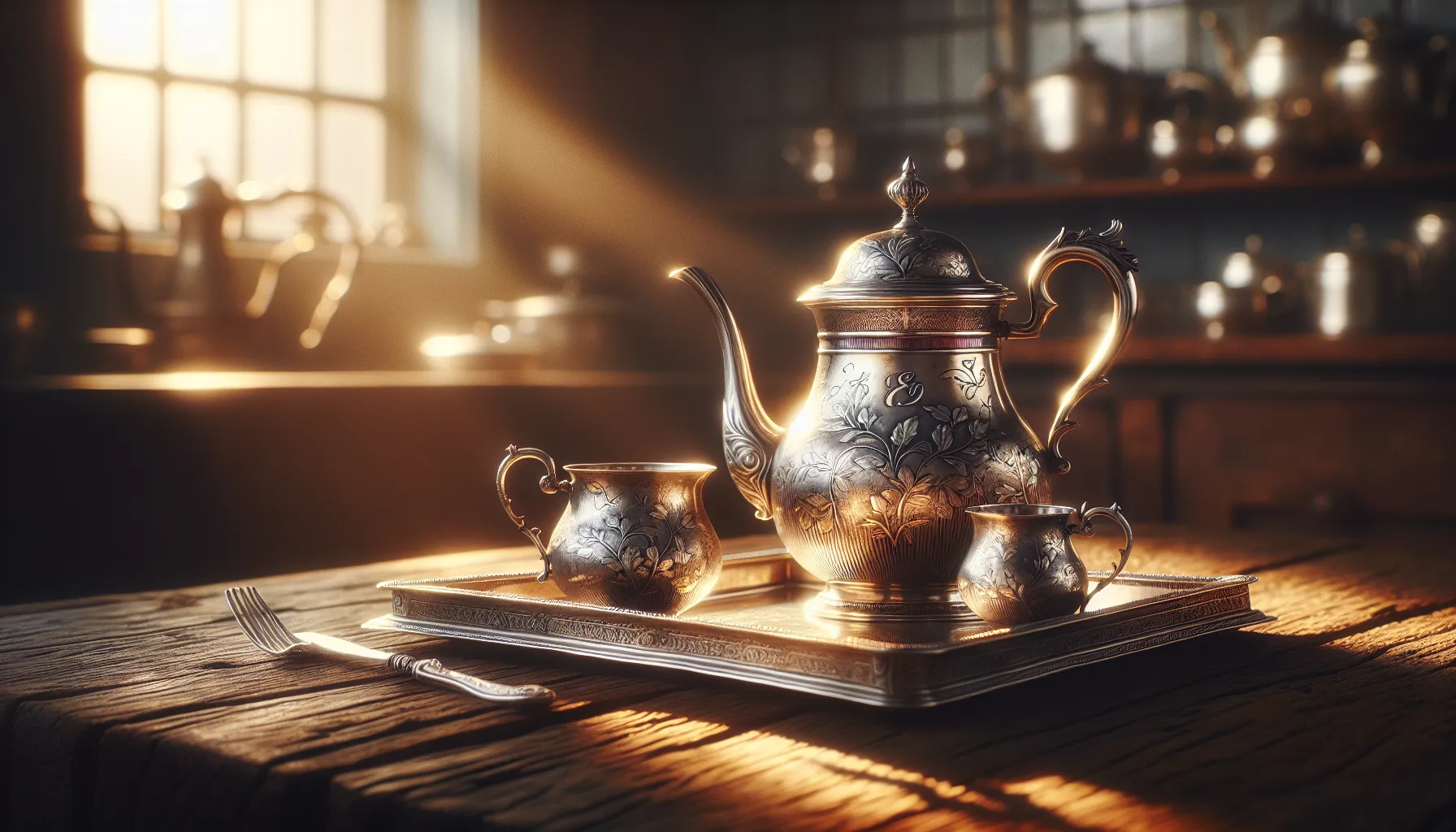
To begin with, we should acknowledge that not all silver is created equal. True silver, often referred to as sterling silver, consists of 92.5% silver and 7.5% other metals, usually copper. This allows the silver to maintain its durability while preserving its beauty. We also come across fine silver, which is 99.9% pure, but it’s softer, making it less ideal for everyday items. Conversely, silver-plated items are essentially base metals coated with a thin layer of silver. This layer can wear away quickly, making it crucial to recognize the distinctions between the two.
What Is Silver Plate?
Silver plate is a process where a layer of silver is mechanically bonded to a base metal, primarily copper, brass, or nickel. While it can provide the appearance of silver, the longevity and value fall short when compared to solid silver. These items often feature markings like “EP” (electroplated) or “silver-plated” to indicate their composition, but sometimes the labels can be misleading or absent altogether.
Visual Differences Between Silver and Silver Plate
Weight and Feel: Comparing Silver and Silver Plate
When we hold an item, the weight should offer us an immediate clue. Silver is denser than silver plate, so genuine silver items often feel heavier in our hands. If we have a piece that feels surprisingly light, it’s likely to be a silver-plated object. This difference in weight is sometimes subtle, but with practice, we can develop a keen sense for it.
Tarnishing: Silver vs. Silver Plate
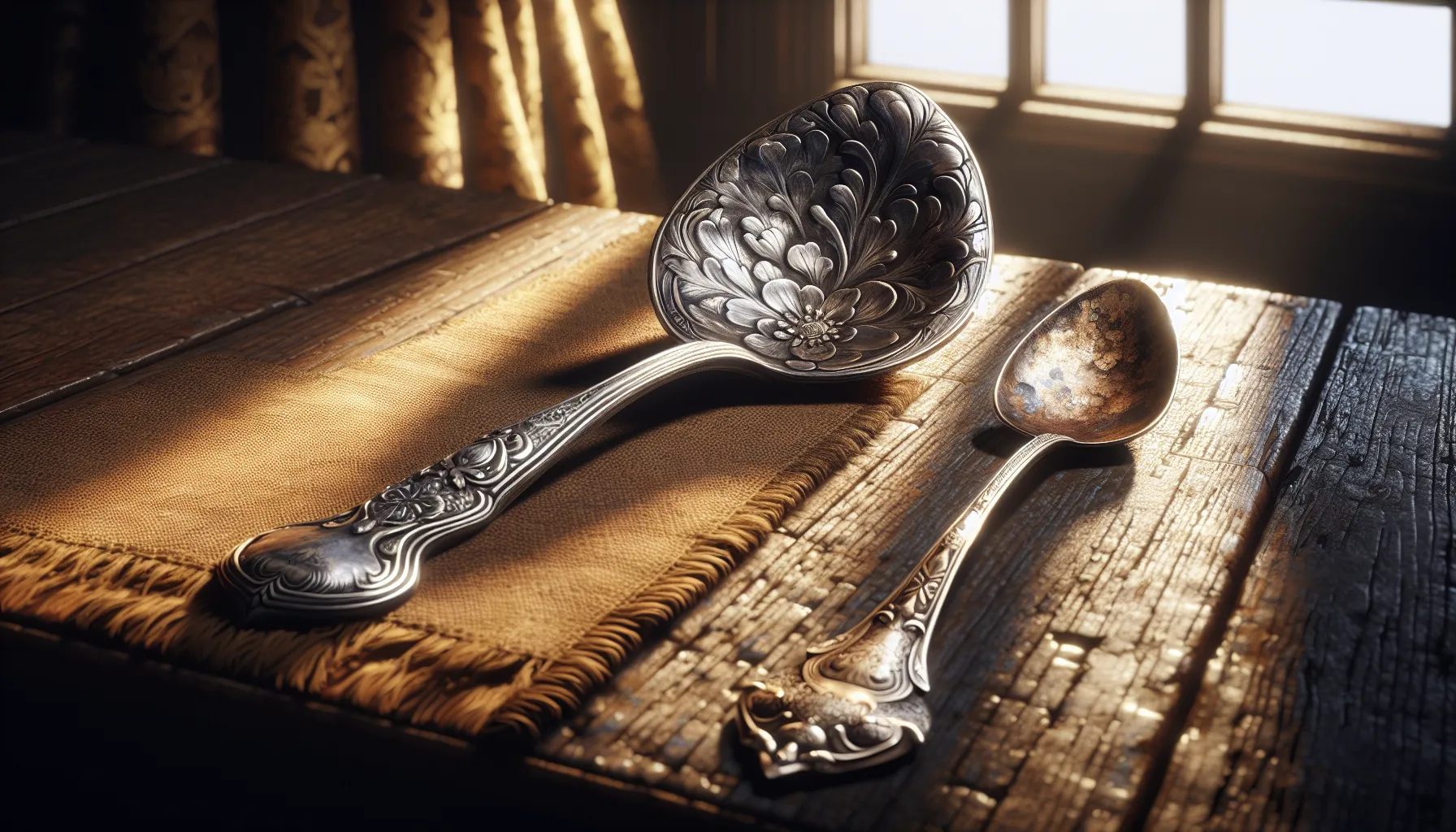
Another aspect we need to consider is tarnishing. Real silver naturally tarnishes over time, forming a dark patina that can be polished away. Silver plates, on the other hand, often exhibit tarnishing that appears uneven and spotty due to the base metal beneath. If we notice patchy discoloration instead of uniform darkness, there’s a good chance we’re looking at a silver-plated item.
Testing for Silver Content
Using a Magnet Test
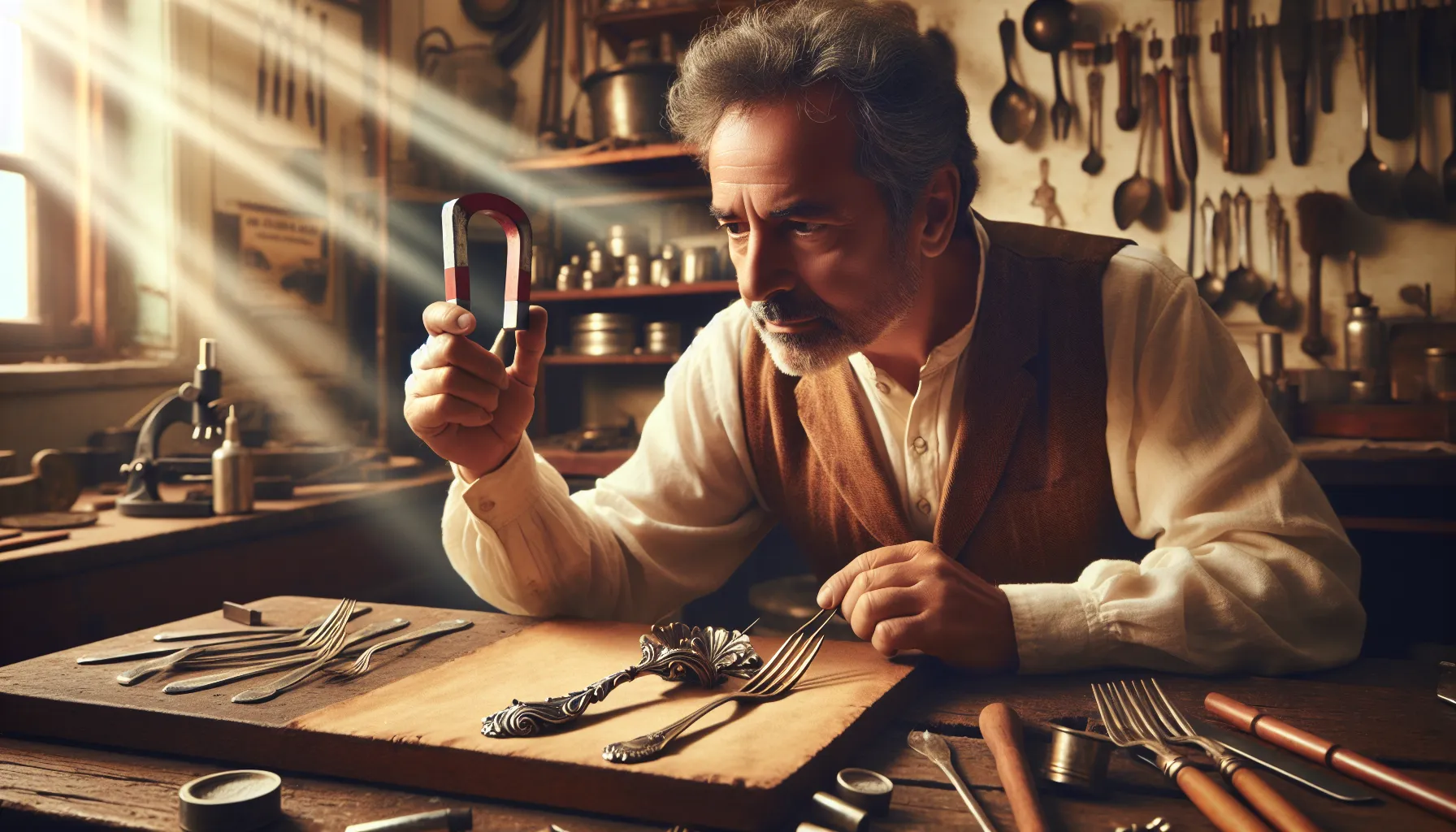
One of the simplest tests we can perform is the magnet test. Silver is not magnetic, while many base metals used for silver plating are. If we hold a magnet to the item and it sticks, we know immediately that it is not made of solid silver. This swift and effective test can help avoid prolonged examinations and save valuable time.
The Acid Test for Silver Identification
If we want to dig a bit deeper, we might consider the acid test. This method involves applying a small drop of acid to an inconspicuous area of the item. A reaction will occur if it’s silver: the acid will turn a particular color, indicating the metal beneath. While this test is informative, it can be damaging, so proceed with caution. We recommend using it only when truly necessary.
Expert Appraisal: When to Seek Professional Help
While we can often identify silver and silver plate ourselves, some pieces may require professional appraisal. If we’re holding an antique with uncertain origins or significant value, seeking out an expert can provide fragile peace of mind. An appraiser has access to tools and knowledge that can give us a definitive answer, potentially uncovering historical significance we might not recognize.
Caring for Your Silver Items
Once we’ve identified our silver pieces, caring for them becomes essential. Regular cleaning with a gentle cloth can help prevent tarnishing. When storing, we should use anti-tarnish cloths or bags, which can extend the life and beauty of our silver items. Being mindful of where and how we clean, ensuring to avoid abrasive materials, will also sustain their luster.
Conclusion
Navigating the world of silver and silver-plated items may seem daunting at first, but with the knowledge we’ve gained, we can confidently identify what we possess. From understanding the differences in composition to applying various tests, we are now equipped to make informed decisions about our silver treasures. Remember, whether using our senses or undergoing simple tests, each approach brings us closer to clarity, protecting our investments and heritage.
To provide the best experiences, we use technologies like cookies to store and/or access device information. Consenting to these technologies will allow us to process data such as browsing behaviour or unique IDs on this site. Not consenting or withdrawing consent, may adversely affect certain features and functions.
Functional
Always active
The technical storage or access is strictly necessary for the legitimate purpose of enabling the use of a specific service explicitly requested by the subscriber or user, or for the sole purpose of carrying out the transmission of a communication over an electronic communications network.
Preferences
The technical storage or access is necessary for the legitimate purpose of storing preferences that are not requested by the subscriber or user.
Statistics
The technical storage or access that is used exclusively for statistical purposes.The technical storage or access that is used exclusively for anonymous statistical purposes. Without a subpoena, voluntary compliance on the part of your Internet Service Provider, or additional records from a third party, information stored or retrieved for this purpose alone cannot usually be used to identify you.
Marketing
The technical storage or access is required to create user profiles to send advertising, or to track the user on a website or across several websites for similar marketing purposes.