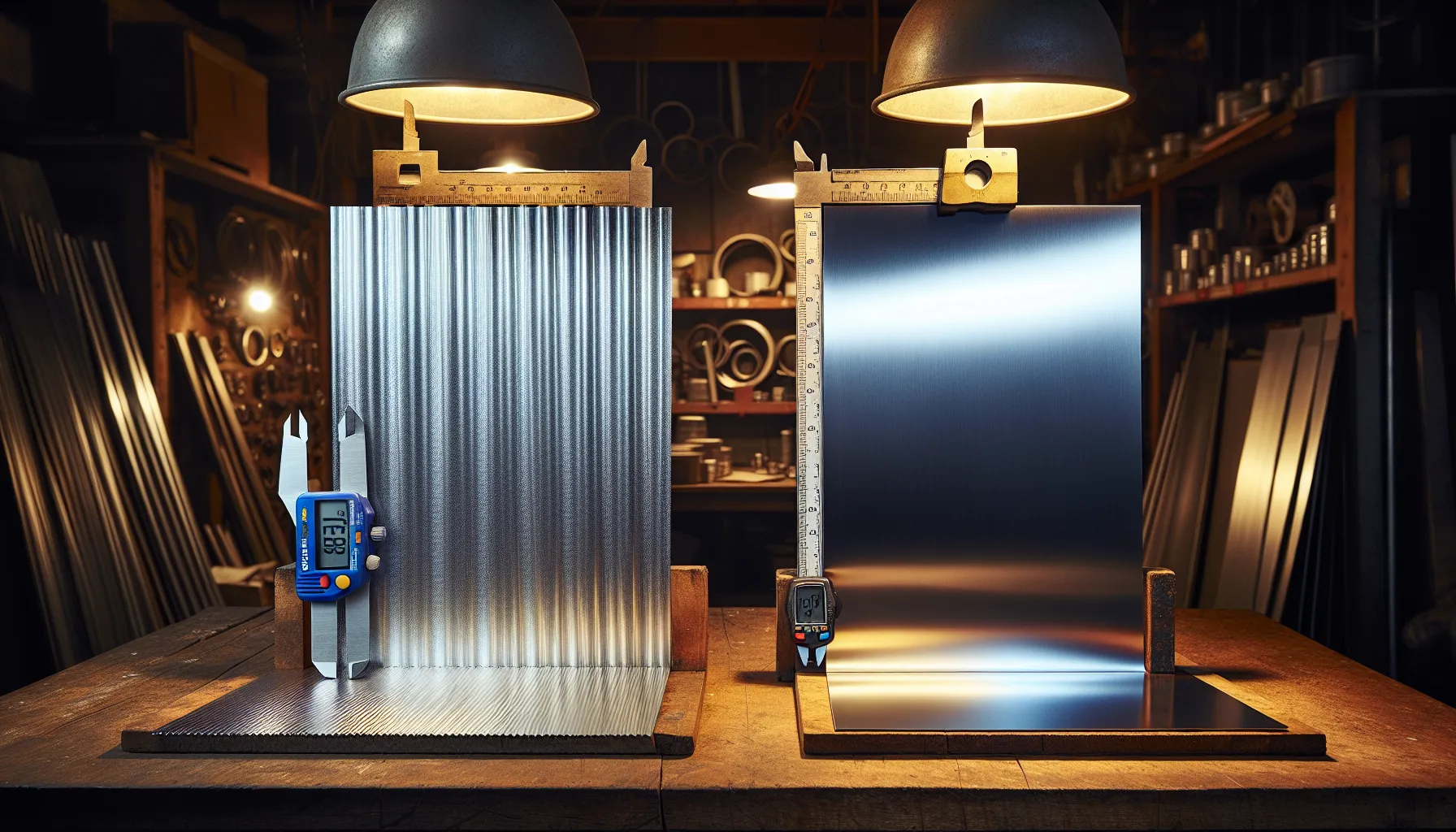
When we’re faced with a material dilemma, the challenge of distinguishing between aluminum and stainless steel often arises. Imagine holding two seemingly identical objects, one glistening in the sun, the other cold and heavy in your hands. Each metal has unique traits that define its essence. While both materials boast impressive properties, understanding their differences can be crucial, especially in settings like our kitchens or workshops. The same skill set applies when you need to tell brass from copper — visually similar metals that require a trained eye to separate. From industrial applications to household items, knowing how to tell aluminum from stainless steel can save us time, money, and frustration. Let’s jump into the physical, practical, and testing methods that will help us navigate this metallic enigma.
Understanding Aluminum and Stainless Steel
Physical Properties of Aluminum
Aluminum is a lightweight metal, known for its soft and malleable characteristics. It typically has a silver-white color and a low density, making it easy to handle. One of aluminum’s key features is its remarkable resistance to corrosion, thanks to the protective oxide layer that forms when it is exposed to oxygen. It’s also a great conductor of heat and electricity, which are essential properties in applications ranging from cooking to electronics.
Physical Properties of Stainless Steel
In contrast, stainless steel is a heavier and more robust alloy, primarily composed of iron, carbon, and chromium. This combination not only enhances its strength but also provides excellent corrosion resistance. Stainless steel boasts a shiny, reflective surface that is visually distinct from aluminum. It is durable, maintaining its appearance over time without chipping or peeling. Also, stainless steel is less malleable than aluminum, giving it added strength in various applications. Metal identification is a skill that extends across many alloys — our guide on how to tell brass from bronze covers similar visual and physical tests for copper-based alloys.
Common Applications and Uses
Both materials serve unique roles in our daily lives. Aluminum is commonly found in kitchen utensils, packaging, and aerospace components due to its lightweight nature. Its affordability and ease of manufacture make it popular for both indoor and outdoor use. Stainless steel, on the other hand, is favoured in medical equipment, household appliances, and automotive parts. Its strength and resistance to rust make it ideal for environments where hygiene and durability are paramount — much like knowing how to tell real leather from fake matters when evaluating quality in premium goods.
Identifying Aluminum and Stainless Steel
Visual Inspection Techniques
To begin, we can look for a few visual cues. When we examine aluminum, we may notice a duller, softer finish compared to the shiny, reflective surface of stainless steel. Another tip is to look for any manufacturing markings like ‘AL’ for aluminum or specific grades of stainless steel. Scratches on aluminum tend to reveal a silvery mark below, while stainless steel remains shiny even when scratched.
Conducting Simple Tests
A simple scratch test can help too. Using a sharp object, we can scratch the surface: aluminum will leave a deeper mark compared to the hard surface of stainless steel, which is resistant to scratching. The same logic of simple physical tests applies when distinguishing minerals — our article on how to tell pyrite from gold explains how hardness, weight, and streak tests can settle a tricky identification quickly.
Using Advanced Methods for Accurate Identification
Magnet Test for Material Identification
One of the simplest yet effective methods is the magnet test. Hold a magnet to each material: it will stick to stainless steel but will not touch aluminum. This is due to the magnetic properties inherent in stainless steel’s iron content.
Heat Conductivity and Thermal Behavior
Finally, we can assess heat conductivity. If we place a heat source against both materials, aluminum will heat up much faster since it’s an excellent conductor of heat. Stainless steel will take longer to warm up and can maintain heat longer. For materials where visual similarity creates doubt, sound can be another useful test — our piece on how to tell crystal from glass shows how a simple tap can reveal composition differences that the eye alone cannot.
Weight Comparison: Aluminum vs. Stainless Steel
Durability and Corrosion Resistance
When it comes to weight, aluminum is significantly lighter than stainless steel. This difference is crucial in applications such as automotive manufacturing, where reducing weight can improve fuel efficiency. While aluminum is lighter, it is generally less durable under physical stress. On corrosion resistance, stainless steel shines in harsh environments, while aluminum performs well mainly when painted or treated.
Caring for Aluminum and Stainless Steel
Both metals require specific care to maintain their appearance and performance. Aluminum should be cleaned with mild detergents and kept away from harsh chemicals that could damage its protective layer. Stainless steel benefits from regular polishing with appropriate cleaners to prevent staining and maintain its shine. Simple maintenance prolongs the life of both materials.
Conclusion
Understanding how to distinguish between aluminum and stainless steel is essential, whether we’re in a professional setting, a kitchen, or a workshop. By using various visual, physical, and advanced methods, we can make informed decisions about which material best suits our needs. The next time we come across two shiny objects, we won’t just see them as mere metals: we’ll recognise the practical features and unique qualities they bring to our lives.
To provide the best experiences, we use technologies like cookies to store and/or access device information. Consenting to these technologies will allow us to process data such as browsing behaviour or unique IDs on this site. Not consenting or withdrawing consent, may adversely affect certain features and functions.
Functional
Always active
The technical storage or access is strictly necessary for the legitimate purpose of enabling the use of a specific service explicitly requested by the subscriber or user, or for the sole purpose of carrying out the transmission of a communication over an electronic communications network.
Preferences
The technical storage or access is necessary for the legitimate purpose of storing preferences that are not requested by the subscriber or user.
Statistics
The technical storage or access that is used exclusively for statistical purposes.The technical storage or access that is used exclusively for anonymous statistical purposes. Without a subpoena, voluntary compliance on the part of your Internet Service Provider, or additional records from a third party, information stored or retrieved for this purpose alone cannot usually be used to identify you.
Marketing
The technical storage or access is required to create user profiles to send advertising, or to track the user on a website or across several websites for similar marketing purposes.