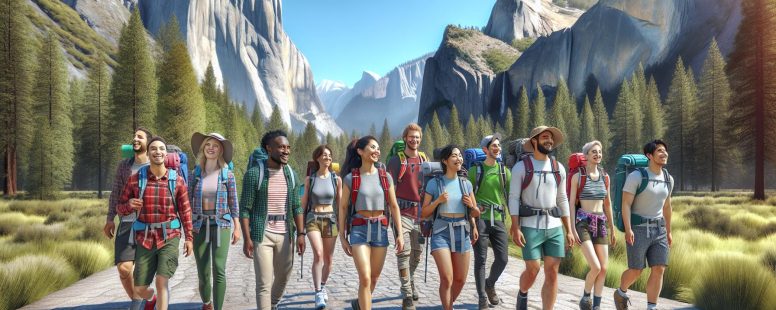
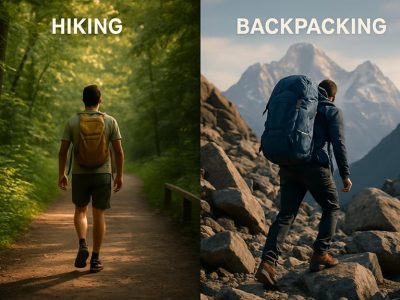
Hiking and trekking are outdoor activities that involve walking through natural environments, but they differ in purpose, duration, and difficulty.
Key Definitions
Hiking refers to walking on marked trails, often for short distances like day trips. These trails, such as forest walks or nature paths, are easy to navigate and accessible for most skill levels. Example: hiking in Yosemite National Park.
Trekking involves long journeys across unmarked or rugged terrains, often lasting multiple days. This activity focuses on endurance and exploration, requiring preparation and resilience. Example: trekking in the Himalayas.
Historical Context
Hiking gained popularity in the 19th century when outdoor recreation became a leisure activity in Europe and North America. Trails were developed to encourage nature exploration and physical fitness.
Trekking has roots in adventure travel and cultural exploration. It originated with early expeditions in mountainous regions, where journeys served as a means of connecting remote locations and experiencing diverse landscapes.
Major Differences Between Hiking And Trekking
Hiking and trekking differ significantly in duration, terrain, and preparation requirements. Understanding these key differences helps you select the right activity for your goals and adventure experience.
Duration And Distance
Hiking typically involves shorter trips that last a few hours to a single day. These hikes often range from 2 to 10 miles on marked trails. For instance, day hikes in Yellowstone or the Grand Canyon are common examples.
Trekking spans multiple days, covering longer distances. These journeys often exceed 20 miles and may stretch to 100 miles or more depending on the route. Popular treks like Everest Base Camp or the Annapurna Circuit can last from one to three weeks.
Terrain And Environment
Hiking routes usually feature moderate terrain like forest trails, park paths, or mountain foothills. Trails are well-maintained, making them suitable for beginners or those seeking a casual outdoor excursion.
Trekking routes involve more challenging environments, including steep climbs, unmarked paths, and remote locations. You may encounter harsh weather, high altitudes, or river crossings. Examples include trekking in the Andes or across Nepal’s rugged trails.
Equipment And Preparation
Hiking requires minimal equipment, such as hiking boots, a daypack, a water bottle, and weather-appropriate clothing. Preparation often involves checking trail maps and carrying a first-aid kit for emergencies.
Trekking demands extensive preparation and specialized gear. Essentials include sturdy backpacks, tents, sleeping bags, trekking poles, and navigation tools. Physical endurance and planning for food, shelter, and unpredictable weather are crucial for multi-day treks.
Physical And Mental Demands
Hiking and trekking differ in physical intensity and mental resilience, offering unique challenges depending on the activity’s nature and duration.
Fitness Requirements
Hiking requires moderate physical fitness. Trails are often shorter and less demanding, typically ranging 2-10 miles with well-established paths. If you’re generally active, you can manage most hikes without specialized training.
Trekking demands higher fitness levels. Journeys extend for days or weeks, covering rugged terrain and altitudes that exceed 10,000 feet in some regions. Cardiovascular endurance, leg strength, and stamina are essential for completing treks safely. Preparation often includes interval training, weight-bearing exercises, and altitude acclimatization, especially for high-altitude locations.
Mental Challenges
Hiking involves manageable mental challenges. Shorter durations and clear trails reduce stress, making it a leisurely activity. Decision-making and navigation skills are minimal, with signs or maps to guide you.
Trekking tests mental endurance. Extended isolation, unpredictable weather, and unmarked routes require focus and determination. You may face uncertainties, like finding a camp spot or physical fatigue, requiring strong problem-solving and adaptability skills. Staying motivated is crucial, as long journeys wear both body and mind.
Popular Hiking And Trekking Destinations
Hiking and trekking destinations span diverse landscapes, offering both leisure and adventure. This section highlights top spots for each activity.
Top Hiking Spots
Yosemite National Park, USA: Features well-marked trails like Yosemite Falls Trail, covering 7.2 miles round-trip.
Cinque Terre, Italy: Offers scenic coastal hikes on paths stretching 7.5 miles between picturesque towns.
Banff National Park, Canada: Includes easy day hikes like Johnston Canyon, which is 3.1 miles round-trip.
Mount Takao, Japan: A 2.5-mile trail to the summit, suitable for beginners seeking nature close to Tokyo.
Blue Mountains, Australia: Features the Three Sisters Walk, a 1-mile paved path with stunning views.
Famous Trekking Trails
Everest Base Camp, Nepal: Spans 80 miles round-trip, requiring 12-14 days through rugged terrain and altitudes of 17,600 feet.
Inca Trail, Peru: Covers 26 miles over four days, leading to the ancient city of Machu Picchu.
Torres del Paine Circuit, Chile: A 80-mile trek through Patagonia, often completed in 7-10 days.
Drakensberg Grand Traverse, South Africa: A challenging 140-mile trail that takes 12-16 days to complete.
Pros And Cons Of Hiking And Trekking
Hiking and trekking offer unique benefits and challenges. Understanding their pros and cons helps you choose the right activity for your skills and goals.
Advantages Of Hiking
Accessibility
Hiking trails are widely available and easy to find. These trails suit most skill levels, making hiking a versatile option for beginners and seasoned hikers alike.
Time Efficiency
Hiking typically lasts a few hours to a day. It fits well into busy schedules without requiring long-term commitments.
Lower Cost
Minimal gear is needed for hiking. Comfortable shoes, water, and sunscreen are usually sufficient.
Health Benefits
Hiking improves cardiovascular health, strengthens muscles, and reduces stress. It provides a balanced workout without the intensity of multi-day activities.
Scenic Enjoyment
Short trails often lead to beautiful views, waterfalls, or natural attractions, enhancing your outdoor experience.
Advantages Of Trekking
Adventure Appeal
Trekking lets you explore remote and challenging regions. It often involves spectacular landscapes and unique cultural experiences.
Physical Fitness
Trekking improves endurance, stamina, and strength due to prolonged physical activity over rough terrain.
Mental Resilience
Extended treks test your adaptability in unfamiliar conditions, boosting problem-solving skills and self-reliance.
Immersion in Nature
Multi-day treks allow deeper connection with the environment. You experience diverse ecosystems and untouched wilderness.
Personal Growth
Trekking challenges enhance your confidence and foster a sense of accomplishment after completing difficult routes.
Potential Drawbacks
Physical Demand
Trekking requires significant fitness levels, while hiking may involve steep or uneven paths that can be tiring.
Preparation
Trekking involves extensive planning and specialized gear, while certain hiking locations might still need weather-appropriate clothing or equipment.
Cost
Expenses for trekking gear, guides, permits, or travel can be significant. Hiking, though cheaper overall, can still cost more in some locations.
Weather Challenges
Both activities face risks like sudden rains or temperature changes, but trekking exposes you to harsher conditions over longer periods.
Safety Concerns
Trekking in isolated areas can introduce risks like injuries or altitude sickness. Hiking hazards usually include slips, wildlife, or getting lost on unfamiliar trails.
How To Choose Between Hiking And Trekking
Choosing between hiking and trekking depends on your physical abilities, time availability, and resources. Evaluating these factors identifies which activity aligns with your goals and preferences.
Assessing Your Fitness Level
Evaluate your fitness level to match the physical demands of hiking or trekking. Hiking generally requires moderate fitness and is suitable for beginners or casual adventurers. For example, trails vary from 2 to 10 miles and often have gentle inclines. Trekking, on the other hand, demands higher endurance and involves long journeys with steep climbs and rough terrains. Trekking routes, like the Everest Base Camp, can span over 20 miles and involve altitudes exceeding 5,000 meters.
If your fitness is average, hiking offers a manageable option, allowing gradual improvements. If you’re physically active with strong stamina, trekking provides a more challenging experience that pushes your limits.
Considering Time And Resources
Consider your available time and required resources before deciding. Hiking typically takes a few hours to a single day, making it possible to fit into tight schedules. Short hikes also demand minimal gear, like good shoes, a water bottle, snacks, and weather-appropriate clothing.
Trekking requires more significant time commitments, often lasting multiple days or weeks. It involves advanced preparation, such as permits, camping gear, navigation tools, or guides. Trekking also incurs greater costs, including transportation, food supplies, and specialized equipment like sleeping bags and trekking poles. Limited time or resources favor hiking, while extended availability supports trekking.
Conclusion
Choosing between hiking and trekking eventually depends on your goals, fitness level, and the type of outdoor experience you’re seeking. Whether you prefer the simplicity of a day hike or the thrill of a multi-day trek, both activities offer unique opportunities to connect with nature and challenge yourself.
By understanding the key differences, you can make informed decisions that suit your abilities and aspirations. Whichever path you choose, the rewards of exploring the outdoors are endless. So lace up your boots, plan your adventure, and embrace the journey ahead.
To provide the best experiences, we use technologies like cookies to store and/or access device information. Consenting to these technologies will allow us to process data such as browsing behaviour or unique IDs on this site. Not consenting or withdrawing consent, may adversely affect certain features and functions.
Functional
Always active
The technical storage or access is strictly necessary for the legitimate purpose of enabling the use of a specific service explicitly requested by the subscriber or user, or for the sole purpose of carrying out the transmission of a communication over an electronic communications network.
Preferences
The technical storage or access is necessary for the legitimate purpose of storing preferences that are not requested by the subscriber or user.
Statistics
The technical storage or access that is used exclusively for statistical purposes.The technical storage or access that is used exclusively for anonymous statistical purposes. Without a subpoena, voluntary compliance on the part of your Internet Service Provider, or additional records from a third party, information stored or retrieved for this purpose alone cannot usually be used to identify you.
Marketing
The technical storage or access is required to create user profiles to send advertising, or to track the user on a website or across several websites for similar marketing purposes.