Imagine flipping through a comic book that leaps off the page with bold lines and vivid scenes, then watching those same stories come alive in a world filled with color, sound, and motion. That’s the magic of manga and anime—two sides of the same coin, yet each with its own voice.
While manga offers a quiet, tactile experience, anime immerses you in a swirl of sights and sounds that can make your heart race. Surprisingly, exploring both can deepen your appreciation for Japanese storytelling, revealing hidden layers you might miss if you stick to just one.
Ready to discover what makes each form so captivating and how they can enrich your imagination? Let’s dive in.
What Are Manga and Anime? Basic Definitions Explained
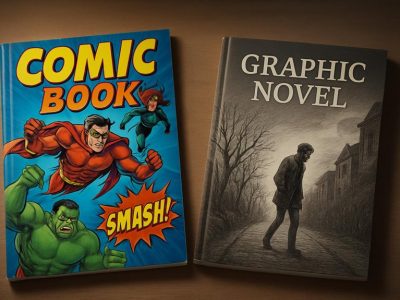
Manga and anime are two of the most popular types of Japanese entertainment. They are different but often confused. Manga are Japanese comic books or graphic novels. They are usually black-and-white, with detailed pictures and stories. Many famous manga like “Naruto” or “One Piece” are read by fans all over the world.
Anime are animated TV shows or movies from Japan. They are often colorful and full of movement. Shows like “Pokemon” or “Attack on Titan” are popular examples of anime. Some anime are based on manga, but not all.
Cultural influences shape both manga and anime. They show Japan’s history, values, and society. For example, many manga and anime include themes of friendship, family, and honor.
Marketing is different for each. Manga makes money through print sales and merchandise like toys or clothes. Anime earns money through TV broadcasts, streaming sites like Crunchyroll or Funimation, and international licenses.
Knowing the difference between manga and anime helps fans understand how each one connects with people. Sometimes, a manga becomes an anime, which helps it reach more fans. Both forms influence each other and grow in popularity worldwide.
How Are Manga and Anime Created Differently? (Art, Storytelling, Production)
Manga and anime are made in different ways. Manga is a type of comic or graphic novel, while anime is animated TV shows or movies. Their creation processes show big differences in art, storytelling, and how long they take to make.
First, manga artists, like Eiichiro Oda who made One Piece, spend lots of time drawing detailed pictures. They focus on creating each panel carefully. This process can take weeks or months because they draw everything by hand or using digital tools. Manga pages are usually black and white, and artists decide how the story flows through artwork and dialogue.
Anime studios, such as Studio Ghibli or Toei Animation, work faster because they animate scenes frame by frame. They use computers and animation software to produce moving images quickly. Making an anime episode can take several months, and many people work together on different parts like backgrounds, character movement, and voice acting. Unlike manga, anime has color, sound, and music, which make it more lively and exciting.
Some people prefer manga because they enjoy reading at their own pace and looking at detailed artwork. Others like anime because it brings stories to life with motion and sound. But each type has its challenges. Manga artists must keep up with long deadlines for pages, and anime studios have tight schedules to finish episodes on time.
Knowing how manga and anime are created helps us see why they each have their own special charm. Whether you love reading comics or watching animated shows, understanding their different making processes helps you appreciate what goes into each one.
Artistic Process Variations
Creating manga and anime involves different artistic steps because they are different types of media. In manga, the artist is responsible for designing characters. They draw the details directly onto paper or a digital tablet, focusing on clear, expressive lines. For example, they might sketch a character’s emotions through their eyes or hair.
In anime, character design is done by a team of artists. They create model sheets and use 3D models to guide the animation process. This helps ensure characters look the same in every scene. For example, a character’s pose or expression is planned carefully before animation begins.
Here are some key differences:
Manga artists draw detailed pictures and layouts themselves. Anime teams animate the scenes one frame at a time, creating movement.
Manga tells stories with pictures and speech bubbles. Anime adds voice acting and sounds that bring scenes to life.
Music and sound effects are very important in anime because they add mood. Manga relies only on images and words.
Making anime involves more technical work, like designing backgrounds and special effects. Manga is more straightforward, focusing on drawing.
Some people prefer manga because it is easier to produce and read anywhere. Others like anime because of the sound and motion. Both need skill and creativity but use different tools and methods.
Production Timelines Differences
Production timelines for manga and anime are quite different. Manga, which are comic books or graphic novels, usually have a longer and more flexible schedule. Artists work on each chapter at their own pace, often taking weeks or even months to finish. This means manga can go on for many years without a strict deadline. For example, popular manga like “One Piece” has been published for over 20 years, with new chapters released regularly.
Anime, on the other hand, are animated TV shows or movies. They need to follow a tight schedule. Most anime episodes are made weekly or seasonally, often in just a few months. For example, popular anime like “My Hero Academia” releases new episodes every week during its season. Because of this, anime often catch up to the manga they are based on or need to be made faster to meet broadcast dates.
Some people like the flexibility of manga because artists can take their time to make each chapter perfect. But others prefer anime because they get to see moving images and sounds faster. However, this quick schedule can sometimes mean less detail or lower quality if not carefully managed.
What Visual Differences Distinguish Manga From Anime?
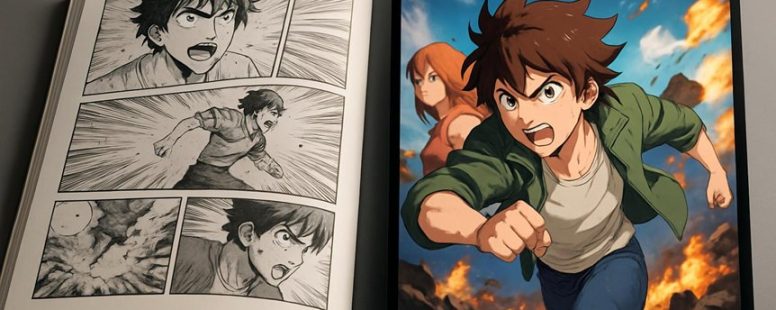
Manga and anime look different because of how they are made. The main difference is the use of color. Manga is usually black-and-white, with detailed line art and shading. This makes it easy to focus on the characters and story. Anime, on the other hand, uses bright colors to make scenes lively and exciting. For example, a character’s hair might be pink in the manga, but in the anime, it can be a shiny, vibrant pink that catches your eye.
Another key difference is how the images are arranged. Manga has panels that show different moments in the story. These panel layouts can be big or small and guide how fast you read. Some manga pages have very dynamic layouts that make the story feel faster or more intense. Anime uses movement, camera angles, and special effects. For instance, a fight scene in anime might have quick camera cuts and special flashes, making it feel more real and exciting.
Here are some other visual differences:
Manga has lots of detailed lines, especially on characters’ faces and clothes. Anime focuses more on animated movement, which makes scenes more lively.
Manga characters often have exaggerated features like big eyes or strange hair styles. Anime characters look more like real people but still keep some cartoon style.
Anime adds backgrounds, lighting, and effects like sparks or glow to make scenes more dramatic. Manga relies on static images, so readers use their imagination to fill in the action.
Because manga is static images, it can be slower to tell a story. Anime’s motion makes scenes more immersive and exciting to watch.
Some people prefer manga because it’s easier to see the artwork up close. Others enjoy anime because it feels more alive. Both have their strengths and limitations. Manga takes longer to read but lets you focus on details. Anime can show action and emotion instantly, but sometimes it can feel too fast or flashy.
In simple words, manga and anime look different because of how they are made. Manga uses black-and-white art with detailed lines. Anime brings scenes to life with colors, movement, and effects. Both are fun, but they give you very different visual experiences.
How Do Fans Enjoy Manga and Anime? (Watching, Reading, Collecting)
Fans enjoy manga and anime in different ways, and each method offers a unique experience. Reading manga is popular because fans can flip through the pages at their own pace and imagine how the characters move and talk. Some fans love collecting manga volumes or special editions to build their own library. Watching anime is also very popular because it brings stories to life with animation, sound, and voice acting. Fans might watch anime on streaming sites like Crunchyroll or Funimation, often binge-watching entire seasons.
Many fans also collect fan merchandise like posters, figures, and clothing. These items let fans show their support for their favorite series and characters. For example, a fan might buy a Naruto poster or a Goku action figure. Cosplay is another way fans enjoy manga and anime. It means dressing up as characters for conventions or events. Some fans spend months making costumes, and others simply wear T-shirts with their favorite characters.
Collecting items helps fans feel closer to the stories and characters they love. Whether they read manga, watch anime, or collect merchandise, each way creates a special bond with the series. Some fans prefer one method over another, but many enjoy doing all three. Just remember, sometimes collecting can get expensive, so fans should set a budget. Overall, manga and anime fans find their own fun through many different ways.
Where Do Manga and Anime Stories Overlap and Diverge?
Manga and anime stories often overlap but also have differences. The main fact is that they usually tell the same story, but they do it in different ways. For example, manga, which are comic books or graphic novels from Japan, often slow down the story to show more details and let readers enjoy the artwork. Anime, which are animated TV shows or movies, speed up parts with lots of action to keep viewers excited.
Another difference is the visual style. Manga uses black-and-white drawings with lots of detail, while anime uses moving images and colors to make scenes more lively. Think of manga as a detailed sketch and anime as a colorful movie. Sometimes, the story stays the same, but parts get changed to fit each medium better. For example, anime might add extra scenes or change the ending to make it more dramatic for viewers. This can give fans a different experience from reading the manga.
Some people prefer manga because they like to see the artwork closely, while others enjoy anime for the movement and sound. Both have good and bad sides. Manga can be slower but more detailed, while anime can be faster but sometimes leaves out parts from the manga. If you love a story, it might be fun to enjoy both versions to see how they compare.
Narrative Pacing Differences
Anime and manga often tell the same stories, but their pacing is different. Pacing is how quickly or slowly the story moves. Anime can speed up or slow down scenes to make the story more exciting or emotional. For example, an anime might stretch out a fight scene to make it more intense or add pauses to build suspense.
Manga, on the other hand, usually takes more time to show what characters are thinking. This makes the story feel slower but more detailed. You might see a character’s inner thoughts or small details that an anime might skip.
Sometimes, when a story is turned into an anime, scenes are changed. They might be made longer or shorter. This can change how fast or slow the story seems. For example, a quick comic scene might become a longer, more dramatic moment in the anime.
Both methods affect how viewers or readers feel about the story. An anime might keep you on the edge of your seat with quick action, while manga can give you a chance to understand characters better with internal monologue.
However, there are limits. Sometimes, speeding up scenes can make the story feel rushed. And slowing down too much might drag out parts that could be exciting if they moved faster. So, both have good sides and bad sides depending on what kind of story you like.
Visual Presentation Styles
Manga and anime are both ways to tell stories visually, but they do it differently. Manga is a type of comic or graphic novel from Japan. It uses black-and-white drawings with different shading to show emotions and details. The characters often have exaggerated features, like big eyes or expressive faces, to help tell how they feel. Since manga is static images, readers use their imagination to picture movement and sounds.
Anime is a style of animated shows or movies from Japan. It uses bright colors and smooth motion to make scenes more lively. Characters in anime often have detailed designs, but animation adds movement and expressions. This makes anime more dynamic and exciting to watch, especially with action scenes or emotional moments. For example, a scene in an anime can show a character crying with tears falling and their body trembling, which is harder to do in manga.
Both manga and anime are good at storytelling, but they do it in different ways. Manga lets readers imagine sounds and motion, which can make the story feel more personal. Anime, with its colors and movement, can create a more immersive experience. Some people prefer manga because they like to see the artwork and read at their own pace. Others like anime because it’s more lively and engaging.
In the end, both styles use visuals to tell stories, but their methods show their own unique style. Manga is like a picture book for older readers, while anime is like a moving, colorful show. Each has its strengths and limits, so it depends on what kind of story you want to experience.
Story Content Variations
Manga and anime are both popular ways to tell stories, but they do it in different ways. Manga is a type of comic book or graphic novel from Japan, while anime is animated shows or movies. They share many stories, but their style and focus can be quite different.
One big difference is how they show character growth. Manga often shows what characters are thinking inside their minds, giving us a deeper look at their feelings and motives. For example, a manga might show a character’s internal monologue explaining why they are scared or happy. Anime, however, uses voice acting and visuals to show emotions. You can see a character’s smile or hear their tone of voice, which can make the scenes more emotional. Sometimes, anime speeds up or cuts short parts of the story to fit into episodes.
Another difference is the variety of stories they tell. Manga covers more niche topics and genres. For example, you might find manga about very specific hobbies or unusual themes that would be hard to turn into animation. Anime tends to focus on more popular or action-packed stories because they need a lot of money to make animated scenes.
Here are some ways they differ:
Manga shows deep thoughts and background details of characters.
Anime uses sounds and visuals to add emotional feeling.
Manga tells more side stories and extra details.
Anime sometimes changes or shortens the story to save time or money.
Both manga and anime are great, but they each have their strengths and limits. Manga can give you more insight into characters’ minds, but anime can make scenes more exciting with music and movement. If you want to understand characters deeply, manga might be better. If you prefer fast-paced action and emotions through sound, anime is a good choice.
In the end, whether you prefer manga or anime depends on what you like most. Both have unique ways of telling stories that can make you feel different emotions.
Why Are Some Stories Only Manga or Only Anime?
Some stories stay only as manga or only as anime because of different reasons. A manga is a comic book or graphic novel from Japan, while an anime is a cartoon or animated show.
Many stories stay as manga because they are not made into anime. This could be because of money problems or because the creator wants to keep control. For example, some popular manga like “One Piece” has many episodes, but other manga are never turned into a show because it costs a lot of money or takes a long time. Sometimes, the creator prefers to tell the story in the manga first before making an anime.
On the other hand, some stories are only made into anime. This happens when producers want to quickly make a show to sell more merchandise or to attract fans. An anime might also be made if the story is simple enough to animate fast. For example, some short anime series are made just to promote a new toy or game.
Fan translations are a way for people to read manga that is not officially available in their language. These fans translate manga so more people can enjoy the story. Sometimes, anime is more popular than manga because it has more action or better animation. This can make fans want to buy merchandise like figures or posters, which helps the anime stay popular.
Sometimes, a story works better in one format. For example, a story with lots of detailed artwork might be better as a manga, while a story with exciting action scenes might be more fun as an anime. Because of these reasons, some stories stay only in one format and do not get expanded into both.
Should You Start With Manga or Anime? How to Decide
Deciding whether to start with manga or anime depends on what kind of experience you want. Here are some tips to help you choose.
First, if you enjoy lively visuals and fast-moving stories, anime is the best choice. Watching anime lets you see the characters come alive with motion and sound. For example, shows like “My Hero Academia” or “Attack on Titan” are exciting to watch with their action scenes and music. Anime is great if you want to get into the story quickly.
Second, if you want to understand the culture behind the story or enjoy detailed artwork, start with manga. Manga often shows more details in the drawings, and fan translations make it easy for many people around the world to read. For example, the “One Piece” manga gives you a closer look at the artist Eiichiro Oda’s style and the original story from the creator.
Third, if you are curious about the original story or want to see what the creator intended, manga is usually the original source. Many anime are based on manga, but sometimes they change parts or add filler episodes. Reading the manga can give you the purest version of the story.
Finally, think about how much time you have. Reading manga takes longer but gives you more control over how fast you go. Anime is faster to watch but may skip some details or change scenes. If you have a busy schedule, anime might be better to watch in parts.
Where Can You Watch Anime and Read Manga? Tips for Fans
You can watch anime and read manga in several ways. The best options depend on what you want—whether you want to see the latest episodes or read manga legally and safely.
Most people watch anime on streaming services like Crunchyroll, Funimation, and Netflix. Crunchyroll and Funimation focus mainly on anime and often have the newest episodes shortly after they air in Japan. Netflix also has some popular anime series, but its selection is smaller. When choosing a service, think about what shows you want, the cost, and if they have the language options you prefer. Keep in mind that some services require a subscription, but they usually offer better quality and fewer ads.
For reading manga, platforms like VIZ, ComiXology, and Manga Plus are good choices. VIZ is popular because it has many new and classic manga series with official translations. ComiXology offers a big library of manga and comics from different publishers. Manga Plus is free and updates new chapters quickly. Always try to read from official sources because it helps support the creators who make your favorite stories. Some sites might offer free manga, but they might not be legal or safe to use.
If you want a more fun experience, visiting fan conventions can be great. Many conventions feature anime screenings, cosplay contests, and panels with manga artists and voice actors. These events are a good way to meet other fans and discover new series. Cosplay communities are also fun—they let you dress up as your favorite character and swap manga or watch anime with friends.
Just remember, supporting official channels is good because it helps creators make more anime and manga. Be cautious with free or shady sites because they might have viruses or steal your info. Whether online or in person, there are many ways to enjoy anime and manga. Have fun exploring!
To provide the best experiences, we use technologies like cookies to store and/or access device information. Consenting to these technologies will allow us to process data such as browsing behaviour or unique IDs on this site. Not consenting or withdrawing consent, may adversely affect certain features and functions.
Functional
Always active
The technical storage or access is strictly necessary for the legitimate purpose of enabling the use of a specific service explicitly requested by the subscriber or user, or for the sole purpose of carrying out the transmission of a communication over an electronic communications network.
Preferences
The technical storage or access is necessary for the legitimate purpose of storing preferences that are not requested by the subscriber or user.
Statistics
The technical storage or access that is used exclusively for statistical purposes.The technical storage or access that is used exclusively for anonymous statistical purposes. Without a subpoena, voluntary compliance on the part of your Internet Service Provider, or additional records from a third party, information stored or retrieved for this purpose alone cannot usually be used to identify you.
Marketing
The technical storage or access is required to create user profiles to send advertising, or to track the user on a website or across several websites for similar marketing purposes.