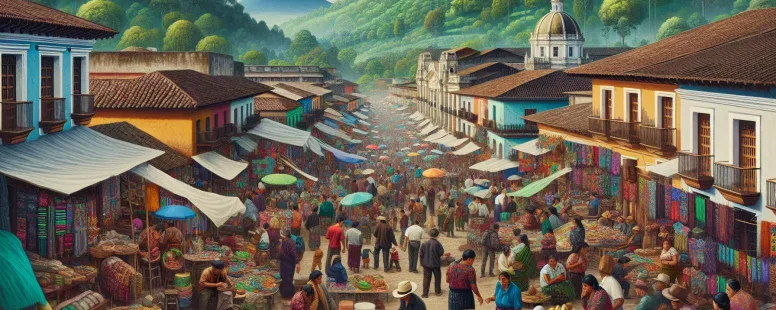
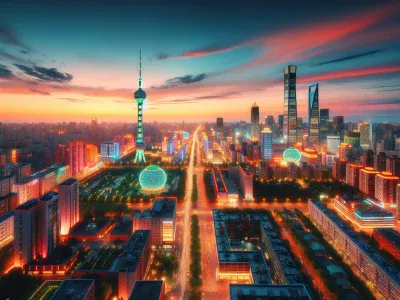
Picture standing at the crossroads of two vibrant capitals, each brimming with culture, history, and energy. Guatemala City and Mexico City may share a Latin American heartbeat, but their unique rhythms tell vastly different stories. From the cobblestone streets echoing Mayan heritage in one to sprawling urban landscapes steeped in Aztec legacy in the other, these cities offer experiences that captivate every sense.
Whether you’re drawn to Guatemala City’s charm nestled among lush volcanoes or Mexico City’s dynamic blend of tradition and modernity, deciding between them isn’t easy. Each boasts its own allure—colorful markets, rich cuisines, and awe-inspiring architecture—but how do they truly compare? Jump into this exploration where we uncover what sets these iconic destinations apart and help you choose which city speaks to your wanderlust most vividly.
Overview Of Guatemala City And Mexico City
Guatemala City, the capital of Guatemala, sits in the heart of Central America. It’s surrounded by three majestic volcanoes and lies within the Valle de la Ermita. The city serves as a cultural hub reflecting Mayan history through its museums like Museo Nacional de Arqueología y Etnología and sites such as Kaminaljuyu ruins. Its vibrant markets, including Mercado Central, showcase local crafts and traditional foods.
Mexico City, or Ciudad de México (CDMX), is one of the largest cities worldwide with over 9 million residents as of 2023. Located in a high-altitude valley once home to Tenochtitlán, it blends Aztec heritage with Spanish colonial architecture. Key landmarks include Zócalo Square—one of the world’s largest plazas—and Chapultepec Park, which houses several museums like Museo Nacional de Antropología.
Both cities share dynamic atmospheres but differ significantly in scale and offerings. While Guatemala City’s charm lies in its smaller size and proximity to natural wonders like Lake Atitlán, Mexico City offers an expansive urban experience with extensive public transport systems such as Metro CDMX spanning over 12 lines.
Cultural Comparison
Guatemala City and Mexico City are cultural hubs, each offering distinct traditions, festivals, and historical landmarks that reflect their rich heritage.
Historical Sites
Guatemala City’s history is deeply rooted in Mayan civilization. The Kaminaljuyu archaeological site provides a glimpse into ancient urban planning with its ceremonial mounds and artifacts. Nearby museums like the Museo Nacional de Arqueología y Etnología house pre-Columbian relics, connecting you to centuries-old traditions. By contrast, Mexico City’s Zócalo Square showcases Spanish colonial influence through grand cathedrals like the Metropolitan Cathedral and remnants of the Templo Mayor from Aztec times. Chapultepec Park further expands on this blend of cultures with its historic castle-turned-museum.
Both cities offer immersive experiences for history enthusiasts. In Guatemala City, local guides often share stories about Mayan rituals performed at Kaminaljuyu. Meanwhile, in Mexico City, walking tours around Zócalo reveal how Aztec temples were repurposed during colonization.
Festivals And Traditions
Festivals highlight the vibrant identities of both capitals. Guatemala City’s Semana Santa (Holy Week) features intricate alfombras—colorful carpets made from sawdust—lining processional routes. Traditional dances and music add to the solemn yet festive atmosphere. Conversely, Mexico City’s Día de los Muertos (Day of the Dead) celebrates life through altars adorned with marigolds and offerings for deceased loved ones; parades fill streets with costumes representing calaveras (skulls).
Local participation enriches these celebrations’ authenticity. In Guatemala City’s Mercado Central during Semana Santa, vendors sell handcrafted decor symbolizing religious themes. Similarly, in Mexico City’s Coyoacán district during Día de los Muertos festivities include face-painting workshops where families honor their ancestors collectively.
Economic And Business Landscapes
Both Guatemala City and Mexico City play pivotal roles in their respective national economies, shaped by diverse industries and unique economic challenges.
Key Industries
Guatemala City’s economy is heavily influenced by agriculture, textiles, and small-scale manufacturing. Coffee exports, such as those from regions like Antigua or Huehuetenango, are a significant contributor to the city’s GDP. Also, the city serves as a hub for light manufacturing industries producing clothing and processed foods. The service sector, particularly banking and telecommunications, also plays an essential role.
Mexico City’s economy encompasses a broader industrial spectrum. As one of Latin America’s most significant financial hubs, it hosts multinational corporations’ headquarters across sectors like automotive production (e.g., General Motors), technology (e.g., IBM), and entertainment (e.g., Televisa). Its robust tourism industry thrives on historical sites like Templo Mayor and cultural neighborhoods such as Coyoacán.
Job Market And Opportunities
Guatemala City offers employment primarily in agriculture-related businesses or local services. But, job availability may be limited due to lower foreign investment compared to larger urban centers in neighboring countries. Entrepreneurship is growing; many locals start small enterprises focusing on artisanal goods or food products tailored for international markets.
Quality Of Life
Guatemala City and Mexico City offer contrasting experiences in quality of life, shaped by their economies, infrastructure, and social dynamics.
Cost Of Living
Living expenses differ significantly between Guatemala City and Mexico City. Guatemala City’s cost of living is generally lower. For example, monthly rent for a one-bedroom apartment in the city center averages $500-$600, while grocery prices remain affordable with locally sourced produce like bananas and coffee contributing to lower costs. Conversely, Mexico City’s urban sprawl drives diverse pricing; central areas like Polanco or Roma Norte demand higher rents averaging $1,200-$1,500 for similar accommodations. But, suburban alternatives provide more budget-friendly options.
Dining out highlights these disparities further. A mid-range meal for two costs approximately $25-$30 in Guatemala City but reaches $40-$50 in upscale restaurants within Mexico City’s prime districts.
Safety And Security
Safety concerns affect both cities differently due to unique socio-political factors. In Guatemala City, challenges include gang-related violence concentrated in specific zones (e.g., Zone 18), although tourist-heavy areas such as Zones 10 (Zona Viva) are relatively safer with heightened police presence. Adopting precautions like avoiding isolated neighborhoods at night enhances safety during your visit.
Mexico City’s size presents varied security scenarios across its boroughs. While districts like Coyoacán and Condesa remain popular and secure among tourists due to cultural attractions and nightlife hubs with visible law enforcement patrols—areas on the outskirts may pose risks tied to petty theft or organized crime activities targeting locals primarily.
Public Transportation
Public transit systems shape daily life differently in both capitals. Guatemala City’s TransMetro Bus Rapid Transit system provides limited yet efficient routes catering mainly to commuters along key corridors at affordable rates ($0.15 per ride). Minibuses supplement this network but lack standardized schedules or coverage reliability compared against modernized systems elsewhere.
Food And Cuisine
Guatemala City and Mexico City showcase distinct culinary traditions rooted in their cultural histories. In Guatemala City, you’ll find dishes heavily influenced by Mayan heritage, with ingredients like corn, beans, and chili forming the backbone of traditional meals. Pepian, a rich stew made with meat, vegetables, and a blend of spices including roasted seeds and dried chilies, is a must-try. Street vendors often serve tamales wrapped in banana leaves or tostadas topped with guacamole and shredded chicken.
Mexico City’s cuisine blends Aztec roots with Spanish colonial influences to create vibrant flavors. Tacos al pastor are iconic here—marinated pork cooked on a spit similar to shawarma—and can be found at nearly every corner taqueria. The city’s markets feature an abundance of fresh produce like avocados and nopales (cactus paddles) alongside staples such as mole sauce varieties.
Both cities have thriving street food scenes that reflect local culture. In Guatemala City’s Mercado Central, you can taste rellenitos de plátano (plantain fritters filled with sweetened black beans). Meanwhile, Mexico City’s bustling streets offer esquites (corn kernels mixed with mayonnaise, lime juice, queso fresco) served from mobile carts.
You may notice differences in beverage preferences too: Guatemalans often drink atol (a thick corn-based beverage) or local coffee grown in volcanic soil regions surrounding the city. In contrast Mexicans enjoy aguas frescas—fruity waters infused with hibiscus or tamarind—and mezcal for celebratory occasions.
Tourism Experience
Guatemala City and Mexico City offer distinct tourism experiences shaped by their rich histories, cultural landmarks, and urban landscapes.
Popular Attractions
Guatemala City features sites deeply rooted in its Mayan heritage. The Kaminaljuyu ruins reveal ancient urban planning, while the Museo Nacional de Arqueología y Etnología showcases artifacts like jade masks and pottery. For a more vibrant experience, visit Mercado Central to explore traditional crafts and local foods such as chuchitos or rellenitos.
Mexico City’s attractions highlight a blend of Aztec legacy and Spanish colonial influence. Zócalo Square stands as a central hub surrounded by architectural marvels like the Metropolitan Cathedral. Chapultepec Park offers green spaces alongside museums such as the Museo Nacional de Antropología, which houses the iconic Aztec Sun Stone. Walk through neighborhoods like Coyoacán to discover Frida Kahlo’s Casa Azul.
Unique Experiences
Guatemala City’s Semana Santa celebrations captivate visitors with elaborate alfombras made from colored sawdust and flower petals lining procession routes. Engage with locals selling handcrafted souvenirs or sample festive dishes like torrejas during this spiritual event. Nature lovers can also hike up nearby Pacaya Volcano for panoramic views of lava fields.
Mexico City’s Día de los Muertos festivities transform streets into vibrant displays of life-affirming art. Altars adorned with marigolds and sugar skulls honor loved ones, while parades celebrate cultural traditions through music and costumes. Food tours around markets like Mercado Roma introduce you to delicacies such as chapulines (seasoned grasshoppers) or pulque, an ancient fermented drink.
Both cities immerse you in unique cultural narratives that reflect their heritage yet provide vastly different atmospheres for exploration.
Conclusion
Guatemala City and Mexico City each offer unique experiences shaped by their rich histories, vibrant cultures, and dynamic urban environments. Whether you’re drawn to Guatemala City’s deep Mayan roots or Mexico City’s blend of Aztec heritage and colonial charm, both destinations promise unforgettable journeys. From bustling markets to iconic festivals and diverse cuisines, these capitals cater to a variety of interests. Your choice eventually depends on what resonates most with your travel aspirations—be it ancient ruins surrounded by volcanoes or sprawling neighborhoods filled with world-class museums and lively traditions. Both cities are waiting to share their stories with you.
To provide the best experiences, we use technologies like cookies to store and/or access device information. Consenting to these technologies will allow us to process data such as browsing behaviour or unique IDs on this site. Not consenting or withdrawing consent, may adversely affect certain features and functions.
Functional
Always active
The technical storage or access is strictly necessary for the legitimate purpose of enabling the use of a specific service explicitly requested by the subscriber or user, or for the sole purpose of carrying out the transmission of a communication over an electronic communications network.
Preferences
The technical storage or access is necessary for the legitimate purpose of storing preferences that are not requested by the subscriber or user.
Statistics
The technical storage or access that is used exclusively for statistical purposes.The technical storage or access that is used exclusively for anonymous statistical purposes. Without a subpoena, voluntary compliance on the part of your Internet Service Provider, or additional records from a third party, information stored or retrieved for this purpose alone cannot usually be used to identify you.
Marketing
The technical storage or access is required to create user profiles to send advertising, or to track the user on a website or across several websites for similar marketing purposes.