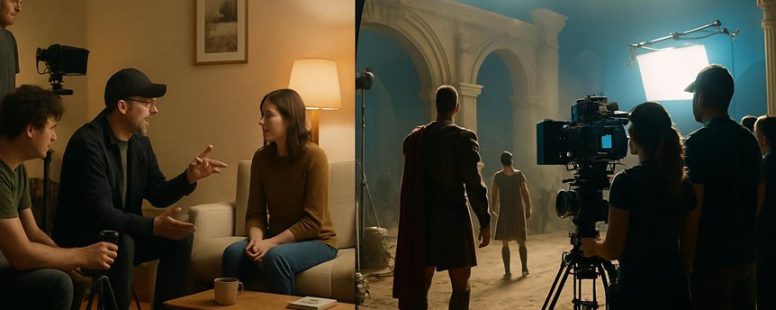
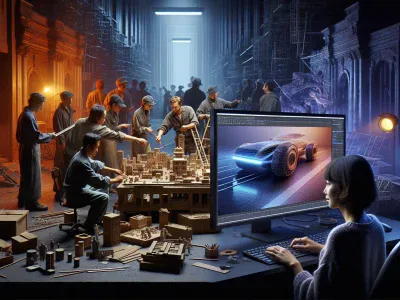
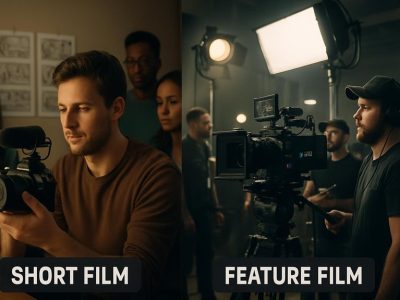
Navigating the world of filmmaking is like choosing between a quiet, intimate jazz club and a roaring stadium concert. Do you crave the artistic freedom of indie films or the broad reach of blockbusters? Each path offers a different rhythm—independent films often dance with limited resources but spark profound creativity.
While blockbusters roar with massive budgets and global audiences. Surprisingly, indie projects can teach you agility and innovation that stay with you long after the credits roll. Understanding these differences can sharpen your vision and help you decide which stage feels most like home.
What Are Indie Films and Blockbusters, Anyway?
Indie films are movies made outside of the big studios with smaller budgets. They often tell unique stories that you might not see in big movies. Indie films focus on real emotions and creative ideas. For example, movies like “Little Miss Sunshine” and “Moonlight” are indie films. They usually attract a smaller, more niche audience who want different kinds of stories.
Blockbusters are movies made with very large budgets. They are designed to bring in a lot of money and attract big crowds. These movies often have exciting action scenes, well-known stars, and familiar stories. Think about movies like “Avengers” or “Star Wars.” They are made to appeal to many people and usually become popular worldwide.
The main difference is that indie films aim to tell unique stories and express artistic ideas. They might not make as much money but are loved for their creativity. Blockbusters try to reach the largest audience possible and make huge profits. Both types of movies are important because they give viewers a variety of choices. Indie films can be more personal and different, while blockbusters are big, exciting events that many people enjoy.
How Do Budgets Differ Between Indie and Blockbuster Films?
The main difference between indie and blockbuster films is their budget size. Indie films usually have small budgets, often less than a few million dollars. In contrast, blockbuster movies can cost hundreds of millions of dollars to make.
Indie films get their money from personal savings, small grants, or crowdfunding websites like Kickstarter. These films often rely on volunteers or low-cost equipment to keep costs down. For example, the movie “Clerks” by Kevin Smith was made for about $27,000 and became a hit.
Blockbusters, on the other hand, get big investments from major studios like Warner Bros. or Disney. These movies spend millions on special effects, big sets, and famous actors. The Marvel movies, for example, often cost over $200 million to produce.
Some people say the big budgets help blockbusters look better and attract more viewers. Others argue that indie films can be more creative because they have less money to spend.
It is also good to remember that a high budget does not always mean a better movie. Sometimes, indie films win awards and get noticed despite their small budgets.
Budget Size Disparities
Budget sizes are very different between indie films and big blockbusters. Indie films usually have less than one million dollars to make. Big movies, like those from Marvel or Disney, can cost over 200 million dollars. This huge difference in money affects how each type of film is made.
Because indie films spend less money, they can make a profit easier. They often reach smaller, more passionate audiences. For example, a small indie film might target fans of a specific music genre or local community. On the other hand, blockbusters try to reach as many people as possible around the world. They aim for mass appeal, hoping millions will watch.
The amount of money also affects the risks. Indie films are less risky because they cost less. If they do well, they can make a good profit. Big movies spend a lot and need huge audiences to make their money back. Sometimes, even big movies can lose money if they do not attract enough viewers.
In simple words, indie films are more about creative freedom with limited money, while big blockbusters focus on big budgets and large audiences. Both have their advantages and limits, but the size of the budget is a key factor shaping each film’s success.
Funding Sources Variations
Funding sources for indie films are different from those for big blockbusters. Indie movies usually get money from smaller, varied sources like crowdfunding, grants, private investors, or personal savings. These sources give indie filmmakers more control because they don’t have to answer to big companies or investors. For example, many indie filmmakers use Kickstarter or Indiegogo to raise funds from regular people who want to see the movie made. These smaller sources are less powerful and tend to have less say in how the film turns out.
Because indie films rely on many small sources, filmmakers can take more risks and tell unique stories that studios might avoid. But this can also mean less reliable funding, making it harder to plan long-term. Big movies, on the other hand, often get huge investments from major studios like Warner Bros or Universal, which can cover big costs but also come with strings attached.
Some indie filmmakers choose this path because it keeps them independent and creative. But they must be prepared for financial ups and downs. Overall, the way indie and blockbuster films get money shows a big difference in scale, influence, and how much freedom the creators have.
How Much Creative Freedom Do Indie and Blockbuster Films Offer?
Indie films usually give directors more control over their artistic ideas because they have less money and fewer rules to follow. This means they can try new things and tell stories in ways big movies might not. For example, a small indie film might focus on a personal story without worrying about pleasing large audiences or making a lot of money.
On the other hand, big blockbuster movies like Marvel or Star Wars have huge budgets and are made by big studios. These studios often have strict rules about what the movie can include to make sure it appeals to many people and earns a lot of money. This can limit what directors are allowed to do creatively. Sometimes, they have to stick to a script or use certain characters, which might stop them from making their own unique film.
Some people like indie films because they feel more original and personal. But others might prefer blockbusters for their amazing visuals and big action scenes. However, making big movies is more risky because they need to spend a lot of money, and if the film doesn’t do well, the studio loses a lot of money.
In short, indie films usually offer more creative freedom because they have fewer restrictions, while blockbuster films are more controlled due to their size and money. Both have their good and bad sides, and it depends on what kind of movie you enjoy most.
Artistic Vision Control
Creative freedom is the main factor that shapes a film’s final look. Indie films often give directors more control over their artistic vision than big-budget blockbusters do. This freedom helps filmmakers tell stories that feel real and look different from what you usually see in theaters.
Here are three main differences:
Indie filmmakers usually face fewer rules. They can focus on making a movie that shows their true artistic ideas instead of just trying to make money. For example, a small film might explore a new style or topic that big films wouldn’t take a risk on.
This control helps keep the story authentic. The director’s original vision stays clear, so the film feels honest and true. A good example is the film “Clerks” by Kevin Smith, which kept its raw, personal style because the creator had full control.
Visual storytelling becomes more personal and experimental. Indie directors often try new camera angles, lighting, or editing styles. This makes their films stand out and show their unique voice. Think of how “Moonlight” by Barry Jenkins uses colors and lighting to tell a story about identity.
Some people say that indie films are better because they are more genuine and creative. Others warn that less money means sometimes lower quality or fewer resources. Big movies can afford huge sets and special effects, but they might lose some originality.
In the end, indie films give directors a chance to create something different and personal, which big blockbusters might not offer due to commercial rules.
Budget Constraints Impact
Budget constraints are a big factor in filmmaking. They are the limits on how much money a film can spend. These limits often decide how much freedom a director has to create. When a film has a high budget, it can spend more on special effects, big sets, and famous actors. This makes it easier to make a big, flashy movie, but it also means the studio wants to make sure they make their money back. They often stick to proven formulas to reduce risks.
On the other hand, indie films usually have smaller budgets. Because they don’t need to appeal to a huge audience, they can take more creative risks. For example, a small indie movie might experiment with unusual storylines or unique filming styles. These movies are willing to try new ideas because they don’t have to make tons of money quickly.
Big movies like Marvel films or blockbuster action movies need large investments. Studios want them to attract many viewers, so they often stick to safe stories that worked before. This can limit directors from trying something new or different. They might feel pressure to follow familiar formulas to make sure the film will succeed.
Who Are the Main Audiences for Indie Films and Blockbusters?
Indie films and blockbuster movies have very different audiences. Indie films are usually watched by people who look for unique stories, artistic effort, and different genres that are not shown often in big studios. These viewers want movies that connect with them on a deeper level and make them think. For example, films from small studios like A24 often attract viewers who like to see fresh ideas and new voices in filmmaking.
On the other hand, blockbuster movies are made for a large group of people. They often feature big action scenes, well-known stars, and stories that are easy to understand and enjoy quickly. People who go to see these movies want excitement and fun, like superhero movies from Marvel or big sci-fi adventures. They prefer films that give a lot of visual effects and fast-paced entertainment that appeals to many ages and tastes.
Both groups of viewers show different ways of watching and loving movies. Indie fans may watch films at smaller theaters, film festivals, or online streaming platforms like Netflix or Hulu. They often look for movies that are different and more meaningful. Meanwhile, blockbuster fans often visit large theaters with friends or family to see the newest hit on opening night. They seek movies that give them a quick escape from everyday life.
Knowing these differences can help filmmakers and marketers decide how to create and promote movies. Indie films might focus on reaching niche audiences through social media or film festivals, while blockbusters aim for mass marketing and wide release. Recognizing these preferences helps in understanding why some movies succeed with certain viewers and not others.
How Do Storytelling Styles Vary: Artistic Depth or Spectacle?
Storytelling styles can be seen mainly in two ways: artistic depth or spectacle. Each style has different goals and appeals to different viewers.
Artistic depth means focusing on meaningful stories. Indie films often use visual storytelling to show complex themes and characters. These movies invite viewers to think and find hidden messages. For example, films like “Eternal Sunshine of the Spotless Mind” explore emotions and memories in a way that makes you think. Indie films like these challenge viewers with layered stories and subtle details. They are about creating an emotional connection and making you see things in new ways.
On the other hand, spectacle focuses on big visuals and exciting scenes. Blockbusters like “Avengers” or “Jurassic Park” use impressive effects and fast action to grab your attention quickly. These movies aim for immediate fun and wide appeal. They often rely on stunning visuals, loud sounds, and thrilling sequences to keep viewers on the edge of their seats. Spectacle movies may not have as many layers, but they entertain with their grand scale and visual excitement.
Both styles have their strengths and limits. Artistic films can be more meaningful but may not attract large audiences fast. Spectacle movies are great for quick excitement but might lack deeper messages. Filmmakers choose their style based on what kind of story they want to tell and who they want to reach. Understanding these differences helps creators decide whether to focus on artistic depth or spectacle to best tell their story.
What Are the Typical Production Timelines for Indie vs. Blockbuster Films?
The time it takes to make a film depends a lot on whether it is an indie film or a blockbuster. Indie films usually take less time, often about 3 to 6 months to complete. They have smaller budgets, fewer cast members, and simpler setups, which help speed up production. For example, a small indie film might be shot in one location over a few weeks and finished quickly.
Blockbuster movies, on the other hand, can take 1 to 2 years to make. These films need big crews, special effects, and detailed planning. It’s like building a giant puzzle that takes many months to put together. Sometimes, casting big stars can slow things down because negotiations take time. Also, setting up large scenes with lots of CGI or special effects adds to the schedule.
Some people think indie films are faster because they have fewer resources, but that can also mean less time for re-shoots or editing. Blockbusters might take longer but can afford more time for high-quality visuals and complex scenes.
In short, indie films are quick projects that focus on getting the story done fast. Blockbusters are big projects that need more time to make sure every detail is just right. Both have their advantages and challenges, depending on the goals and budget of the movie.
How Do Marketing Strategies Differ for Indie and Blockbuster Films?
Marketing strategies for indie and blockbuster films are very different because they aim at different audiences and have different budgets. Indie films, such as those by A24 or Neon, focus on small, niche groups. They use social media, film festivals, and community events to reach fans who love unique stories. Indie filmmakers often rely on word-of-mouth and direct contact to spread the word about their movies. Since they don’t have big budgets, they must be creative and careful about where they spend their money.
Blockbuster films like Marvel’s Avengers or Star Wars use large-scale marketing. They advertise on TV, billboards, and online to reach millions of people worldwide. These movies want to attract a wide, general audience. They use trailers, famous actors, and tie-in products to make sure everyone knows about the film. Big studios spend millions on marketing campaigns to make sure the film is seen everywhere.
Some people say indie films have more authentic marketing because they focus on real fans and community. But others argue that big movies need mass marketing to succeed. Both ways can work, but they need different approaches. Indie filmmakers should be careful about wasting their small budgets, while big studios can take bigger risks with their spending.
What Impact Do Indie and Blockbuster Films Have on Filmmakers’ Careers?
A successful indie film can really boost a filmmaker’s career by showing their unique style and attracting dedicated fans. Indie films usually focus on creative stories and different ideas that big studios might not take risks on. For example, movies like “Clerks” by Kevin Smith started small but built a loyal audience that appreciated its originality. Indie films often use niche or online platforms to reach viewers, which can help filmmakers stand out.
On the other hand, working on blockbuster films can open many doors quickly. Big movies like Marvel or Star Wars reach millions of people and are shown in theaters worldwide. This gives filmmakers a lot of exposure and helps them connect with important people in the industry. For instance, directors like J.J. Abrams gained fame through blockbuster hits that made their names known across the globe.
There are a few key differences. First, indie movies help build a reputation for originality and creative vision. Big films show that a filmmaker can work on large projects and succeed commercially. Second, working on big movies lets filmmakers meet influential industry leaders and expand their professional network. Third, indie films usually allow more artistic freedom because there’s less pressure to make a film that appeals to everyone. But big films often prioritize mass appeal, which can limit creative choices.
Some filmmakers prefer indie work because it gives them more control and allows their true voice to shine. Others aim for big studio projects because they bring fame and financial success faster. However, indie films might not reach as many people as blockbusters, and it can be harder to get funding or distribution. Conversely, blockbuster films often require years of hard work and large budgets, so not every filmmaker gets the chance to participate.
How to Decide Which Filmmaking Path Fits Your Goals?
Choosing the right filmmaking path depends on what you want to achieve and what kind of work you enjoy. There are two main routes: indie films and big studio blockbusters. Each has its own benefits and challenges.
If you want to keep creative control and make more personal films, indie filmmaking might be the best choice. Indie films often allow for more experimentation because you can try new ideas without needing to please large studios. These films usually reach smaller audiences but create a stronger connection with viewers who appreciate authentic stories. For example, filmmakers like Quentin Tarantino started with indie films before becoming famous. But remember, indie films can take longer to make and often have smaller budgets.
On the other hand, if you dream of making big movies that reach millions, working on blockbuster films could be right for you. These movies often have large budgets, high-end special effects, and wide release theaters. They can give you more exposure and resources. Think about famous directors like James Cameron, who made the blockbuster “Avatar.” However, working on big films can mean less creative freedom because studios have many rules, and you might need to follow strict guidelines.
To decide which path fits your goals, ask yourself some questions. Do you want to tell personal stories or create large spectacle? Are you comfortable with collaboration or do you prefer to work independently? Also, consider how each path affects your ability to connect with viewers and express your vision.
A good way to start is by trying small projects in both areas. For example, make a short indie film and then work on a bigger project if possible. This helps you see what you enjoy more. Remember, both routes have their pros and cons, and many filmmakers switch between them during their careers.
In the end, your choice should match your long-term goals and the kind of filmmaking experience you truly want. Whether you aim for personal stories or big spectacles, the right path will help you grow as a filmmaker.
To provide the best experiences, we use technologies like cookies to store and/or access device information. Consenting to these technologies will allow us to process data such as browsing behaviour or unique IDs on this site. Not consenting or withdrawing consent, may adversely affect certain features and functions.
Functional
Always active
The technical storage or access is strictly necessary for the legitimate purpose of enabling the use of a specific service explicitly requested by the subscriber or user, or for the sole purpose of carrying out the transmission of a communication over an electronic communications network.
Preferences
The technical storage or access is necessary for the legitimate purpose of storing preferences that are not requested by the subscriber or user.
Statistics
The technical storage or access that is used exclusively for statistical purposes.The technical storage or access that is used exclusively for anonymous statistical purposes. Without a subpoena, voluntary compliance on the part of your Internet Service Provider, or additional records from a third party, information stored or retrieved for this purpose alone cannot usually be used to identify you.
Marketing
The technical storage or access is required to create user profiles to send advertising, or to track the user on a website or across several websites for similar marketing purposes.