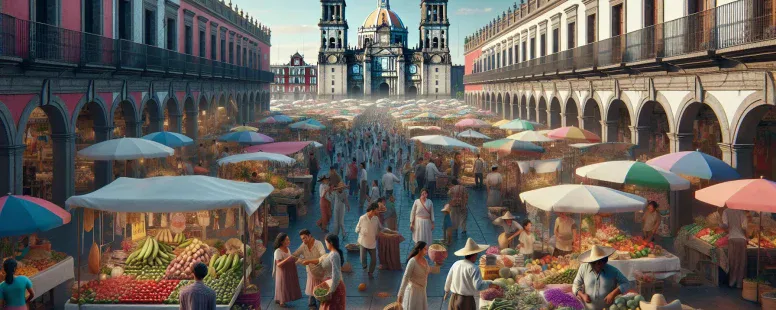
Picture yourself wandering through vibrant streets, each corner brimming with its own unique charm. Mexico City and Oaxaca City offer two distinct worlds within the heart of Mexico, each promising unforgettable experiences. One captivates with its sprawling urban energy and modern-meets-historic vibe, while the other enchants with its laid-back pace, colorful traditions, and rich indigenous culture.
As you decide between these two captivating destinations, it’s not just a choice between cities—it’s a choice between atmospheres. Will you jump into the bustling art scenes and endless culinary delights of Mexico City? Or will Oaxaca’s earthy flavors, cobblestone streets, and timeless festivals steal your heart? Both have their allure; now it’s time to uncover which one speaks to your travel soul.
Overview Of Mexico City And Oaxaca City
Mexico City, the sprawling capital of Mexico, combines a rich historical background with modern urban development. You’ll find iconic landmarks like the Zócalo and Chapultepec Park alongside contemporary art galleries and skyscrapers. The city’s population exceeds 9 million, making it one of the most densely populated cities globally. Its vibrant energy draws those seeking diverse culinary experiences, world-class museums such as Museo Frida Kahlo, and bustling nightlife.
Oaxaca City, located in southern Mexico, offers a contrasting experience with its smaller scale and more relaxed pace. Recognized as a UNESCO World Heritage Site for its historic architecture and archaeological sites like Monte Albán, it’s deeply rooted in indigenous traditions. The city is celebrated for its colorful festivals such as Guelaguetza and authentic regional cuisine including mole varieties and tlayudas. With a population of around 300,000 people, Oaxaca provides an intimate atmosphere that encourages cultural immersion.
While Mexico City’s cosmopolitan appeal caters to urban explorers craving variety on every corner, Oaxaca City’s charm lies in its connection to ancestral heritage and artisanal craftsmanship like alebrijes or handwoven textiles. Both destinations reflect distinct facets of Mexican identity yet cater to differing travel preferences depending on whether you seek metropolitan excitement or cultural depth in your journey.
Cultural Experiences
Both Mexico City and Oaxaca City offer rich cultural experiences that reflect Mexico’s diverse heritage. From historic landmarks to traditional practices, each city provides a unique perspective on the country’s identity.
Historical Landmarks In Mexico City
Mexico City’s historical landmarks showcase its blend of pre-Hispanic and colonial influences. The Zócalo, one of the largest public squares globally, is surrounded by architectural marvels like the Metropolitan Cathedral and National Palace. Nearby, Templo Mayor reveals remnants of the Aztec empire, offering insight into ancient civilizations.
Museums such as Museo Nacional de Antropología house artifacts spanning thousands of years. Chapultepec Castle adds another layer with its 18th-century elegance and panoramic views. These sites highlight how history shapes daily life in this sprawling metropolis.
Traditional Charms Of Oaxaca City
Oaxaca City’s traditions are rooted in indigenous culture, evident through its handicrafts, festivals, and culinary arts. Markets like Mercado Benito Juárez sell handmade textiles and alebrijes (colorful wooden carvings), showcasing artisanal craftsmanship passed down generations.
Festivals like Día de los Muertos transform streets into vibrant displays of altars, flowers, and music. Monte Albán further connects you to Zapotec heritage through well-preserved ruins atop a hill overlooking the valley.
Unlike Mexico City’s urban pace, Oaxaca fosters an intimate connection with ancestral customs that resonate deeply across its communities.
Culinary Delights
Both Mexico City and Oaxaca City captivate with their culinary offerings, reflecting the diverse heritage of Mexican gastronomy.
Street Food And Fine Dining In Mexico City
Mexico City’s food scene combines high-end dining with vibrant street food culture. You encounter iconic street snacks like tacos al pastor, tlacoyos, and esquites in bustling neighborhoods such as Condesa or Coyoacán. Vendors craft these delights with precision, often using recipes passed down through generations. For an upscale experience, restaurants like Pujol—ranked among the world’s best—offer innovative tasting menus that reimagine traditional flavors.
The city’s markets also provide a sensory feast. At Mercado de San Juan, exotic ingredients like grasshoppers (chapulines) or huitlacoche (corn fungus) showcase Mexico’s adventurous palate. If you seek variety, you find global cuisines here too, blending international influences with local flair.
Authentic Flavors Of Oaxacan Cuisine
Oaxaca City’s culinary identity revolves around its deep-rooted traditions. Known as the “land of the seven moles,” it offers rich sauces made from complex blends of chilies, chocolate, and spices; mole negro is a standout example. You taste authenticity at mercados like Mercado 20 de Noviembre, where tlayudas—crispy tortillas topped with beans and cheese—are prepared fresh before your eyes.
Mezcal production defines Oaxaca’s beverage culture. Distilleries outside the city let you sample this smoky spirit while learning about its artisanal crafting process. Seasonal dishes tied to festivals enhance your experience; during Día de los Muertos celebrations, pan de muerto (sweet bread) reflects cultural significance alongside its delicious appeal.
Both cities highlight distinct perspectives on Mexican cuisine: modern innovation thrives in Mexico City while ancestral methods preserve tradition in Oaxaca City.
Cost Of Living And Affordability
Mexico City and Oaxaca City differ greatly in terms of cost of living, making each appealing to different budgets. While Mexico City’s urban lifestyle often comes with higher expenses, Oaxaca City’s smaller scale offers more affordability.
Accommodation And Transportation
Accommodation costs are notably higher in Mexico City. For instance, renting a one-bedroom apartment in the city center averages around $700–$900 per month. Comparatively, a similar rental in Oaxaca City typically ranges from $300–$500 monthly. Hotels and Airbnb options also follow this trend, with upscale choices like Polanco’s boutique hotels costing significantly more than boutique stays near Oaxaca’s Zócalo.
Public transportation is affordable but differs in quality and coverage between the cities. Mexico City’s Metro system, costing approximately $0.30 per ride, connects vast areas efficiently but can be overcrowded during peak hours. In contrast, Oaxaca relies on colectivos (shared taxis) and buses averaging $0.50–$1 per trip; these provide access within the city yet lack extensive routes for long-distance travel.
Owning a car incurs higher costs in Mexico City due to fuel prices and parking fees that range between $2–$10 daily depending on location.
Dining And Entertainment
Dining out reflects varied pricing too. In Mexico City, mid-range restaurants charge about $15–$25 per person for meals at spots like Contramar or Rosetta while street food options such as tacos al pastor cost around $1 each. Meanwhile, dining locally in Oaxaca provides traditional meals like mole dishes for just $5–$10 at family-run eateries or mercados.
Entertainment expenses highlight further contrasts: catching live performances at Palacio de Bellas Artes could exceed $50 per ticket whereas attending cultural events like Guelaguetza Festival has free or low-cost options if planned early enough.
Nightlife follows suit with upscale bars in Roma Norte charging cocktails upwards of $10 compared to mezcalerías across Oaxaca serving artisanal mezcal shots for under $5.
Natural Beauty And Climate
Mexico City and Oaxaca City offer contrasting experiences of natural beauty and climate, each appealing to different preferences. Both cities highlight Mexico’s diverse landscapes while providing unique opportunities for visitors.
Urban Parks And Green Spaces In Mexico City
Mexico City balances its urban density with sprawling parks and green spaces. Chapultepec Park, one of the largest city parks in the world at over 1,695 acres, provides a serene escape with wooded areas, lakes, museums like the Museo Nacional de Antropología, and even a zoo. Bosque de Aragón offers an alternative with picnic spots and trails that attract families seeking nature within the city limits. Smaller parks such as Parque México in Condesa add charm through art deco fountains and quiet walking paths.
The city’s altitude at 7,350 feet affects its temperate climate. Summers are rainy yet mild, while winters remain cool without being harsh. If you’re exploring outdoor attractions like Xochimilco’s canals or Ajusco mountain hikes during summer months (June to September), expect lush greenery but prepare for afternoon showers.
Scenic Surroundings And Weather In Oaxaca City
Oaxaca City’s natural surroundings showcase mountainous terrain mixed with vibrant valleys. The Sierra Madre del Sur encircles the region, offering stunning vistas from viewpoints like Hierve el Agua—a petrified waterfall where mineral pools overlook rugged cliffs. Monte Albán’s hilltop ruins provide panoramic views of the central valley below.
With an elevation of approximately 5,100 feet above sea level, Oaxaca enjoys a warm subtropical highland climate year-round. Daily temperatures average between 60°F–85°F (16°C–29°C), making outdoor activities comfortable for most visitors. Dry season runs from November to April when clear skies dominate; meanwhile—the rainy season transforms landscapes into lush green canvases perfect for scenic drives or exploring local villages nestled among hillsides.
Both destinations highlight nature differently—urban escapes in Mexico City contrast against Oaxaca’s rural serenity surrounded by mountains and cultural landmarks intertwined into its environment.
Nightlife And Entertainment
Mexico City offers a dynamic nightlife with diverse venues, while Oaxaca City provides a more laid-back and culturally immersive evening experience. Both cities cater to different preferences, creating distinct atmospheres for entertainment.
Bustling Nightlife Of Mexico City
Mexico City’s nightlife thrives across neighborhoods like Polanco, Roma, and Condesa. With upscale bars such as Limantour (ranked among the world’s best cocktail bars) and nightclubs like Mama Rumba featuring live salsa music, you’ll find options for every taste. The Zona Rosa district attracts a younger crowd with vibrant LGBTQ+ clubs and karaoke lounges.
Cultural events also enrich the city’s offerings. Teatro de la Ciudad showcases performances ranging from opera to contemporary dance. Late-night mariachi bands at Plaza Garibaldi add authenticity to your experience. If you’re seeking variety, this metropolis keeps its energy alive until dawn.
Relaxed Evenings In Oaxaca City
Oaxaca City’s evenings celebrate traditions through cultural performances and artisanal mezcal tasting rooms. Venues like Los Danzantes combine local cuisine with curated cocktails in charming courtyards. Alternatively, sip on craft beers at La Santísima Flor de Lúpulo or explore rooftop terraces that overlook colonial streets.
The Zócalo remains a hub of activity where marimba bands play under twinkling lights as locals gather for conversation or festivities. During festivals like Guelaguetza or Día de los Muertos, processions bring the city alive with colorful costumes and music well into the night—a serene yet festive contrast to urban club scenes elsewhere in Mexico.
Which City Is Right For You?
Choosing between Mexico City and Oaxaca City depends on what you’re looking for in a destination. Both cities offer distinct experiences, but their appeal varies based on your interests, lifestyle preferences, and travel goals.
Urban Energy vs. Cultural Intimacy
If you thrive in a bustling urban environment with endless activities, Mexico City suits you. The city’s population of over 9 million creates a vibrant atmosphere filled with modern art galleries, international cuisines, and nightlife hotspots like those in Roma and Condesa neighborhoods. Iconic landmarks such as the Zócalo or the Museo Nacional de Antropología combine history with urban sophistication.
On the other hand, if you value cultural immersion and a slower pace of life, Oaxaca City’s charm stands out. With its smaller population of approximately 300,000 residents, it provides an intimate setting where traditions dominate daily life. Explore Monte Albán’s ancient ruins or participate in local festivals like Guelaguetza to connect deeply with indigenous heritage.
Foodie Adventures
For culinary enthusiasts seeking variety and innovation alongside street food classics, Mexico City’s dining scene is unmatched. Enjoy tacos al pastor from roadside vendors before heading to Michelin-starred Pujol for experimental tastes rooted in Mexican tradition.
Oaxaca offers authenticity through regional dishes like mole negro or fresh tlayudas found at Mercado Benito Juárez. Its mezcal distilleries make it ideal for those interested in artisanal beverages tied directly to local culture.
Budget Considerations
Your budget might influence your choice significantly. Mexico City’s cosmopolitan amenities come at higher costs; renting centrally averages $700–$900 monthly compared to $300–$500 in Oaxaca. Dining out follows similar trends—expect mid-range meals to cost around $15–$25 per person versus $5–$10 at traditional eateries in Oaxaca.
Climate & Natural Surroundings
If temperate weather appeals most during summer months without extreme heat waves impacting outdoor plans then Mexico City offers balance due too its altitude-related climate moderation while sprawling parks provide green escapes within city limits!
Conclusion
Choosing between Mexico City and Oaxaca City eventually depends on what you’re looking for in a destination. Both cities showcase the richness of Mexican culture, yet they offer completely unique experiences. Whether you’re drawn to the vibrant energy and cosmopolitan lifestyle of Mexico City or the intimate charm and deep-rooted traditions of Oaxaca, you’ll find something to inspire your journey.
Consider your personal preferences, budget, and travel goals when deciding which city to explore. Whichever you choose, you’re guaranteed an unforgettable adventure filled with history, flavors, and memories that reflect Mexico’s incredible diversity.
To provide the best experiences, we use technologies like cookies to store and/or access device information. Consenting to these technologies will allow us to process data such as browsing behaviour or unique IDs on this site. Not consenting or withdrawing consent, may adversely affect certain features and functions.
Functional
Always active
The technical storage or access is strictly necessary for the legitimate purpose of enabling the use of a specific service explicitly requested by the subscriber or user, or for the sole purpose of carrying out the transmission of a communication over an electronic communications network.
Preferences
The technical storage or access is necessary for the legitimate purpose of storing preferences that are not requested by the subscriber or user.
Statistics
The technical storage or access that is used exclusively for statistical purposes.The technical storage or access that is used exclusively for anonymous statistical purposes. Without a subpoena, voluntary compliance on the part of your Internet Service Provider, or additional records from a third party, information stored or retrieved for this purpose alone cannot usually be used to identify you.
Marketing
The technical storage or access is required to create user profiles to send advertising, or to track the user on a website or across several websites for similar marketing purposes.