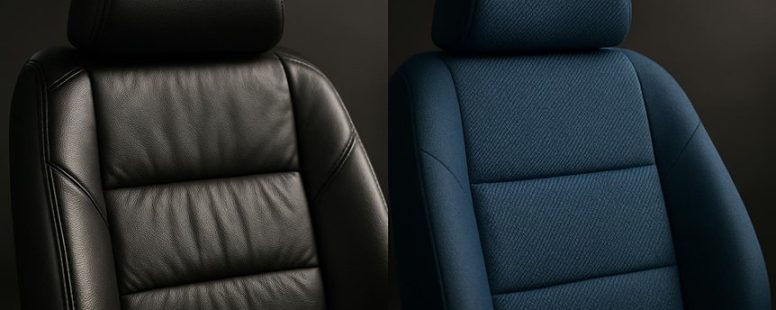
Thinking about upgrading your car seats might seem straightforward, but beneath the surface lies a world of choices—each with its own story to tell.
Leather gleams like a polished gem, whispering luxury, while cloth invites comfort and practicality. As you weigh these options, consider that cloth seats often resist spills and stains better than you’d expect—almost like a secret armor for your interior.
The decision isn’t just about looks; it’s about feeling confident in your choice, knowing it suits your lifestyle and budget.
Sometimes, the most obvious choice isn’t the best—until you see what truly fits your ride.
Leather Vs Cloth: What’s The Real Difference?
Leather seats are usually better than cloth if you want something more durable and easy to clean. Leather resists spills and stains better, so with proper care, they tend to last longer. If you look for a fancy, polished look, leather’s shiny surface and smooth feel can make your car’s interior look more upscale. But leather can be expensive and may get hot in summer or cold in winter, which might make it uncomfortable for some.
Cloth seats are a good choice if you want more color options and a casual style. They come in many patterns and shades, so you can pick something that fits your personality. Cloth is also more breathable, which helps keep you cool in hot weather. However, cloth can stain more easily and might wear out faster if you don’t take care of it. Some folks worry about spills and dirt showing more on cloth, but it’s often less expensive to replace or repair.
Both materials have their good and bad sides, so think about what matters most to you. Do you want a sleek look and easy cleaning? Go with leather. Do you prefer comfort and lots of style options? Cloth could be better. Remember, no matter what you choose, regular cleaning helps your seats last longer and stay looking nice.
Leather Vs Cloth Seats: Which Is More Comfortable?
Leather seats are often seen as more luxurious, but they might not always be more comfortable. Cloth seats are usually softer and breathe better, which can make sitting in them more pleasant, especially on hot days. Leather feels smooth and sleek, but it can get very hot in the summer or cold in the winter, which might make you uncomfortable. Cloth seats tend to stay at a more steady temperature and feel warmer or cooler depending on the weather.
Comfort also depends on the padding. Cloth seats often have thicker cushions, which some people find better for long drives. Leather seats can feel firmer, but they offer good support if you prefer a stable surface. If you drive a lot or spend long hours in your car, cloth might be more comfortable because it’s softer and more forgiving. However, leather is easier to clean and looks newer longer, which some drivers prefer.
Some people prefer leather for its style and easy maintenance, but others find cloth more cozy and relaxing. The choice really depends on what you value more: the plush feel of cloth or the sleek look of leather. Think about your climate and how long you sit in your car each day. For many, cloth seats often win out for everyday comfort because they feel softer and stay at a better temperature.
Leather Vs Cloth Seats: Which Lasts Longer?
Leather seats usually last longer than cloth seats if you take care of them. Leather is naturally tougher and can resist wear better over time. Cloth seats tend to fade, stain, or tear more easily, which means they often need replacement sooner.
However, leather needs regular cleaning and conditioning. If you forget to care for it, cracks and dryness can happen. Cloth seats might seem more durable at first because they don’t require special upkeep, but they can still wear out faster because of fabric pilling and fading from sun exposure.
For example, a family with kids might find leather seats a better choice because they hold up longer, but they must be willing to clean and condition them regularly. On the other hand, cloth seats are easier to care for but might need replacing after a few years.
Some say leather is a good long-term investment because of its durability. Others argue that cloth is cheaper upfront and easier to maintain but doesn’t last as long.
Leather Vs Cloth Seats: Which Is Easier To Clean?
Leather seats are usually the easiest to clean. Their smooth surfaces make wiping away spills simple because liquids don’t soak in easily. This means you don’t have to clean them as often or scrub hard to remove stains. Many car owners, like those with luxury brands such as BMW or Mercedes, prefer leather because it saves time and keeps the seats looking new with just a quick wipe.
Cloth seats, however, can be more tricky. They absorb liquids and dirt, which makes stains harder to remove. Cleaning cloth seats often needs more effort and frequent deep cleaning. For example, if you spill coffee on cloth seats, it might leave a stubborn stain unless you act fast and use special cleaners. Some people like cloth for comfort, but they should know it might need more work to keep clean.
Both types have good and bad points. Leather is easier to clean but can be more expensive and sometimes gets scratched. Cloth is cheaper and softer but harder to keep spotless. If you want a seat that’s quick and simple to clean, leather might be the better choice. Just use a damp cloth or leather cleaner, and your seats will look fresh again.
But remember, no seat is completely maintenance-free. Over time, leather can crack or fade if not cared for. Cloth can trap dust and allergens, which might be a concern for some. So, think about what matters most to you — easy cleaning or comfort — before picking between leather or cloth seats.
Leather Vs Cloth: Which Fits Your Car’s Style?
Leather seats are often seen as the best choice for a stylish, high-end look in a car. They give your vehicle a sleek, polished appearance that can make it feel more luxurious. Leather comes in rich colors like black, brown, or even red, which match well with sporty or luxury cars. But remember, leather needs regular cleaning and conditioning to stay shiny and new. If not taken care of, it can crack or fade over time.
Cloth seats, on the other hand, offer a comfortable, casual vibe. They come in many patterns and brighter colors, making your car feel fun and relaxed. Cloth is usually easier to keep clean—just vacuum and spot clean when needed. Some people prefer cloth because it stays cooler in summer and warmer in winter, making it more comfortable for everyday use. But cloth can stain more easily and might wear out faster if you have kids or pets.
Best Climate For Leather Vs Cloth Car Seats
Leather and cloth seats react very differently to climate, making some better choices depending on where you live. Leather can get really hot in the summer and cold in the winter, which can be uncomfortable. Cloth seats, on the other hand, tend to stay cooler in hot weather and warmer when it’s cold because they do a better job of managing moisture and temperature.
If you live somewhere with hot summers, cloth seats might be more comfortable because they don’t heat up as much. But if you’re in a cold area, leather might feel nice once it warms up. Keep in mind, leather can also get sticky and sweaty if it’s hot outside, and it might crack or fade over time if not cared for. Cloth seats are usually more durable against daily wear and tear and easier to clean, but they can stain more easily.
Some car brands like BMW and Mercedes-Benz often come with leather seats, which look fancy but require more maintenance. Brands like Honda or Toyota often use cloth seats, which are more budget-friendly and easier to care for.
In the end, if you want to stay comfortable all year round, think about your climate and how much effort you’re willing to put into cleaning and caring for your seats. Neither material is perfect in every situation, so consider your needs carefully.
Would you rather a seat that feels cool and smooth or one that keeps moisture away better? Your choice depends on your climate, lifestyle, and what feels best for you.
Temperature Impact On Comfort
Leather and cloth seats feel different because of how they handle temperature. The main thing is comfort during all seasons. Cloth seats usually stay more comfortable because they breathe better, while leather can get too hot or too cold.
Here is what I have seen:
Leather seats can become very hot in the summer, making sitting uncomfortable. In the winter, they can feel icy cold. This means you might need to warm up or cool down your seats before driving.
Cloth seats let air flow through better, which helps keep a steady temperature. They don’t get as hot or cold as leather.
If you live somewhere with mild weather, leather might not bother you much. But if it gets really hot or cold outside, cloth seats can be a big help in feeling comfortable.
Some people say leather looks nicer and lasts longer, but in really hot or cold places, cloth can be more comfortable. Just keep in mind, cloth might stain easier and needs cleaning more often. So, think about where you live and what matters most—look or comfort—when choosing.
Moisture Management Differences
Moisture management is key when choosing between leather and cloth car seats. Here’s what you need to know.
Cloth seats are great at absorbing moisture. If you sweat a lot or live in a humid place, cloth can soak up sweat quickly, making you feel less sticky. But if you don’t clean the seats often, they can trap odors and develop a mildew smell. Think of cloth like a sponge—good at soaking up moisture but needs regular cleaning to stay fresh.
Leather seats resist moisture better. They don’t soak up sweat like cloth, so they stay drier longer. You can wipe off spills and sweat easily, which helps keep the seats smelling good. Leather is also more resistant to mold in humid areas, making it a better choice if you live somewhere very humid or rainy.
Both materials affect how hot or cold your seats feel. Leather tends to stay cooler in summer because it doesn’t hold moisture. Cloth can get hot and sticky, especially if the sun beats down on it. However, leather needs regular care, like conditioning, to keep it looking good and prevent cracking. Cloth seats are cheaper and easier to clean but need more frequent cleaning to prevent odors and mold.
If you want seats that stay fresher longer without much effort, leather might be best. But if you don’t mind cleaning often and want a softer feel, cloth could work better. Think about your climate and how much time you’re willing to spend maintaining your seats.
Counter-Strategy Notes:
The original text claims leather is better at resisting moisture and mildew, but it may not be true for all leather types. Some cheap leather can crack or absorb sweat if not maintained. It’s also important to mention that cloth can be cleaned thoroughly with fabric cleaners, which the original overlooks.
Skeptical Consumer:
I’ve heard all this before—promises that leather is always better for moisture, but what about leather that gets cracked or stained easily? Regular cleaning is needed, which takes time. Cloth seats can be cleaned with simple soap and water, which seems easier. I doubt leather always stays cooler or fresher without extra care.
Distracted Scroller:
Wait, so cloth gets smelly but wipes easy, and leather stays dry but needs oil? Sounds complicated. I just want seats that don’t smell or get hot. If leather looks good but costs more and needs work, I might just pick cloth for now.
Final Synthesis:
Choose leather if you want a seat that resists moisture and mildew with less effort, especially in humid climates. Be prepared to clean and condition it regularly. Pick cloth if you prefer softness and easier cleaning, but remember it needs frequent washing to avoid odors and mold. Your choice depends on your climate, lifestyle, and how much time you want to spend caring for your seats.
Seasonal Suitability Comparison
Choosing the right seat material depends on where you live and what the seasons do to your car’s interior. Leather and cloth each have pros and cons based on climate and how much care they need.
Leather is best for cooler places because it keeps heat in, making it more comfortable in cold weather. But it needs regular care, like conditioning, to prevent cracks from dryness. If you forget to do this, your leather seats might crack or peel over time. Think about a car in Michigan—leather can be warm and cozy, but only if you keep up with maintenance.
Cloth seats work better in hot climates because they stay cooler and breathe easier. If you live in Texas or Florida, cloth might be more comfortable during summer. Cloth doesn’t need as much upkeep, but it can stain or hold onto heat if it gets very hot outside. Imagine sitting on a hot summer day and feeling your cloth seat heat up even more—that’s why some people prefer leather in hot weather, despite the upkeep.
Here’s a simple breakdown:
Leather is good for cold weather but needs regular conditioning to stay soft and avoid cracks.
Cloth is better in warm weather and is often easier to care for, but it can stain and get hot in the summer.
When you pick between leather and cloth, think about your local weather and how much cleaning and maintenance you’re willing to do. If you hate cleaning, cloth might be easier. If you like a fancy look and don’t mind regular care, leather could be the way to go. Just remember, no material is perfect. Both need some attention to stay nice.
Which Seats Are Safer And Healthier For You?
Choosing the right seat material can make a big difference in your safety and health when driving. Leather and cloth seats each have pros and cons that affect allergens, fire safety, and breathability. Here’s what you need to know to pick the safer, healthier option.
Leather seats are less likely to trap dust, mold, and allergens. If you have allergies, leather can be a better choice because it’s easier to clean and doesn’t hold onto dirt. But leather seats tend to get very hot in the summer and cold in winter, which can be uncomfortable and might cause sweating or chills. Also, some cheaper leather seats may not resist fire as well as cloth, so check the materials if fire safety is a concern.
Cloth seats are more breathable, which helps keep you cool and dry. This can prevent sweating and skin irritation, especially on long drives. However, cloth can trap dust, pet hair, and allergens more than leather. If you have allergies, cloth seats might make symptoms worse unless they are cleaned regularly. Cloth seats are usually less expensive and tend to resist fire better, but they can stain easily and might be harder to clean.
Both types of seats have their safety and health benefits. Leather is easier to wipe clean, reducing dust and allergens, but can be uncomfortable in hot weather. Cloth is more breathable, but can harbor allergens and stains. Think about your personal health needs, your climate, and how much effort you want to put into cleaning.
No seat material is perfect. If you want the safest and healthiest choice, consider how you feel about heat, allergens, and fire safety. Sometimes, adding seat covers or regularly cleaning your seats can make either option safer. Remember, the best seat for you depends on your health, safety concerns, and comfort.
Allergen Accumulation Differences
Leather seats are better for people worried about allergens. They don’t trap dust mites, pet dander, or pollen because their smooth surface stays cleaner. Cleaning is easy — just wipe with a damp cloth. Cloth seats, however, can hold onto dust, pet hair, and pollen deep in the fibers. They also trap moisture, which can lead to mold. Plus, dirt gets stuck, so you need to vacuum and shampoo often.
If you have allergies or asthma, choosing leather seats can help reduce exposure to these allergens. But some people prefer cloth seats because they are softer and feel more comfortable. Cloth seats might look cozy, but they need more cleaning to stay allergen-free.
Some may wonder if leather is worth the cost or if it wears out faster. Leather can be more expensive but lasts longer if cleaned properly. Cloth might be cheaper at first but can cost more over time with frequent cleaning. It also depends on your lifestyle. If you have pets or allergies, leather could be a safer choice.
Fire Resistance And Safety
Fire resistance is an important safety feature for car seats. Leather seats are generally more fire-resistant than cloth seats. This is because leather is dense and often treated to resist flames. Many leather seats get better safety ratings related to fire hazards. This can give you extra protection in emergencies.
Cloth seats are softer and more comfortable but usually made with synthetic fibers. These fibers can catch fire more easily and burn faster. That can be dangerous if a fire starts nearby. If safety matters to you, leather seats are a better choice because of their fire-resistant qualities.
Some people worry that leather might be less comfortable or more expensive. But if you want seats that add safety and help prevent fires, leather is a clear option. It’s good to know your seats not only look nice but also help keep you safe in case of a fire.
However, keep in mind that no seat is completely fireproof. It’s always best to check safety ratings and follow car safety rules. Leather seats are not perfect but do offer an edge when it comes to fire safety.
Breathability And Skin Health
Breathability is key for skin health in car seats. Cloth seats are better than leather because they let air flow through, which helps keep your skin dry and cool. This can help prevent skin irritation and rashes, especially on hot days or during long drives.
Here are some facts:
Cloth seats allow air to move around your skin, making you feel less sweaty.
Leather seats trap heat and moisture, which can cause sweating and irritation.
If you have sensitive skin, cloth seats are a safer choice because they reduce the chance of rashes caused by trapped moisture.
Some people like leather for its fancy look, but it can make you sweat more and cause discomfort. Cloth seats might not look as shiny, but they are better for skin health if you spend a lot of time in your car.
Think about it this way: Would you prefer sitting on a sponge that lets air in or a plastic bag that traps heat? Many drivers find that cloth helps them stay comfortable, especially during hot weather or long trips. However, cloth seats can get dirty easier and might wear out faster. Leather is easier to clean but worse for breathability.
In the end, if your goal is to stay comfortable and keep your skin healthy, cloth seats are usually the better choice. But remember, good ventilation and keeping your skin clean also matter. So, pick what works best for you and your driving habits.
Choosing Leather Or Cloth Seats For Your Lifestyle
Leather and cloth seats are common choices for car owners. The best type depends on your lifestyle and what you need from your seats. Here is a simple guide to help you decide.
Leather seats are durable and look fancy. They are easier to clean because stains can be wiped away easily. If you have kids or pets, leather can resist messes better. But leather seats need more care. They can crack or fade if not maintained properly. They also get hot in summer and cold in winter, which can be uncomfortable. Some car brands like BMW and Mercedes-Benz often use leather for a more luxurious feel.
Cloth seats are softer and feel cozier. They stay cooler in the summer and warmer in winter, making them more comfortable in extreme weather. Cloth seats are also better at hiding scratches and tears, which can be a plus if you have pets or kids. On the downside, they can stain more easily and may need more cleaning. If you prefer a budget-friendly option, cloth seats usually cost less than leather.
Your choice should match your daily routine. If you drive a lot and want easy cleaning, leather might be better. If you live in a hot climate and want comfort, cloth could be the way to go. Think about your family, pets, and how much you want to spend. For example, if you have a busy family with young kids, cloth seats might handle spills and scratches better. But if you want a luxury look and are willing to take care of them, leather is a good choice.
In summary, both options have good and bad points. Leather looks fancy but needs more care. Cloth is cozy and inexpensive but can stain easily. Think about your lifestyle, weather, and budget before making a decision. Remember, choosing the right seats can make your driving more comfortable and enjoyable.
How Leather Vs Cloth Seats Affect Your Budget And Resale Value
Choosing between leather and cloth seats can change how much you spend on a car and how much it’s worth later. Leather seats usually cost more when you buy the car but can help it sell for more later if they stay in good shape. Cloth seats cost less upfront but tend to wear out faster, which might make your car less appealing to buyers.
Here’s a simple comparison:
Leather seats: Cost more when buying, often increase resale value in luxury cars
Cloth seats: Cheaper at first, but may need cleaning or replacing sooner
Resale value: People often pay more for leather because it looks fancy and feels comfortable
If you want to save money now and later, think about how long you plan to keep your car. Leather might be better if you keep it for years and want a higher resale price. Cloth could be fine if you’re planning to sell soon or want to save money upfront.
Some brands like BMW and Mercedes usually offer leather seats, which can help with resale. But remember, leather needs care—if it’s not cleaned and conditioned, it can crack and look bad. Cloth seats are easier to clean but can stain or wear out faster, especially if you have kids or pets.
Both options have their good and bad sides. Leather adds luxury but costs more, while cloth saves money but might not last as long. Think about your budget, how long you want to keep the car, and what buyers in your area prefer. Making the right choice can save you money now and later.
To provide the best experiences, we use technologies like cookies to store and/or access device information. Consenting to these technologies will allow us to process data such as browsing behaviour or unique IDs on this site. Not consenting or withdrawing consent, may adversely affect certain features and functions.
Functional
Always active
The technical storage or access is strictly necessary for the legitimate purpose of enabling the use of a specific service explicitly requested by the subscriber or user, or for the sole purpose of carrying out the transmission of a communication over an electronic communications network.
Preferences
The technical storage or access is necessary for the legitimate purpose of storing preferences that are not requested by the subscriber or user.
Statistics
The technical storage or access that is used exclusively for statistical purposes.The technical storage or access that is used exclusively for anonymous statistical purposes. Without a subpoena, voluntary compliance on the part of your Internet Service Provider, or additional records from a third party, information stored or retrieved for this purpose alone cannot usually be used to identify you.
Marketing
The technical storage or access is required to create user profiles to send advertising, or to track the user on a website or across several websites for similar marketing purposes.