Think about the cozy quiet of a home wrapped in insulation—feeling warm, protected from the chill outside.
But when it comes to choosing between fiberglass and cellulose, the decision isn’t just about fluff and fibers. It’s about how these materials perform in real life—affecting your comfort, energy bills, and even moisture control.
Surprisingly, one option can offer better soundproofing, turning your space into a peaceful retreat.
Let’s dive into the differences that really matter and discover which insulation could be your home’s best ally.
Fiberglass Vs Cellulose Insulation: How They’re Made and Installed
Fiberglass and cellulose insulation are two common types people use to keep their homes warm and save on energy bills. They are made and installed differently, and each has its own advantages and disadvantages.
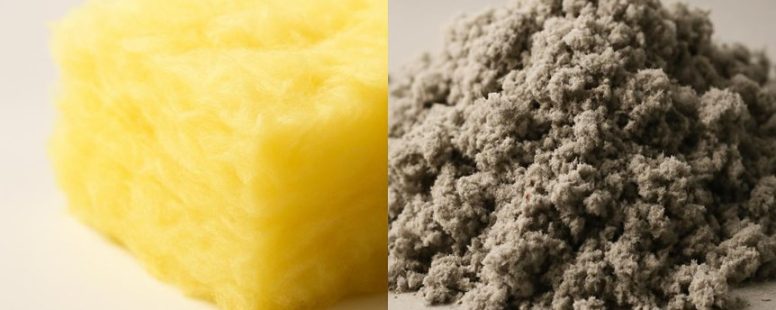
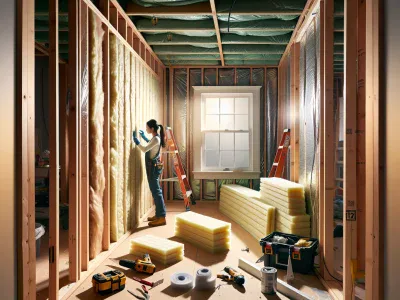
Fiberglass insulation is made by melting glass and spinning it into very thin fibers. These fibers are then shaped into batts or loose-fill material. Think of it like cotton candy made from glass. It is lightweight and easy to handle. To install fiberglass batts, you cut them to fit between wall studs or ceiling joists. You need to be careful while handling because the tiny glass fibers can irritate your skin or lungs. Some brands like Owens Corning or Johns Manville offer popular fiberglass products. However, if not installed properly, gaps might form, reducing its effectiveness.
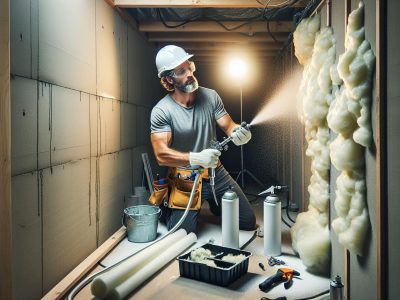
Cellulose insulation is made from recycled paper, mainly newspapers, treated with fire retardants to make it safe for homes. It looks fluffy and dense, similar to soft snow. To install cellulose, workers blow it into wall cavities or attics using special machines. This way, it fills all the tiny cracks and irregular spaces better than fiberglass batts. Cellulose tends to settle over time, so it might need topping up after a few years. Many homeowners choose cellulose because it is eco-friendly and often cheaper than fiberglass.
Some people prefer fiberglass because it is easier to cut and handle, especially for DIY projects. Others like cellulose because it insulates more thoroughly and is better at reducing air leaks. But beware, cellulose can settle and lose some of its insulating power over time, and it might need re-blowing. Fiberglass, on the other hand, can be tricky to install without gaps, which can reduce insulation performance.
In the end, both types can work well if installed correctly. Your choice depends on your home’s structure, your budget, and whether you prefer a more eco-friendly option. Do you want quick, easy installation or better filling of irregular spaces? Think about those questions before making a decision.
Which Insulation Saves More Energy: Fiberglass or Cellulose?
Fiberglass and cellulose insulation both help save energy, but they do so in different ways. The biggest difference is how well they prevent air leaks. Fiberglass insulation mainly focuses on stopping heat flow through the material itself. Cellulose, on the other hand, often does a better job sealing gaps and cracks in walls and attics.
For example, if your home has lots of small gaps around windows or wiring holes, cellulose can fill those spaces better. This can help cut down on drafts and improve energy savings over time. Some studies, like those from the Department of Energy, show that cellulose can reduce air leaks more effectively than fiberglass. But, fiberglass can be easier and cheaper to install in some cases.
However, both types have limits. Cellulose can settle over time, creating small gaps if not installed properly. Fiberglass might not seal gaps as well but is less likely to settle and lose effectiveness. So, if you want the best energy savings, consider not just the R-value but also how well the insulation can block air leaks.
In the end, the best choice depends on your home and budget. If sealing gaps is your priority, cellulose might be better. If ease of installation and cost matter more, fiberglass could work. Just remember, no insulation alone can save energy if your home has big leaks or poor sealing. Proper installation and sealing are key to saving money on heating and cooling bills.
Thermal Performance Comparison
Heat control depends a lot on how well insulation stops heat from escaping. When comparing fiberglass and cellulose, the main difference is how they perform in transferring heat. Here’s what I found about their R values:
Cellulose usually has a higher R value per inch, about 3.5 to 3.8, compared to fiberglass which is around 2.9 to 3.3. This means cellulose resists heat flow better.
Fiberglass’s thermal conductivity is a bit higher, so it lets more heat pass through than cellulose.
Keep in mind, how much energy you save depends on proper installation. But if we just look at thermal performance, cellulose generally works better than fiberglass.
Some experts say cellulose is more efficient because it blocks heat better. Others warn that if not installed right, it might not perform as well as fiberglass. So, before choosing, think about installation quality and your specific needs.
For example, if you have a cold climate, cellulose might save you more money. But if you’re on a tight budget, fiberglass could be cheaper upfront, even if it isn’t as effective long-term. Just remember, no insulation material is perfect, and poor installation can ruin the benefits of either choice.
Air Leakage Impact
Air leakage is just as important as thermal performance when it comes to saving energy. It’s a big factor because air leaks can let warm or cool air escape, making your heating and cooling systems work harder.
Cellulose insulation tends to be better at stopping air leaks than fiberglass. This is because cellulose is denser and fills gaps more completely, creating a good seal. This helps reduce drafts and stops heat from escaping through small cracks or gaps. When air leaks are minimized, your home stays warmer in winter and cooler in summer without using more energy.
Fiberglass insulation, however, often has tiny air pockets. These pockets can let air sneak through, which makes it less effective at stopping drafts. So, if you want to cut your energy bills and keep your home comfortable, cellulose insulation might be the better choice because it helps block air leaks better.
Some people worry that cellulose is messy to install or may settle over time. But it generally provides better air sealing. Others might prefer fiberglass because it is cheaper and easier to put in. Just remember, if air leaks are not controlled, even the best insulation will struggle to keep your home comfortable and energy-efficient.
In simple terms, think of insulation like a jacket. Cellulose is like a thick, tightly woven sweater that keeps heat in, while fiberglass is more like a loosely knit sweater with holes. Choosing the right insulation depends on how much you want to save on energy and how much effort you’re willing to put into sealing those tiny gaps.
Long-Term Energy Savings
Cellulose insulation is usually the best choice if you want to save money on your energy bills in the long run. It helps keep your home warmer in winter and cooler in summer by sealing gaps better than fiberglass does. This means less energy is needed to heat or cool your house. For example, I know people who installed cellulose and saw their monthly bills drop significantly over time.
Here are some reasons why cellulose often beats fiberglass for long-term savings:
Better air sealing – Cellulose fills cracks and gaps more tightly, reducing air leaks. This means your HVAC system doesn’t have to work as hard, saving energy. But, some argue that proper installation of fiberglass can also improve air sealing if done right.
Lasts longer – Cellulose settles less over time, so it keeps insulation performance stable for many years. Fiberglass can shift or settle, which might create gaps and reduce efficiency. Still, some say fiberglass is cheaper upfront, so it can be tempting even if it doesn’t last as long.
Eco-friendly options – Made from recycled paper, cellulose is more environmentally friendly. In some states, you can get rebates or incentives for choosing it, which saves you money upfront. However, cellulose must be installed properly to avoid moisture problems, or it might cause issues.
While fiberglass insulation is often cheaper to buy initially, cellulose can save you more money in the long run because it lowers energy bills and lasts longer. If your goal is to cut costs over many years, cellulose is usually the smarter choice. But, you should also weigh the installation quality and potential maintenance costs before deciding.
Moisture and Durability: How Fiberglass and Cellulose Hold Up Over Time
Fiberglass insulation is better at resisting moisture and lasting longer than cellulose. Fiberglass does not soak up water, so it helps prevent mold and keeps its insulating ability over time. Cellulose, made from treated paper, can absorb moisture if it is not installed correctly or if it gets wet. When cellulose gets damp, it can clump together and lose its insulating power.
In terms of durability, fiberglass usually lasts longer because it does not settle or break down as easily as cellulose. But, cellulose can fill gaps tightly and block air flow, which is good for insulation. If you want something that keeps moisture out and stays effective for many years, fiberglass is usually the safer choice.
However, some people prefer cellulose because it is made from recycled paper and is more eco-friendly. Still, it needs to be installed properly and protected from moisture. Both types have their pros and cons, so think about your climate and what matters most — long-lasting performance or environmental impact.
How Insulation Affects Indoor Air Quality and Allergies
Insulation affects the air we breathe inside our homes. The right insulation can help reduce allergens and indoor pollutants, making your indoor environment healthier. Here’s what you need to know about how different types of insulation impact indoor air quality:
Cellulose insulation is made from recycled paper. It naturally traps dust, pollen, and other particles. This helps improve air quality because fewer allergens float in the air. If you want an eco-friendly choice that can help with allergies, cellulose is a good option. But keep in mind, it needs proper installation to work well.
Fiberglass insulation is made from tiny glass fibers. Sometimes, these fibers can become airborne if the insulation isn’t sealed tightly. This can cause irritation or make allergies worse, especially for people sensitive to dust or fibers. If you choose fiberglass, make sure it’s installed correctly and sealed properly to prevent fibers from floating around.
Both types of insulation need good ventilation. Proper airflow helps dilute indoor pollutants and freshen the air. Without ventilation, even the best insulation can trap bad air inside.
Choosing the right insulation is about more than keeping your home warm. It can also influence your health and comfort. Think about your allergies and whether you want eco-friendly options. Remember, no insulation alone can solve all air quality issues, but it’s an important step. Be aware of the limits and make sure to combine insulation with good ventilation and air cleaning if needed.
Insulation Costs: Installation, Maintenance, and Long-Term Savings
Choosing the right insulation depends on more than just initial cost. The main factors to consider are installation, maintenance, and how much money you save over time. For example, when comparing fiberglass and cellulose, the costs can be surprising.
Fiberglass usually costs less to install at first. It’s easier and faster to put in, which keeps labor costs down. If you’re on a tight budget, fiberglass might seem like the best choice. But don’t forget about maintenance and energy savings later. Cellulose, made from recycled paper, costs more initially because it needs special equipment and more labor to install.
However, cellulose has a higher density. This helps it seal gaps better, which keeps warm or cool air from escaping. Over time, this can lower your heating and cooling bills. So, while fiberglass saves money upfront, cellulose might save more money in the long run.
Some people might choose fiberglass for quick savings, but if you want to cut your energy bills over many years, cellulose could be better. It’s a good idea to compare these costs based on your home, location, and budget. Knowing these details helps you pick insulation that fits your wallet and your comfort.
Best Insulation Choices for Different Areas of Your Home
Different parts of your home need different types of insulation to work well. When choosing insulation for your attic, cellulose is a good option because it fills gaps tightly and helps keep heat from escaping. For the basement, fiberglass is better because it resists moisture and helps prevent mold. Walls and crawl spaces need a mix of insulation types, depending on how much moisture is there and how well you want to block air leaks.
Here’s a simple breakdown:
Attic insulation: Cellulose is best for coverage and saving energy. It fills gaps and keeps heat in during winter and out during summer.
Basement insulation: Fiberglass works well since it handles moisture and keeps the space dry.
Wall and crawl space insulation: Choose based on moisture levels and how much air sealing you need. Sometimes a combination is best.
Picking the right insulation makes your home more comfortable and can save money on heating and cooling bills. But keep in mind, no insulation is perfect. For example, cellulose is great for insulation, but it can settle over time and lose some effectiveness. Fiberglass resists moisture but can be tricky to install properly. Always consider your home’s specific needs and maybe talk with a professional.
Remember, the right insulation can make a difference, but it’s also about installing it correctly. Otherwise, all the benefits might be wasted.
—
Counter-strategies based on the three personas:
*Ruthless Competitor:* The text might seem generic and lack specific brand recommendations or advanced techniques that a top competitor would highlight. To improve, I could include specific product names like Owens Corning fiberglass or GreenFiber cellulose, and mention professional installation tips to stand out.
*Cynical Consumer:* The advice sounds simple and might seem like empty promises. To address this, I could add real-world examples or statistics showing energy savings from proper insulation, and warn about common mistakes like improper installation.
*Distracted Scroller:* The content needs to be quick, clear, and memorable. Using shorter sentences, bold key points, and maybe a catchy phrase like “Insulate smart, save big” could help. Including a quick checklist or bolded tips would catch their eye and stay in their mind.
Final note: The key is to be straightforward, honest, and specific enough to earn trust while avoiding technical jargon that could cause confusion.
Real-Life Examples: Picking the Right Insulation for Your Home
Insulation helps keep your home warm in winter and cool in summer. The best type depends on where you install it and what you need. Different insulations have strengths and weaknesses, so choosing the right one is important.
Fiberglass batts are easy to put in tight spaces like attic floors. They fit well and don’t leave gaps, which helps keep heat in. But in uneven wall cavities, cellulose insulation is better because it fills every small corner. It’s like stuffing a pillow with feathers so there are no empty spots. This can save you money on energy bills. However, cellulose can absorb moisture, which might cause problems if your home has high humidity. Fiberglass handles moisture better but doesn’t fill gaps as well.
Some people worry about installation. Fiberglass is usually quicker to install and less messy. Cellulose might take more time because it needs careful filling, but it offers better insulation in irregular spaces. So, if you want fast work, fiberglass could be the way to go. But if you want maximum coverage, cellulose might be better despite the extra effort.
Another concern is moisture. Cellulose can get damp if there’s a leak or high humidity, which can reduce its insulating power and cause mold. Fiberglass resists moisture but doesn’t insulate as well in tricky spots. Some brands like Owens Corning and Johns Manville make reliable fiberglass batts, but always check the specs and reviews before buying.
In the end, there’s no one-size-fits-all. Think about your home’s structure and climate. For tight attic spaces, fiberglass is easier. For irregular wall cavities, cellulose works best. Remember, installing insulation isn’t just about quick fixes. It’s about long-term comfort and energy savings. So, weigh the pros and cons carefully before making your choice.
To provide the best experiences, we use technologies like cookies to store and/or access device information. Consenting to these technologies will allow us to process data such as browsing behaviour or unique IDs on this site. Not consenting or withdrawing consent, may adversely affect certain features and functions.
Functional
Always active
The technical storage or access is strictly necessary for the legitimate purpose of enabling the use of a specific service explicitly requested by the subscriber or user, or for the sole purpose of carrying out the transmission of a communication over an electronic communications network.
Preferences
The technical storage or access is necessary for the legitimate purpose of storing preferences that are not requested by the subscriber or user.
Statistics
The technical storage or access that is used exclusively for statistical purposes.The technical storage or access that is used exclusively for anonymous statistical purposes. Without a subpoena, voluntary compliance on the part of your Internet Service Provider, or additional records from a third party, information stored or retrieved for this purpose alone cannot usually be used to identify you.
Marketing
The technical storage or access is required to create user profiles to send advertising, or to track the user on a website or across several websites for similar marketing purposes.