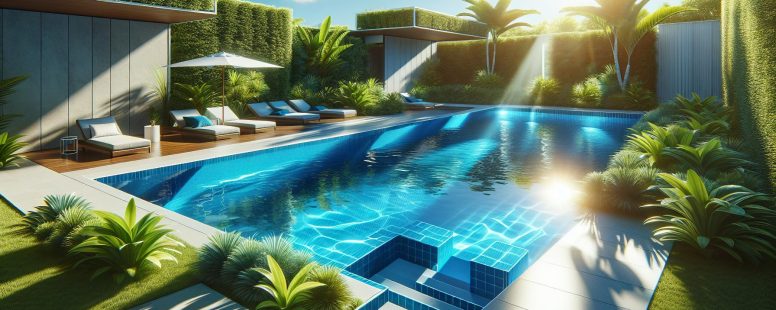
Imagine stepping into your backyard and being greeted by the shimmering surface of a pool that’s as smooth as glass and effortlessly inviting. Fiberglass pools have become a popular choice for homeowners seeking a blend of elegance and low-maintenance convenience. But is this sleek option the right fit for you?
While fiberglass pools boast impressive durability and quick installation, they’re not without their trade-offs. From cost considerations to design limitations, understanding the full picture can help you make an well-informed choice. Whether you’re dreaming of lazy summer afternoons or planning for long-term value, knowing the pros and cons ensures you jump into this choice with confidence.
Overview Of Fiberglass Pools
Fiberglass pools offer a streamlined, pre-formed swimming solution for residential spaces. These pools are manufactured off-site and delivered as a single seamless piece, which ensures uniformity in structure and durability. Unlike concrete or vinyl pool options, fiberglass pools come with a gel topcoat that resists algae buildup, reducing cleaning time and effort.
Their non-porous surface minimizes chemical absorption, improving water quality over time. Popular design examples include freeform styles, geometric shapes, and rectangular layouts. But, you might notice limitations in customizability, as the molds used to create these pools restrict design variety.
Installation is significantly faster compared to other types. On average, installation takes between 1 to 3 weeks, while concrete pools could require as much 3 months. Fiberglass pools are also less prone to surface cracking, thanks to their flexible structure, which adjusts to slight soil movement.
Sizes typically range from compact (10×20 feet) to larger models exceeding 16×40 feet, catering to diverse yard dimensions. Advanced features like built-in benches, tanning ledges, and steps are common, enhancing usability. But, transporting these one-piece units can be challenging in areas with limited access, such as densely populated neighborhoods or narrow driveways.
Fiberglass pools are known for their longevity, lasting over 25 years with proper care. But, initial costs—ranging from $45,000 to $85,000—might be a barrier, especially when additional expenses for landscaping and add-ons are factored in. Even though this, their low-maintenance nature often offsets long-term costs, providing a cost-efficient solution for many homeowners.
Advantages Of Fiberglass Pools
Fiberglass pools offer numerous benefits that make them a popular choice for modern homeowners. They combine practicality and aesthetics to create an appealing long-term solution.
Durability And Longevity
Fiberglass pools have a gel-coated surface that resists cracking, fading, and blistering over time. This durable design ensures a lifespan exceeding 25 years, outperforming traditional concrete pools. Their non-porous material prevents water seepage, reducing structural wear. For example, in regions with fluctuating temperatures, fiberglass pools adapt well without cracking, unlike concrete counterparts.
Low Maintenance Requirements
The smooth, non-porous surface of fiberglass pools reduces algae buildup significantly. Weekly scrubbing isn’t necessary, and the pool’s surface needs fewer chemicals to maintain water clarity. According to industry reports, fiberglass pool owners cut maintenance time by up to 70% compared to owners of other pool types. For those with limited time, this feature becomes indispensable.
Quick Installation Process
Fiberglass pools arrive at your location pre-formed and ready for placement. Installation typically takes 1 to 3 weeks, compared to up to 3 months for concrete pools. Fast installation minimizes labor costs and disruptions to your outdoor space. Homeowners, especially those preparing for summer seasons, find this speed extremely beneficial when scheduling timelines are tight.
Smooth Surface For Comfort
The surface of fiberglass pools is smooth, unlike abrasive concrete pool interiors. Swimmers experience enhanced comfort and avoid minor scrapes common in rough-textured pools. Families with children appreciate this feature, as it ensures a more enjoyable swimming experience. Also, the polished surface reduces friction, making cleaning even more efficient.
Energy Efficiency
Fiberglass pools retain heat more effectively due to their insulating properties. This quality lowers heating costs and maintains comfortable water temperatures, especially during cooler months. Along with pool covers, energy savings over time become substantial. This aspect appeals to eco-conscious homeowners aiming to reduce energy usage.
Disadvantages Of Fiberglass Pools
Fiberglass pools offer numerous advantages, but they come with certain drawbacks. Understanding these can help you decide if they’re right for your outdoor space.
Limited Customization Options
Fiberglass pools have pre-formed designs which restrict custom shapes or deeper areas. Because they’re built from molds, you can’t freely adjust dimensions or integrate unique features like waterfalls or beach entries. For example, if you want a bespoke infinity edge or an unusually deep diving end, alternative materials like concrete may be more suitable. This fixed design approach appeals more to those prioritizing speed and uniformity over creative expression.
Higher Initial Costs
The upfront investment for fiberglass pools typically ranges between $45,000 and $85,000. While affordable financing can sometimes offset this, the cost might feel restrictive compared to above-ground pools or basic concrete models. Also, shipping expenses increase significantly if the site is far from the manufacturing location. For some homeowners, the long-term savings in cleaning and chemical use offset these costs, but others might find the initial expense prohibitive.
Transport And Size Limitations
Manufacturing fibroglass pools as single, seamless units introduces logistical challenges. If your property’s access points are narrow, delivering the pool could become unfeasible. Larger pools, exceeding 16 feet in width, further complicate transport in urban environments or locations with restricted routes. You may need alternative solutions, like hiring cranes, which increase costs and prolong timelines. Pools designed for expansive yards fit well, but limited space might require considering modular options instead.
Repairs And Resurfacing Challenges
Fiberglass pool’s gel-coated surface is durable, but it’s not entirely resistant to wear. Deep scratches or bulging, though rare, require specialized repairs which incur higher costs than repairs for concrete pools. Also, resurfacing isn’t as straightforward if damage spreads beyond isolated spots, and matching the original finish can be difficult. Frequent exposure to extreme UV or rough use also exacerbates these issues over time, leaving you with potential, unexpected future repairs.
Factors To Consider Before Choosing A Fiberglass Pool
Choosing a fiberglass pool involves weighing several factors to ensure it fits your needs, preferences, and property requirements. Evaluating these aspects helps in making an informed investment.
Budget Considerations
Fiberglass pools typically cost between $45,000 and $85,000 initially, which is higher than many alternatives like vinyl liner pools. But, their low maintenance costs and long lifespan, often exceeding 25 years, may offset the upfront expense over time. You should consider installation costs, transportation fees, and optional upgrades, such as water features or lighting systems. For example, adding a cascading waterfall or LED lighting can enhance visual appeal but increase overall expenses. Also, obtaining financing options or comparing quotes from multiple contractors could help manage costs effectively.
Space And Design Preferences
Available yard space and personal design preferences significantly influence the sizing and shape of fiberglass pools. These pools come in pre-formed designs, offering popular options like rectangular, freeform, and kidney shapes, but customization is limited. If your property features unconventional layouts or sloped terrain, a fiberglass pool might not be the optimal choice due to installation constraints. Many large models might pose challenges in tight urban spaces, as transportation requires a clear path for the crane installation process. Consider advanced features like spa jets or tanning ledges for added functionality. But, these may be restricted by the predefined molds manufacturers use.
Long-Term Maintenance Expectations
Fiberglass pools require significantly less maintenance compared to alternatives like concrete pools. Their smooth, non-porous surfaces reduce algae buildup and chemical absorption, cutting cleaning time by up to 70%, according to industry reports. For instance, chemical costs for fiberglass pools can average $300 annually versus $600 for concrete ones. While durable, repairs for deep scratches or structural damage on gel-coated surfaces can be labor-intensive and costly. Evaluating your willingness to address occasional maintenance issues in exchange for reduced routine upkeep can help validate this long-term investment decision.
Conclusion
Fiberglass pools combine elegance, durability, and low maintenance, making them an attractive option for many homeowners. While the upfront cost and design limitations may require careful consideration, their long lifespan and reduced upkeep often justify the investment. By evaluating your budget, space, and long-term goals, you can determine if a fiberglass pool aligns with your needs.
To provide the best experiences, we use technologies like cookies to store and/or access device information. Consenting to these technologies will allow us to process data such as browsing behaviour or unique IDs on this site. Not consenting or withdrawing consent, may adversely affect certain features and functions.
Functional
Always active
The technical storage or access is strictly necessary for the legitimate purpose of enabling the use of a specific service explicitly requested by the subscriber or user, or for the sole purpose of carrying out the transmission of a communication over an electronic communications network.
Preferences
The technical storage or access is necessary for the legitimate purpose of storing preferences that are not requested by the subscriber or user.
Statistics
The technical storage or access that is used exclusively for statistical purposes.The technical storage or access that is used exclusively for anonymous statistical purposes. Without a subpoena, voluntary compliance on the part of your Internet Service Provider, or additional records from a third party, information stored or retrieved for this purpose alone cannot usually be used to identify you.
Marketing
The technical storage or access is required to create user profiles to send advertising, or to track the user on a website or across several websites for similar marketing purposes.