When constructing or renovating a building, one crucial decision involves selecting the proper insulation to maintain indoor temperatures and reduce energy costs. Insulation, by its nature, serves to regulate thermal transfer, safeguarding both your comfort and your wallet. But, with various types and ratings available, such as R-13 and R-19, determining the suitable choice for your specific needs can be daunting. In this text, we explore their distinctions to assist you in making an well-informed choice.
Understanding the Basics of Insulation
What Is Insulation and How Does It Function?
Insulation is a material or system employed within buildings to reduce thermal energy transfer, maintaining desirable temperatures indoors regardless of outside conditions. By limiting heat exchange, insulation enhances comfort and energy efficiency in both residential and commercial structures.
The Importance of R-Values in Insulation
R-values measure an insulation material’s thermal resistance. The higher the R-value, the greater its ability to insulate by obstructing heat flow. This key parameter allows homeowners to compare products and choose ones appropriate for their climate and structure.
Overview of R-13 Insulation
Features and Use Cases for R-13 Insulation
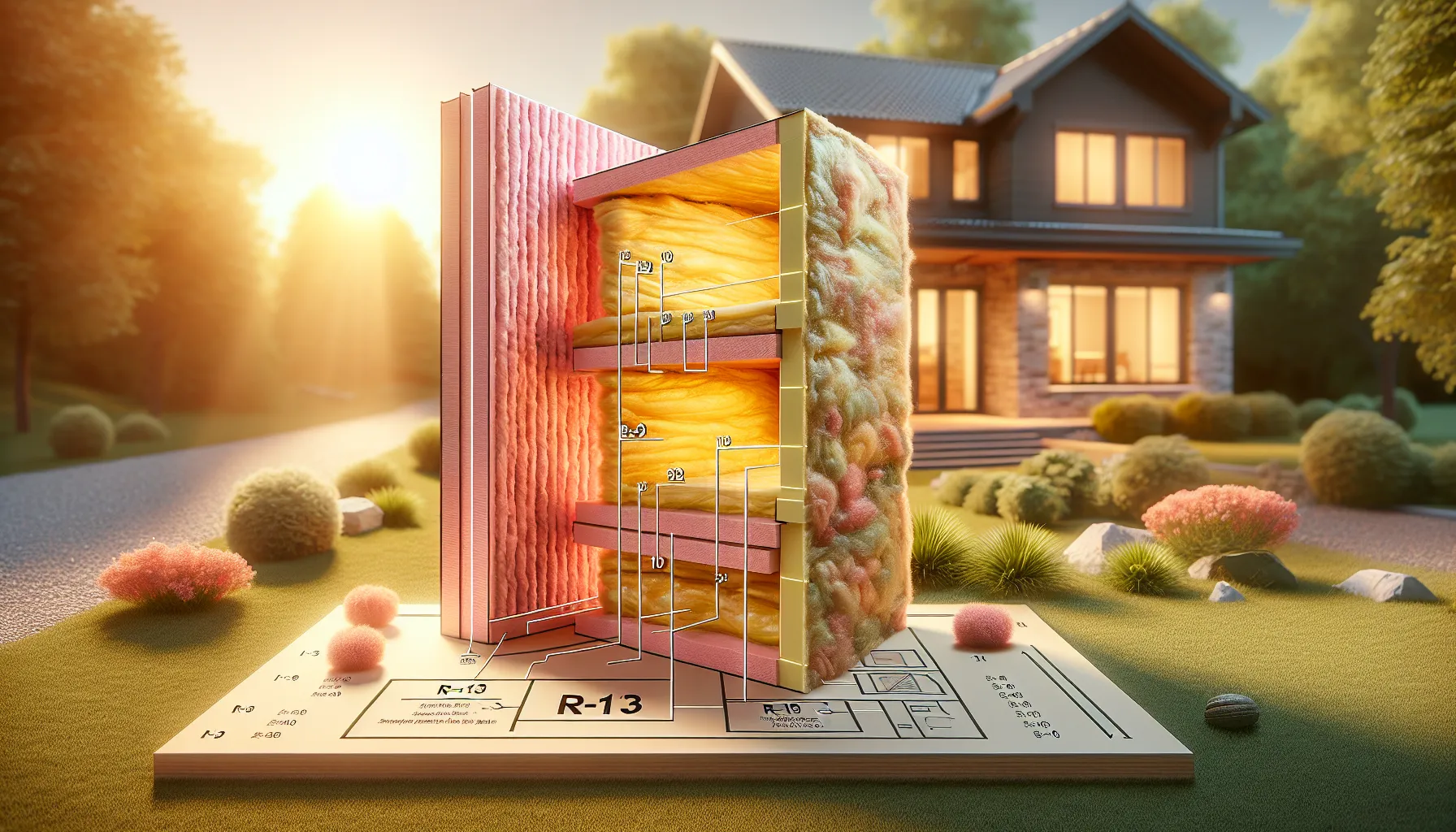
R-13 insulation is typically used in wall assemblies, particularly in areas with moderate temperature variations. It is suitable for framed walls where the required depth affords proper insulation placement.
Materials Commonly Used in R-13 Insulation
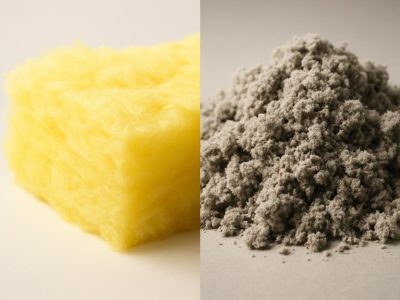
Common materials for R-13 insulation include fiberglass batts, cellulose, and foam boards. These materials offer different advantages, such as ease of installation or enhanced moisture resistance, depending on the specific application.
Overview of R-19 Insulation
Features and Use Cases for R-19 Insulation
R-19 insulation is designed for thicker wall cavities and attic spaces. Its higher R-value performs well in colder climates or areas with significant temperature differences, helping to reduce heat loss or gain effectively.
Materials Commonly Used in R-19 Insulation
Fiberglass batts, spray foam, and rigid foam boards are prevalent materials used for R-19 insulation. These materials cater to various residential and commercial insulation needs, allowing versatility in insulation practices.
Key Differences Between R-13 and R-19 Insulation
Thermal Efficiency
The primary distinction lies in the R-value. R-19 insulation provides superior thermal resistance compared to R-13, making it a preferred choice for colder climates or applications requiring optimal energy efficiency outcomes.
Installation Costs and Applications
While R-19 insulation offers higher insulating capabilities, it is typically costlier and may require deeper cavities, increasing installation complexity. Understanding specific building requirements helps determine whether the additional investment in R-19 is justified.
Choosing the Right Insulation for Your Needs
Factors to Consider When Selecting Insulation
When selecting between R-13 and R-19 insulation, key factors include climate conditions, building design, and intended energy efficiency levels. Consulting a professional or referring to regional building codes ensures an informed choice.
To provide the best experiences, we use technologies like cookies to store and/or access device information. Consenting to these technologies will allow us to process data such as browsing behaviour or unique IDs on this site. Not consenting or withdrawing consent, may adversely affect certain features and functions.
Functional
Always active
The technical storage or access is strictly necessary for the legitimate purpose of enabling the use of a specific service explicitly requested by the subscriber or user, or for the sole purpose of carrying out the transmission of a communication over an electronic communications network.
Preferences
The technical storage or access is necessary for the legitimate purpose of storing preferences that are not requested by the subscriber or user.
Statistics
The technical storage or access that is used exclusively for statistical purposes.The technical storage or access that is used exclusively for anonymous statistical purposes. Without a subpoena, voluntary compliance on the part of your Internet Service Provider, or additional records from a third party, information stored or retrieved for this purpose alone cannot usually be used to identify you.
Marketing
The technical storage or access is required to create user profiles to send advertising, or to track the user on a website or across several websites for similar marketing purposes.