Imagine a home where every corner stays cozy in winter and refreshingly cool in summer, all while lowering your energy bills. Spray foam insulation promises just that—a modern solution designed to seal every crack and crevice, creating an airtight barrier like no other. But is it the ultimate answer for your home, or does it come with hidden drawbacks?
As you explore the benefits of this innovative insulation, like its energy efficiency and soundproofing capabilities, it’s just as important to weigh potential downsides. From installation costs to environmental concerns, spray foam insulation isn’t a one-size-fits-all option. Understanding its pros and cons can help you decide if it’s the right fit for your space and budget.
What Is Spray Foam Insulation?
Spray foam insulation is a material designed to seal gaps and prevent air leakage in buildings. This insulation comprises a mixture of isocyanate and polyol resin, which expands upon application. It’s applied as a liquid that quickly hardens into a solid foam, creating an airtight barrier.
There are two main types of spray foam insulation: open-cell and closed-cell. Open-cell foam is less dense and costs less. For instance, it works well in interior walls for soundproofing. Closed-cell foam is denser and offers a higher insulation value, making it suitable for exterior walls and roofs where added strength is needed.
This product provides a high R-value per inch, which measures its thermal resistance. Depending on the type, spray foam can have an R-value of 3.5 to 7 per inch. For example, closed-cell spray foam with a thickness of two inches can replace traditional fiberglass insulation in attics.
Spray foam insulation reduces energy costs by improving home’s thermal efficiency. If applied correctly, it also prevents moisture and mold buildup, increasing indoor air quality. But, its installation requires professional expertise due to specialized equipment and safety considerations.
Types Of Spray Foam Insulation
Spray foam insulation comes in two main types, each with distinct characteristics and applications. Understanding these types helps you choose the best option for your project.
Open-Cell Spray Foam
Open-cell spray foam is a lightweight, flexible insulation material. It’s less dense, with a typical density of about 0.5 pounds per cubic foot. It expands extensively after application, filling cracks and crevices effectively. This foam is ideal for interior walls, ceilings, and difficult-to-reach spaces, like corners or uneven surfaces.
It has an R-value of approximately 3.5 to 3.6 per inch, which is lower than closed-cell foam but still sufficient for many energy-saving purposes. Due to its open-cell structure, it can absorb moisture, meaning it isn’t the best for areas prone to high humidity or water exposure. But, its sound-dampening properties make it a popular choice for soundproofing applications, such as media rooms or offices.
Closed-Cell Spray Foam
Closed-cell spray foam is dense and rigid, offering superior thermal resistance. Its density averages around 2 pounds per cubic foot, and its R-value typically ranges from 6.0 to 7.0 per inch, providing excellent insulation. This makes it suitable for roofs, exterior walls, and areas where maximum efficiency is needed. The closed-cell structure blocks moisture and air, creating a waterproof barrier that resists mold and mildew development.
This foam also adds structural integrity to buildings since its rigid form strengthens surfaces once it hardens. Its higher cost and reduced expansion rate compared to open-cell foam are tradeoffs, but for outdoor applications or areas exposed to harsh weather, it often proves worth the investment.
Pros Of Spray Foam Insulation
Spray foam insulation offers a range of advantages, making it a popular choice for both residential and commercial buildings. Its unique properties contribute to energy savings, comfort, and durability.
Energy Efficiency
Spray foam insulation significantly reduces energy consumption by creating an effective thermal barrier. Closed-cell foam’s higher R-value, between 6.0 and 7.0 per inch, ensures optimal insulation in roofs and exterior walls. This increased insulation lowers heating and cooling costs, benefitting your energy expenses. For example, homes with spray foam may see up to 20% energy savings annually compared to traditional insulation.
Air Sealing Capabilities
Spray foam insulation eliminates air leaks by expanding to fill gaps and cracks, creating an airtight seal. This feature reduces drafts and prevents uncontrolled air exchange, improving indoor comfort. Open-cell foam, with mild density, is ideal for sealing interior walls, while closed-cell foam’s denser composition works better for exterior structures. By reducing airflow, you also minimize allergens, pollutants, and external noise entering your space.
Long Lifespan
Spray foam insulation retains its structure and performance for decades without sagging or deteriorating. Unlike other materials like fiberglass, which may compress over time, spray foam maintains its insulating properties. Once installed, it typically requires little to no maintenance, supporting long-term building efficiency and durability. Its robust lifespan, often exceeding 20 years, makes it a cost-effective investment.
Moisture Resistance
Closed-cell spray foam acts as a moisture barrier, preventing water from seeping through walls or roofs and reducing the risk of mold growth. This property protects wooden structures from rot and preserves indoor air quality. For instance, in humid climates, properly installed closed-cell foam can safeguard your home against dampness, enhancing its structural integrity. Also, it prevents condensation issues by minimizing temperature differences across surfaces.
Cons Of Spray Foam Insulation
While spray foam insulation offers numerous advantages, it’s essential to weigh the potential downsides before making a decision. Understanding these considerations helps you align your choices with your budget, health, and environmental priorities.
High Initial Cost
The upfront cost of spray foam insulation tends to be significantly higher than traditional insulation materials like fiberglass or cellulose. For example, installing closed-cell spray foam can cost between $1.50 and $4.90 per square foot, depending on thickness and the area covered. This initial investment may not be feasible if you’re working with tight budget constraints, even though long-term energy savings can offset these expenses over time.
Installation Challenges
Professional installation is mandatory due to the complexity of the process. Spray foam requires specialized equipment and trained technicians to handle mixing, application, and curing procedures. Poorly applied foam can result in uneven coverage, voids, or long-term issues like air leaks or structural damage. If you attempt a DIY approach, it might lead to mistakes, further increasing costs and reducing effectiveness. Scheduling and coordination with contractors may also be a limiting factor.
Potential Health Concerns
During installation, the chemicals in spray foam emit strong fumes, which may cause eye or skin irritation, respiratory issues, or allergic reactions. For instance, isocyanates, a key ingredient, are classified as respiratory sensitizers by OSHA, posing risks if improperly handled. Improper ventilation during application can exacerbate these issues. Once cured, the foam is inert, but lingering odors or off-gassing may persist, particularly if the installation wasn’t conducted under ideal conditions.
Environmental Impact
The production and disposal of spray foam carry environmental implications. The manufacturing process relies on petroleum-based chemicals, and certain formulations contain blowing agents with high global warming potentials (GWP), contributing to greenhouse gas emissions. Also, once installed, the foam is not biodegradable, raising concerns about waste and disposal at the end of its lifespan. If sustainability is a critical factor for you, seeking alternative insulation materials or lower-GWP products might be necessary.
When To Choose Spray Foam Insulation
Choose spray foam insulation in scenarios where energy efficiency and superior air sealing are prioritized. Its ability to minimize air leakage suits homes in extreme climates, whether hot or cold. For example, if you live in an area with freezing winters or scorching summers, spray foam can reduce drafts and maintain consistent indoor temperatures.
Consider it for structures with hard-to-seal spaces like crawl spaces, attic floors, or around pipe penetrations. The foam’s expanding properties allow it to fill tiny gaps and irregular shapes, creating an airtight barrier. For instance, older homes with settled structures often benefit from spray foam’s comprehensive coverage.
Select closed-cell spray foam in cases requiring moisture control, such as in basements or areas prone to high humidity. This type resists water, preventing mold growth and protecting structural components like wooden beams. For areas requiring added structural strength, like exterior walls or metal buildings, closed-cell foam’s density and rigidity make it an optimal choice.
Opt for spray foam insulation in homes where soundproofing is desirable. Open-cell foam reduces sound transmission through walls, making it beneficial for bedrooms, home offices, or properties in noisy urban areas. Imagine blocking out city traffic or loud neighbors with improved acoustic insulation.
Use spray foam if long-term durability is essential. Its longevity and resistance to degradation ensure consistent performance for over 20-30 years, making it a cost-effective option even though its higher upfront cost. But, it works best if you’re investing in energy-efficient infrastructure since it pairs well with energy-saving HVAC systems and solar power solutions.
Avoid spray foam insulation if access to professional installers is limited. Its application requires expertise due to the use of specialized equipment and chemicals. Also, its higher initial cost compared to materials like fiberglass or cellulose insulation might not align with tight renovation budgets. Hence, assess your project’s budget, environmental priorities, and energy-saving goals before making a decision.
Alternatives To Spray Foam Insulation
Fiberglass Insulation
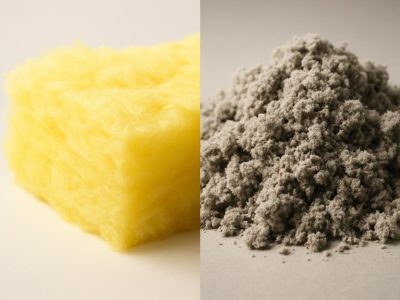
Fiberglass insulation, made from fine glass fibers, is one of the most common alternatives. It comes in batts or loose-fill forms and fits well between wall studs and ceiling joists. With an R-value of approximately 2.2 to 2.7 per inch, it offers decent thermal performance. Installation is straightforward, but proper safety gear is essential due to potential skin and respiratory irritation. This option works best in dry areas, as moisture can reduce its effectiveness over time.
Cellulose Insulation
Cellulose insulation, derived from recycled paper products, is an eco-friendly choice. It has an R-value of about 3.2 to 3.7 per inch and is treated with fire retardants for safety. Loose-fill cellulose can be blown into attics and wall cavities, providing a snug fit that minimizes air gaps. But, it’s susceptible to moisture and may need proper barriers to prevent decay or mold growth in damp environments.
Mineral Wool Insulation
Mineral wool insulation, also known as rock wool, is crafted from stone or industrial slag. It offers fire resistance and soundproofing capabilities, with an R-value around 3.3 to 3.7 per inch. The material maintains its insulative properties even in wet conditions, making it a good alternative where moisture risks exist. It’s heavier than fiberglass, but its durability compensates for the weight.
Radiant Barrier Insulation
Radiant barriers, usually aluminum foil sheets backed by other materials, reflect heat rather than absorb it. This type of insulation is ideal for hot climates, particularly in attics, to reduce cooling costs. Unlike other insulations having R-values, radiant barriers measure effectiveness by their emissivity rather than thickness. Their performance declines in cooler regions where thermal insulation is more critical.
Denim Insulation
Denim insulation, made from recycled jeans, is a sustainable option gaining popularity. It provides R-values of about 3.2 to 3.5 per inch and is free from toxic chemicals. The material is safe to handle and ensures noise reduction, making it ideal for soundproofing. But, it comes at a higher cost compared to fiberglass or cellulose.
Polystyrene Insulation
Polystyrene foam, available as expanded (EPS) or extruded (XPS), is a rigid board insulation with R-values ranging between 4.0 and 5.0 per inch. It’s commonly used in basements or under concrete slabs due to its moisture resistance. Though effective, its production raises environmental concerns due to high energy consumption.
Insulation Type
R-Value (per inch)
Key Features
Weaknesses
Fiberglass
2.2 – 2.7
Affordable, easy to install
Sensitive to moisture
Cellulose
3.2 – 3.7
Eco-friendly, snug fit
Moisture susceptibility
Mineral Wool
3.3 – 3.7
Fire-resistant, soundproofing
Heavier than other options
Radiant Barrier
No R-value
Reflects heat, ideal for hot climates
Ineffective in cold regions
Denim
3.2 – 3.5
Sustainable, non-toxic
Expensive
Polystyrene
4.0 – 5.0
Moisture-resistant
Environmental concerns
Conclusion
Spray foam insulation offers impressive benefits like energy efficiency, air sealing, and long-term durability, making it a smart choice for many homeowners. But, its higher upfront cost and the need for professional installation might not suit every budget or situation. By weighing its advantages against potential drawbacks and comparing it with alternative insulation options, you can determine if it aligns with your specific needs and priorities. Making an well-informed choice ensures your home stays comfortable, efficient, and well-protected for years to come.
To provide the best experiences, we use technologies like cookies to store and/or access device information. Consenting to these technologies will allow us to process data such as browsing behaviour or unique IDs on this site. Not consenting or withdrawing consent, may adversely affect certain features and functions.
Functional
Always active
The technical storage or access is strictly necessary for the legitimate purpose of enabling the use of a specific service explicitly requested by the subscriber or user, or for the sole purpose of carrying out the transmission of a communication over an electronic communications network.
Preferences
The technical storage or access is necessary for the legitimate purpose of storing preferences that are not requested by the subscriber or user.
Statistics
The technical storage or access that is used exclusively for statistical purposes.The technical storage or access that is used exclusively for anonymous statistical purposes. Without a subpoena, voluntary compliance on the part of your Internet Service Provider, or additional records from a third party, information stored or retrieved for this purpose alone cannot usually be used to identify you.
Marketing
The technical storage or access is required to create user profiles to send advertising, or to track the user on a website or across several websites for similar marketing purposes.