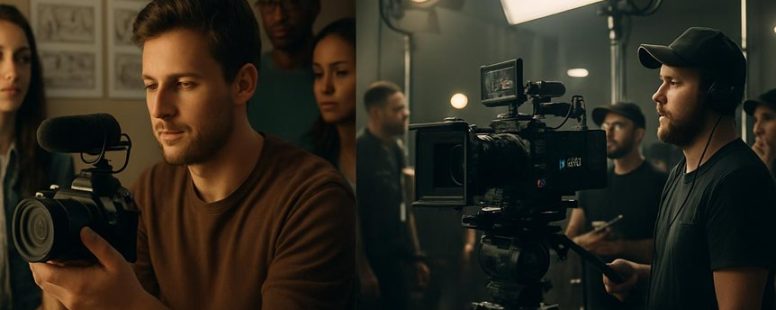
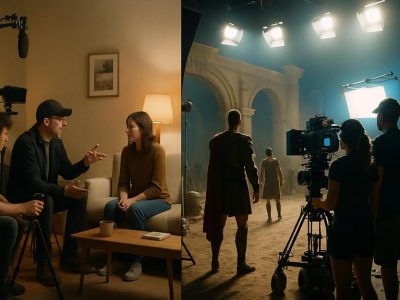
In the whirlwind of a busy life, finding time to watch or create films feels like catching fleeting glimpses of a colorful butterfly. Short films and feature films serve different purposes, much like a quick sip of coffee versus a long, satisfying meal.
Knowing their core differences can help you choose the perfect fit for your goals—whether you crave an instant emotional spark or a deep dive into storytelling.
Surprisingly, opting for short films can sharpen your creative instincts faster, like a shot of adrenaline for your filmmaking brain.
Ready to discover which format aligns with your busy schedule? Let’s dive in.
What Are Short Films and Feature Films? An Overview
Short films are quick stories that are usually less than 40 minutes long. They focus on one main idea or moment and tell it straight to the point. They often use simple visuals and clear stories so the audience can feel the message fast. For example, a short film might show a person making a tough choice in just a few minutes.
Feature films are longer stories that go over 70 minutes. They allow more time to develop characters and explore different themes. These movies can have more detailed visuals and complex plots. Think of a feature film like a big book that takes time to read and understand fully. Movies like “The Lord of the Rings” or “Titanic” are examples of feature films because of their length and detailed storytelling.
The main difference between the two is their length. Short films are quick and focused, while feature films are longer and give more room for storytelling. Both use visuals to help tell their stories, but feature films often have more special effects and advanced filming techniques. For example, big blockbuster movies like “Avengers” are feature films with lots of visual effects.
Some people prefer short films because they are easier to watch and faster to produce. Others like feature films because they can tell bigger stories. Each has its own strengths and limits. Short films are great for quick ideas, but they might leave out details. Feature films can explore many themes but take longer to make and watch.
How Do Length and Format Shape the Viewing Experience
The length and format of a film shape how we watch and feel about it. Short films are usually quick and focused, often lasting less than 30 minutes. They tell a simple story or a powerful message in a short time, which makes us pay close attention. For example, a short film might make us think about one big idea or feeling without many distractions.
On the other hand, feature films are longer, often over an hour and a half. They give more time to develop characters and tell a detailed story. This can help us get emotionally involved and understand the characters better. A popular example is the movie “Titanic,” which takes its time to build tension and explore relationships.
Some people prefer short films because they are easier to watch quickly, like a quick snack. Others enjoy feature films because they can spend more time with the story and characters. Both types have their strengths and limits. Short films can be powerful but might leave some questions unanswered. Feature films can be more detailed but require a bigger time commitment.
In the end, how long and what format a film has can change how we experience it. Short films are great for quick impact, while longer movies let us go on a deeper journey. Knowing this can help us pick the right film for the mood or time we have.
Pacing and Engagement
Short films and feature films change how stories are told because of their different lengths. Short films are usually quick and focus on one main idea or moment. They have a fast pace with fewer scenes that do not add much to the story. This makes them more direct and powerful, as they get to the point quickly. For example, a short film might only last 10 minutes, so it needs to tell a story that leaves a strong impression in a short time.
Feature films, on the other hand, are longer. They can develop multiple characters and tell bigger stories. This means the pace can slow down and speed up at different points. For example, a movie like “The Lord of the Rings” can take its time to build worlds, characters, and plotlines. Because of this, viewers can get more involved and feel more connected to the story over a longer period.
Some people enjoy the quick punch of short films because they are easy to watch and leave a strong impression fast. Others prefer feature films because they allow for more detail and deeper connection. But remember, shorter films might not give enough time to understand all the characters, and longer films can sometimes feel slow if not well paced. Both types have their strengths and limitations, so the best choice depends on what kind of story you want to see and how much time you have.
Storytelling Depth
Short films and full-length movies are different in how they tell stories. Short films need to be quick and clear, so they don’t have much time to develop characters or ideas. Because of this, casting is very important. Actors must show personality and backstory fast, often through simple but strong choices. Sound design also helps set the mood and support the story without long explanations. For example, a quick sound cue can make the audience feel tense or happy in seconds.
On the other hand, feature films have more time. They can tell more detailed stories and develop characters over a longer period. This lets filmmakers add layers to the plot and explore themes more deeply. They can use richer sound design and careful casting to make characters feel real and relatable. Longer movies give viewers a chance to connect emotionally and understand the story better.
Some people believe longer films are better because they allow for more immersion. Others say they can be slow or boring if not done well. Both types of films have their strengths and limits. Short films are good for quick, powerful messages, while feature films can create a full world and complex characters. Choosing between them depends on what kind of story the filmmaker wants to tell and what viewers want to experience.
Production Steps: Budgeting and Filmmaking Timeline
Managing your budget and timeline is key to keeping your film project on track. Budgeting means planning how much money you’ll need for each part of the project. To do this well, start by listing all your expenses, like equipment, locations, and actors. A good trick is to add a little extra money for surprises since unexpected costs often come up. For example, if your plan is to spend $10,000, consider setting aside an extra 10-15 percent so you won’t be caught off guard.
When it comes to your timeline, it’s about organizing each phase so everything gets done on time. Break the project into smaller steps, like pre-production, shooting, and post-production. Set clear deadlines for each step. Using tools like Google Calendar or production management apps like StudioBinder can help you stay organized. For instance, if you plan to shoot over two weeks, make sure you have enough time to set up, film, and review footage before moving on.
Some filmmakers prefer to keep a tight schedule to finish early, but this can lead to stress if delays happen. Others might give more time than needed, which can slow things down. Both ways have pros and cons. The key is to find a balance that works for your project size and team.
In the end, good budget and timeline management keep your project moving smoothly. If you plan carefully and stay organized, you’ll avoid last-minute surprises and meet your deadlines more easily. Have you tried using any tools or methods to keep your film project on track?
Budget Planning Essentials
Budget planning is a way to make sure a film project stays on track from the start. The first step is clear budget allocation. This means giving money to different departments like locations, costumes, and equipment based on what’s most important. For example, if you are filming in a busy city, you might need more money for location permits and transportation.
During script development, I estimate costs for things like actors, crew, and special effects. Knowing what the script needs helps me set realistic numbers for each part of the project. It’s smart to leave some extra money for surprises because unexpected costs often come up. For instance, if a location becomes unavailable, you might need to find a new place quickly, which can cost more.
Staying organized helps me make good decisions. I can change the budget if needed and avoid spending too much in one area. Some people think a strict budget is best, but it’s also good to be flexible. If you try to stick too tight, you might run into problems when things don’t go as planned. A flexible plan acts like a map, guiding the whole filmmaking process smoothly.
In the end, good budget planning is not just about numbers. It’s about preparing for what might happen and making sure your film can be finished without running out of money.
Timeline Management Strategies
Creating a clear timeline for your film project helps keep everything on track from start to finish. A good schedule makes sure you spend enough time on each part like writing the script, filming, and editing. Here are three simple strategies to manage your timeline well:
Break your project into smaller parts with specific deadlines. For example, set a date to finish the script, then a date for filming, and another for editing. This keeps you focused and prevents tasks from piling up.
Add extra time for unexpected delays. Things like weather problems during filming or last-minute script changes can happen. Also, plan extra time for marketing and submitting your film to festivals. This way, you won’t be rushing at the last minute.
Review and change your schedule often. Check your progress regularly and adjust your dates if needed. This makes sure you stay flexible and avoid last-minute stress.
Key Differences in Storytelling: Short vs. Feature Films
Short films and feature films are different ways of telling stories in movies. The main difference is their length, which affects how they tell their stories.
Short films are usually only a few minutes long. They focus on one main idea or moment. Because they are so short, they need to tell their story quickly and clearly. They often use strong visuals and symbols to show emotion fast. For example, a short film about kindness might show one act that makes a big impact. Since they have limited time, short films usually have a simple story with fewer characters and no extra subplots.
Feature films are much longer, often over an hour and a half. They can tell more detailed stories with many characters and different storylines. These movies have time to develop characters deeply and explore themes more fully. They also build tension gradually and can take the audience on a longer journey. For example, a big superhero movie like “The Avengers” has many characters, multiple battles, and lots of plot twists.
Some people say short films punch above their weight because they can make a strong impact with just a quick scene or image. But others argue that feature films give a richer experience because they can explore ideas more deeply over time. Both types of movies are valuable, but they use different methods suited to their length and goals.
Who Is the Audience? Engagement and Expectations
Understanding who your audience is helps you create better films. Their interests and what they expect can change how you tell your story. Here are some key points:
Audience demographics — Knowing the age, gender, culture, and interests of your viewers helps you choose the right story. For example, a young audience might enjoy fast-paced, funny videos, while an older crowd might prefer more serious themes.
Viewer expectations — Short films are usually made for people who want quick, powerful moments. They want to feel something fast. Features, on the other hand, are for viewers who want a story that develops over time and keeps them interested for a longer watch.
Engagement style — Short films focus on making viewers feel something immediately, like surprise or laughter. Features try to build a connection so viewers care about the characters and story over the whole movie.
Knowing your audience helps you decide what kind of film to make. If you ignore this, your movie might not connect well with viewers. For example, making a long, complex story for a quick-browsing crowd might not work. Or making a short film that needs deep thinking for people expecting instant fun might fall flat.
In the end, understanding your audience is like knowing your viewers’ favorite snacks. It helps you serve the right story in the right way. This way, your film will be more likely to entertain and satisfy those who watch it.
Distribution Opportunities for Shorts and Features
Distribution opportunities for shorts and features are different but very important for your film’s success. Knowing where to show your film helps it reach the right audience and get noticed.
For short films, film festivals are the best option. These festivals, like Sundance or Tribeca, give your short film exposure, credibility, and chances to win awards. Many festivals accept short films, which helps you meet other filmmakers, producers, and industry people. After festivals, online platforms like Vimeo and YouTube are great for sharing your short film with a wide audience fast and for little money. These sites let you get feedback and build a fan base.
For feature films, traditional options include theaters, TV stations, and streaming services like Netflix or Amazon Prime. Getting your film onto these platforms usually means working with sales agents or distributors who know the industry. You will also need a good marketing plan to attract viewers and buyers. Streaming services are popular because they can reach millions of viewers without the need for a big theatrical release. But keep in mind, getting your film on these platforms can be competitive and may require time and effort.
Some people also consider online platforms like Apple TV or Hulu, which are growing fast. They offer more chances for indie filmmakers but often have strict submission rules. It’s wise to research each platform’s audience and requirements before submitting your film.
In the end, choosing the right distribution channels depends on your film type and goals. If you want festival awards and industry connections, focus on festivals first. If your goal is wide viewers, online platforms and streaming services are key. Knowing where to show your film can help you get the most attention and possibly make money from your work.
Choosing the Right Film Format for Your Goals
Choosing the right film format depends on your goals. If you want to tell a quick story or share a simple idea, a short film is a good choice. Short films usually run under 30 minutes and are easier to produce with a smaller budget. They are great for practicing your skills or getting noticed at festivals.
On the other hand, if you want to tell a detailed story or explore complex characters, a feature film might be better. Feature films are longer, usually over 60 minutes, and they need more time and money to make. They allow for deeper storytelling and bigger production values. But remember, making a feature can be more challenging and riskier if you’re just starting out.
Project Scope and Length
Choosing the right film format depends on your project’s size and the story you want to tell. Short films usually run under 15 minutes and are good for quick, simple stories. Feature films are longer, usually over 90 minutes, and give more time to develop characters and ideas. Here are some key points to consider:
Story complexity – If your story is complicated with many characters or themes, a longer film helps you explain everything well. Short films work better for simple stories or moments.
Cinematography techniques – Short films often focus on striking visuals or quick effects. Longer projects can include more camera styles and special effects.
Casting choices – Big movies need more actors and extras. Planning and scheduling these takes more time.
Your project size affects everything from how long you shoot to how you edit. If you want to try new camera tricks or see how actors work together, a short film might be best. But if you want to tell a big story with many characters, a feature gives you the space to do so.
For example, a short film might be a 10-minute story about a kid discovering a secret. A feature film could be a two-hour drama about a family’s struggles. Both have their uses, but they serve different goals.
Keep in mind, shorter films are easier to make quickly, while longer ones take more time and money. Think about what you want to achieve before choosing the format.
Budget and Resources
Budget and resources are the most important factors when planning a film project. They help decide what kind of film you can make, like a short or full-length movie. If you have a small budget, making a short film is usually easier because it needs less money and fewer crew members. For example, a short film might be made with just a few people and simple equipment. It’s a good choice if your audience likes quick, powerful stories or if you’re just starting out.
A full-length movie, or feature film, needs more money, more people, and better equipment. It can take longer to make and cost thousands or even millions of dollars. If you have enough resources, a feature can tell a bigger story. But if your budget is limited, it might be better to stick with a short film to make sure you can finish your project successfully.
Knowing your budget helps you pick the right type of film. It also keeps you from trying to do too much and ending up with a low-quality final product. Some filmmakers choose to make a short film first to build experience and save money for a future full-length project. Others might want to jump right into a feature if they have the funds and team ready.
In the end, your resources shape what you can realistically achieve. It’s smart to be honest about what you have and plan accordingly. That way, you can create a good film without running out of money or missing important parts of the story.
Budgeting: Costs for Short Films vs. Full-Length Features
Producing a short film costs much less than making a full-length feature. This is why many new filmmakers start with short films. The main reason for the cost difference is the size of the project. Short films usually have fewer locations, cast members, and shooting days.
Here are some key points:
Equipment and crew costs are lower for shorts because the filming schedule is shorter. You don’t need as many days or as much gear.
Location costs are reduced because short films often use fewer places to shoot.
Post-production expenses are less because the film is shorter and easier to edit.
Because of these factors, short films are more affordable for filmmakers with small budgets. Full-length movies need a bigger budget because they require more locations, cast, crew, and shooting time.
In simple words, the size of the project directly affects the costs. Short films are like a quick snack, while full movies are more like a big meal that takes longer to prepare and costs more to make. Knowing this can help new filmmakers decide what kind of project they can afford at each stage.
Examples of Iconic Short Films and Classic Features
Many of the most famous movies in history started as short films or became well-known full-length features. Short films can tell powerful stories in just a few minutes. For example, *Paperman* shows how new animation tools can create touching stories quickly. These short films often inspire big movies later on. Classic full-length movies like *Casablanca* and *Gone with the Wind* changed how movies are made and what stories they tell. They set high standards for storytelling and filmmaking.
Some movies began as short films and grew into classics. *Un Chien Andalou* was a short film that changed surrealist art and influenced many filmmakers. *The Great Train Robbery* was one of the first movies to tell a story with scenes and a plot, helping movies become a storytelling medium. Both short films and full movies can have a big cultural impact. New technology, like digital cameras and computer graphics, makes it easier to create and share these stories today.
Summary: Which Film Format Fits Your Filmmaking or Viewing Goals?
Choosing between short films and feature films depends on what you want to do with your storytelling or viewing experience.
Short films are great if you want to make a quick, powerful impact. They are perfect for showing your creativity and grabbing attention fast. For example, a short film about a single moment in a person’s life can leave a big impression in just a few minutes. They are also easier to make if you have limited time or resources.
Feature films, on the other hand, are better if you want to tell a longer, more detailed story. They give you space to develop characters and explore complicated plots. Think of a feature film as a long journey where you get to know the characters well and see a story unfold over time. This type of film requires more time and effort but can create a deeper connection with viewers.
Here are some things to think about when choosing:
Time commitment – Short films take less time to make or watch, so they are good if you are busy. Features need more time and patience.
Story complexity – Short films work well for simple messages or moments. Features are better for stories that have many parts or details.
Audience engagement – Decide if you want to make an impact quickly or build a connection over a longer story.
If you are new to filmmaking, starting with short films can be a good way to learn. But if you have a big story to tell, a feature might be the way to go. Both have their place, and your choice depends on your goals and resources.
To provide the best experiences, we use technologies like cookies to store and/or access device information. Consenting to these technologies will allow us to process data such as browsing behaviour or unique IDs on this site. Not consenting or withdrawing consent, may adversely affect certain features and functions.
Functional
Always active
The technical storage or access is strictly necessary for the legitimate purpose of enabling the use of a specific service explicitly requested by the subscriber or user, or for the sole purpose of carrying out the transmission of a communication over an electronic communications network.
Preferences
The technical storage or access is necessary for the legitimate purpose of storing preferences that are not requested by the subscriber or user.
Statistics
The technical storage or access that is used exclusively for statistical purposes.The technical storage or access that is used exclusively for anonymous statistical purposes. Without a subpoena, voluntary compliance on the part of your Internet Service Provider, or additional records from a third party, information stored or retrieved for this purpose alone cannot usually be used to identify you.
Marketing
The technical storage or access is required to create user profiles to send advertising, or to track the user on a website or across several websites for similar marketing purposes.