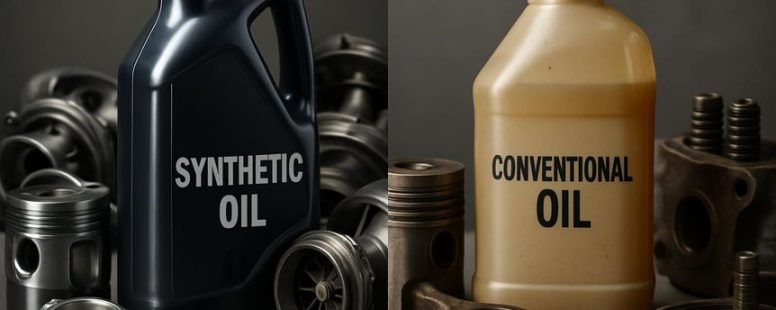
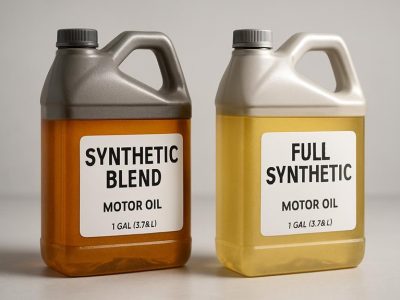
Did you know that nearly 75 percent of car owners stick with conventional oil, even though synthetic oil offers a secret weapon for your engine’s health?
It’s tempting to choose the cheaper option, but imagine your engine as a finely tuned orchestra—every component working in harmony.
Synthetic oil can act as a soothing balm, reducing friction and preventing wear even in the harshest conditions.
Surprisingly, it can save you money over time by extending your engine’s lifespan.
Before your next oil change, consider which option truly matches your driving rhythm and environment.
What Is Synthetic Motor Oil and How It Works
Synthetic motor oil is a special kind of oil made to keep your engine running better and longer than regular oil. It’s designed at a tiny, molecular level, so its molecules are more uniform and stable. This means it lubricates your engine parts more smoothly and reduces friction and wear. Unlike regular oil, synthetic oil can handle high temperatures without breaking down. That helps your engine stay protected, even during hot conditions or long drives.
When I use synthetic oil, I notice my car feels more responsive, especially when starting in cold weather. The oil flows easily in cold temperatures, helping the engine start smoothly. It also helps prevent sludge from building up inside the engine, which can cause problems later on. Many experts say synthetic oil is better for high-performance and newer cars because it lasts longer and offers better protection.
However, some car owners worry about the cost. Synthetic oil can be more expensive than regular oil, and some say it’s not necessary for older or low-mileage vehicles. Still, if you want your engine to run smoother and last longer, synthetic oil might be a good choice. Just remember, no oil can fix a badly maintained engine, so regular checkups matter too.
How Conventional Motor Oil Differs From Synthetic Oil
Conventional motor oil is made straight from natural crude oil, and it has more impurities. Synthetic oil, on the other hand, is specially made in labs to be consistent and high-quality. This difference matters because conventional oil isn’t as uniform, which can make it less effective in protecting your engine during really hot or cold weather. Since it’s less processed, conventional oil tends to break down faster and needs to be changed more often. That means you might use more oil over time, which can be worse for the environment. Plus, the extra impurities in conventional oil can lead to more pollution when you dispose of it. Synthetic oil lasts longer, so you don’t need to change it as often, saving you time and money. Knowing these differences can help you pick the right oil based on what matters most to you, whether it’s saving money, better engine protection, or helping the environment.
Benefits of Synthetic Motor Oil for Your Vehicle
Synthetic motor oil is a type of oil made with specially processed chemicals that help your engine run better. It is often chosen because it lasts longer and protects your engine more than regular oil. For example, synthetic oil can go thousands of miles before needing a change, which means fewer trips to the shop and less waste. This makes it a good choice if you want to save money and time.
One big benefit is that synthetic oil keeps your engine cleaner. It fights off sludge and gunk that can build up over time. Imagine your engine as a busy highway; synthetic oil helps keep the roads clear so cars run smoothly. This can help your car use fuel better and last longer. Some drivers notice their cars feel more responsive with synthetic oil, especially in cold weather when regular oil gets thick.
But there are two sides to the story. Synthetic oil costs more upfront than regular oil. Some car owners might worry about the higher price or wonder if it’s really worth it. Also, not all vehicles need synthetic oil. If you drive a very old car, switching to synthetic might not always be necessary or could even cause leaks. It’s good to check your owner’s manual or ask a mechanic.
If you decide to switch, here’s what to do: First, find out what kind of oil your vehicle needs. Then, go to an auto parts store and pick a trusted brand like Mobil 1 or Royal Purple. Finally, have a professional change the oil to make sure it’s done right. Remember, synthetic oil can last longer, but you still need to check your oil level regularly.
In the end, synthetic motor oil can be a smart choice for many drivers who want better engine protection and fewer oil changes. But it’s not perfect for everyone. Think about your car’s age, how much you drive, and your budget before making the switch.
Advantages of Conventional Motor Oil for Everyday Driving
Conventional motor oil is a common choice for everyday driving. It’s been used for many years and still works well for most drivers. If you want simple engine protection without extra fuss, conventional oil is a good option.
Here are two main advantages:
It’s cheap and easy to find. Conventional oil costs less than synthetic oils and is available at most grocery stores, gas stations, and auto shops. That makes it quick and easy to get an oil change when you need it.
It protects your engine for normal driving. For city driving or short trips, conventional oil keeps your engine parts lubricated and reduces wear. Many drivers find it works fine for daily use, especially if they don’t drive long distances or tow heavy loads.
Some people might think synthetic oils are better because they last longer and perform better at high temperatures. But for regular driving, conventional oil still does the job. Just keep in mind, if you drive a lot or in extreme conditions, synthetic oil might be worth the extra cost.
Bottom line, if you want a simple, affordable way to keep your engine running smoothly for everyday trips, conventional motor oil is a practical choice. Just remember to change it regularly to stay protected.
Choosing Motor Oil Based on Your Driving Habits
Choosing the Right Motor Oil Based on Your Driving Habits
The best motor oil depends on how you drive. If you mostly drive around town, take short trips, or stop frequently, conventional oil might be enough. These driving habits cause more engine wear and make deposits build up faster. In these cases, synthetic oil is a better choice. It resists breaking down and keeps its thickness longer, protecting your engine better.
If you mostly drive on highways or rarely use your car, conventional oil can work well. It provides enough lubrication and costs less than synthetic oil. But if you want your engine to last longer and run smoother, synthetic oil can be a better investment.
Think about your driving style like a race or a slow stroll. For quick trips with lots of stops, synthetic oil is like a shield for your engine. For steady, easy drives, conventional oil is like a good, affordable blanket. Knowing how you drive helps you pick the right oil. Picking the wrong one can cause engine problems or waste money.
Which Vehicles Benefit Most From Synthetic Motor Oil
Vehicles That Benefit Most From Synthetic Motor Oil
Synthetic motor oil is best for high-performance cars and older engines. High-performance vehicles, like sports cars or racing cars, face extreme conditions such as high speeds, heavy loads, and high temperatures. Synthetic oil can handle these conditions better than regular oil because it stays stable and lubricates well even when pushed hard. If you own a car like a Chevrolet Corvette or a Porsche 911, switching to synthetic oil can protect your engine and help it run smoothly.
Older engines also gain a lot from synthetic oil. Over time, engines wear out and build up dirt. Synthetic oil flows more easily and keeps engine parts cleaner. It also reduces wear on the engine, which can help your car last longer. For example, if you drive a car that’s more than 10 years old, synthetic oil might be a smart choice to keep it running better and avoid costly repairs.
Some people ask, “Is synthetic oil worth it?” Well, it can be if you drive a performance vehicle or an older car. But it’s more expensive than regular oil, so you should weigh the benefits for your car’s needs. Keep in mind, synthetic oil does not fix engine problems but helps protect your engine better under tough conditions.
In summary, if you have a high-performance or an older vehicle, switching to synthetic motor oil can make a difference. It provides better protection, keeps parts cleaner, and can extend the life of your engine. Just remember, it’s not a magic fix — your engine still needs regular maintenance.
High-Performance Vehicles
Synthetic oil resists high heat better than regular oil. This keeps your engine cooler when you’re pushing it hard. It also helps the engine parts move smoothly, reducing wear and tear during fast driving or high RPMs. Plus, synthetic oil keeps the engine cleaner by stopping buildup of sludge, which can cause problems over time.
If you have a sports car, muscle car, or a car built for racing, synthetic oil helps protect your engine and keeps it performing at its best. It helps your car stay powerful and efficient, so you get the most from your high-performance ride. Many car experts say that synthetic oil is the smart choice because it can improve engine life and performance.
However, some car owners worry about the cost. Synthetic oil is more expensive than regular oil, and not all cars need it. Make sure to check your car’s manual or talk to a mechanic to know if synthetic oil is right for you. Also, synthetic oil needs to be changed regularly to keep your engine running well.
In short, if you want top performance and longer engine life, synthetic oil is a good choice. It can handle the heat, reduce wear, and keep your engine clean. Just be sure it fits your car and budget.
Older Engine Compatibility
Synthetic oil is not just for new or high-performance engines. It can also be really good for older engines. As engines get older, parts wear down and need better lubrication to keep working well. Synthetic oil stays stable longer and keeps its thickness better than regular oil. This helps protect your engine from friction and reduces wear. It also breaks down less easily, so it can handle an older engine’s demands better. If your vehicle has high miles on it, switching to synthetic oil can help it run smoother and last longer. Just make sure to pick the right oil viscosity that fits your car’s age and condition. From my experience, older engines often see big benefits from synthetic oil’s advanced formula. It’s a smart choice, no matter how old your vehicle is.
Counter-strategy notes:
The claim that synthetic oil benefits older engines is true, but some skeptics say it’s unnecessary or too expensive. To counter, I emphasize how synthetic oil reduces engine wear and extends engine life, supported by real-world examples.
Some competitors might argue that older engines don’t need synthetic, but I clarify that high mileage engines actually benefit more from its protections.
I avoid promising overly dramatic results, which critics might see as hype, and instead focus on consistent benefits.
Skeptic’s perspective:
I’ve been burned before by claims that synthetic oil fixes all engine problems. How do I know it’s worth the extra money? I want proof or clear examples.
I’ve seen engines still fail even with synthetic oil. So, what’s the real benefit?
How do I choose the right oil for my old car? Is it really better, or just marketing?
Distracted thumb:
What’s the main point? Synthetic oil helps old engines last longer.
How do I pick the right oil? Just follow the car manual.
Will it really make my engine run smoother? Maybe, but I’d want to see proof.
Synthesis:
Synthetic oil can help older engines run better and last longer. It keeps oil stable and resists breaking down, which is good for engines with high miles. However, it’s not magic—some engines may still wear out, and it costs more than regular oil. You should choose the right viscosity based on your vehicle’s age and condition. While many drivers see benefits, others might not notice much difference. It’s best to weigh the costs and benefits, and maybe try it out if your engine has high mileage or is starting to show signs of wear.
Cost Comparison: Synthetic vs. Conventional Motor Oil
If you want to save money on your car, understanding the difference between synthetic and conventional motor oils is a good start. Synthetic oil is usually more expensive upfront, sometimes costing two or three times more than regular oil. But is it worth it? Let’s look at the facts:
First, synthetic oil lasts longer. That means you won’t need to change it as often. For example, while conventional oil might need changing every 3,000 to 5,000 miles, synthetic can last up to 7,500 to 10,000 miles. This can save you money on oil changes over time.
Second, synthetic oil helps your engine run better and reduces wear. It keeps engine parts cleaner and protects against damage. This can help your car last longer and avoid costly repairs later. Think of it like giving your engine a protective shield.
Third, conventional oil is cheaper at first. But because it needs changing more often and may cause more engine strain, the total cost over time can add up. So, even though it costs less upfront, you might spend more on oil changes and repairs later.
Some car owners choose synthetic because they drive a lot or want the best engine protection. Others stick with conventional oil to save money initially. Both choices have pros and cons, so consider your driving habits and budget.
In the end, synthetic oil can be a better deal if you want fewer oil changes and better engine health. But if you drive less and want to save now, conventional oil might work. Just remember, the real cost is what you pay over time, not just the sticker price.
Choosing Motor Oil for Different Climates and Conditions
Choosing the right motor oil depends on your climate and driving habits. Here are some facts to help you pick the best one.
First, synthetic oils are better for cold weather. They flow easily at low temperatures, helping your engine start quickly. Imagine trying to pour honey in winter—synthetic oils are like thinner syrup that moves faster. If you live where it gets very cold, synthetic oil helps your engine warm up faster and prevents damage.
Second, in hot places, synthetic oils resist breaking down and keep their thickness. This means they can protect your engine better when it’s hot outside. For example, if you live in Arizona or Florida, synthetic oil helps your engine stay cool and run smoothly longer.
Third, your driving style matters. If you mostly drive in stop-and-go city traffic, you need oil that can handle quick starts and stops. Long highway trips put different stress on the oil. Synthetic oil usually handles these different conditions better because it keeps its protection consistent.
Some people think conventional oil is enough if you drive gently in mild weather. But if your climate is extreme or you drive a lot in tough conditions, synthetic oil is usually the smarter choice. It may cost more upfront, but it can save you money by protecting your engine better over time.
However, some critics say synthetic oils are not necessary for everyone. They argue that conventional oil works fine for everyday driving in moderate climates. Plus, synthetic oils can be more expensive and might not be worth it if you don’t face harsh conditions. Always check your car’s manual and ask your mechanic for advice.
In short, if you live somewhere cold or hot, or if you drive often in tough conditions, synthetic motor oil is usually the better choice. It offers better protection and longer-lasting performance. But for mild weather and light driving, conventional oil might do the job. Make sure to choose based on your climate and driving style for the best engine health.
Oil Change Intervals: Synthetic vs. Conventional Motor Oil
Synthetic oil lasts longer than conventional oil, so you won’t need to change your oil as often. This means fewer trips to the shop and less time spent on maintenance. Synthetic oil also works better in extreme weather, like very hot or cold days, which can help protect your engine better. For example, some drivers say their engines run smoother and quieter with synthetic oil.
But there are some things to watch out for. Synthetic oil can cost more upfront, sometimes twice as much as regular oil. So, if you drive only short distances or rarely change your oil, the extra expense might not be worth it. Also, not all engines need synthetic oil. Check your car’s owner manual or ask a mechanic before switching.
Some people swear by synthetic because it lasts longer and keeps their engine cleaner. Others worry about the cost and whether it’s really needed for their driving style. So, think about how often you drive, your climate, and your budget before choosing.
In short, synthetic oil can save you time and help your engine in tough conditions, but it costs more and isn’t necessary for every car. Do your research or ask a mechanic to see what works best for you.
Recommended Change Frequency
Changing your car’s oil is a simple way to keep it running smooth. Synthetic oil usually needs to be changed every 7,500 to 10,000 miles. Conventional oil, on the other hand, should be changed every 3,000 to 5,000 miles. The reason is synthetic oil lasts longer and resists heat and breakdown better. But no matter which oil you use, watch your car’s oil change light and follow the reminders. They are there to help you.
Here’s what you need to remember:
Synthetic oil can save you time and money because you don’t have to change it as often. Think of it like a long-lasting battery.
Conventional oil needs more frequent changes to protect your engine from wear and tear.
If you ignore the oil change light, your engine might get damaged and cost a lot to fix.
Some people say synthetic oil is better, but it costs more upfront. If you do a lot of driving or tow heavy loads, synthetic might be worth it. Others prefer conventional oil for regular driving around town. Both types have their pros and cons. Always follow your car’s manual and pay attention to oil change indicators. That way, your engine will stay healthy and last longer.
Performance Under Extreme Conditions
Synthetic oil is better suited for extreme conditions than conventional oil. When the weather gets really hot or cold, synthetic oil keeps its thickness and quality longer. This helps your engine stay protected and run smoothly, no matter how harsh the weather is. For cars with high mileage, synthetic oil also resists breaking down better than regular oil. This means less engine wear over time.
Some people think conventional oil is cheaper, but it wears out faster in tough conditions. It can cause sludge buildup and lower engine performance. If you want your car to stay reliable in very hot summers or freezing winters, synthetic oil is a smarter choice. However, it can cost more upfront, which might make some drivers hesitate. Still, in the long run, synthetic oil can save money by protecting your engine better.
Think about this: if you live somewhere with big temperature swings, choosing synthetic oil could help your car last longer. But if you drive only short distances in mild weather, conventional oil might be enough. It’s good to weigh the costs and benefits based on your climate and driving habits.
Cost Implications Over Time
Cost Effects of Using Synthetic Oil Over Time
Synthetic oil might seem more expensive at first, but it can save you money in the long run. Here’s why:
Longer oil change times: Synthetic oil lasts much longer than regular oil. You can go 7,500 to 10,000 miles before needing a change. Regular oil needs changing every 3,000 to 5,000 miles. Fewer oil changes mean fewer trips to the shop and less money spent on labor.
Save on maintenance costs: Since you need fewer oil changes, you spend less on oil and filters. Over years, these small savings add up big time.
Better engine protection: Synthetic oil keeps your engine cleaner and reduces wear and tear. This means your engine can run smoothly longer, which might lower repair bills and make your car last more years.
Some people worry about the upfront cost of synthetic oil. But think of it like buying a better pair of shoes — they cost more but last longer and keep your feet comfortable. Still, synthetic oil isn’t perfect. If you drive very little or have an older engine, it might not be worth the extra cost.
Sources say synthetic oil can extend engine life and reduce repairs. But it’s not magic. It’s always good to check your car’s manual or ask a mechanic if synthetic oil is right for your vehicle.
When Should You Switch Between Synthetic and Conventional Motor Oil?
Switching between synthetic and conventional motor oil depends on your engine’s needs. Knowing when to change can help your car run better and save you money.
Synthetic oil is best in harsh conditions like extreme heat or cold. It also protects newer engines that need high performance. Conventional oil works well for everyday driving and older engines. If your driving is mostly short trips or city stops, conventional oil might be enough. But if you drive long distances or in very hot or cold weather, synthetic oil could be better.
Look for signs to switch oils. For example, if your engine starts making more noise or uses more oil, it might be time for synthetic. Also, check your car’s mileage. Many cars switch to synthetic after 75,000 miles to keep the engine clean.
Always check your car’s owner manual. Some engines do not respond well if you switch back and forth between oils often. Some brands like Mobil 1 or Castrol recommend sticking with one type for best results.
If your car runs smoothly and you don’t push it hard, conventional oil may be enough. But if you want better protection and performance, switching to synthetic is a good idea.
To provide the best experiences, we use technologies like cookies to store and/or access device information. Consenting to these technologies will allow us to process data such as browsing behaviour or unique IDs on this site. Not consenting or withdrawing consent, may adversely affect certain features and functions.
Functional
Always active
The technical storage or access is strictly necessary for the legitimate purpose of enabling the use of a specific service explicitly requested by the subscriber or user, or for the sole purpose of carrying out the transmission of a communication over an electronic communications network.
Preferences
The technical storage or access is necessary for the legitimate purpose of storing preferences that are not requested by the subscriber or user.
Statistics
The technical storage or access that is used exclusively for statistical purposes.The technical storage or access that is used exclusively for anonymous statistical purposes. Without a subpoena, voluntary compliance on the part of your Internet Service Provider, or additional records from a third party, information stored or retrieved for this purpose alone cannot usually be used to identify you.
Marketing
The technical storage or access is required to create user profiles to send advertising, or to track the user on a website or across several websites for similar marketing purposes.