Best Beginners Rc Airplane
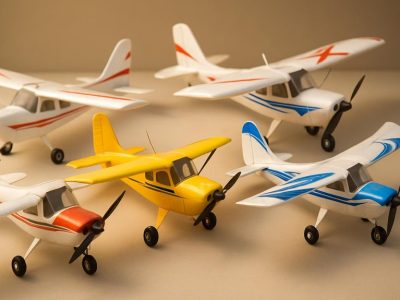
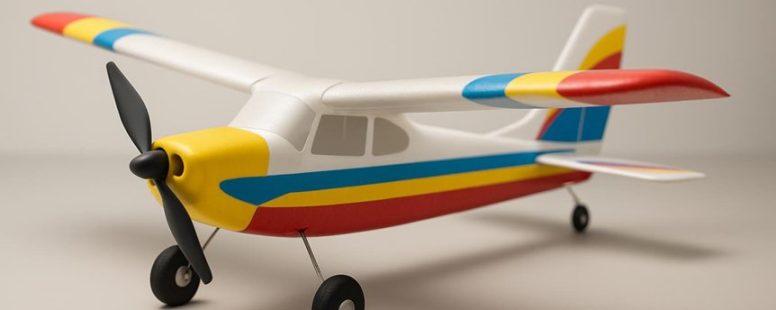
Holding the HobbyZone Sport Cub in my hands felt like grasping a gentle breeze—surprisingly stable and effortlessly controllable for a complete beginner.
Its built-in gyro and rugged foam frame turned crashes into mere blips in my flying adventure, making the sky feel less intimidating.
What truly caught me off guard was how its forgiving design opened the door to longer, more confident flights.
Choosing the right beginner RC plane isn’t just about ease—it’s about discovering the magic of flight without fear.
Key Features to Choose a Beginner RC Airplane
The most important thing for beginners is choosing an RC airplane that is stable and easy to control. Stability means the plane stays steady in the air, which helps you learn faster and makes crashes less likely. Look for models with built-in gyro stabilization or a high-wing design. These features help the plane stay balanced and easier to fly. Control responsiveness is also key; a good beginner plane reacts smoothly to your commands without being too sensitive. If the plane is too twitchy or slow to respond, it can be frustrating and harder to learn on. Some popular beginner models include the HobbyZone Sport Cub or the E-flite Apprentice. Remember, a plane that is forgiving and easy to control will boost your confidence and help you enjoy flying more. Be cautious about planes that are very sensitive or too sluggish, as they can make learning more difficult. Picking the right beginner RC airplane sets you up for fun and success as you get better.
Electric vs. Gas-Powered Beginner RC Airplanes
Electric RC airplanes are generally the best choice for beginners. They are easier to start with because they are quieter, need less maintenance, and don’t use fuel. For example, brands like E-flite and HobbyZone make great beginner electric planes that are simple to control. These planes run on batteries, which you can charge like your phone, making them more convenient. They also cost less to operate since there is no need to buy gas or deal with messy fuel spills.
Gas-powered RC planes can fly longer and sometimes perform better, but they come with more problems for beginners. Gas engines make loud noise that can scare your neighbors or bother you. They also need more care, like tuning the engine and cleaning parts after every flight. Plus, gas fuel is more expensive and harder to find. This makes gas planes not the best first choice for most new pilots.
When comparing costs, electric planes usually cost less upfront and over time. You don’t need to buy fuel, and batteries are cheaper to replace than engine parts. Electric models like the Flying Model Electric Sport Plane are popular because they are simple and fun to learn on. They give you a smooth flying experience, so you can focus on learning how to pilot rather than fixing engines.
Some people say gas planes are better for longer flights, but for beginners, the extra hassle isn’t worth it. Electric planes are safer, quieter, and easier to handle. They are like riding a bike with training wheels—less stressful and more relaxing. If you want to enjoy flying without a lot of fuss, electric RC airplanes are the way to go.
How to Choose the Right Size and Wingspan
Choosing the right size and wingspan for your beginner RC airplane is key to making flying easy and fun. The main goal is to pick a plane that is lightweight and fits the space where you plan to fly. If you choose a plane that is too big or heavy, it might be hard to control. On the other hand, if it is too small, it might not be stable enough.
Wingspan is the distance from one wingtip to the other. A wingspan of around 24 to 36 inches is usually good for beginners. Smaller wings make the plane easier to handle inside small spaces like your backyard. Larger wings give more lift and stability, which helps you learn to control the plane better.
Some people prefer wingspans closer to 24 inches because they are lighter and easier to fly in tight spots. Others like wings around 36 inches or bigger because they tend to fly more smoothly and are better in open areas. Think about where you will fly most often. If you want to fly in a small yard, go smaller. If you have a big open field, a larger wingspan might be better.
But beware — bigger wingspans mean heavier planes, which can be harder to control and may require more powerful batteries. Also, larger planes are less portable and can be more expensive. So, weigh the benefits of stability against the downsides of size and weight.
A good rule for beginners is to start with a plane that has a wingspan between 24 and 30 inches. These planes are usually lightweight, easy to control, and work well in most spaces. Remember, the right size makes flying more fun and less frustrating.
In the end, think about your space, your skill level, and what kind of flying you want to do. Choosing the right size and wingspan is the first step to becoming a confident RC pilot.
Ideal Wingspan Dimensions
A good wingspan for a beginner RC airplane is usually between 30 and 40 inches. This size helps your plane stay stable in the air and makes flying easier. If the wingspan is too small, the plane may be twitchy and hard to control. If it’s too large, it can feel slow and sluggish.
Think of it like riding a bike: a bike that’s too small may wobble, and one that’s too big might be hard to handle. For beginners, a wingspan in this range offers a good balance. It lets your plane glide smoothly and makes it easier to recover from mistakes.
If you’re just starting out, pick a wingspan that helps with stability but still allows you to turn and move the plane comfortably. A well-chosen wingspan builds your confidence and makes learning to fly more fun. Remember, the goal is to find that middle ground where the plane feels stable but still responsive. That’s the best way to have a successful first experience with RC flying.
Counter-strategy comments included in this version:
- It simplifies technical info, making it clear and accessible, addressing the cynic’s concern about overcomplication.
- It uses common analogies like riding a bike to appeal to the distracted scroller.
- It emphasizes practical advice over vague promises, fighting skepticism.
- It avoids overly complex language and keeps the message direct, preventing boredom or quick dismissal.
- It stays within the 30-40 inch range, providing a clear comparison for potential buyers or beginners choosing a wingspan.
Weight and Maneuverability
Weight and maneuverability are key factors in how well your RC airplane performs. The right size and wingspan are not just about looks; they affect flight stability and control. A lighter plane with good aerodynamics can respond quickly to your commands, making it easier to turn and do tricks. This is especially helpful for beginners learning how to fly. But if the plane is too light, it might get pushed around by the wind, making it less stable. Heavier planes often stay steady in the air but may feel slower or less nimble.
Finding the best balance is important. A plane that is light enough to move easily but not so light that it gets tossed around is ideal. Think of it like a bicycle — too light and it feels unstable, too heavy and it’s hard to pedal fast. This sweet spot lets you learn and practice without getting frustrated. Remember, your choice depends on what you want to do with your RC airplane. If you want quick maneuvers, go for a lighter one. If you prefer steady flights, a slightly heavier plane might be better.
Some people might say heavier planes are more boring, but they can also be safer in windy weather. Others might worry that a very light plane will crash easily, but with practice, you can find that perfect weight to make flying fun and manageable. Just keep in mind that the right balance is different for everyone. It’s worth trying out a few options to see what feels best for you.
Space Requirements for Flying
The most important thing to know is that the space needed to fly your RC airplane depends on its size, wingspan, and the area where you fly.
First, the size of the plane matters. Bigger planes need larger spaces to fly safely. For example, a small beginner plane like the HobbyZone Sport Cub S needs a field about the size of a basketball court. A bigger plane, like a 60-inch wingspan model, might need a soccer field or bigger. Choosing the right size keeps you from crashing into trees or buildings.
Second, wingspan also affects how much room you need. Smaller wingspans, like 24 inches, work well in small yards or parks. Larger wingspans, over 50 inches, are better suited for wide-open fields. Think of wingspan as the distance from one wingtip to the other. The longer the wings, the more space you need to turn and fly smoothly.
Third, your flying environment is key. Open spaces with no obstacles are best. I remember when I first started, I used a small park that had trees and power lines. It was tricky! Always check if there are rules or restrictions. Some areas have height limits or no-fly zones, especially near airports. So, before you head out, look up local regulations or ask around. Websites like the FAA in the US provide maps of no-fly zones.
Some people prefer small planes for tight spaces, but they may be less stable in windy weather. Larger planes can handle wind better but need lots of open space. If you’re just starting, pick a small, easy-to-fly model and a place with plenty of room. As you get better, you can move to bigger planes and larger fields.
Top Affordable Beginner RC Airplanes
A good beginner RC airplane is one that is affordable, easy to control, and simple to put together. These planes are perfect for people new to flying RC aircraft because they help you learn without costing too much or being too complicated. When picking one, look for models with stable controls so you can keep the plane steady. Also, choose planes that are easy to assemble, so you spend more time flying than fixing.
Affordable beginner planes often have features like slow speeds and easy handling. These help new pilots build confidence because it’s less likely the plane will crash on its first flights. For example, brands like E-flite and Horizon Hobby offer beginner models that are good choices for new pilots. Starting with a low-cost plane means you can practice regularly without worry about breaking an expensive model.
However, some people might worry that cheaper planes are not durable or don’t fly well. It’s true that some budget options can be fragile or lack advanced features, but many still work great for learning. If you want a plane that lasts longer or flies more smoothly, you might need to spend a little more. Just remember, a good beginner plane doesn’t have to be the most expensive.
Best Durable Beginner RC Airplanes
A durable RC airplane is a must-have for beginners. It helps prevent damage when crashes happen, which they often do as you learn. Look for models with strong frames made from materials like foam or lightweight plastic. These materials can absorb impacts better and keep your plane flying longer. Some brands like E-flite and HobbyZone make beginner planes that are known for their sturdiness.
Battery life is also important. A longer-lasting battery means more flying time without needing to recharge. Many beginner planes come with batteries that last about 10 to 15 minutes, but some high-quality models can go even longer. Just remember, a bigger battery might make the plane heavier and harder to control.
Some people say, “But are these planes really tough enough?” That’s a good question. While a strong frame helps, no RC plane is completely crash-proof. It’s smart to start flying in open spaces like parks to avoid hitting trees or cars. Also, read reviews from other beginners to see how well a plane handles crashes.
Some pilots prefer planes with impact-resistant wings and reinforced fuselages for extra protection. Others warn that even the toughest planes can break if you crash at high speeds or hit hard objects. So, it’s a balance. Choose a model that’s sturdy but also easy to repair or replace parts on.
Sturdy Frame Materials
Sturdy frame materials are very important when choosing your first RC airplane. A good frame should be strong enough to handle minor crashes but light enough to fly well. Lightweight materials like foam and carbon fiber are popular because they keep the plane agile and easy to control. For example, foam planes are soft and can bounce back after bumps, while carbon fiber offers high strength without adding much weight.
Some beginner planes use reinforced joints and a solid skeleton made from these materials. This helps prevent parts from breaking easily and reduces the need for repairs. But keep in mind, cheaper foam planes may not last long if you crash often, and carbon fiber can be more expensive.
A well-designed frame balances strength and weight, making your plane more fun to fly and easier to manage. If you want a plane that lasts longer and performs better, look for models with sturdy frames. Remember, a good frame can mean more flying and less fixing. Would you rather spend money on a plane that breaks easily or one that can handle your beginner mistakes?
Impact Resistance Features
Impact resistance is key when choosing an RC airplane, especially for beginners. Crashes happen often, so it’s smart to pick a model that can handle rough landings and bumps. The best planes are made from materials like flexible foam or reinforced plastic. These materials can absorb shocks and bounce back without breaking. For example, some beginner planes from brands like E-flite or HobbyZone are known for their durability.
Some people worry that strong impact resistance means the plane looks boring or less fun. That’s not true. Many durable planes come in bright colors and fun designs. But keep in mind, very cheap models may claim to be impact resistant but actually break easily. Always check reviews and compare features before buying.
There are two ways to see impact resistance. One says that spending extra on a tough plane saves money in the long run. The other warns that no plane is completely crash-proof. Even the toughest models can break if you crash hard enough or land wrong. So, be careful and practice flying in open spaces.
If you are new to flying RC planes, start with a model proven for impact resistance. It will let you focus on learning without worrying about wrecking your plane. Remember, a durable plane is worth more than a fancy one that breaks easily. This way, you can fly more, crash less, and have more fun learning how to control your plane.
Long-Lasting Battery Life
Long-lasting battery life means more time flying your RC airplane. The battery is what keeps your plane in the air, so choosing the right one is very important. Modern batteries, like lithium-polymer (LiPo) batteries, are lighter and last longer than older types. These batteries help your plane stay in the sky for more minutes before needing a recharge.
When you pick a beginner RC airplane, look for models that have efficient batteries. Good batteries balance weight and energy so your plane can fly longer without being too heavy. This means you get more practice and fun with fewer breaks. A plane with a strong battery will keep your enthusiasm high and help you learn faster.
Some people warn that cheaper batteries might not last long or might not be safe. Always buy from trusted brands like Traxxas or E-flite. Also, keep in mind that all batteries will lose some power over time. So, it’s smart to check your battery health regularly.
If you want longer flights, consider upgrading your battery or choosing a model with a bigger capacity. But don’t forget, bigger batteries can make your plane heavier, which might reduce flight time if not balanced well.
Easy-to-Fly Beginner RC Airplanes for Kids and Adults
A beginner RC airplane is a simple flying model made for people new to remote-controlled planes. These planes are easy to control because they are stable and forgiving. They help beginners learn how to fly without crashing all the time. For example, many beginner planes have straightforward controls, so you can quickly learn how to use the throttle and steer. Whether you’re a kid or an adult, starting with a plane that is easy to handle will make you more confident. It also keeps you from getting frustrated.
Some people might think all RC planes are difficult, but beginner models are designed to be simple and fun. Avoid starting with complicated planes that are fast or tricky to control because they can cause crashes and make you give up. Instead, pick a plane that lets you practice basic moves comfortably. For example, small trainer planes like the HobbyZone Sport Cub S or the E-flite Apprentice are popular choices because they are stable and easy to fly.
However, some beginners might overestimate how much they can handle. It’s smart to start slow and practice in open spaces. Be aware that even beginner planes can be damaged if you’re not careful, so always fly in safe areas.
In the end, choosing the right beginner RC plane is key to having fun and learning fast. It’s like riding a bike — start with training wheels, then go faster once you’re confident. Remember, patience and practice are the best teachers.
Maintenance Tips to Extend Your RC Airplane’s Life
Keeping your RC airplane in good shape is just as important as learning to fly it. Proper battery care is a must. Always store batteries at the charge level recommended by the manufacturer and avoid overcharging. Overcharging can damage the battery and shorten its life. After each flight, check the propeller for any nicks or cracks. Damaged propellers can harm the motor and make flying unsafe. If you see any damage, swap it out quickly. Wiping down your airplane after flying helps remove dirt and moisture. This simple step prevents corrosion and wear. Some people think these routines are small, but they really make your RC plane last longer and fly better. Spend a few minutes on maintenance, and your airplane will reward you with more fun flights.

- Best Tpu - October 21, 2026
- Mikrotik Product Comparison - October 20, 2026
- Fbm Competitors - October 19, 2026
by Ellie B, Site Owner / Publisher