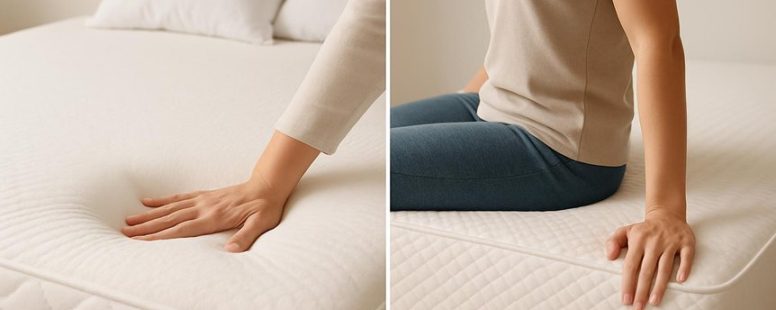
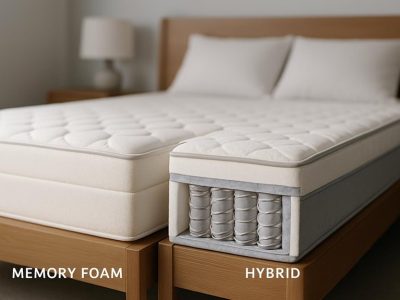
Imagine sinking into a mattress that cradles you like a gentle wave or bouncing softly beneath your touch. Choosing between a memory foam and a latex mattress can feel like navigating a sea of options, each promising its own kind of comfort.
While memory foam wraps you in a contouring embrace, latex offers lively bounce and cool breathability. The secret lies in understanding how each material responds to your body’s signals—like discovering a hidden gem that transforms your sleep experience.
Surprisingly, latex mattresses often resist allergens better, giving you a fresher, healthier night’s rest. Let’s explore these differences and find your perfect sleep partner.
What Is Memory Foam? How Does It Feel?
Memory foam is a type of mattress material that softens and molds to your body when you lie down. It provides support where you need it most and helps relieve pressure points. For example, it gently hugs your shoulders and hips, making you feel like you’re sinking into a cozy cloud. This can help you sleep better because it reduces tossing and turning caused by uncomfortable pressure.
Some people find memory foam feels like a gentle hug, giving a sense of support without feeling stiff or hard. Others might feel it is too soft or warm, which can make sleeping uncomfortable for them. It is helpful if you often wake up with aches or feel restless at night. However, memory foam can trap heat, so some brands include cooling features to prevent overheating.
There are two main views about memory foam. Supporters say it improves sleep by fitting your body perfectly and reducing pain. Critics warn that it may feel too soft for some, or that it can hold heat and cause sweating. So, if you are thinking about trying it, consider your personal comfort and whether you tend to sleep hot.
What Is a Latex Mattress? What Makes It Unique?
A latex mattress is a type of mattress made from natural latex rubber, usually derived from rubber trees. It is different from memory foam because it offers a bouncier feel and responds quickly when you move. Some people like it because it feels more natural and less like sinking into a cloud.
One big advantage is that latex mattresses are very durable. They can last for many years without sagging or losing shape. If you push down on one side, it quickly bounces back, which helps keep your body supported. Imagine jumping on a trampoline—latex feels similar because it gives and then springs back fast.
Another reason people choose latex is that it breathes well. This means air flows through the mattress easily, helping you stay cool at night. If you’ve ever woken up sweaty on a memory foam bed, you might find latex more comfortable because of this.
However, some folks warn that latex mattresses can be more expensive than other types. Also, not everyone loves the bouncy feel—it might be too firm for some. Some brands, like Avocado or PlushBeds, make good latex mattresses, but it’s worth trying one before buying to see if you like the feel.
In the end, whether a latex mattress is best for you depends on what you want — if you prefer a natural, supportive, and cool sleeping surface, latex might be a good choice. Just remember, it costs more than foam and might be too firm if you don’t like a lot of bounce.
Natural Material Composition
If you want a mattress made from natural materials, latex might be your best choice. Latex is made from the sap of rubber trees, which makes it eco-friendly. Unlike synthetic foams, latex is biodegradable and renewable, so it hurts the planet less. Some brands, like Avocado or Saatva, offer latex mattresses that are better for the environment.
Because latex comes from natural sources, it has fewer chemicals and allergens. This makes it a good option if you are sensitive or allergic to synthetic materials. But beware—some cheaper latex mattresses might still have chemical finishes or additives, so check labels carefully.
Latex also provides a good mix of softness and support that many synthetic mattresses can’t match. It feels comfortable but still keeps your spine aligned. For example, if you like sinking in but don’t want to feel stuck, latex might be just right. However, some people find latex too firm or heavy to move easily.
In short, choosing a latex mattress can help protect the environment and your health. But not all latex products are the same, so always read reviews and labels to find the best fit for you. Some cheaper options may not last long or may contain chemicals, so do your homework before buying.
Durability And Resilience
Latex mattresses are known for their durability and resilience. They last longer than many other types of mattresses because they can bounce back from pressure without sagging. This means you won’t have to replace them as often. For example, if you buy a latex mattress, it can keep its shape and support for many years. Unlike memory foam, which can soften and become less firm over time, latex stays firm and resists wear and tear.
Some brands, like Talalay and Dunlop latex mattresses, are especially popular for their durability. But keep in mind, latex mattresses can be more expensive upfront. They are a good choice if you want a mattress that lasts a long time and stays supportive. On the other hand, some cheaper latex mattresses may not be as resilient, so it’s worth investing in a good quality one.
If durability is your main goal, latex is a smart pick. It is built to endure daily use and keep its support. However, it’s not completely immune to damage. Heavy people or those who jump on the bed often might see some wear faster. Also, latex can be heavy to move or flip, making it less convenient for some people.
Breathability And Comfort
Breathability is key when choosing a mattress. A natural latex mattress breathes better than memory foam, helping you stay cooler at night. The open-cell structure of latex and its natural ventilation channels let air flow freely. This means less sweating and a more comfortable sleep.
Some people prefer a mattress that feels supportive but also springs back when you move. Latex often offers this feel better than memory foam, which tends to mold tightly to your body and trap heat. If you tend to sleep hot, latex can be a good choice because it doesn’t overheat like some memory foam options.
But remember, latex may cost more than memory foam and might not be as soft or contouring. Also, not all latex mattresses are equally breathable—some may have thicker layers that reduce airflow. So, if breathability and comfort are your main concerns, latex has a good balance of cooling airflow and support. It’s worth trying if you want a cooler, more responsive mattress.
Body Support: Memory Foam vs. Latex Mattresses
Support is the most important part of a good sleep. When comparing memory foam and latex mattresses, the difference in support is clear once you lie down. Memory foam is known for pressure relief because it molds closely to your body. This helps reduce stress on your joints and keeps your spine aligned properly. If you often wake up with aches or want a mattress that contours to your shape, memory foam might be the best pick.
Latex mattresses, on the other hand, are more responsive and bouncy. They support your body without sinking in too much. Latex keeps your spine straight and offers a firmer, yet comfortable surface. If you like a little more bounce and less hugging feel, latex is a good choice.
Choosing between memory foam and latex depends on how you want your body supported during sleep. Do you prefer sinking in and contouring to your curves, or do you want steady support with some bounce? Both types have pros and cons, so think about what feels best for your body.
Heat and Breathability: Which Mattress Performs Better?
The best mattresses for keeping you cool are usually latex ones. They are better at managing temperature because their open-cell structure and tiny holes let air flow freely. This helps heat escape and keeps fresh air moving around your body. Memory foam mattresses tend to trap heat because they are denser and less breathable, which can leave you feeling warmer during the night. Some memory foam beds add cooling gels or ventilated layers to help with breathability, but they still typically don’t match latex’s natural ability to stay cool.
If you sleep hot or tend to sweat at night, choosing a latex mattress can be a smarter choice. It manages temperature and airflow better, helping you stay comfortable all night long. However, keep in mind that not all latex mattresses are the same, and some might still trap heat if they are not ventilated well. So, look for brands like Avocado or Saatva that are known for good airflow features.
On the other hand, some people prefer memory foam because it hugs the body more closely, which can be nice for pressure relief. These mattresses may be warmer, but if they have cooling layers or gels, they can work better. Still, if breathability is your top priority, latex generally wins.
In summary, if your main concern is staying cool while sleeping, latex is usually the better choice. It naturally keeps heat away and promotes airflow. But if you want a mattress that contours to your body and are willing to spend extra on cooling features, memory foam with ventilation might work for you. Always check reviews and product details before buying, to see how well it breathes and cools.
Sources: Sleep Foundation, Consumer Reports
Durability Comparison: How Long Do Memory Foam and Latex Last?
Memory foam and latex are popular choices for mattresses, but they last differently. If you want a mattress that stays comfortable for many years, knowing how long each material lasts helps you decide.
Memory foam usually lasts about 7 to 10 years. The exact time depends on how dense and good the quality is. For example, a high-density memory foam mattress might last longer than a cheaper one. But over time, memory foam can develop indentations or sagging, especially if you use it heavily.
Natural latex often outlasts memory foam. It can last 10 to 15 years or more. Latex is resilient and resistant to sagging. If you buy a good quality natural latex mattress, it can stay firm and supportive for a long time. Synthetic latex, however, may not last as long. Its durability is closer to memory foam, around 7 to 10 years.
Both materials wear down with heavy use. But latex tends to resist impressions and sagging better than memory foam. Think of latex as a tough rubber band that bounces back, while memory foam is more like a sponge that can wear out over time.
If you want a mattress that lasts the longest, latex is usually the better choice. Memory foam can still be comfortable, but you might need a new one sooner. Remember, factors like body weight, how you sleep, and care can affect how long your mattress lasts. So, check reviews, quality labels, and warranties before buying.
Some brands, like Tempur-Pedic for memory foam or PlushBeds for latex, offer good durability. But no matter what, all mattresses will eventually need replacing. Knowing these differences helps you pick one that fits your needs and budget.
Allergy Considerations for Memory Foam vs. Latex Mattresses
Both memory foam and latex mattresses have different allergy risks, so it’s good to know which one might be better for you.
Memory foam mattresses are made from polyurethane and often contain chemicals that can cause sensitivities in some people. They can trap dust mites and mold if not cleaned regularly, which can worsen allergies. However, many memory foam brands now use hypoallergenic materials, so always check labels.
Latex mattresses are naturally resistant to dust mites and mold, making them a good choice for allergy sufferers. But, if you’re allergic to latex itself, these mattresses can cause reactions. Some people also worry about chemical smells when they first open a latex mattress, but most brands now use natural or organic latex to reduce this issue.
One person might say latex is the safer choice because it’s naturally resistant to allergens. Another might warn that if you have a latex allergy, you should avoid it altogether.
Remember, both types can be made with chemicals or treated with fire retardants, so always read the labels carefully. Some brands, like Avocado or Naturepedic, focus on natural materials and might be better options.
In short, if dust mites and mold bother you, latex might be better. But if you’re sensitive to latex, then a hypoallergenic memory foam with good cleaning habits could work. It’s a good idea to test both if possible, or talk to a doctor if you have serious allergies.
Would you want a mattress that’s certified organic or hypoallergenic? Checking reviews and labels can help you find the safest choice.
Hypoallergenic Properties Comparison
Choosing between memory foam and latex mattresses for allergy safety? Here is what you should know.
Memory foam is naturally resistant to dust mites and mold. This means it can help reduce common allergens that cause sneezing or breathing problems. If you have allergies, a memory foam mattress might be a good choice. But remember, some memory foam contains chemicals that could trigger reactions.
Latex mattresses, especially those made from natural latex, are known for their antimicrobial properties. They fight off mold and bacteria better than synthetic options. So, if you want a mattress that fights germs, natural latex could be better. However, some people are allergic to latex itself. Synthetic latex may also contain chemicals that can cause reactions, so check labels carefully.
Both types of mattresses can be covered with hypoallergenic protectors. These covers block dust mites and other allergens, adding extra protection.
Understanding these differences helps you pick a mattress that keeps allergens low. This can give you a more peaceful sleep without allergy symptoms. Just be aware that no mattress is completely allergy-proof. Always check material labels and consider your own allergies before buying.
Sources: American Academy of Allergy, Asthma & Immunology, Mayo Clinic.
Dust Mite Resistance Levels
Dust mites are tiny creatures that can cause allergies, especially for people sensitive to them. Some mattresses can help keep dust mites away. Here’s what you need to know about memory foam and latex mattresses and their ability to resist dust mites.
Memory foam mattresses are good at resisting dust mites because of their dense structure. The tight foam blocks mites from burrowing inside. But, even with this natural defense, you still need to clean regularly. Using allergen-proof covers and vacuuming the mattress often helps keep dust mites out. For example, washing the cover weekly and airing out the mattress can make a big difference.
Latex mattresses, especially natural latex, are even better at fighting dust mites. They have natural antimicrobial properties that repel these tiny bugs. Because of this, latex beds often need less cleaning to stay mite-free. However, it is still smart to wash covers often and air out the mattress regularly.
Some people prefer latex mattresses if they are allergic to dust mites. They tend to stay cleaner without as much effort. But, no matter what mattress you pick, regular maintenance is key. Even the best resistance can fail if you forget to clean and air out your bed.
In the end, if dust mite allergies bother you, natural latex might be the better choice. But don’t skip cleaning routines. Regularly washing covers and airing your mattress will help keep allergens away, no matter what type you choose.
Chemical Sensitivities Impact
Chemical sensitivities can make choosing a mattress more complicated. If you often get headaches, skin rashes, or other reactions, what the mattress is made of really matters. Memory foam often contains synthetic chemicals and releases off-gas, which can cause your symptoms to worsen. Natural latex, especially if labeled organic, usually has fewer chemicals and is less likely to bother you.
Here’s what you should know:
Memory foam can release volatile organic compounds (VOCs). These fumes can cause headaches or breathing issues for sensitive people.
Organic latex is made from natural rubber and typically off-gasses less, making it a better choice if you are sensitive to chemicals.
Some latex mattresses are made with synthetic blends that may contain more chemicals. Always check the label.
Look for certifications like GOLS or OEKO-TEX. These indicate the mattress has low chemical content and is safer for sensitive sleepers.
Keep in mind, some brands like Avocado or PlushBeds offer organic latex options. But beware, not all latex is free from chemicals. Always read reviews and labels carefully. Choosing the right mattress can help you sleep peacefully without discomfort or health worries.
Best Sleeping Styles for Memory Foam and Latex Mattresses
Choosing the right sleeping position helps you pick the best mattress for your body. Different styles work better with different mattresses, especially memory foam and latex.
Side Sleepers: Memory foam is a good choice because it molds to your shoulders and hips. This helps relieve pressure and makes sleeping more comfortable. But, if you’re a side sleeper who moves a lot during the night, latex might be better because it responds quickly and keeps you supported without feeling stuck.
Back Sleepers: Both memory foam and latex work well for back sleepers. They support your spine and keep it aligned. Latex might be a better pick if you change positions often because it responds fast and adjusts easily. Memory foam can feel a little restrictive for people who toss and turn.
Stomach Sleepers: People who sleep on their stomachs need a firmer surface. Latex offers a buoyant feel that keeps you from sinking too deeply, helping your spine stay in a good position. Memory foam, on the other hand, might be too soft and cause you to sink too much, which can cause back pain.
Combination Sleepers: If you switch positions often, latex is a good choice. It responds quickly to your movements and adjusts easily. Memory foam contours to your body but might feel tight for people who move a lot during the night. Be aware that some memory foam mattresses can feel too restrictive if you change positions frequently.
Knowing how you sleep can help you pick the right mattress. For example, if you move a lot, latex might be your best option. But if you want pressure relief and stay still most of the night, memory foam could work better. Always test mattresses and consider your habits before buying. Remember, no mattress is perfect for everyone, so it’s good to think about your needs first.
Memory Foam vs. Latex: Mattress Pricing
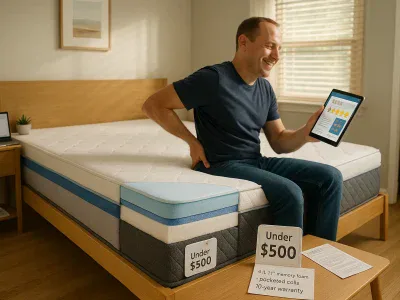
When I look for a mattress, price is a big factor. Knowing the costs helps me decide without feeling overwhelmed. Here’s a simple comparison between memory foam and latex mattresses:
Memory foam mattresses usually cost less when you buy them. They are cheaper upfront, which is good if you are on a tight budget. Some brands like Casper or Tempur-Pedic offer options at different prices, from budget to luxury. But keep in mind, cheaper memory foam may not last as long or feel as supportive.
Latex mattresses tend to be more expensive. They use natural materials like rubber and last longer. Many people find that latex feels bouncier and more responsive. If you want a mattress that stays comfortable for many years, latex might be worth the extra cost. Brands like Avocado or Saatva sell popular latex beds that are pricier but durable.
Some folks prefer memory foam for its lower price, especially if they want a soft, cushiony feel quickly. Others choose latex because it offers longer-lasting comfort and better support over time. Consider your budget, how long you want the mattress to last, and the feel you prefer. That way, you can pick the best fit for you without surprises.
Choosing the Right Mattress: Memory Foam or Latex?
Choosing the right mattress can be confusing, especially when comparing memory foam and latex. Here’s what you need to know to pick the best one for you.
Memory foam molds closely to your body, giving soft support. It’s great if you want something that feels like a gentle hug. But it can trap heat, making some people sweat at night. Latex, on the other hand, offers a firmer, bouncier feel. It supports your spine better and sleeps cooler. If you tend to get hot at night, latex might be a better choice.
Another thing to think about is allergies. Latex is naturally hypoallergenic and resistant to dust mites. If you have allergies, latex could help reduce your symptoms. However, some people are allergic to latex, so testing before buying is smart.
When shopping, try both types if you can. Lie down and see how each supports your back and relieves pressure points. Think about how firm or soft you like your mattress. For example, if you prefer a soft feel, memory foam might be better. If you want something firmer and cooler, latex is a good pick.
Remember, both types have pros and cons. Memory foam can stay hot and may have an odor when new. Latex can be more expensive and heavier to move. So, weigh what matters most—comfort, temperature, allergy concerns, and cost.
In short, understanding these differences helps you make a smarter choice. Testing both options and considering your personal needs will help you find a mattress that gives you good sleep every night.
To provide the best experiences, we use technologies like cookies to store and/or access device information. Consenting to these technologies will allow us to process data such as browsing behaviour or unique IDs on this site. Not consenting or withdrawing consent, may adversely affect certain features and functions.
Functional
Always active
The technical storage or access is strictly necessary for the legitimate purpose of enabling the use of a specific service explicitly requested by the subscriber or user, or for the sole purpose of carrying out the transmission of a communication over an electronic communications network.
Preferences
The technical storage or access is necessary for the legitimate purpose of storing preferences that are not requested by the subscriber or user.
Statistics
The technical storage or access that is used exclusively for statistical purposes.The technical storage or access that is used exclusively for anonymous statistical purposes. Without a subpoena, voluntary compliance on the part of your Internet Service Provider, or additional records from a third party, information stored or retrieved for this purpose alone cannot usually be used to identify you.
Marketing
The technical storage or access is required to create user profiles to send advertising, or to track the user on a website or across several websites for similar marketing purposes.