The difference between a director’s cut and an extended cut may seem like a mere flicker on the surface—just a few extra scenes or a longer running time. But peel back the layers, and you might discover a hidden universe that reshapes your entire experience.
Small tweaks can subtly shift the movie’s mood or reveal secrets behind a character’s motives, like uncovering a hidden gear in a complex machine. Surprisingly, these versions often offer a richer, more immersive journey, revealing nuances that the original cut might leave behind.
Curious how a few extra minutes can transform your understanding of a film’s soul? Let’s delve into what truly makes these cuts different.
What Are the Main Differences Between Director’s and Extended Cuts?
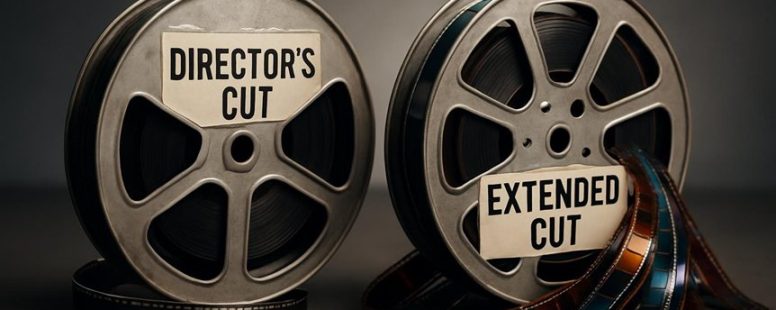
A director’s cut is a version of a film that shows what the director originally wanted to make. It often adds scenes or changes parts to better tell the story the filmmaker had in mind. For example, a director might include extra scenes that explore a character’s background or make the story more clear. These cuts are meant to present the film as the director intended before studio edits or commercial edits changed things.
An extended cut is a version that includes more footage than the original release. The main goal here is to add content to make the movie longer or more detailed. Sometimes studios release extended cuts to give fans more scenes or to make the movie seem more impressive. For example, an extended cut might have extra scenes of action or more musical parts to entertain viewers.
When it comes to music in movies, a director’s cut keeps the music scenes as the director wanted, which are important for setting the mood. Extended cuts might add more musical sequences or longer versions of songs to make the film feel more complete. These added scenes can change how the story feels or how the music supports it.
The main difference between the two is why they are made. Director’s cuts try to show the film as the director originally imagined it. Extended cuts focus on adding more footage, sometimes for commercial reasons or to make fans happy. Keep in mind, though, that extended cuts can sometimes make the movie feel slower or less focused because of all the extra scenes. Both versions have their fans and critics, but understanding their purpose helps you know what to expect when you see them.
How Do Directors’ Visions Shape Different Film Versions?
Directors’ visions are key in shaping different versions of a film because they show the creative choices and story focus of the filmmaker. Their vision influences how symbols and visuals are used in the movie, guiding viewers to see things in a certain way. For example, if a director wants a darker mood, they might use shadows and gloomy colors, making the story feel more intense or mysterious. When a director rewrites or edits a film, they might emphasize different themes or visuals, which changes how the audience understands or feels about the story. Two versions of the same film can have different meanings depending on what the director wants to highlight. Some directors may focus on action, while others may focus on character emotions, leading to different experiences for viewers. However, it’s worth remembering that the audience’s own beliefs and feelings also shape how they interpret a film. Overall, a director’s creative vision helps each version reflect their unique style and message.
Are Extended Cuts Just Longer, or Do They Add Meaningful Content?
Extended cuts are not just longer versions of movies; they often add meaningful content. These versions usually include scenes that were cut for time or pacing in the original release. Sometimes, these extra scenes help clarify the story or give more details about characters. For example, an extended cut of a superhero film might show how a hero’s past shaped their actions today, making the story more understandable.
However, not all extended cuts add real value. Some include scenes that feel like filler or slow down the film without adding much to the story. These scenes can make the movie longer but don’t necessarily improve the experience. For instance, a director’s cut of a thriller might have a few extra moments that don’t change the main plot but just stretch out the runtime.
Content Depth and Context
Extended cuts are longer versions of movies that add extra scenes or details. These scenes can give viewers more background, helping them understand the story better. For example, they might show why a character acts a certain way or explain a confusing part of the plot. This makes the movie richer and more meaningful.
Adding more scenes can also change how people feel about the film. Viewers might find new clues or details to talk about, making discussions more interesting. For fans who love the movie, extended cuts can bring new excitement and keep the conversation going.
From a marketing point of view, longer versions can bring back interest in a film. They give fans a reason to watch the movie again and can create buzz on social media. For example, some directors like Zack Snyder have released longer cuts of their movies, which fans eagerly share and discuss.
Sometimes, longer cuts include background stories that clarify confusing parts. They also show characters’ motives more clearly, helping viewers understand why they do certain things. This can make the story more emotional and powerful.
However, not everyone likes extended cuts. Some viewers prefer the shorter, faster-paced version. Additionally, longer movies might be harder for some to sit through or find less exciting if they are used to the original cut.
Narrative Impact and Clarity
A longer version of a movie can do more than just add extra minutes. It can actually improve how the story is told. These extended cuts often include scenes that help make the plot clearer and give more background on characters. For example, a scene showing a character’s past can help you understand their choices better. The additional sound and visuals can make key moments feel more emotional and real.
But not all longer versions are better. Sometimes, extra scenes can clutter the story and make it harder to follow. If the added footage is just filler, it might slow down the movie instead of helping it. So, the value of a longer film depends on whether those extra scenes make the story clearer and more interesting.
Why Do Studios Release Multiple Versions of the Same Movie?
Multiple versions of a movie are released for different reasons. One main reason is to show fans different creative visions. For example, a director might make a longer or more detailed version of a film to better tell the story they wanted. Sometimes, the original cut is different from the version shown in theaters. Fans who want to see what the director really intended might buy the special or director’s cut.
Another reason is to make more money. Studios release these different versions to reach different audiences. For example, a family-friendly version might be made for kids, while a more intense version could be aimed at adults. This way, studios can sell more copies and attract more viewers. Sometimes, they release special editions with extra scenes or behind-the-scenes content to get fans excited and buy more copies.
There are some risks too. Not all fans like multiple versions. Some might find it confusing or think the extra versions are just a way to make more money. Also, making different versions can be costly and take more time. So, studios have to decide if the extra sales are worth the effort.
In the end, releasing multiple versions of a movie is a way for studios to show different stories or ideas and to boost sales. But they need to balance artistic goals with making a profit. Sometimes, fans get a better look at what the director wanted, and other times, it’s just a way to sell more movies.
Creative Artistic Choices
Creative artistic choices in movies often involve releasing different versions of a film. These versions help filmmakers show their ideas more clearly and give fans a richer experience. Different cuts can focus on themes or symbols that might be less obvious in the main version. For example, a director might want to highlight a character’s struggle or emphasize a specific visual style.
Having multiple versions allows directors to explore their stories in more detail. They can add scenes that develop characters better or highlight important motifs. Sometimes, filmmakers want to use special visual techniques to make scenes more striking. Or, they might include symbolic elements that add layers of meaning to the story.
Releasing these different cuts gives fans a chance to see the film more completely. It’s like getting a full picture rather than just a quick glimpse. However, some critics warn that too many versions can confuse viewers or make the story feel inconsistent. Also, creating multiple cuts can be expensive and time-consuming for studios.
In short, multiple versions of a movie are a way for filmmakers to express their creative ideas more fully. They help deepen the emotional impact and make the film more meaningful for dedicated fans. But, viewers should be aware that not every version will suit everyone’s taste, and sometimes it can be hard to tell which version is the “best.”
Market and Revenue Strategies
Releasing multiple versions of a movie is a smart way to make more money and reach different groups of viewers. Studios know that some people want longer versions with extra scenes, while others prefer shorter, faster cuts. By offering a Director’s Cut or Extended Cut, they can keep fans interested and talking about the movie longer. These different versions also help with marketing because they create excitement and make fans want to see the film again or buy special editions. This approach adds value for fans who want to see more details or behind-the-scenes content.
However, there are also some downsides. Releasing many versions can confuse viewers or make some feel the extra versions are just a way to charge more. Plus, making multiple versions costs more money and time. So, studios need to decide if the extra sales are worth the extra effort. Overall, releasing different movie versions can boost sales and keep audiences loyal, but it’s not a perfect plan for every film.
How to Tell Which Version of a Movie You’re Watching?
Knowing which version of a movie you’re watching can be simple if you know what to look for. Different versions such as the director’s cut or extended edition often have small clues that tell you apart. Sometimes filmmakers share why these versions are different, and fans also talk about these differences online.
Here are some ways to tell which version you’re watching:
Look for extra scenes or longer moments. For example, an extended director’s cut might include scenes that weren’t in the original release.
Check the movie’s runtime. If the movie runs longer than usual, it could be an extended or director’s cut.
Listen for dialogue or shots that seem different or added. Sometimes specific lines or camera angles are only in one version.
Read the credits or packaging. Sometimes, the DVD or streaming info mentions the version name.
Search online reviews or forums. Fans often point out what makes each version unique.
For example, the movie “Blade Runner” has a director’s cut with extra scenes and a different ending, which fans often prefer. But be careful because sometimes the differences are small or not obvious at first glance. Also, not all versions are better; some might have more scenes but slower pacing.
Knowing which version you’re watching helps you enjoy the movie more and understand the filmmaker’s original vision. Just remember to check the details and have fun comparing!
Do Extended Cuts Change the Story or Character Development?
Extended cuts are versions of movies that include extra scenes not shown in the original theatrical release. These versions can change how the story unfolds and how we see the characters. Sometimes, they add new scenes that give us a better understanding of what characters are feeling or why they act a certain way. For example, an extended cut might show more of a hero’s struggles or reveal important backstory that wasn’t clear before.
These added scenes can also give characters more time to grow. You might see a character’s motivations more clearly, which makes their choices easier to understand. Visual effects often get better in extended cuts too, with longer scenes that make the story more immersive. This can change how we feel about the story or the emotions of the characters.
However, not everyone agrees. Some say that extended cuts can make a movie feel too long or slow. They might change what the director originally wanted to tell, which can be confusing. Also, some scenes might seem unnecessary and could distract from the main story.
In short, extended cuts can change the way we see a story and its characters. They often add more depth and help us connect better with the film. But they can also alter the original feel or slow down the pacing. So, whether they are better or not depends on what you like in a movie.
Which Film Version Should You Watch for the Full Experience?
Choosing which version of a film to watch depends on what kind of experience you want. If you want to see the full story or understand the director’s idea better, then watching the extended or director’s cut is a good choice. These versions often have extra scenes or details that aren’t in the original release. But if you are looking for something quick or just want to enjoy the main plot, the original version might be enough.
Think about these questions:
Do you want to see every part of the story?
Are you interested in the director’s style or artistic vision?
Does marketing or how the film was promoted matter to you?
Do you care more about the characters and emotions?
Are you a casual viewer or a big fan who wants all the details?
Some versions are made to please fans who want more. They might include scenes that were cut or behind-the-scenes insights. Others are made to attract a bigger audience, with simpler or shorter versions. Knowing what you want can help you pick the best version for your mood.
Just remember, sometimes the extended cut can be much longer, which might be too much if you want a quick movie night. Also, not all directors’ cuts are better; some are just different. So, it’s good to read reviews or ask friends what they prefer. Watching the right version can make your movie experience even more fun and memorable.
Common Mistakes When Comparing Different Movie Cuts?
When comparing different movie cuts, it’s important to understand what makes each version unique. The main goal is to look at the differences in story, pacing, and tone. For example, a director’s cut might include scenes that add more depth to characters, while an extended cut might include extra action scenes. These differences can change how you feel about the movie, so knowing what to look for can help you decide which version you prefer.
One common mistake is letting fan opinions influence your judgment too much. Just because many people say one cut is better doesn’t mean it is. Sometimes fans prefer scenes that don’t serve the story well, only because they are exciting or shocking. It’s better to judge each version based on how well it tells the story, not just on popularity.
Another mistake is ignoring why certain scenes are added or removed. Directors and editors choose scenes for a reason. An extended version may have extra scenes to give more background, not just to add more content. These edits show creative choices, so they are not automatically better or worse. Sometimes, a shorter cut can be more focused and faster, which some viewers prefer.
When comparing movie cuts, try to think about how editing affects the story. Does the pacing feel right? Does the tone match what the director wanted? For example, a longer version might slow down the story, while a shorter one might feel more intense. Seeing these differences helps you appreciate what each version offers.
How Do These Versions Affect Your Overall Movie Experience?
Different versions of a movie can change how you experience the story and emotions. For example, a director’s cut or extended version might show more scenes or add extra details. These changes can make the story feel more full or give you a better look at the characters.
They can make you feel more involved by adding extra context or cutting scenes that don’t matter.
They can change how you see the characters’ choices and motivations.
They might make the visuals more impressive or detailed.
They can affect how fast or slow the story feels, which changes how connected you are to it.
They might make the message of the film clearer or more confusing, depending on the version.
For example, the extended cut of a popular movie like “Blade Runner” adds scenes that help explain the story better but also makes it longer and slower. Some fans love these versions because they feel more complete, but others think they ruin the pacing.
In the end, watching different versions can make the same movie feel totally different. Sometimes, a director’s cut can bring new meaning or emotions, while other times it might confuse or distract you. So, it’s good to know what kind of experience you want before choosing which version to watch.
To provide the best experiences, we use technologies like cookies to store and/or access device information. Consenting to these technologies will allow us to process data such as browsing behaviour or unique IDs on this site. Not consenting or withdrawing consent, may adversely affect certain features and functions.
Functional
Always active
The technical storage or access is strictly necessary for the legitimate purpose of enabling the use of a specific service explicitly requested by the subscriber or user, or for the sole purpose of carrying out the transmission of a communication over an electronic communications network.
Preferences
The technical storage or access is necessary for the legitimate purpose of storing preferences that are not requested by the subscriber or user.
Statistics
The technical storage or access that is used exclusively for statistical purposes.The technical storage or access that is used exclusively for anonymous statistical purposes. Without a subpoena, voluntary compliance on the part of your Internet Service Provider, or additional records from a third party, information stored or retrieved for this purpose alone cannot usually be used to identify you.
Marketing
The technical storage or access is required to create user profiles to send advertising, or to track the user on a website or across several websites for similar marketing purposes.