Have you ever hesitated before hitting play on an unrated movie, unsure if it’s worth the extra risk? The truth is simpler than it seems. The difference between Rated R and unrated isn’t about better quality or more warnings—it’s about what you’re really signing up for.
Think of it as peeling back the layers of a film’s secret recipe. Unrated versions often reveal more of the ingredients that filmmakers kept hidden—giving you a richer, more unfiltered experience.
Surprisingly, choosing the unrated cut might just unlock a new level of storytelling that leaves you captivated from start to finish.
What Does Rated R Mean for Movies?
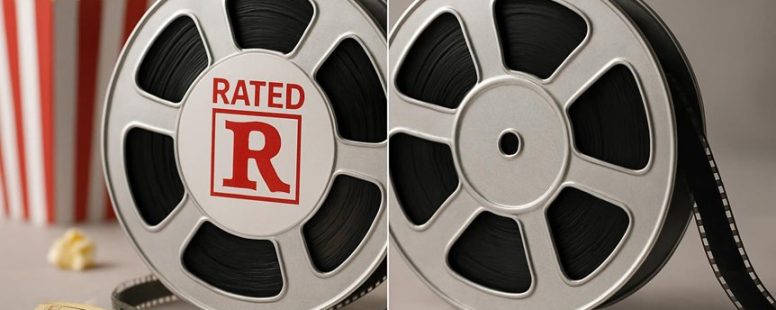
Rated R is a movie rating that means the film is for adults only. This rating is given when a movie has content like strong language, violent scenes, or explicit material that young kids shouldn’t see. If you see a movie labeled Rated R, it helps you know what to expect before you watch it. For example, a horror film with lots of blood or a comedy with profanity might get this rating. Some people like watching Rated R movies because they show real, adult topics that other movies might avoid. But it’s also a good warning that the movie might be too intense or inappropriate for children.
There are two sides to think about. Some say Rated R movies are good because they tell honest stories for grown-ups. Others say they can be too graphic or violent, and parents should be careful. If you are not sure if a movie is right for you or your family, checking the rating first can save you from surprises. Remember, the Rated R label is there to help you decide if the content matches what you are comfortable watching.
How the MPAA Decides Rated R Movie Ratings
The MPAA uses clear rules to decide if a movie gets a Rated R rating. A Rated R means the film has strong language, violence, or other mature themes that might not be suitable for kids. The process starts when a filmmaker submits their movie for rating. A group of people reviews the content carefully. They look at things like how much language, violence, or adult themes are in the film. Based on this, they decide if the movie fits into the Rated R category or not.
If a filmmaker does not agree with the rating, they can ask for a review again. This is called an appeal. The same group then looks at the film a second time to see if the initial decision was right. This process helps keep ratings consistent and fair. It also helps filmmakers understand what might cause their movie to get an R, so they can make changes if needed.
The goal of the MPAA is to give honest and clear ratings. They want viewers to know what to expect before watching a movie. Rated R does not mean the film is bad or inappropriate, only that it has some mature content. Knowing how the rating process works can help you decide if a movie is right for you or your family.
Some critics say the system is too strict or too loose. Others worry about bias or inconsistency. Still, it’s important to remember that the ratings are based on rules designed to protect viewers and provide clarity. The process is not perfect, but it aims to be fair and straightforward.
Imagine it like a teacher grading essays. They look at the content, decide if it fits the rules, and can review it again if needed. That way, everyone knows what to expect, and filmmakers get a chance to appeal if they believe their film was rated unfairly.
What Content Usually Pushes a Movie to Rated R
The main reason a movie gets an R rating from the MPAA is because of its content that is meant for mature audiences. Violence is a big factor. If a film has very intense or long scenes of fighting, blood, or brutal acts, it can push the rating to R. For example, a movie with a lot of gunfire or fight scenes might be rated R because it’s too graphic for younger viewers.
Sexual content also plays a big role. When a movie shows explicit scenes or has frequent sexual themes, it can earn an R. This doesn’t mean just a kiss or a hug, but more graphic or nudity scenes that are meant for adults. For instance, movies with nudity or sexual language often get rated R.
Language is another important factor. If a movie uses strong or frequent profanity, especially the “F-bomb,” it can lead to an R rating. Think about a film with characters cursing often; it’s a sign the movie is meant for grown-ups.
Drug use can also cause a movie to be rated R. If characters are shown doing drugs realistically or repeatedly, it suggests a mature theme. Some horror or crime movies include drug scenes that influence the rating.
Themes that deal with dark or disturbing subjects matter too. Movies about violence, mental health issues, or crime might get rated R because they are not suitable for children. Graphic images, whether of violence or sexual acts, are very clear signs that the movie is for adults.
Cultural context and audience perception also matter. What some people think is acceptable can change the rating. For example, horror movies with intense scenes often get rated R because they scare or disturb viewers.
Why Some Movies Get an Unrated Version
Some movies release an unrated version because it has stuff that didn’t fit the original rating. These versions often include extra scenes or content that was cut out to get a certain rating, like R or PG-13. Fans might want to see more of the movie, so studios put out the unrated version to give a fuller experience.
On the other hand, some studios use unrated editions to attract different audiences. For example, an unrated version might have more intense or graphic scenes that some viewers want to see, but the studio keeps it unrated so it can be sold to adults who want a more shocking or complete version. However, it’s good to remember that the extra content might not always be better. Sometimes it’s just added to sell more copies or get attention.
For example, the movie “The Devil’s Advocate” had an unrated version with more violent scenes, which some fans loved. But others said it was just more shock value. So, whether it’s worth watching depends on what you want from a movie. Some people prefer the original cut because it’s more balanced, while others want the full, uncut version for more excitement.
In summary, movies get unrated versions to show extra content that didn’t fit the original rating and to attract different viewers. But remember, not all extra scenes make the movie better. Sometimes they’re just added to sell more copies or appeal to certain fans.
Content Differences Explained
What are unrated versions of movies? They are special edits that show more content than the original release. Studios make these versions because rating boards often set strict rules about what can be shown. These rules decide what audiences see at first. Unrated versions let viewers see the full idea the filmmakers wanted.
Here are some common reasons why content is different in unrated versions:
Some scenes with very intense violence or blood are cut because rating boards think they are too extreme. For example, a horror movie might include more graphic effects in the unrated cut.
Scenes with sexual content or nudity are often removed to keep the rating lower. Imagine a romantic scene with more details that gets cut in the original.
Bad words or curse words might be edited out to meet standards. An unrated version could have the original language that was too strong for theaters.
Entire parts of the movie might be cut because they challenge what audiences expect or push limits. Some scenes might be too shocking or controversial.
Some people see unrated versions as a way to get the full story. Others worry they might include content that parents or viewers want to avoid. Always check what kind of content is in the unrated version before watching.
Marketing And Distribution Reasons
Unrated versions of movies are not just about content differences. They also play a big role in marketing and how movies are sold. Studios use unrated cuts to create excitement and keep a movie popular longer after it leaves theaters. When they add extra scenes or footage, it makes fans curious and encourages them to buy or rent the movie in stores or online. This helps studios make more money from home videos and streaming services.
From a distribution point of view, unrated movies can sometimes avoid certain rules or restrictions that apply to rated movies. This means they can reach audiences who might avoid a movie with a high rating. For example, some stores or online platforms might sell unrated versions in places where rated movies are limited. This makes the movie more visible and available to different groups of viewers.
Some people say that unrated versions are mainly a way to sell more copies. Others believe they give fans extra content they want to see. But it’s also worth knowing that not all audiences may like the extra scenes, or think they are necessary. So, while unrated editions can boost sales and reach, they are also a smart marketing move that helps studios get more profit from their films.
Audience Targeting Strategies
They attract niche audiences who want uncut content. For example, fans who dislike censorship are more likely to watch these versions.
They focus on fans who want exclusive or longer scenes. This keeps viewers interested and engaged.
They create excitement by showing content that rated versions leave out. People like feeling they are getting something special.
They help marketers improve their messages by aiming at the right viewers. This means they can spend money smarter.
Some people might think unrated versions are just for marketing. They may warn that not everyone will care or that some viewers might prefer the original cut. Still, these versions do help film companies reach audiences that want something different.
But, beware. Not all viewers will see the value. Some may be annoyed if they feel pressured to buy or watch the unrated version. So, filmmakers need to understand their audience well.
In the end, unrated editions are more than just extras. They are smart tools to connect with viewers who want more than the usual. They can build buzz and give fans a reason to choose one version over another.
What’s Added or Changed in Unrated Cuts
Unrated cuts are different versions of movies that show more content than the original R-rated version. These versions often include scenes that were cut for the theatrical release. The extra scenes can make the story more detailed or intense. For example, you might see more character moments or scenes with stronger language or violence. This can change how the movie feels, making it seem more urgent or more deliberate.
Some people like the unrated cut because it gives a fuller picture of the story. Others find the added content too raw or disturbing. The changes can also show parts of the plot that were left out before. Watching an unrated cut can sometimes reveal hidden story clues or character motives that help you understand the film better.
However, not everyone agrees. Some viewers say the extra scenes slow down the movie or make it too dark. So, it depends on what you’re looking for. If you want a more complete and intense experience, the unrated version might be better. But if you prefer a cleaner, faster story, the original rated version might suit you more.
Think of it like a director’s full vision versus a trimmed version for theaters. Both have their fans. Just remember, unrated cuts aren’t just longer—they can change the whole feel of the movie. And sometimes, those extra scenes aren’t for everyone.
How Unrated Cuts Change the Viewer Experience
Unrated cuts change how you experience a movie. They are versions that include scenes not seen in the original R-rated release. These scenes can make the story feel more complete or intense.
Here is what an unrated cut can do:
It gives you a fuller story. This helps you understand and connect better with the characters. For example, in the unrated version of the horror movie “The Texas Chain Saw Massacre,” there are scenes that add more background to the villains, making them scarier.
Raw, unfiltered moments can make you feel stronger emotions. Maybe a scene that was cut for time now makes you feel more scared or sad. This is like getting the full picture instead of just a part.
Changes in pacing keep you interested in different ways. Sometimes, the added scenes slow down or speed up the story, which can make the movie feel more exciting or unsettling.
The extra content can show new layers. It might reveal a character’s hidden motives or add humor, making the film feel fresh even if you’ve seen it before.
Some people say unrated cuts are better because they give a more complete story. Others warn that these versions can be longer or more intense and might not be for everyone. If you like movies that feel more real or raw, an unrated version can be worth watching. But if you prefer a quick, straightforward story, the original R-rated version might be enough.
In the end, unrated cuts don’t just add minutes—they can change how you feel about a movie and make it more memorable. But remember, not all added scenes are necessary, and sometimes they can slow the story down. So, decide if you want a deeper experience or just the main story.
Common Myths About Rated R and Unrated Movies
Rated R and unrated movies often confuse viewers, but understanding what they really mean helps you pick movies better.
First, the term unrated does not mean the movie is more explicit or better. It simply means the film was not officially rated by the MPAA or had scenes cut in the Rated R version. For example, some movies release an unrated version that has extra scenes, but that doesn’t automatically make it more intense or suitable for adults only.
Second, people think Rated R movies are always less intense or safer. That’s not true. The R rating is about what is shown on screen, like violence, language, or nudity. It does not mean the movie is less exciting or less dangerous. A Rated R movie can still be very intense.
Knowing these facts helps you avoid wrong ideas. Many think unrated is better or worse, but it’s really just about the version of the film. The rating does not decide if a movie is good or bad, safe or dangerous. It’s just a way for the MPAA to guide viewers.
When to Choose Rated R vs. Unrated Movies
What is the difference between Rated R and unrated movies?
Rated R movies are films officially approved by the Motion Picture Association (MPA) that have content like strong language, violence, or adult themes. Unrated movies are films that have not gone through the official rating process or have a version that isn’t rated. Sometimes, an unrated version shows more intense scenes than the rated one.
When should I choose unrated movies?
I pick unrated films when I want to see the full story without edits. For example, horror or drama movies often have intense scenes that are cut or toned down for the rated version. If I want the complete experience, the unrated version usually has more details or scenes that were left out. But be careful — sometimes unrated movies have more graphic content that might not be suitable for everyone.
When is Rated R a better choice?
Rated R movies are safer if I’m watching with younger people or if I want to avoid surprises. The rating helps me know what to expect — like violence, language, or adult themes. For example, big blockbuster movies by Marvel or Disney rarely get rated R, so they are usually more family-friendly. If I’m worried about cultural sensitivities or want a movie that fits mainstream standards, I pick rated R.
What should I consider before choosing?
Some critics say that unrated versions can push boundaries and make movies more memorable or controversial. Others think that the official Rated R version is safer and easier to watch without worry. Keep in mind that unrated doesn’t mean better — it just means more explicit or less filtered.
In the end
Knowing the difference helps me decide what to watch based on what I want — whether I prefer the full, uncut story or something more mainstream and safe. Sometimes, I want the wild version; other times, I prefer the familiar. Both choices have their place, but I should always think about who I’m watching with and what I’m comfortable seeing.
Where to Legally Find Unrated Versions
The best way to find unrated movies legally is to look at official streaming services. Platforms like Amazon Prime, Hulu, or Netflix sometimes offer unrated versions as part of their library. These are safe and legal options because they pay for the rights to show the movies.
You can also buy special edition DVDs or Blu-rays. These physical copies often include the unrated cut along with the original version. Stores like Best Buy or online shops like Amazon sell these. Just make sure the disc says “Unrated” on the cover so you know you’re getting the version you want.
Here are steps to find unrated movies legally:
Search for the movie on popular streaming sites and check if they list an unrated version.
Read the description or details to see if it mentions “unrated” or “uncensored.”
Visit trusted online stores or physical stores to buy special editions that include unrated cuts.
Avoid illegal websites that offer free downloads because they break copyright laws and can harm your device.
Some people say streaming is easiest, but not all platforms have unrated versions. Physical copies give you the best quality, but they can be pricey or sold out. Be cautious about websites offering free downloads—these are often illegal and risky.
In short, stick with well-known streaming services or buy official DVDs and Blu-rays. That way, you watch legally and support the creators who made the movie.
Official Streaming Platforms
Netflix offers some unrated movies, but not all. They pick which ones to show and sometimes have age restrictions. If you want to watch an unrated version, check if it’s available on Netflix’s library first.
Amazon Prime Video has a good selection of unrated movies. They include many uncut versions, making it easier for viewers to find what they want.
Hulu sometimes streams unrated films, but their library changes often. Not all unrated movies are available, so you might need to check regularly.
Vudu stands out because it has many unrated movies available for rent or buy. They clearly list if the version is unrated or uncut, so you know what you are getting.
Knowing where each platform stands helps you find the unrated movies you want without wasting time. Sometimes, you need to compare their libraries and rules. Some sites may limit access based on your location or age. Always read the description before renting or streaming to make sure it’s the unrated version you’re after.
Counterpoints and Warnings:
Some platforms may say they have unrated movies but only offer censored versions. Others might charge extra for the uncut versions. Be cautious and read reviews or descriptions carefully. Just because a platform has the title listed doesn’t mean you will see the uncut version. Sometimes, these versions are only available in select regions or with special subscriptions.
Skeptical Viewer’s Note:
Many promises about “easy access” are false. It can take time to find the exact unrated version, and some platforms hide these versions behind extra fees or restrictions. Always double-check the content details before you start watching.
Night Owl’s Quick Tip:
If you’re browsing late at night and just want to see if a movie is unrated, look for clear labels or descriptions. Sometimes, a quick glance at the title and details is enough to know if it’s uncut. Remember, not everything labeled “unrated” is truly uncut, so be cautious.
Summary:
Different streaming services have different policies for unrated movies. Amazon Prime Video and Vudu are generally the best for uncut content, but always check the details. Netflix and Hulu might have some, but they are more limited. Be careful, and don’t assume all “unrated” labels mean the content is uncut.
Authorized Physical Releases
Collector editions are especially good because they often have different formats that respect distribution rights and show the movie as it was meant to be seen. These editions give fans the full experience, not just the simplified or edited versions found online. If you want a guaranteed way to watch movies without censorship, buying authorized physical copies is your safest choice. They provide a reliable way to see films exactly as they were originally made, without digital restrictions or hidden edits.
However, some people might say that physical releases can be expensive or hard to find. Also, not all physical editions include the unrated version. So, you should check the packaging or product details before buying. On the other hand, digital streaming is easier and faster, but it often leaves out certain scenes or edits because of licensing or censorship rules.
How Ratings Affect Movie Availability and Marketing
Ratings play a big role in how movies are shown and sold. They tell theaters and stores who can see or buy a film. For example, a movie rated R means only adults can watch it, and some theaters won’t show it to kids. Unrated movies often have a harder time getting onto shelves or streaming services because their content isn’t officially rated. This affects how movies are marketed too. Films with an R rating can be promoted more boldly to adults, while unrated movies often need special or underground marketing.
Here’s what it means for you:
Movies with R ratings are available in many theaters but only for adults.
Unrated movies might be hard to find on shelves or online.
Marketing for R-rated films can be loud and direct to adults.
Unrated movies need niche marketing, sometimes even underground tactics.
Knowing this can help explain why some movies seem rare or are heavily promoted. For example, a popular horror film with an R rating might be easy to find, but an unrated indie film could be hard to track down. Sometimes, a movie’s rating limits how and where you can see it, and that’s why it feels scarce or special.
To provide the best experiences, we use technologies like cookies to store and/or access device information. Consenting to these technologies will allow us to process data such as browsing behaviour or unique IDs on this site. Not consenting or withdrawing consent, may adversely affect certain features and functions.
Functional
Always active
The technical storage or access is strictly necessary for the legitimate purpose of enabling the use of a specific service explicitly requested by the subscriber or user, or for the sole purpose of carrying out the transmission of a communication over an electronic communications network.
Preferences
The technical storage or access is necessary for the legitimate purpose of storing preferences that are not requested by the subscriber or user.
Statistics
The technical storage or access that is used exclusively for statistical purposes.The technical storage or access that is used exclusively for anonymous statistical purposes. Without a subpoena, voluntary compliance on the part of your Internet Service Provider, or additional records from a third party, information stored or retrieved for this purpose alone cannot usually be used to identify you.
Marketing
The technical storage or access is required to create user profiles to send advertising, or to track the user on a website or across several websites for similar marketing purposes.