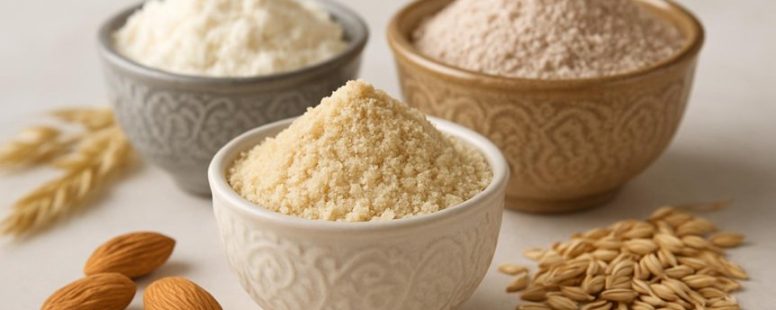
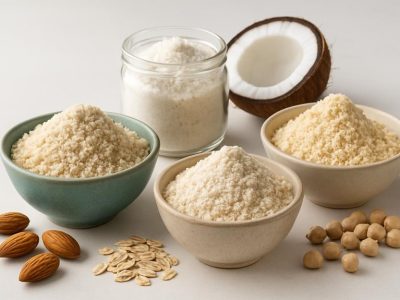
Imagine biting into a warm, fragrant muffin—its perfect texture and rich flavor thanks to just the right flour. When oat flour isn’t on hand, finding a substitute can feel like searching for a hidden gem.
The trick is understanding how each alternative shapes your baked masterpiece—whether you crave a nutty crunch or need a gluten-free solution.
Surprisingly, some substitutes not only mimic oat flour’s qualities but also add a unique twist to your recipes. With a little finesse, you can transform simple ingredients into culinary magic, turning everyday baking into a sensory adventure.
Key Qualities to Look For in Oat Flour Substitutes
Oat flour substitutes are ingredients used in baking when you don’t have oat flour or want a different option. The best substitute should be gluten-free if you avoid gluten and should match the texture and flavor of oat flour.
First, think about gluten. If you need a gluten-free option, rice flour or almond flour are good choices. These won’t contain gluten and work well in most recipes. But if gluten isn’t an issue, regular wheat flour can be used, though it changes the taste and texture.
Next, consider texture. Oat flour is light and slightly coarse. A good substitute should be similar so your baked goods hold their shape. For example, almond flour adds a bit of crunch, while coconut flour is finer and absorbs more moisture. If you want to keep the light texture, rice flour is a solid pick.
Flavor is another key. Oat flour has a mild, nutty taste. If your recipe needs a subtle flavor, stick with rice or tapioca flour. If you want a richer taste, nut-based flours like almond or hazelnut can add flavor but might change the dish’s overall taste.
Some people like to mix different flours to get the best results. For instance, combining rice flour and almond flour can give a good balance of texture and flavor.
Keep in mind, some substitutes may not work well in all recipes. Coconut flour, for example, absorbs lots of liquid, so you might need to adjust the amount of liquids in your recipe. Also, gluten-free flours often need binders like eggs or xanthan gum to hold everything together.
How to Choose the Best Oat Flour Substitute for Your Recipe
Oat flour substitutes are chosen based on three main points: how they feel, how they taste, and what dietary needs they meet. Here’s how to pick the best one for your recipe.
First, texture matters. Oat flour gives baked goods a crumbly, tender feel. Some options are heavier or lighter. For example, almond flour makes things more dense, while rice flour is lighter. Think about whether you want your cookies or muffins to be soft or firm. Matching the texture is key to getting the right result.
Next, flavor is important. Oat flour has a mild, slightly sweet taste. If you use a substitute with a strong flavor, it might change your recipe too much. For instance, coconut flour can add a sweet coconut flavor that might not fit every dish. Usually, mild options like all-purpose flour or chickpea flour work well in sweet recipes.
Finally, dietary needs help narrow down choices. If you’re gluten free, you’ll want options like rice flour or almond flour. If you need more protein, consider chickpea or pea protein flour. Be aware that some substitutes, like coconut flour, absorb more moisture and may require adjustments in your recipe.
Some people might prefer a certain substitute for taste, while others focus on dietary restrictions. Remember, not every substitute works perfectly in every recipe. For example, coconut flour is very absorbent and can make baked goods dry if you don’t add extra liquid. Always test small batches first.
In the end, choosing the right oat flour substitute depends on what you need—whether it’s texture, flavor, or dietary restrictions. Trying different options can help you find what works best for your baking. Just keep in mind that some substitutes might not give you the same crumbly, tender feel as oats do.
How to Use Almond Flour as an Oat Flour Substitute
Almond flour is a popular choice for baking, but it’s quite different from oat flour. It is a finer, softer powder made from ground almonds, and it has a richer flavor and more moisture. This makes it a good substitute, but you need to make some changes in your recipe.
First, almond flour is heavier than oat flour, so you should use less. Usually, replace one cup of oat flour with about ¾ cup of almond flour. Also, because almond flour adds extra moisture, you might need to cut back on liquids like milk or oil. If your batter looks too wet, don’t be afraid to add a little more dry ingredients.
Second, almond flour has a nutty taste that can change how baked goods taste. For instance, cookies made with almond flour will have a richer, more buttery flavor. If you want a more neutral flavor, you can mix almond flour with other flours like coconut or rice flour.
Third, the texture of baked goods will be different. Almond flour can make things softer and more crumbly. For cakes, this is usually fine, but for bread or cookies, you might need to add a binding agent like an egg or xanthan gum to hold everything together.
Some bakers love almond flour because it makes treats more moist and adds flavor. But others warn it can be expensive and might not work well in recipes that need a light, airy texture. It’s a good idea to test small batches first before making big changes.
Almond Flour Baking Tips
Almond flour is different from oat flour, but you can swap them in recipes with some simple tips. Knowing how almond flour works helps you get good results when baking. Almond flour is heavier and wetter, so you need to make small changes. Here are three baking tips for using almond flour:
Use less liquid – Almond flour keeps moisture, so cut back on liquids like milk or water. This helps prevent your baked goods from becoming soggy. For example, if a recipe calls for a cup of milk, try using a little less to get the right texture.
Add a binder – Since almond flour doesn’t have gluten, you need something to hold everything together. Eggs or flaxseed meal work well. They help your treats stay firm and not fall apart. A simple trick is to add an extra egg or a spoon of flaxseed meal for each cup of almond flour.
Lower the oven temperature and watch baking time – Almond flour browns faster than oat flour. To avoid burning, lower your oven temperature a bit and keep a close eye on your baked goods. For instance, if a recipe says 350 degrees Fahrenheit, try 330 degrees instead and check after a shorter baking time.
Some people find these tips helpful, but others say almond flour can be tricky. It can sometimes make baked goods denser or moister than expected. So, it’s good to experiment and see what works best for you.
Sources: Baking experts from King Arthur Flour recommend adjusting liquids and baking times when using almond flour. However, some bakers warn that almond flour might not work perfectly for every recipe, especially those that need a light, airy texture. Always test small batches first.
Will these tips work every time? Not always. Almond flour can be unpredictable, and you might need to tweak ingredients or baking times based on your oven and ingredients. But with some practice, you’ll find the right balance.
Think of almond flour like a sponge — it holds onto moisture, so your recipes need less liquid and more careful baking. Are you ready to give it a try?
Texture and Flavor Differences
Almond flour and oat flour are quite different in texture and flavor, and these differences matter when you bake. Almond flour is coarser and has a rich, nutty taste. Oat flour is finer and tastes mildly sweet. If you use almond flour instead of oat flour, your baked goods will be denser and have a stronger almond flavor. They won’t be as soft and light as with oat flour.
Some people like the deeper flavor almond flour adds, but it might not work well in recipes that need a soft, airy texture. For example, making muffins with oat flour gives a fluffy feel, which might be lost with almond flour. If you do want to swap them, you need to change how much moisture and binding agents you use because almond flour absorbs liquids differently.
There are two sides to consider. One is that almond flour can give your baked goods a richer taste and a different texture that some find more interesting. The other is that it might not give you that soft, light result you expect from oat flour. So, if you want a close match, oat flour is better. But if you’re okay with a denser, nuttier treat, almond flour could be a fun change.
Think about your recipe and what you want from it. Sometimes, trying new ingredients leads to tasty surprises. Other times, it’s better to stick with what works. Just remember, substitutions aren’t perfect, and adjustments are often needed.
Why Coconut Flour Works Well as a Gluten-Free Oat Flour Alternative
Coconut flour is a good gluten-free choice to replace oat flour because it has different benefits and changes how baked goods turn out. Unlike oat flour, coconut flour absorbs a lot of moisture, so you may need to change your recipe slightly. For example, you might need to add more liquids like eggs or milk.
Some people like coconut flour because it is high in fiber and healthy fats. It can make baked treats more filling and nutritious. But it also has a strong coconut taste and can make baked goods dry if you use too much.
There are two sides to consider. Coconut flour works well in many recipes, especially when you want a gluten-free option. But it can be tricky to use because it behaves differently than oat flour. If you don’t adjust your recipe, your baked goods might turn out dense or crumbly.
So, if you want to try coconut flour, start by replacing only a part of the oat flour. Use a recipe that already calls for coconut flour or look up specific substitutes. Remember, baking with coconut flour is not just about swapping ingredients but also understanding how it changes the texture and moisture.
In the end, coconut flour can be a great gluten-free choice, but it needs some patience and small tweaks to get it right.
Nutritional Benefits Comparison
Coconut flour is a popular gluten-free option that’s high in fiber and healthy fats. It’s a good choice if you want to avoid gluten and add more nutrition to your baked goods. Here’s what makes coconut flour stand out compared to oat flour:
First, coconut flour has more dietary fiber. This helps your digestion and can make you feel full longer. For example, if you’re trying to eat less but stay satisfied, coconut flour can help. Second, it contains some protein. Protein is needed for muscles and energy, so coconut flour can give you a small boost. Third, it’s rich in healthy fats. These fats support your heart and give you lasting energy.
Some people like coconut flour because it makes baking easier and healthier. However, it’s not perfect for everyone. Coconut flour can be dry or dense, so you might need to adjust your recipes. Also, if you’re allergic to coconut, this isn’t a good choice.
Some folks might prefer oat flour because it’s more neutral and easier to use in recipes. But if you want a gluten-free flour with extra fiber and healthy fats, coconut flour is a smart pick.
Baking Texture And Absorption
Coconut flour absorbs much more liquid than oat flour, and that’s why it is a good gluten-free choice. Its high fiber helps keep baked goods moist and tender. When I use coconut flour, I need to add more liquid to balance its absorbency. This way, the baked goods stay soft instead of becoming dry or crumbly.
Coconut flour makes baked items denser and richer, unlike oat flour which gives a lighter crumb. For example, coconut flour works well in recipes like coconut muffins or dense brownies. If you don’t adjust the liquids, your baked goods might turn out dry or crumbly.
Some people like coconut flour because it adds flavor and texture, but it can be tricky to work with. Too much liquid can make your batter too thin, and too little can cause dryness. It takes practice to get it just right.
In short, understanding how coconut flour absorbs moisture helps you avoid common mistakes. If you want gluten-free baked goods that are soft and tasty, try increasing the liquids and experimenting with small batches first. Just keep in mind that coconut flour makes things denser, so it’s not always a perfect substitute for oat flour in light cakes.
Using Rice Flour as a Substitute for Oat Flour in Crispy Bakes
Rice flour is a good choice if you want a crispy texture in baked goods instead of oat flour. It is made from ground rice and is very fine and light. Many bakers use rice flour because it makes cookies, crackers, or bread extra crunchy.
Here are some simple steps to get the best crispy results using rice flour:
Bake at a higher temperature. Turning up the heat helps the outside get crisp faster.
Mix rice flour with a small amount of fat like butter or oil. This keeps the baked good moist inside while making the edges crispy.
Don’t mix the batter too much. Overmixing can make the baked item dense instead of crispy.
Some people say rice flour works just like oat flour for crispiness. Others warn that rice flour can sometimes make baked goods too dry or crumbly if you are not careful. It’s a good idea to experiment with small batches first.
For example, if you love crispy cookies, try swapping out oat flour for rice flour and follow these steps. You might find that your cookies turn out crunchier than usual. But remember, rice flour doesn’t have the same flavor as oats, so your baked goods might taste a little different.
In the end, rice flour can be a handy substitute if you want crunch. Just keep in mind that it might take some practice to get the perfect crispy texture you’re after.
Why Buckwheat Flour Makes a Nutritious Oat Flour Replacement
Buckwheat flour is a good choice if you want a nutritious alternative to oat flour. It is naturally gluten-free and offers benefits that can improve your baking. Buckwheat is high in fiber, protein, and minerals like magnesium and manganese. These nutrients help support digestion, muscle function, and overall health.
Unlike oat flour, buckwheat has a mild nutty flavor and a hearty texture that can make your baked goods more satisfying. For example, muffins or pancakes made with buckwheat often taste richer and feel more filling. It is a versatile ingredient that works well in many recipes.
Some people prefer buckwheat because it is gluten-free and adds a different flavor. However, it can be a little dense if used in large amounts, so it’s best to combine it with other flours. Also, some brands may process buckwheat in facilities that handle gluten, so check labels if you are very sensitive.
In my opinion, buckwheat flour is a great choice if you want to boost nutrition in your baked foods. But if you like a lighter texture or are used to oat flour’s mild taste, it might take some getting used to. Overall, it’s a healthy, flavorful option worth trying.
When Should You Choose Sorghum Flour as an Oat Flour Substitute?
Sorghum flour is a good choice when you want a gluten-free alternative to oat flour. It has a mild, slightly sweet taste and makes baked goods light and tender. Here’s when you should pick sorghum flour:
When you need a versatile flour that works well in pancakes, muffins, or cookies. It blends smoothly in these recipes and keeps the texture nice.
When you want to boost nutrition. Sorghum is rich in antioxidants and protein, adding health benefits to your baked treats.
When you want to keep baked goods moist and tender. Sorghum helps your gluten-free baking stay soft and fresh longer.
Some people like sorghum flour because it doesn’t change the flavor too much. It’s a reliable substitute for oat flour when you want easy swaps that still taste good. But, keep in mind that sorghum can be a little gritty if not mixed well, and it might not work perfectly in every recipe. For example, if you’re making bread, you might need to add a binder like xanthan gum. Overall, sorghum flour is a smart choice for many baking needs, especially if you want a nutritious, gluten-free option.
How to Adjust Liquids When Replacing Oat Flour in Baking
When you replace oat flour in baking, adjusting the liquids is very important. Different flours soak up moisture in different ways, so you might need to change how much liquid you use. For example, almond or coconut flour tend to absorb more moisture, making baked goods dry if you don’t add enough liquid. On the other hand, regular all-purpose flour usually needs less liquid because it absorbs less moisture.
To get the best results, start by changing the liquid amount by about 10 to 15 percent. If you’re using a flour that absorbs more moisture, try adding a little more liquid. If it absorbs less, add a bit less. This way, your baked goods won’t turn out soggy or dry. It’s a good idea to keep notes on how each flour behaves with liquids so you can improve your recipes over time.
For example, if you replace oat flour with almond flour and your muffins turn out crumbly or dry, add a splash more milk, water, or oil next time. If your bread is too wet or dense, cut back on the liquid slightly. Remember, each flour acts differently, so experiment a little and learn what works best.
Some people warn that too much adjustment can ruin your recipe. If you don’t pay attention, your baked goods might end up with an odd texture. Also, keep in mind that some flours like coconut flour need even more liquid than oat flour, so be ready to add extra gradually.
In the end, adjusting liquids when swapping oat flour isn’t tricky but takes some practice. With small tweaks and notes, you can make tasty baked goods every time. Just remember, no one’s perfect on the first try, so be patient and keep experimenting!
Tips for Combining Flours to Mimic Oat Flour’s Texture
Combining Flours to Mimic Oat Flour’s Texture
Oat flour has a special texture that’s soft but a little grainy. If you want to replace it with other flours, it can be hard to match that feel with just one type. That’s why mixing different flours works best. Here are some simple tips:
First, mix a fine flour like rice flour or almond flour with a coarser flour like coconut flour or chickpea flour. This combo helps imitate oat flour’s light yet hearty texture. For example, you could use three parts rice flour to one part coconut flour.
Next, sift your mixture before baking. Sifting spreads out the different textures evenly and keeps your batter smooth. This step is important because clumps can change how your baked goods turn out.
Some bakers say that blending flours can’t always perfectly match oat flour, especially in recipes like pancakes or muffins. The coarser parts may make the final product slightly denser or drier. So, it’s good to experiment and see what works best for you.
A quick story: I once tried replacing oat flour in cookies by blending almond and chickpea flours. The cookies turned out a little more crumbly but still tasty. It took a few tries to get the right balance.
To provide the best experiences, we use technologies like cookies to store and/or access device information. Consenting to these technologies will allow us to process data such as browsing behaviour or unique IDs on this site. Not consenting or withdrawing consent, may adversely affect certain features and functions.
Functional
Always active
The technical storage or access is strictly necessary for the legitimate purpose of enabling the use of a specific service explicitly requested by the subscriber or user, or for the sole purpose of carrying out the transmission of a communication over an electronic communications network.
Preferences
The technical storage or access is necessary for the legitimate purpose of storing preferences that are not requested by the subscriber or user.
Statistics
The technical storage or access that is used exclusively for statistical purposes.The technical storage or access that is used exclusively for anonymous statistical purposes. Without a subpoena, voluntary compliance on the part of your Internet Service Provider, or additional records from a third party, information stored or retrieved for this purpose alone cannot usually be used to identify you.
Marketing
The technical storage or access is required to create user profiles to send advertising, or to track the user on a website or across several websites for similar marketing purposes.