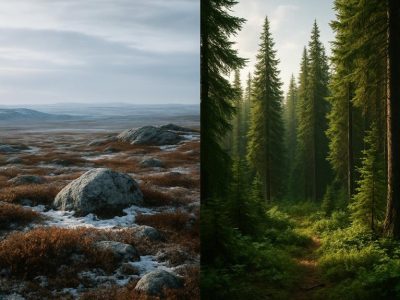
Imagine walking through a forest where some trees sparkle with green needles year-round, while others shed their leaves like a tired traveler saying goodbye. The secret lies in how these trees adapt to the changing seasons.
Evergreen trees keep their foliage, offering a constant splash of color and shelter, while deciduous trees embrace transformation—shedding leaves like a butterfly leaving its cocoon.
Understanding these differences isn’t just about curiosity; it can help you select the perfect trees for your yard or unlock their hidden benefits, like better insulation during winter.
Beneath their simple appearance lies a story of resilience and adaptation, waiting to be uncovered.
What Are Evergreen and Deciduous Trees? A Simple Explanation
Evergreen and deciduous trees are different because of how they grow and how their roots work. An evergreen tree keeps its leaves, which are usually needles, all year long. This helps it grow steadily and do photosynthesis even when it is winter outside. A deciduous tree, on the other hand, loses its leaves each year. It does this to save water and energy during cold seasons. Every year, deciduous trees go through a cycle of losing leaves in fall and growing new ones in spring.
Their roots are different too. Evergreens usually have deep, strong roots that help them stay stable and find nutrients far underground. Deciduous trees tend to have shallower roots that spread out wider. These differences affect how each type of tree survives in different places. For example, evergreens can often grow in colder, snowy areas, while deciduous trees are common in places with warm summers and cold winters.
Some people prefer evergreens because they stay green all year, giving a green look to landscapes even in winter. Others like deciduous trees because they change with the seasons, providing beautiful fall colors. Both types have their strengths and weaknesses, and understanding them helps in choosing the right trees for different environments.
How Do These Trees Differ in Appearance and Behavior
Evergreen and deciduous trees are two main types of trees that look and behave differently. Knowing these differences helps you tell them apart easily.
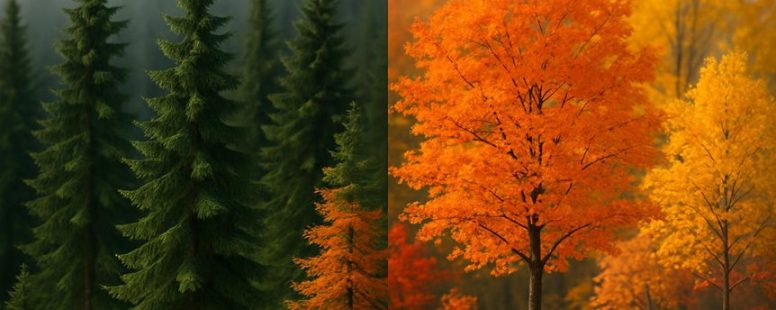
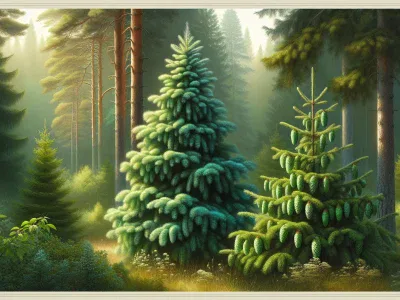
Evergreen trees keep their leaves all year. They have needle-like leaves that stay green no matter what season it is. Think of pine trees or spruces—they stay green and look the same in winter and summer. Deciduous trees, like maples or oaks, lose their leaves every year. In fall, their leaves turn bright colors like red, orange, and yellow before falling off. This helps the tree save water during cold winter months.
The main differences are:
Type of leaves: Needles on evergreens, broad leaves on deciduous trees.
How they behave: Evergreens keep their leaves all year, deciduous trees shed their leaves once a year.
Why they do this: Evergreen trees keep their leaves to survive cold weather, while deciduous trees shed leaves to reduce water loss during winter.
Some people like the look of bright fall leaves, while others prefer the constant green of evergreens. Both types of trees have ways to survive and grow in their environments. Knowing the differences helps us understand how they adapt to seasonal changes and why they look the way they do.
Why Do Some Trees Keep Their Leaves Year-Round?
Some trees keep their leaves all year round, and these are called evergreens. Unlike deciduous trees, which lose their leaves in winter to save water, evergreens keep their needle-like leaves through all seasons. Their leaves have a thick, waxy coating that helps reduce water loss and protect against cold weather. This way, they can continue making food through photosynthesis even when it’s cold or dry outside.
Evergreens are best suited for places where winters are mild or where the climate doesn’t change much. For example, pine trees in California or spruce trees in Canada keep their leaves to survive in their environments. By keeping their leaves, these trees can produce energy all year long, giving them an advantage over trees that shed their leaves.
Some people wonder if it is better to lose leaves in winter or keep them. Losing leaves helps deciduous trees avoid damage from snow and ice, but they stop making food during winter. Evergreens, on the other hand, can keep growing slowly because they keep their leaves. Both strategies have good and bad points, depending on where the trees grow.
In the end, keeping leaves is a special way some trees have adapted to survive tough weather conditions. It helps them stay healthy and continue growing when other trees may struggle or die.
When Do They Change Seasons and How?
Trees change seasons mainly based on the length of daylight and temperature. They sense these signals to know when to prepare for winter or spring. For example, deciduous trees like maples and oaks shed their leaves in autumn, while evergreens keep their needles year-round.
In autumn, days get shorter and temperatures drop. Trees notice these changes through special cells in their leaves that detect light and temperature. When it gets darker and colder, deciduous trees stop making food and start losing their leaves. This helps them save energy during winter when it’s harder to find water and sunlight.
Some trees, especially evergreens like pine trees, can stay green all year. They have needles with a thick coating of wax that protects them from cold and dry air. These trees respond more to temperature changes than to daylight. They slowly grow new needles in spring and keep them through winter.
Scientists say that trees use a mix of signals to decide when to change. Daylight is a big one because it changes predictably, but temperature also plays a role. Sometimes, if a warm spell happens in autumn, trees might delay shedding leaves. This can cause late fall storms to hit trees with still-remaining leaves, which is not good for the trees or the people around them.
Some people wonder if trees can predict the weather or if they just react to signals. Mostly, trees are reacting to the signals they detect. But with climate change, these signals are changing faster than trees can adapt. That can cause problems like trees losing leaves too early or too late, which can hurt their health.
Seasonal Changes Timing
Seasonal changes in trees happen at different times depending on the type of tree. Knowing when these changes happen helps us understand how trees adapt to the weather.
Deciduous trees are trees like maples and oaks. They lose their leaves in fall. This helps them survive cold winters because shedding leaves reduces water loss and prevents damage from snow and ice. Usually, deciduous trees start losing their leaves in late autumn when the air gets cooler and days become shorter. This is a natural response to the change in temperature and daylight.
Evergreen trees, like pines and spruces, stay green all year. They keep their needle-like leaves through winter. These leaves are tough and resist cold and drought. Evergreens do not shed their leaves in the fall but might slow down their growth during cold months. They show their resilience by staying green even in the snow, which helps them get sunlight when other trees have lost their leaves.
The timing of these changes depends on where you live. In warmer places, deciduous trees might keep their leaves longer, while in colder areas, they change earlier. Seasonal cues like temperature and daylight trigger these processes in trees. For example, as days get shorter and cooler, deciduous trees start shedding leaves.
Some people want to know the best time to see fall colors or the resilience of evergreens. The answer depends on your location and the specific tree. Keep in mind that climate change can also shift these timings, making it harder to predict when trees will change.
How Trees Adjust
Trees change with the seasons to survive and grow. Deciduous trees, like maples and oaks, sense shorter days and cooler weather. This signals them to produce hormones that cause leaves to fall off. Shedding leaves helps these trees save water and energy during winter when it’s harder to find food.
Evergreen trees, like pines and spruces, are different. They have tough, needle-like leaves with a waxy coating. These special leaves help them keep moisture in and stay green all year round. This way, they can keep making food even in cold or dry seasons.
Trees don’t just change randomly. They respond to small signals like daylight, temperature, and moisture levels. For example, a tree might start shedding leaves when the days get short and the weather gets colder. This ability to adapt helps trees survive harsh weather and continue growing.
Some people wonder if all trees adapt in the same way. While deciduous trees lose their leaves, evergreens stay green. Both methods work well, but each has limits. Deciduous trees might struggle in very cold climates because they lose their leaves. Evergreens can be more vulnerable to droughts because their needles need moisture to stay healthy.
In short, trees adjust to their environment by sensing changes around them. This ability helps them survive through different seasons and tough weather conditions. Without these adaptations, many trees might not live long or grow well.
How Do Evergreen and Deciduous Trees Benefit Their Ecosystems
Evergreen and deciduous trees each have important roles in their ecosystems that help support plants, animals, and people. They bring many benefits that keep nature healthy and balanced.
Evergreen trees stay green all year round. They provide a steady habitat and food source for animals during winter when other trees have lost their leaves. For example, animals like birds and squirrels rely on evergreen trees for shelter and food in cold months. These trees also help prevent soil from washing away and improve air quality by filtering pollution.
Deciduous trees, on the other hand, shed their leaves each fall. When their leaves fall and decay, they add nutrients to the soil. This makes the soil richer and helps other plants grow. Think of deciduous trees as nature’s compost creators. They also give shade in the summer, making parks and streets cooler.
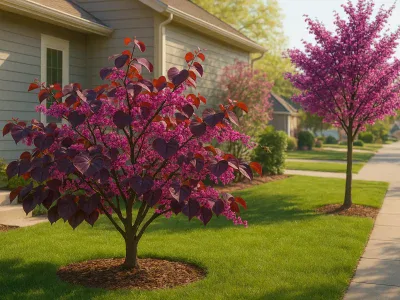
Both types of trees are good for cities and towns. They help lower temperatures, filter harmful air particles, and make places look nicer. For instance, trees planted along sidewalks make walking more comfortable and can even boost property values.
Some people see a difference in how the two kinds of trees benefit the environment. Evergreen trees give constant shelter, while deciduous trees improve soil and provide seasonal beauty. However, deciduous trees can sometimes cause mess with falling leaves, and evergreens may block sunlight in winter.
Which Trees Are Best for Your Garden or Landscape
Choosing the best trees for your garden or yard depends on your climate, space, and what you want the trees to do. The key is to pick trees that match your needs and fit well in your outdoor space.
If you want shade, deciduous trees like maples or oaks are great because they have large leaves that block the sun in summer. In winter, these trees lose their leaves, letting sunlight warm your home. Evergreens like pine or spruce stay green all year and give your yard a consistent look. They are good for privacy and windbreaks.
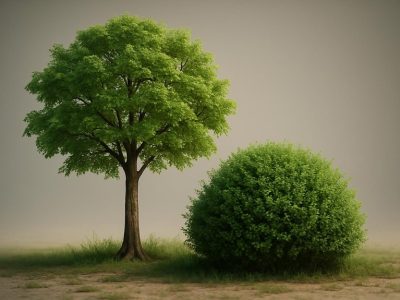
For small gardens, choose trees that won’t grow too tall or wide. Dwarf fruit trees or small ornamentals work well. For larger yards, you can plant bigger trees like sycamores or redwoods. Remember, bigger trees need more space and time to grow.
Think about how much work each tree needs. Some trees drop lots of leaves or need regular pruning. Others are more low-maintenance. Also, consider how the trees will look with your other plants and your house.
There are two main viewpoints. Some people prefer deciduous trees for their seasonal beauty and sunlight in winter. Others like evergreens for their constant greenery and privacy all year. Both have their advantages and limits. Deciduous trees may require more cleanup in fall, while evergreens may block some sunlight.
In the end, the best trees for your yard balance your style with what your climate can support. Picking the right trees helps your garden look beautiful and stay healthy year-round.
Factors to Consider When Choosing Between Evergreen and Deciduous Trees
When choosing between evergreen and deciduous trees, it helps to understand the main differences. Evergreens keep their leaves all year long. They give you green color in winter and stay private. Deciduous trees lose their leaves each fall. They let in sunlight during winter and give shade in summer. Knowing these facts can help you pick the right tree for your yard.
First, think about how much work you want to do. Evergreens usually need less pruning because they keep their shape naturally. Deciduous trees may need trimming to stay neat, especially when they grow fast. If you want low maintenance, evergreens might be a better choice. But if you enjoy changing the look of your yard with seasons, deciduous trees are fun to watch.
Next, consider the roots. Evergreen trees often have deeper roots, which can be good or bad. Deep roots can help them stay stable, but they might interfere with underground pipes or foundations. Deciduous trees usually have shallower roots, making them easier to plant near buildings. If you have underground utilities, you should check where roots might grow.
Finally, think about your goals. Do you want year-round privacy and greenery? Then evergreen trees are best. If you prefer seasonal changes and more sunlight in winter, deciduous trees are better. Each type has its good and bad sides. Evergreens stay green but can block sunlight in winter. Deciduous trees let in light but lose their leaves, which can make cleanup harder.
In the end, choosing the right tree depends on your needs and where you live. For example, if you live in a place with harsh winters, evergreens can be a good choice because they stay green and provide shelter. But if you want to enjoy the changing seasons and more sunlight in winter, deciduous trees can be the way to go. Remember, both types can be beautiful if you pick what fits your yard and your plans.
To provide the best experiences, we use technologies like cookies to store and/or access device information. Consenting to these technologies will allow us to process data such as browsing behaviour or unique IDs on this site. Not consenting or withdrawing consent, may adversely affect certain features and functions.
Functional
Always active
The technical storage or access is strictly necessary for the legitimate purpose of enabling the use of a specific service explicitly requested by the subscriber or user, or for the sole purpose of carrying out the transmission of a communication over an electronic communications network.
Preferences
The technical storage or access is necessary for the legitimate purpose of storing preferences that are not requested by the subscriber or user.
Statistics
The technical storage or access that is used exclusively for statistical purposes.The technical storage or access that is used exclusively for anonymous statistical purposes. Without a subpoena, voluntary compliance on the part of your Internet Service Provider, or additional records from a third party, information stored or retrieved for this purpose alone cannot usually be used to identify you.
Marketing
The technical storage or access is required to create user profiles to send advertising, or to track the user on a website or across several websites for similar marketing purposes.