Digital City vs Smart City: Key Differences, Benefits, and Future of Urban Living
Picture walking through a city where every movement, light, and sound feels seamlessly connected to technology. Is it a digital city or a smart city? While both buzzwords often get tossed around interchangeably, they paint two distinct visions of urban innovation. One focuses on digitizing infrastructure; the other prioritizes intelligence and adaptability.
As cities evolve, the debate between digital and smart cities grows more relevant. A digital city thrives on interconnected systems that streamline services, but a smart city takes it further—using data to anticipate your needs before you even realize them. The difference lies not just in technology but in how it’s used to enhance daily life.
So which model truly represents the future of urban living? Understanding these concepts could reshape how you view the places we call home—and perhaps even influence where you’d want to live next. Let’s explore what sets these futuristic visions apart.
Understanding The Concept Of A Digital City
A digital city integrates technology to connect systems, enhance service delivery, and streamline urban management. It relies on digital infrastructure to help communication between municipal services, businesses, and citizens.
Key Features Of A Digital City
- Interconnected Infrastructure: Digital cities use networks like IoT (Internet of Things) and high-speed internet to link public services such as transportation, utilities, and healthcare systems.
- Centralized Data Management: Central platforms collect data from various sources for efficient decision-making. For example, real-time traffic data helps optimize signal timings.
- Enhanced Public Services: Online portals provide easy access to government services like tax payments or permit applications, reducing administrative delays.
- Digital Governance: E-government initiatives enable transparent communication between authorities and residents through apps or websites.
Examples Of Digital Cities Around The World
- Seoul, South Korea: Seoul employs a vast digital network connecting transportation systems with citizen apps for route planning and fare payments in real time.
- Amsterdam, Netherlands: Amsterdam’s Smart City project leverages open data platforms to encourage innovation in energy efficiency and waste management solutions.
- Singapore: Singapore uses its Smart Nation initiative to integrate sensors across urban spaces for monitoring air quality and water usage while offering seamless e-governance tools.
These examples show how diverse strategies ensure efficient resource utilization in digital cities globally.
Understanding The Concept Of A Smart City
A smart city integrates advanced technology and data analytics to create efficient, sustainable urban environments. It prioritizes enhancing residents’ quality of life through intelligent infrastructure and services.
Key Features Of A Smart City
- Data-Driven Decision-Making
Smart cities use sensors and IoT devices to collect real-time data. This data helps optimize traffic flow, monitor air quality, and manage energy consumption.
- Sustainable Infrastructure
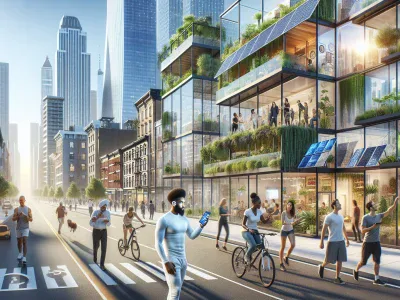
Green buildings, renewable energy sources like solar panels, and efficient waste management systems reduce environmental impact in smart cities.
- Enhanced Connectivity
High-speed internet networks connect public transport systems, emergency services, and utilities for seamless communication between entities.
- Citizen Engagement Platforms
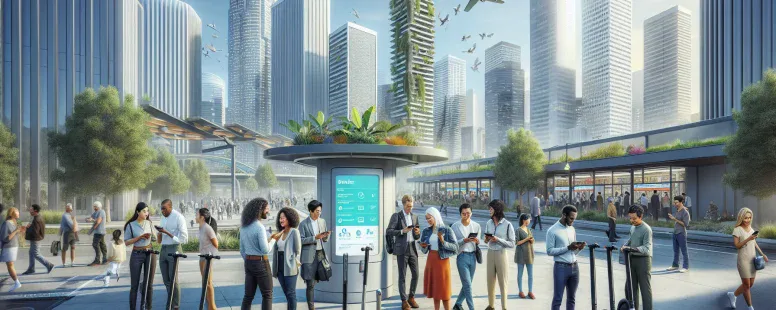
Mobile apps or online portals enable residents to report issues such as potholes or outages while accessing local government updates.
Examples Of Smart Cities Around The World
- Barcelona, Spain: Barcelona utilizes smart lighting systems that adjust brightness based on activity levels. Its pneumatic waste collection system reduces truck emissions.
- Singapore: Singapore monitors traffic congestion with a nationwide network of cameras and implements electronic road pricing for smoother commutes.
- Copenhagen, Denmark: Copenhagen employs sensors to track bike usage patterns. This improves cycling infrastructure while promoting eco-friendly transportation options.
Key Differences Between Digital City And Smart City
Digital cities and smart cities differ in their approach to technology, objectives, and citizen involvement. Understanding these distinctions helps clarify how each model impacts urban living.
Technology Utilization
Digital cities rely on interconnected systems like IoT devices and high-speed internet for efficient service delivery. These technologies enhance communication between infrastructure components but focus primarily on operational efficiency. For example, traffic management systems in digital cities streamline vehicle movement by optimizing signal timings.
Smart cities expand this approach by integrating advanced data analytics and AI to predict trends and proactively address challenges. Real-time data from sensors enables solutions such as adaptive energy grids or dynamic public transportation schedules. In Singapore’s smart initiatives, AI-driven platforms analyze traffic patterns to reduce congestion during peak hours.
Purpose And Goals
The primary goal of a digital city is improving service efficiency through technological integration. It emphasizes seamless coordination among municipal services like water supply monitoring or waste collection tracking without prioritizing sustainability or long-term planning.
A smart city’s purpose extends beyond efficiency to creating sustainable urban environments that prioritize residents’ well-being. It combines innovation with eco-friendly practices—for instance, Barcelona uses renewable energy sources alongside intelligent waste management systems to minimize environmental impact while enhancing quality of life.
Role Of Citizens
In digital cities, citizens interact with governance mainly through online portals for tasks like bill payments or service requests. The relationship remains transactional rather than participatory because decision-making processes rely heavily on centralized authorities.
Conversely, smart cities encourage active citizen participation via engagement platforms allowing feedback submission and issue reporting. This collaborative approach fosters transparency and community involvement—Copenhagen’s “citizen dialogue” forums enable residents to contribute ideas for urban development projects directly impacting their neighborhoods.
Benefits And Challenges
Digital and smart cities offer transformative potential for urban environments but come with distinct advantages and challenges. Understanding these elements helps evaluate their impact on modern living.
Advantages Of Digital Cities
- Improved Service Efficiency
Digital cities enhance service delivery by integrating systems like public transportation, waste management, and emergency response. For example, Seoul’s digital platforms streamline bus schedules using real-time data, reducing wait times significantly.
- Transparency In Governance
Digital governance initiatives enable transparent communication between residents and authorities. Online portals offer access to policies, tax payments, and complaint submissions, increasing trust in public administration.
- Cost-Effective Implementation
Technologies deployed in digital cities often focus on automation rather than prediction algorithms or AI-driven solutions. This makes them less costly compared to smart city technologies while still improving operational efficiency.
- Global Accessibility
High-speed internet infrastructure ensures global accessibility for businesses and individuals alike. Amsterdam’s digital frameworks support remote work opportunities across industries while enhancing its economic competitiveness.
Advantages Of Smart Cities
- Sustainability Focus
Smart cities prioritize eco-friendly infrastructure like renewable energy grids and green buildings to combat environmental challenges effectively. Copenhagen utilizes wind energy extensively, cutting carbon emissions by 40% since 2005.
- Enhanced Quality Of Life
Data-driven decision-making optimizes urban services such as healthcare or traffic flow management; Barcelona’s smart lighting system saves energy while ensuring well-lit streets for pedestrian safety at night.
- Active Citizen Participation
Platforms encouraging resident involvement foster collaboration in policymaking processes—Singapore’s apps allow citizens to report hazards instantly or provide feedback on neighborhood improvements directly impacting their community dynamics positively!
4.. **Predictive Problem-Solving Capabilities!
Using advanced analytics powered by IoT devices enables predictive maintenance e.g., predicting water leaks before they occur saving both resources money importantly addressing issues proactively not reactively…
Common Challenges Faced
- Data Privacy Concerns: Residents often worry about how collected information is stored & utilized especially where sensitive personal details involved risking misuse breaches potentially damaging trust authorities entirely jeopardizing project success long-term societal acceptance critical balance needed ensure protection user rights harmony technological progress simultaneously achieved…
Future Of Urban Living: Digital City Vs Smart City
Urban living continues evolving as digital and smart cities redefine how you interact with your environment. Digital cities focus on creating interconnected systems that simplify service delivery, while smart cities integrate advanced technologies to proactively enhance quality of life. These distinctions shape the future of urban development.
Integration Of Technology
Digital cities use existing technology like IoT, cloud computing, and centralized databases to streamline services. For example, Seoul employs digital platforms for efficient public transport management. In contrast, smart cities go beyond by integrating AI-driven solutions; Barcelona’s traffic monitoring systems reduce congestion through predictive algorithms. Both models emphasize technology but differ in depth and purpose.
Sustainability And Infrastructure
Smart cities prioritize sustainability using renewable energy sources and eco-friendly designs. Copenhagen exemplifies this with its wind power initiatives and cycling infrastructure enhancements. Digital city frameworks often aim at operational efficiency rather than environmental goals—Amsterdam focuses on optimizing remote work infrastructure through high-speed internet deployment.
Citizen Engagement Models
Digital cities maintain a transactional relationship with residents via online portals or mobile apps for accessing services. But, smart city strategies foster active participation by involving residents in decision-making processes through platforms like participatory budgeting tools used in Paris. This distinction highlights varying levels of community involvement.
Challenges In Implementation
Privacy concerns remain central to both approaches as data collection expands across urban environments. Ensuring transparent policies safeguards user trust while enabling technological advancements without compromising individual rights—a critical balance for sustainable growth in either model.
Conclusion
Understanding the distinction between digital and smart cities helps you better navigate the evolving landscape of urban innovation. While both approaches leverage technology, their goals, methods, and levels of citizen involvement differ significantly. Recognizing these differences allows you to appreciate how each model influences daily life, sustainability efforts, and community engagement.
As cities continue to embrace technological advancements, your role as an informed resident or stakeholder becomes even more crucial. Whether it’s supporting efficient systems in a digital city or contributing to collaborative solutions in a smart city, your participation shapes the future of urban living.

- 7 Free Alternatives to Mobbin for UI/UX Design - October 4, 2026
- Mt 03 Competitors - October 4, 2026
- Top FBM Competitors Every Seller Should Watch - October 3, 2026
by Ellie B, Site Owner / Publisher