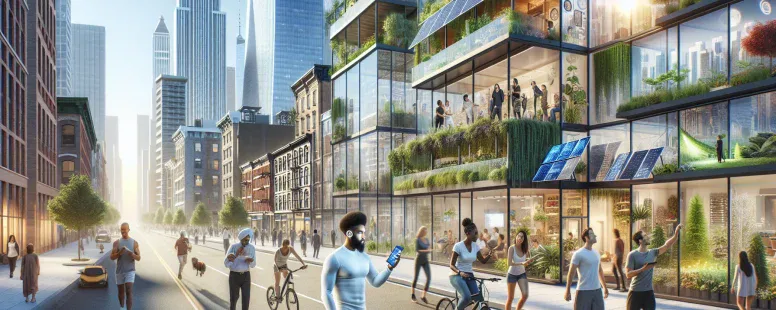
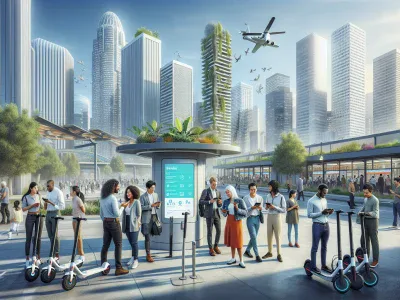
Picture a city where technology anticipates your every need, from traffic-free commutes to energy-efficient homes. Now picture another where lush greenery thrives, clean air fills your lungs, and sustainability shapes every corner. Both sound like utopias, don’t they? Yet, these visions represent two distinct paths: the high-tech innovation of smart cities versus the harmonious balance with nature found in eco-cities.
As urban areas grow rapidly, the debate between smart cities and eco-cities becomes more pressing. Are you drawn to cutting-edge solutions that promise convenience and connectivity or a lifestyle rooted in environmental preservation? The answer isn’t just about preference—it’s about shaping the future of how we live, work, and interact with our surroundings.
These city models offer unique benefits but come with their own challenges. Understanding what sets them apart will help you envision which path aligns better with tomorrow’s needs—and maybe even your own aspirations.
What Is A Smart City?
A smart city integrates advanced technology with urban infrastructure to optimize operations, improve quality of life, and promote sustainable economic growth. It leverages data-driven solutions to address challenges in areas like transportation, energy management, public safety, and healthcare.
Key Features Of A Smart City
Internet of Things (IoT): IoT devices connect various systems, such as traffic lights and waste management sensors, enabling real-time monitoring and control. For example, Barcelona uses IoT-enabled smart bins for efficient waste collection.
Data Analytics: Cities use big data analytics to analyze patterns like energy consumption or traffic flow. Singapore employs predictive analytics to reduce congestion during peak hours.
Smart Infrastructure: Intelligent utilities like LED streetlights with motion sensors conserve energy while enhancing safety. Copenhagen’s smart heating systems efficiently distribute energy based on demand.
Digital Connectivity: High-speed internet access supports digital services like e-governance platforms. Estonia offers residents a fully digitized government service ecosystem.
Automation & AI Integration: Autonomous vehicles and AI-powered surveillance enhance mobility and security within cities.
Benefits Of Smart Cities
Enhanced Efficiency: Automated processes reduce manual labor in tasks such as parking management or electricity distribution.
Improved Quality of Life: Residents benefit from air quality monitoring apps or integrated public transit systems that save time and resources.
Economic Growth Opportunities: Technological innovation attracts investment; for instance, San Francisco’s tech ecosystem boosts job creation and revenue streams.
Environmental Sustainability: Energy-efficient buildings and renewable power sources lower carbon footprints significantly.
Challenges In Implementing Smart Cities
Implementing a smart city requires overcoming several obstacles:
High Costs of Development: Advanced technology demands significant initial investments for infrastructure upgrades.
Data Privacy Concerns: Extensive data collection raises questions about user consent and cybersecurity risks.
Technological Inequality: Not all residents have equal access to digital tools or high-speed networks due to socio-economic disparities.
Complex Governance Structures: Coordinating between stakeholders slows decision-making processes.
Addressing these challenges ensures scalable solutions that align technological advancements with citizens’ needs effectively without compromising security or inclusivity limits.
What Is An Eco City?
An eco-city is an urban area designed to minimize environmental impact while promoting sustainable living. It integrates ecological principles into its infrastructure, prioritizing harmony with the natural environment.
Key Features Of An Eco City
Sustainable Energy Systems: Renewable energy sources, like solar panels and wind turbines, power eco-cities. For example, Masdar City in the UAE uses solar farms to meet most of its energy needs.
Green Infrastructure: These cities incorporate features like green roofs, vertical gardens, and permeable pavements to enhance air quality and manage stormwater.
Efficient Waste Management: Recycling systems and waste-to-energy technologies reduce landfill dependency. The “zero waste” model in Kamikatsu, Japan exemplifies this approach.
Eco-Friendly Transportation: Public transit systems powered by electricity or biofuels replace conventional vehicles. Bicycle-friendly streets and pedestrian zones also encourage low-carbon mobility.
Urban Agriculture: Rooftop farms and community gardens supply fresh produce locally while reducing transportation emissions.
Benefits Of Eco Cities
Eco-cities offer numerous advantages for both residents and the environment:
Reduced Carbon Footprint: Lower greenhouse gas emissions result from renewable energy use, efficient public transport, and sustainable infrastructure.
Improved Public Health: Cleaner air and water improve health outcomes for populations. For instance, Copenhagen’s cycling culture has decreased cardiovascular disease rates.
Economic Efficiency: Long-term savings emerge through reduced resource consumption even though initial investment costs being high at times.
Biodiversity Conservation: Green spaces support urban ecosystems by providing habitats for plants and animals.
High Initial Costs: Sustainable technology investments often strain municipal budgets during implementation phases.
Land Use Conflicts: Balancing urban development with conservation areas can lead to disputes among stakeholders.
Public Engagement Gaps: Citizens’ resistance may arise if they perceive lifestyle adjustments as inconvenient or costly.
Technological Barriers: Insufficient access to advanced technologies limits scalability in developing regions.
Addressing these challenges requires innovative policies that align economic incentives with sustainability goals while fostering community participation strategies tailored to local contexts.
Smart City Vs Eco City: Key Differences
Smart cities and eco-cities represent distinct approaches to urban development. While smart cities rely on technological advancements, eco-cities emphasize ecological balance and sustainability.
Technology-Centric Vs Sustainability-Centric
Smart cities prioritize technology as the backbone of their infrastructure. They integrate IoT devices, AI-driven automation, and data analytics to enhance efficiency in areas like transportation, energy use, and public services. For example, Barcelona’s smart traffic management system uses sensors to optimize traffic flow.
Eco-cities center on sustainable practices by adopting renewable energy sources like solar or wind power and promoting green architecture. Examples include Masdar City in the UAE, designed with low-energy buildings and walkable spaces that reduce carbon emissions. These models reflect divergent priorities—technological innovation versus environmental harmony.
Environmental Impact Comparisons
Smart cities aim for reduced resource consumption through optimized systems but often face high energy demands from digital infrastructure. Data centers supporting such ecosystems can significantly increase electricity usage unless powered by renewables.
Eco-cities actively lower their environmental footprint by integrating solutions like rainwater harvesting or waste-to-energy technologies. Curitiba in Brazil demonstrates this approach with its efficient recycling programs and extensive green spaces reducing urban heat islands.
Both models contribute toward environmental goals differently—smart cities focus on operational efficiency; eco-cities emphasize reducing carbon intensity at every level of design.
Citizen Engagement In Both Models
Citizen participation varies between these frameworks. Smart city initiatives often depend on tech-savvy users engaging through apps or platforms for real-time feedback or service access—for instance, Singapore’s MyResponder app connects residents directly with emergency services during crises.
Eco-city projects require community involvement in sustainability efforts such as urban gardening or local recycling campaigns. Freiburg’s Vauban district exemplifies how strong community governance fosters collective action toward achieving ecological objectives.
Each model highlights unique ways for citizens to participate: leveraging technology in smart setups versus fostering grassroots environmental stewardship within eco-oriented communities.
Which Model Is More Future-Proof?
Determining whether smart cities or eco-cities are more future-proof revolves around balancing technological advancements and environmental sustainability. Both models cater to evolving urban challenges, but their adaptability to changing societal needs defines their long-term relevance.
Balancing Technology And Sustainability
Smart cities leverage advanced technologies like IoT, AI, and data analytics for optimizing urban processes. But, high energy consumption from digital infrastructure can strain natural resources if renewable sources aren’t utilized. Eco-cities emphasize green solutions such as solar power systems and sustainable transportation but may lag in addressing immediate efficiency demands due to limited tech integration.
Combining these approaches could create a hybrid model that ensures resilience against ecological crises while meeting the growing need for connectivity. For instance, incorporating IoT devices into eco-friendly waste management systems enhances both responsiveness and resource conservation.
Case Studies Of Successful Smart And Eco Cities
Barcelona exemplifies a successful smart city by integrating sensors for traffic management, reducing congestion by 21%. Meanwhile, Curitiba in Brazil demonstrates an effective eco-city model with its innovative bus rapid transit system that prioritizes low-emission travel.
In Singapore’s Marina Bay area, smart water management reduces potable water wastage through real-time monitoring technology. Similarly, Masdar City in the UAE showcases how renewable energy solutions can drive carbon-neutral urban development even though harsh climatic conditions.
By analyzing these examples’ outcomes and constraints, you gain valuable insights into crafting adaptable urban frameworks that merge innovation with environmental stewardship.
Conclusion
Choosing between a smart city and an eco-city vision isn’t just about technology versus sustainability—it’s about aligning with the values that shape your ideal urban future. Both models offer innovative solutions to modern challenges, but they also come with their own set of complexities.
The key lies in understanding how these approaches can complement each other. By integrating advanced technologies with sustainable practices, cities can create dynamic environments that prioritize efficiency, inclusivity, and ecological balance. Your role as a citizen or policymaker is crucial in driving this shift toward smarter and greener urban living.
To provide the best experiences, we use technologies like cookies to store and/or access device information. Consenting to these technologies will allow us to process data such as browsing behaviour or unique IDs on this site. Not consenting or withdrawing consent, may adversely affect certain features and functions.
Functional
Always active
The technical storage or access is strictly necessary for the legitimate purpose of enabling the use of a specific service explicitly requested by the subscriber or user, or for the sole purpose of carrying out the transmission of a communication over an electronic communications network.
Preferences
The technical storage or access is necessary for the legitimate purpose of storing preferences that are not requested by the subscriber or user.
Statistics
The technical storage or access that is used exclusively for statistical purposes.The technical storage or access that is used exclusively for anonymous statistical purposes. Without a subpoena, voluntary compliance on the part of your Internet Service Provider, or additional records from a third party, information stored or retrieved for this purpose alone cannot usually be used to identify you.
Marketing
The technical storage or access is required to create user profiles to send advertising, or to track the user on a website or across several websites for similar marketing purposes.