Picture this: you’re scrolling through your favorite streaming app on your TV, but is it OTT or CTV you’re using? These terms are tossed around in the digital media world, yet they often leave people scratching their heads. While they seem interchangeable, they represent two distinct ways we consume content today.
Understanding the difference between OTT (Over-the-Top) and CTV (Connected TV) isn’t just tech jargon—it’s a game-changer for advertisers, marketers, and everyday viewers like you. From how content reaches your screen to the devices involved, these platforms shape the way we experience entertainment. Ready to uncover what sets them apart? Let’s immerse.
Understanding OTT and CTV
OTT and CTV represent two pivotal shifts in how audiences consume digital content. Though often discussed together, their distinctions shape different aspects of modern media consumption.
What Is OTT?
OTT, short for Over-the-Top, refers to content delivered via the internet, bypassing traditional cable or satellite broadcasts. Platforms like Netflix, Hulu, and Disney+ serve as prime examples. OTT allows you to stream movies, shows, or live broadcasts on various internet-enabled devices, such as smartphones, tablets, laptops, or smart TVs.
The appeal lies in its flexibility. You’re no longer restricted by broadcasting schedules; instead, content becomes accessible on-demand. OTT also supports diverse monetization models, including subscriptions (SVOD), advertisements (AVOD), or pay-per-view options. This variety has made it a dominant force in the media industry, drawing users away from conventional TV formats.
What Is CTV?
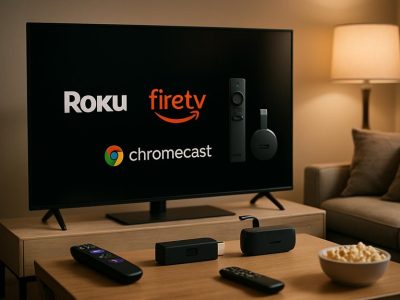
CTV, or Connected TV, specifically describes any television device connected to the internet, enabling the streaming of digital content. This category includes smart TVs, Apple TVs, Roku devices, and gaming consoles like Xbox or PlayStation. Unlike traditional TVs limited to cable or satellite channels, CTV integrates internet-based viewing experiences.
While OTT refers to the delivery method, CTV focuses on the hardware through which viewers access streamed content. For example, watching YouTube on a gaming console qualifies as a CTV experience, while streaming the same on your phone is strictly OTT. Advertisers often target CTV environments to reach highly engaged audiences through dynamic, interactive ads.
Both OTT and CTV share a digital foundation but diverge in execution and focus. Understanding these connections helps you navigate the rapidly evolving digital world more effectively.
Key Differences Between OTT and CTV
OTT and CTV differ in several aspects, from delivery methods to the devices used. Recognizing these distinctions aids in making informed decisions in content marketing, viewing preferences, and advertising strategies.
Delivery Method
OTT delivers content through internet streaming, bypassing traditional mediums like cable or satellite. Services such as Netflix and Disney+ exemplify this model. In comparison, CTV refers to internet-connected televisions or supportive devices including Roku or Apple TV that enable OTT content. While all CTVs use internet-based delivery, not all OTT streaming occurs on CTVs—a smartphone or tablet can also access OTT platforms.
Content Accessibility
OTT platforms allow users to access content on-demand. This provides flexibility in viewing options, with a range of subscription, ad-supported, or hybrid models. CTV includes fewer restrictions on content formats since it’s hardware-specific rather than tied to a single platform. Accessing OTT content on a CTV device bridges flexibility with a larger screen experience, making it suitable for home entertainment.
Device Usage
OTT content is accessed across varied devices, such as laptops, smartphones, and tablets. CTV exclusively covers internet-connected TVs, smart TVs, or auxiliary devices like Amazon Fire Stick and Chromecast that connect a television. This makes device choice pivotal in defining the personal experience. Watching a series on a phone fits travel viewing, while streaming through a CTV is better suited for shared, larger-screen consumption.
Target Audience
OTT serves a broad, global audience catering to individuals valuing on-demand, multi-device content. Contrastingly, CTV uniquely appeals to audiences focused on enhanced viewing at home. Advertisers, too, segment campaigns based on these distinctions—targeting OTT users through individualized placements and leveraging CTV for immersive, household-level advertisements. Apps like YouTube leverage both formats, serving ads relevant to specific contexts.
Pros and Cons of OTT and CTV
OTT (Over-the-Top) and CTV (Connected TV) play influential roles in digital content delivery. Each provides distinct advantages and faces unique challenges in its implementation and audience reach. Understanding these can help you leverage them effectively in content strategy.
OTT: Advantages and Challenges
OTT platforms offer flexibility and convenience for viewers. With services like Netflix and YouTube, you access content on-demand across devices, including smartphones, tablets, and laptops. This removes dependence on traditional broadcasting schedules. For advertisers, OTT creates personalized opportunities through data-driven targeting, reaching diverse demographics globally with precision.
But, challenges linger. Fragmentation of platforms forces consumers to subscribe to multiple services, increasing subscription fatigue. Advertisers encounter limited standardization, complicating cross-platform campaigns. High competition among streaming platforms also pushes creators to consistently deliver engaging, exclusive content.
CTV: Advantages and Challenges
CTV focuses on enhancing entertainment within households. Devices like Roku, Apple TV, and Smart TVs provide a seamless, big-screen experience. Advertisers can capitalize on CTV’s household-level targeting, delivering immersive ad formats like interactive video ads. It’s ideal for creating brand engagement in shared, family-focused viewing environments.
Nonetheless, not all is smooth sailing. CTV’s reliance on internet connectivity and hardware quality limits accessibility for some users. Fragmented device ecosystems may hinder a unified audience reach. Also, ad fraud risks like invalid traffic pose challenges, pressuring marketers to carry out advanced fraud detection systems.
By knowing the unique advantages and limitations of OTT and CTV, you position yourself to make informed decisions in the evolving digital media world.
Use Cases for OTT and CTV
OTT and CTV serve distinct roles in the content delivery ecosystem, making them suitable for different scenarios based on technology, audience, and context. By understanding their specific use cases, you can better evaluate which option aligns with your objectives.
Best Scenarios for OTT
OTT platforms excel in delivering personalized, on-demand content across multiple devices. These platforms are ideal for reaching mobile-first audiences or those preferring flexible consumption. For example, video streaming services like Netflix or YouTube dominate OTT use, catering to users who value access across smartphones, tablets, and laptops.
Content creation benefits from OTT when the focus is on niche markets. Independent creators, for instance, can distribute documentaries or influencer-driven series directly to engaged viewers without needing a broadcasting network. OTT is also beneficial for industries like e-learning, where platforms like Udemy provide modular, video-centric education anytime, anywhere.
Marketing campaigns targeting highly segmented audiences gain exceptional reach with OTT. Through precise data analytics, advertisers can craft tailored ads for individual viewers, enhancing engagement. But, managing platform fragmentation might require specialized strategies to maintain consistency across services.
Best Scenarios for CTV
CTV supports immersive, large-screen experiences, making it perfect for home entertainment or shared viewing. Using CTV, platforms like Disney+ or Amazon Prime Video deliver HD and UHD content directly to smart TVs, enhancing group experiences at home.
Broad audience engagement works seamlessly with CTV for advertisers. For example, ad-supported platforms like Roku or Pluto TV allow brands to target households rather than specific individuals, strengthening campaigns that focus on family-oriented products or services. Marketers can leverage IP-based targeting to present ads for local services or nearby businesses.
CTV platforms benefit events like live sports streaming, where stability on big screens ensures a satisfying experience for larger audiences. Similarly, gaming consoles like Xbox or PlayStation hosting streaming services integrate multimedia options into living rooms, creating an all-in-one hub for users.
Understanding these scenarios better enables you to match your objectives with the right medium.
Market Trends and Future Predictions
Emerging market trends suggest significant opportunities for both OTT and CTV, as these platforms redefine how audiences engage with digital content. Understanding the nuances in their adoption, use cases, and growth patterns helps you better navigate this ever-changing world.
Growth of OTT Platforms
OTT platforms demonstrate unprecedented growth due to their flexibility and personalized experiences. Global OTT revenue is anticipated to surpass $200 billion by 2026, driven by a surge in subscriptions to services like Netflix, Disney+, and Amazon Prime Video. Your adoption of these platforms positions you to reach a diverse audience across devices, including smartphones, tablets, and smart TVs.
Geographical expansion fuels OTT demand, with regions like Asia-Pacific witnessing rapid growth. For instance, India’s streaming market grew 30% year-over-year in 2022, supported by affordable internet access and localized content. Incorporating multilingual content and regional programming into your strategy can maximize outreach in emerging markets.
OTT’s ad-based models also contribute to its growth, appealing to cost-conscious users. Hybrid platforms like Hulu blend subscription and ad-supported plans, offering affordable access while enabling advertisers to target specific audience segments.
The Rise of CTV in Advertising
CTV revolutionizes advertising by capitalizing on its household-level targeting abilities and immersive viewing experiences. By 2024, CTV ad spend in the US alone is forecasted to hit $29.5 billion. Platforms like Roku and Amazon Fire TV dominate this space, enabling you to engage users effectively.
CTV facilitates high-impact, visually engaging ads tailored for large screens. For example, automotive brands leverage dynamic, interactive ad formats to showcase features, resonating well within shared family settings. Incorporating such content in your campaigns ensures broader yet focused reach.
While attribution remains a challenge, innovations in cross-device measurement improve campaign accuracy. By linking purchasing behaviors to CTV ad exposure through AI-driven analytics, your advertising efforts become more actionable.
Both OTT and CTV thrive in the digital era, attracting audiences and advertisers with unique benefits. You align with these trends to create informed, user-centric content strategies.
Conclusion
Grasping the differences between OTT and CTV is essential for exploring today’s dynamic digital media world. Each offers unique opportunities for content consumption and advertising strategies, catering to diverse audience preferences and needs. Whether you’re a marketer or a content creator, leveraging the strengths of both mediums can help you stay ahead in this rapidly evolving space. By aligning your goals with the right platform, you can maximize engagement and deliver impactful experiences tailored to your audience.
To provide the best experiences, we use technologies like cookies to store and/or access device information. Consenting to these technologies will allow us to process data such as browsing behaviour or unique IDs on this site. Not consenting or withdrawing consent, may adversely affect certain features and functions.
Functional
Always active
The technical storage or access is strictly necessary for the legitimate purpose of enabling the use of a specific service explicitly requested by the subscriber or user, or for the sole purpose of carrying out the transmission of a communication over an electronic communications network.
Preferences
The technical storage or access is necessary for the legitimate purpose of storing preferences that are not requested by the subscriber or user.
Statistics
The technical storage or access that is used exclusively for statistical purposes.The technical storage or access that is used exclusively for anonymous statistical purposes. Without a subpoena, voluntary compliance on the part of your Internet Service Provider, or additional records from a third party, information stored or retrieved for this purpose alone cannot usually be used to identify you.
Marketing
The technical storage or access is required to create user profiles to send advertising, or to track the user on a website or across several websites for similar marketing purposes.