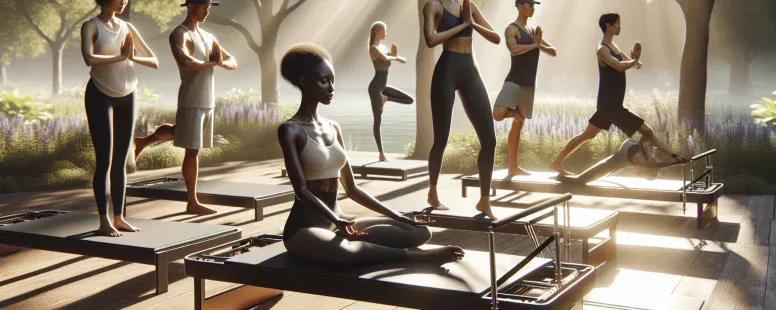
Picture yourself on a mat, sunlight streaming through the window as your breath syncs with movement. You’re stretching, reaching, and holding—yet something feels different today. Is it the flow of energy or the precision of each pose? The world of mindful movement is full of subtle contrasts and unexpected rewards.
Yoga and Pilates seem like twin paths to strength and serenity, but beneath the surface they offer unique experiences. Maybe you’re craving deeper flexibility or a core that feels like steel. Or perhaps you’re searching for a practice that calms your mind while sculpting your body. The real magic lies in the details—hidden benefits that might surprise you and set your journey apart.
Origins and Philosophies
Yoga and Pilates root themselves in history, each carrying distinct philosophies that shape their approach to movement and mindfulness. When you explore their origins, clear distinctions emerge in culture, intent, and practice structure.
History of Yoga
Yoga traces its beginnings back thousands of years to ancient India, intertwining with Hindu, Buddhist, and Jain traditions. The Sanskrit word “yuj” means to yoke or unite, symbolizing integration of mind, body, and spirit. In old Indian texts like the Rigveda (circa 1500 BCE), yoga’s early forms appear as disciplined meditation and breathwork rather than physical poses. Later, sages such as Patanjali codify yoga in the Yoga Sutras, outlining ethical paths—like the eight limbs—that many modern schools, for instance Hatha or Vinyasa yoga, still reference. Through centuries, yoga travels from being monastic practice to a global movement; now millions worldwide use yoga mats to seek not just flexibility but also mental clarity and spiritual connection (per Yoga Alliance, 2023). Ever felt grounded during Savasana? That’s yoga’s ancient intent, persisting even today.
History of Pilates
Pilates emerges far later, crafted by German-born Joseph Pilates in the early 20th century. During World War I, he works in an internment camp, using makeshift equipment (think—bed springs and sandbags) to help other inmates rebuild muscle after injury. Later, at his New York studio in the 1920s, Pilates develops “Contrology”: a method blending precise movements, breath, and concentration. Influences come from gymnastics, boxing, and even circus training—picture blending a ballet barre’s precision with a boxer’s discipline. Dancers seeking rehabilitation like Martha Graham and George Balanchine flock to his system, making the practice a backstage secret. Today’s Reformer machines and mat classes stem straight from Joseph Pilates’ original philosophy: develop core strength, improve posture, and foster bodily awareness (source: Pilates Foundation). Ever catch yourself minding your alignment during a plank? Thank old Joe’s vision for mindful muscular control.
Core Philosophical Differences
Yoga builds on spiritual philosophies aiming for union of mind, body, and the divine; asana, pranayama, and meditation serve as tools for broader well-being. Eastern schools, from Jnana yoga (the path of wisdom) to Karma yoga (the path of service), prioritize personal growth and liberation from suffering—many practitioners cite self-realization as a lifetime goal. By contrast, Pilates philosophy targets the physical: “It is the mind itself which shapes the body,” said Joseph Pilates. Precision, control, and breath anchor every Pilates move. The focus stays largely secular—you’re cultivating physical harmony, not spiritual enlightenment. Ever questioned the mental silence in yoga’s downward dog versus the full-body alertness of a Pilates Hundred? These differences spark ongoing debates, yet both disciplines meet in valuing awareness, breath, and transformation—just through unique pathways.
Key Principles and Techniques
Key principles in yoga and Pilates shape your experience, guiding every breath, pose, or movement you explore. Both practices ask you to listen deeper to your body, drawing you into a rhythmic dance of awareness and control.
Breathing and Mindfulness
Breathing anchors yoga and Pilates. In yoga, you ride your breath like a current, syncing inhales and exhales with postures—a method known as pranayama. This rhythmic breathing doesn’t just fuel poses, it draws your attention inward. Each slow inhale can flood you with calm, every exhale, a gentle release. For example, during Sun Salutations, your mind can wander, but every focused breath reels you back.
Pilates takes a different approach, linking breath directly to core engagement. If you ever squeeze your abs on an exhale while curling up off the mat, you’re practicing the Pilates principle of lateral thoracic breathing. Joseph Pilates himself urged students to “press the air out,” treating breath like a bellows. While yoga breath might encourage relaxation, Pilates breath powers movement precision (Isacowitz, Pilates, 2019).
Movement and Flow
Movement and flow separate these disciplines in vivid ways. Yoga sequences unfold like stories—slow, deliberate, meditative. Each pose, or asana, can feel like a pause in a song, a space for reflection. When you settle into Warrior II, legs firm and gaze steady, time can slow down, inviting introspection.
Pilates, instead, crafts movement as a chain—controlled, consistent, each repetition building muscle memory. Sessions they might feature exercises like the hundred or roll-up, where the focus lands on alignment and centering. Even the transitions between Pilates moves matter; each motion gets polished for efficiency and form (Pont, The Pilates Bible, 2020).
You might ask: what’s more vital for you—holding a shape until your muscles shake, or powering through a sequence with laser focus and precision?
Use of Equipment
Use of equipment draws a clear line between yoga and Pilates. Yoga mostly needs a mat, sometimes blocks or straps, but rarely machines. Props in yoga assist your reach or balance, like using a block in Triangle Pose if your hands don’t meet the floor. The tools feel like gentle guides, subtle supports that fade as you progress.
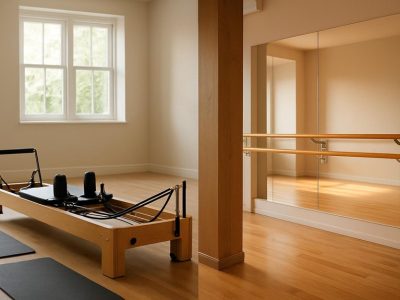
Pilates, though, puts equipment in the spotlight. Reformer machines—spring-loaded frames with moving carriages—stretch and strengthen your muscles under controlled resistance. Studios may stock the Cadillac or Wunda chair, adding more challenge and variety. Picture gliding on the reformer, your every muscle firing to keep the movement smooth—that’s Pilates engineering at work. If accessibility or space is tight, you might stick to Pilates mat sessions, which still delivers core focus using body weight alone (Balanced Body, Pilates Equipment, 2022).
Yoga asks: how can you connect with your body’s wisdom, only aided by simple props? Pilates challenges: which muscles can you awaken, with machine or mat as your sculptor’s tool? Both practices shape you, but their principles and techniques carve different paths.
Physical and Mental Health Benefits
Physical and mental health benefits define both yoga and Pilates, but your experience with each can transform the journey. Each movement, each breath—it’s got layers that ripple into daily life, affecting how your body and mind interact.
Flexibility and Strength
Yoga and Pilates sculpt flexibility and strength in different ways, with both impacting muscle groups and joints. Yoga elongates muscles through deep static stretches—think of the adho mukha svanasana (downward-facing dog) in which hamstrings, calves, and shoulders get tension released. In contrast, Pilates integrates dynamic resistance—picture reformer leg circles engaging your glutes, quads, and core simultaneously. Try holding a plank in yoga; compare it with a Pilates hundred—both crush your abs, but in yoga you also feel triceps burning while Pilates asks for tight, organized breathing. Over weeks, practitioners report improved posture, increased joint mobility, and greater muscle tone (American Council on Exercise, 2023).
Stress Relief and Mental Clarity
Mindful breath forms the backbone for stress relief in yoga and Pilates. Yoga invites you to close your eyes in shavasana, letting mental clutter dissolve while your nervous system slows. Practitioners report dopamine increases after a single 60-minute session (Harvard Health, 2022), with anxiety levels dropping noticeably. Pilates pushes you to tune into subtle bodily feedback—you focus so intensely on micro-movements that worries get blocked out. Stories from studio instructors mention even one short session, done in the quiet early morning, can calm the mind for the entire day. Meditative flows in yoga or rhythmic sequences in Pilates challenge your brain to stay present, delivering improved cognitive control and emotional regulation with every inhale and exhale.
Injury Prevention and Rehabilitation
Both Pilates and yoga help prevent injury and speed recovery by enhancing proprioception and muscle balance. Physical therapists integrate Pilates for post-op knee patients—try using the reformer’s gentle springs to rehabilitate joint stability without pain. Yoga, meanwhile, helps older adults maintain hip and spine flexibility, reducing falls and chronic pain (National Institutes of Health, 2021). Are you recovering from plantar fasciitis? A yoga warrior pose may stretch out tight calves, while Pilates footwork addresses alignment on each press. Pilates instructors highlight stories of athletes regaining range of motion after ankle injuries, while seasoned yogis describe overcoming back pain through restorative poses and mindful breath. Movement, awareness, and targeted exercises thread these modalities together—your body learns new ways to heal, and your mind adapts to possibility.
Choosing the Right Practice
Deciding between yoga and Pilates, you’re standing at a crossroads in the world of mindful movement. Each practice promises transformation but guides you on different paths to self-discovery, strength, and calm. Think about what speaks to you—are you after inner peace, or do you crave the precision of core control?
Who Should Try Yoga
Yoga welcomes you if your goals lean toward flexibility, stress reduction, or exploring a deep connection between body and mind. People recovering from anxiety, looking for spiritual grounding, or managing chronic pain often turn to yoga—an ancient practice that shapes not just the body, but the soul. When you stand in tree pose, for example, you’re not just balancing on one leg; you’re reflecting the sway and resilience of a real tree— rooted, flexible, and strong. Curious to see if centuries-old wisdom can help your modern stress? Harvard Medical School highlights yoga’s impact on reducing blood pressure and cortisol levels. Sometimes a gentle hatha session might spark more insight than hours spent in talk therapy.
Who Should Try Pilates
Pilates might draw you in if precision, core strength, and rehabilitative movement top your list. Athletes, dancers, and patients rehabbing after injury often use Pilates for its precise alignment and low-impact routines. Consider Joseph Pilates himself—he developed this method in an internment camp using little more than a bed frame and springs for resistance, a stark example of innovation under constraint. Pilates works wonders for those managing lower back pain or looking for uniform muscular development; it feels like tuning the fine parts of a watch, every gear and spring working in harmony with your breath. The American Council on Exercise found that Pilates supports better posture and balance, especially among older adults.
Factors to Consider
You’ll find your ideal practice by weighing a few key factors. First, reflect on your personal goals: seeking stress relief, use yoga’s emphasis on breath and meditation; aiming for strength, try Pilates’ focus on controlled resistance. Next, evaluate your physical condition—joint hypermobility or chronic injuries might favor Pilates for its smaller movements, but yoga’s props and variations can adapt almost any posture. Accessibility plays a role: you usually need just a mat for yoga, while Pilates mat classes differ from those requiring reformer machines. Do you thrive in tranquil dim-lit studios filled with incense, or does the mechanical rhythm of reformer springs inspire you more? If you’re still unsure, ask yourself: When did you last surprise yourself by embracing something new with your body? The right movement adventure sometimes starts with the simplest question.
Conclusion
Choosing between yoga and Pilates isn’t about picking the “better” practice—it’s about finding what fits your needs and lifestyle. Whether you crave spiritual growth or want to focus on physical strength, both offer something unique for your body and mind.
Let your curiosity guide you as you explore these mindful movements. By staying open to new experiences, you’ll discover which practice helps you feel your best and supports your personal journey toward well-being.
To provide the best experiences, we use technologies like cookies to store and/or access device information. Consenting to these technologies will allow us to process data such as browsing behaviour or unique IDs on this site. Not consenting or withdrawing consent, may adversely affect certain features and functions.
Functional
Always active
The technical storage or access is strictly necessary for the legitimate purpose of enabling the use of a specific service explicitly requested by the subscriber or user, or for the sole purpose of carrying out the transmission of a communication over an electronic communications network.
Preferences
The technical storage or access is necessary for the legitimate purpose of storing preferences that are not requested by the subscriber or user.
Statistics
The technical storage or access that is used exclusively for statistical purposes.The technical storage or access that is used exclusively for anonymous statistical purposes. Without a subpoena, voluntary compliance on the part of your Internet Service Provider, or additional records from a third party, information stored or retrieved for this purpose alone cannot usually be used to identify you.
Marketing
The technical storage or access is required to create user profiles to send advertising, or to track the user on a website or across several websites for similar marketing purposes.