Picture stepping onto a mat where every stretch and breath shapes your body and mind in unique ways. You might wonder which practice truly fits your lifestyle—Pilates with its precise movements and core focus, or yoga with its flowing poses and meditative calm. Both offer surprising benefits that go beyond flexibility and strength, touching on mental clarity and emotional balance.
As you explore these disciplines, you’ll discover how Pilates sharpens your posture and builds resilience, while yoga invites you to connect deeply with your inner self and find peace amidst chaos. Choosing between them isn’t just about exercise—it’s about what kind of transformation you’re seeking. Ready to immerse and find out which path aligns with your goals?
Understanding Pilates and Yoga
Both Pilates and yoga offer unique paths to physical and mental well-being. You can gain clarity by examining their origins, philosophies, core principles, and techniques.
Origins and Philosophy
Pilates emerged in the early 20th century, created by Joseph Pilates who aimed to improve rehabilitation and strengthen the body’s core. You’ll find Pilates rooted in physical conditioning and biomechanics, targeting posture correction and muscular balance. Yoga, in contrast, traces back over 5,000 years to ancient India, intertwining physical postures (asanas), breath control (pranayama), and meditation. Unlike Pilates’ focus on the body, yoga pursues holistic union of mind, body, and spirit, sometimes described as the “science of self-realization” in the Yoga Sutras of Patanjali.
Consider Pilates like a modern architectural blueprint designed to construct a strong, injury-resistant foundation. Yoga serves as a philosophical garden, cultivating awareness, presence, and spiritual growth along with flexibility and strength. Both philosophies offer value, but their intent differs: Pilates concentrates on physical precision while yoga embraces a spiritual journey.
Core Principles and Techniques
Pilates principles hinge on concentration, control, centering, precision, breath, and flow. For example, you engage your “powerhouse”—the muscles of your abdomen, lower back, and hips—with each controlled movement. Exercises like the “Hundred” or “Roll-Up” exemplify how Pilates strengthens the core and enhances posture through small, deliberate motions.
Yoga’s core principles include the eight limbs—ethical guidelines, breathwork, postures, and meditation. Poses such as Downward Dog or Warrior II loosen tight muscles while promoting mental calmness. Breath and mindfulness link every posture with an inward focus. Your body’s stretching and strengthening in yoga often foster emotional resilience and reduce stress.
The techniques vary: Pilates uses apparatus like the Reformer or mat-based exercises emphasizing alignment. Yoga sessions may involve a sequence of asanas on the mat, weaving physical exertion with meditative pauses. If you seek rehabilitation and targeted muscle conditioning, Pilates offers a science-backed method. If relaxation, stress relief, and spiritual balance matter most, yoga caters well.
In sum, both disciplines invite you into deep mind-body synchronization but steer you towards different destinations. Choosing either depends on whether you prioritize building a precise physical foundation or evolving your inner awareness through postural flow and meditation. Either way, your body’s health and your mind’s clarity grow stronger with regular practice.
Health Benefits Comparison
Choosing between Pilates and yoga hinges on understanding their distinctive health benefits. Both disciplines enhance physical well-being and mental clarity, yet their effects vary based on practice and focus.
Physical Benefits of Pilates
Pilates centers on core strength, targeting muscles around your abdomen, lower back, hips, and pelvis. This focus improves posture and stabilizes the spine, reducing injury risk during everyday activities or sports. You feel stronger in your midsection, enabling better balance and coordination. According to a 2015 study published in the Journal of Bodywork and Movement Therapies, regular Pilates practice increases muscle strength by 15-20% over 8 weeks among adults aged 30-55.
Pilates exercises often engage controlled, precise movements like the “Hundred” or the “Teaser,” which demands concentration and promotes muscle endurance. These movements strengthen deep stabilizing muscles, often neglected in conventional workouts. For example, dancers or athletes incorporate Pilates to boost performance and prevent injury. If your goal is rehabilitation or enhancing core resilience, Pilates offers a scientifically supported path with measurable results.
Physical Benefits of Yoga
Yoga’s appeal lies in its versatility; it stretches and strengthens muscles across the entire body while improving joint mobility. Styles range from gentle Hatha to vigorous Ashtanga, catering to fitness levels and goals. You might practice poses like “Downward Dog” or “Warrior II” that increase flexibility and build strength simultaneously.
A 2016 review in Evidence-Based Complementary and Alternative Medicine highlights yoga’s effectiveness in reducing chronic pain and improving balance in older adults. By integrating breath control (pranayama) and posture (asana), yoga promotes muscle elongation and joint health, which combats stiffness and chronic conditions like arthritis. Many practitioners find yoga supports weight management and cardiovascular function, depending on the intensity.
Mental and Emotional Benefits
Both Pilates and yoga boost mental and emotional health but approach it differently. Pilates enhances mind-body connection through focused movements, sharpening concentration, and body awareness. You often feel grounded and present post-session, which decreases stress and mental fatigue. For instance, a 2017 study in the Journal of Clinical Psychology found Pilates benefits individuals with mild depression by improving mood and cognitive function.
Yoga incorporates meditation and breath control, grounding you deeply in the present moment, reducing anxiety and fostering emotional balance. The ancient practice aims for holistic well-being—melding mind, body, and spirit. This leads to greater resilience under stress, emotional regulation, and sometimes spiritual insight. Mindfulness and relaxation techniques within yoga support coping with insomnia and PTSD, according to research from Harvard Medical School.
By reflecting on your priorities, whether physical rehabilitation, flexibility, mental calmness, or spiritual growth, your choice between Pilates and yoga becomes clearer. Remember, blending elements from both practices often yields the most comprehensive health advantages. Which path aligns with your lifestyle and aspirations? Your journey to wellness begins with that answer.
Differences in Practice and Approach
Understanding how Pilates and yoga differ in practice and approach helps you decide which suits your lifestyle and goals better. Both disciplines craft body and mind, yet they diverge in their environment, intensity, and focus.
Equipment and Environment
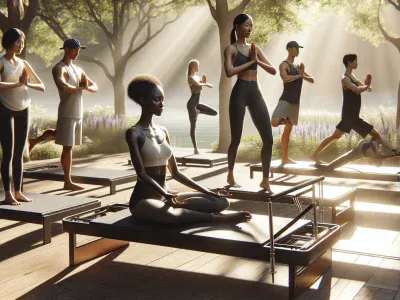
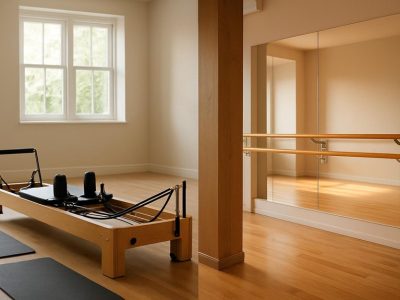
Pilates demands specific equipment like the Reformer, Cadillac, or Pilates ball to amplify resistance and support movement precision. You often find Pilates studios outfitted with mats adjacent to machines, emphasizing controlled exercises. Picture stepping onto a Reformer—its springs provide adjustable tension that challenges your core stability with every glide. Conversely, yoga thrives in simplicity. All you need might be a mat, sometimes blocks or straps, allowing practice anywhere—in tranquil studios surrounded by natural light or even outdoor gardens. This minimalism invites flexibility, literally and figuratively. The environment of yoga promotes stillness and connection with nature, enhancing its meditative qualities. By contrast, Pilates centers around structured settings supporting biomechanical focus, often appealing if you crave measurable progress with technical assistance.
Intensity and Pace
Pilates sessions typically maintain a brisk, deliberate pace. Each movement demands concentration, precision, and muscle engagement, creating a workout as intense as a weight session but gentler on joints. For example, exercises like “The Hundred” engage abdominal muscles in a rapid but controlled cadence, elevating heart rate and strengthening core simultaneously. Yoga unfolds more fluidly, varying from slow restorative flows to vigorous sequences like Vinyasa or Ashtanga styles. This variance lets you tailor intensity—from meditative breath-focused sessions to sweat-inducing power yoga classes. Keep in mind, Pilates’ steady tempo sharpens muscle activation patterns, while yoga’s ebb and flow nurtures flexibility and endurance. You’ll find your rhythm in each, depending on whether you prefer steady strength-building or dynamic mindfulness.
Flexibility and Strength Focus
You strengthen muscles deliberately in Pilates, emphasizing core stability, posture alignment, and controlled breathing. Strength gains often translate to improved daily movement efficiency and injury prevention; dancers and athletes favor Pilates for these reasons. For instance, a study in the Journal of Bodywork and Movement Therapies shows Pilates increases muscular strength by approximately 18% over 8 weeks. In contrast, yoga’s hallmark is flexibility combined with balanced strength, weaving breath with poses that lengthen and open muscle groups gradually. Poses like Downward Dog or Warrior II stretch connective tissue, while engaging multiple muscle groups for holistic resilience. Yoga also cultivates mental strength through mindfulness practices embedded in sessions, offering emotional stamina alongside physical gains. You might find Pilates suitable if your priority is targeted strength and alignment, whereas yoga enhances your overall flexibility and inner calm.
Both Pilates and yoga sculpt your body and mind—your choice depends on your priorities, be it precise control with equipment support or fluidity with minimal gear. Reflect on how each approach’s equipment, intensity, and focus resonate with your routine and goals, encouraging a balanced, well-informed choice for your wellness journey.
Choosing Based on Personal Goals
Choosing between Pilates and yoga depends largely on your personal goals. Each practice provides distinct benefits tailored to specific needs. Understanding these can guide you to a more satisfying and effective fitness journey.
Weight Loss and Muscle Toning
Pilates excels in muscle toning and core strengthening through precise, controlled movements. Exercises like the “Hundred” engage multiple muscle groups, transforming your posture and enhancing endurance. For instance, athletes often integrate Pilates to amplify muscle definition while minimizing bulk. When weight loss drives your goal, combining Pilates’ strength focus with cardio amplifies fat reduction. Yoga, on the other hand, offers dynamic flows in styles such as Vinyasa or Power Yoga, which elevate heart rate and burn calories. These sessions promote lean muscle development and flexibility without heavy strain. If you prioritizes toning limbs, yoga’s isometric holds in poses like Warrior II sculpt muscles while improving balance and stamina. Each method supports weight management differently: Pilates targets deep muscles, whereas yoga boosts overall body strength and metabolic rate.
Stress Relief and Mindfulness
Yoga leads in nurturing mindfulness and mental clarity through breath-focused meditation and fluid movements. Its origins, rooted in ancient Indian philosophy, foster emotional resilience alongside physical health. When stress weighs heavy, engaging in yoga’s soothing sequences enhances parasympathetic nervous system activity, reducing cortisol levels. For example, practitioners experience noticeable declines in anxiety after consistent Hatha or Restorative Yoga classes. Pilates sharpens concentration through deliberate motion and breath coordination, creating mental discipline that counters fatigue and distractibility. Its controlled environment demands awareness, which subtly eases tension. But, yoga’s integration of meditation distinctly deepens your capacity for emotional balance by encouraging present-moment awareness. Both forms develop mental strength, but yoga’s comprehensive approach is better suited if relaxation and mindfulness are your primary concerns.
Injury Rehabilitation and Prevention
Pilates prioritizes injury rehabilitation with targeted exercises designed to restore muscle function and improve joint stability. Physical therapists often recommend Pilates post-injury because its low-impact nature strengthens core muscles critical for spinal support. For example, a rotator cuff patient regains mobility through focused Pilates sequences that avoid aggravating the injury while rebuilding strength. Conversely, yoga’s gentle stretching enhances flexibility and gradually increases range of motion, aiding those recovering from muscle tightness or chronic pain. Certain restorative yoga poses alleviate inflammation and encourage healing by promoting circulation. Yet improper alignment in yoga can risk injury if not supervised. Combining Pilates’ precision and yoga’s fluidity can maximize injury prevention by reinforcing muscular control while maintaining flexibility. Before starting, consult healthcare professionals to align your practice with personal rehabilitation needs.
Goal
Pilates Benefit
Yoga Benefit
Example Use Case
Weight Loss & Toning
Core strengthening, muscle endurance
Dynamic flows, isometric muscle holds
Athlete enhancing muscle definition
Stress Relief & Mindfulness
Mental focus, reduces fatigue
Breath meditation, emotional balance
Practitioner reducing anxiety
Injury Rehab & Prevention
Low-impact, improves joint stability
Flexibility, pain relief
Patient recovering from shoulder injury
Choosing depends on your focus: muscle tone benefits more immediately from Pilates’ precision; stress relief deepens with yoga’s mindfulness; and injury healing thrives combining both, given professional guidance. Which path will your body and mind embrace?
Expert Opinions and Research Insights
Experts weigh in on Pilates and yoga by highlighting distinct benefits supported by scientific research. Pilates, rooted in controlled, precise movements, enhances core strength and spinal alignment, according to a 2021 study published in the Journal of Strength and Conditioning Research. This study revealed a 17% improvement in posture and balance among participants practicing Pilates regularly for 12 weeks. Similarly, yoga draws praise for its holistic impact; the Journal of Alternative and Complementary Medicine reports significant reductions in stress hormones and improvements in emotional well-being after consistent yoga practice.
Researchers emphasize Pilates’ advantage for rehabilitation and injury prevention. For example, athletes recovering from lower back pain often turn to Pilates based on evidence showing increased lumbar stability and muscle endurance. Meanwhile, yoga’s integration of breath control and meditation techniques aids chronic pain management and mental health. A 2019 clinical trial found that yoga significantly reduced anxiety levels and improved sleep quality in patients with generalized anxiety disorder.
Renowned fitness experts, including physical therapists and wellness coaches, recommend choosing Pilates when your priority involves muscle toning, core rehabilitation, or injury recovery, given its systematic approach. Conversely, yoga experts advocate its suitability for flexibility, mental calmness, and stress relief, emphasizing its ancient philosophy and mind-body connection.
But, some experts argue neither Pilates nor yoga exclusively outperforms the other since each discipline complements different wellness dimensions. If your goals span physical strength and mental clarity, integrating both practices creates a balanced routine supported by multidisciplinary research.
Questions arise about practical applications: How does Pilates’ equipment-based method compare to yoga’s minimalist approach in real-world settings? How might combining both forms enhance athletic performance, emotional resilience, or lifestyle longevity? Scientific findings suggest exploring hybrid programs may maximize results.
Eventually, experts encourage you to assess personal goals, lifestyle constraints, and preferences. Consider professional assessments before starting any program to tailor practice to your unique needs. Embrace experimentation and attentiveness to how your body and mind respond to Pilates, yoga, or both — it’s a pathway toward holistic health, strength, and inner equilibrium.
Conclusion
Choosing between Pilates and yoga eventually depends on what you want to achieve with your practice. If you’re looking to build core strength and improve posture, Pilates offers targeted, precise movements that deliver results. On the other hand, if your goal is to enhance flexibility and find mental calmness, yoga’s mindful flows and meditation can be transformative.
You don’t have to limit yourself to just one. Combining elements from both can create a well-rounded routine that supports your physical health and emotional well-being. Listen to your body and preferences, and let your goals guide your choice. With consistency, either path will help you grow stronger, more balanced, and more centered in your everyday life.
To provide the best experiences, we use technologies like cookies to store and/or access device information. Consenting to these technologies will allow us to process data such as browsing behaviour or unique IDs on this site. Not consenting or withdrawing consent, may adversely affect certain features and functions.
Functional
Always active
The technical storage or access is strictly necessary for the legitimate purpose of enabling the use of a specific service explicitly requested by the subscriber or user, or for the sole purpose of carrying out the transmission of a communication over an electronic communications network.
Preferences
The technical storage or access is necessary for the legitimate purpose of storing preferences that are not requested by the subscriber or user.
Statistics
The technical storage or access that is used exclusively for statistical purposes.The technical storage or access that is used exclusively for anonymous statistical purposes. Without a subpoena, voluntary compliance on the part of your Internet Service Provider, or additional records from a third party, information stored or retrieved for this purpose alone cannot usually be used to identify you.
Marketing
The technical storage or access is required to create user profiles to send advertising, or to track the user on a website or across several websites for similar marketing purposes.