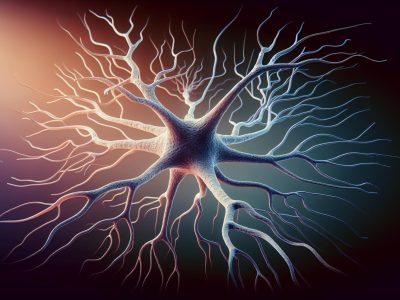
Picture trying to control a symphony with broken strings on your violin or tangled wires in your speakers. That’s how the nervous system feels when upper motor neurons (UMN) and lower motor neurons (LMN) malfunction. These two critical players in the orchestra of movement work seamlessly to send signals from your brain to your muscles, ensuring every step, gesture, or smile happens effortlessly.
But what happens when this harmony is disrupted? The difference between UMN and LMN isn’t just about location—it’s about how they impact muscle tone, reflexes, and even daily activities you might take for granted. Understanding these distinctions can unlock insights into conditions like ALS, stroke, or spinal cord injuries. Whether you’re navigating a diagnosis or simply curious about how your body works so flawlessly most of the time, diving into this topic will illuminate the remarkable complexity of human movement.
What Are UMN And LMN?
UMN and LMN are integral components of the motor system, responsible for controlling voluntary and involuntary movements. Understanding their roles helps differentiate neurological conditions based on symptoms and affected areas.
Definition Of Upper Motor Neurons (UMN)
Upper motor neurons originate in the cerebral cortex or brainstem. They transmit signals to lower motor neurons, influencing muscle control. These neurons form part of the corticospinal and corticobulbar tracts, which coordinate refined movements like writing or speaking.
Damage to UMNs often leads to spasticity, hyperreflexia, or increased muscle tone. Conditions such as stroke or multiple sclerosis disrupt UMNs, causing impaired voluntary movement.
Definition Of Lower Motor Neurons (LMN)
Lower motor neurons reside in the spinal cord’s anterior horn or cranial nerve nuclei in the brainstem. They directly innervate skeletal muscles through peripheral nerves, enabling precise movement execution.
Injuries affecting LMNs result in flaccid paralysis, hyporeflexia, or muscle atrophy. Disorders like poliomyelitis and Guillain-Barré syndrome are associated with LMN dysfunctions that weaken muscles drastically over time.
Key Differences Between UMN And LMN
Upper motor neurons (UMN) and lower motor neurons (LMN) differ in their location, function, and the effects of their damage on the nervous system. These distinctions are essential for diagnosing neurological conditions.
Location And Structure
UMNs originate in the cerebral cortex or brainstem, forming part of the central nervous system (CNS). They send signals down to synapse with LMNs or interneurons in specific spinal cord regions. In contrast, LMNs reside within the anterior horns of the spinal cord or cranial nerve nuclei in the brainstem. Their axons extend directly to skeletal muscles, constituting a peripheral component.
For example, corticospinal tracts carry UMN impulses from the motor cortex to spinal levels. Meanwhile, LMNs like alpha motor neurons innervate muscle fibers directly.
Functions And Roles
UMNs modulate voluntary movements by transmitting excitatory or inhibitory signals to LMNs. They also regulate reflex arcs and maintain postural tone indirectly via descending pathways like corticobulbar tracts. Damage here disrupts signal transmission rather than direct muscle stimulation.
LMNs act as final common pathways for executing precise actions by contracting individual muscles based on received commands. For instance, during walking, UMNs coordinate movement patterns while LMNs execute step-by-step contractions.
Types Of Lesions
Lesions affecting UMNs typically result in spasticity due to loss of inhibitory control over reflexes. Conditions such as stroke can cause hyperreflexia and clonus with no significant atrophy initially since indirect neural connections remain intact.
Conversely, LMN lesions lead to flaccid paralysis because of direct disruption between nerves and muscles. Examples include poliomyelitis or Guillain-Barré syndrome where denervation causes severe atrophy over time due to disuse.
Symptoms And Signs
UMN damage manifests through increased muscle tone (hypertonia), exaggerated reflexes (hyperreflexia), and positive Babinski signs—indicative of cortical pathway involvement seen in ALS or multiple sclerosis cases.
LMN injuries display decreased tone (hypotonia), absent reflexes (areflexia), fasciculations, and rapid wasting—a hallmark pattern observed after peripheral neuropathies or trauma severing nerve roots entirely.
Understanding these differences allows you differentiate between central versus peripheral origins when evaluating motor deficits clinically.
UMN vs LMN: Diagnostic Criteria
Accurate diagnosis of upper motor neuron (UMN) and lower motor neuron (LMN) disorders relies on specific clinical criteria. Differentiating between these two types of lesions involves detailed assessments to identify distinct signs linked to each.
Neurological Examination
Neurological examinations focus on identifying hallmark features associated with UMN and LMN dysfunctions. In UMN lesions, you’ll find spasticity, hyperreflexia, and the presence of pathological reflexes like the Babinski sign. These signs indicate impaired communication within the central nervous system.
LMN damage, but, presents differently. Flaccid paralysis, muscle atrophy, fasciculations (visible muscle twitches), and hyporeflexia are common findings. For example, in conditions like amyotrophic lateral sclerosis (ALS), both UMN and LMN signs may coexist, complicating diagnosis without thorough examination.
Common Testing Methods
Common diagnostic tests evaluate nerve conduction or functional impairments caused by suspected lesions. Electromyography (EMG) measures electrical activity in muscles; it’s used to confirm LMN-related issues such as denervation or reduced motor unit recruitment patterns.
Importance Of Understanding UMN And LMN Distinction
Grasping the distinction between upper motor neurons (UMNs) and lower motor neurons (LMNs) enhances your ability to interpret neurological conditions. This knowledge aids in diagnosing disorders, tailoring treatments, and predicting patient outcomes.
Clinical Relevance
Understanding UMN and LMN differences clarifies the underlying causes of various symptoms. For example, spasticity in stroke patients often points toward UMN lesions due to disrupted central nervous system pathways. In contrast, muscle atrophy and fasciculations typically link to LMN damage in conditions like Guillain-Barré syndrome. Recognizing these patterns allows you to localize lesions effectively.
Neurological exams benefit from this distinction by identifying key signs such as hyperreflexia for UMNs or hyporeflexia for LMNs. For instance, when evaluating a patient with limb weakness but exaggerated reflexes, an UMN lesion is suspected. Conversely, diminished reflexes alongside muscle wasting suggest LMN involvement.
Implications For Treatment
Differentiating between UMN and LMN issues directs appropriate therapeutic interventions. Spasticity related to UMNs may require medications like baclofen or physical therapy focusing on stretching exercises. On the other hand, flaccid paralysis due to LMN damage might necessitate nerve stimulation therapies or assistive devices.
Prognosis also varies based on the affected neuron type. While some UMN-related deficits improve with neuroplasticity-based rehabilitation techniques, severe LMN injuries often lead to irreversible muscle loss if not managed promptly through supportive care strategies.
Accurate identification of whether an issue stems from UMNs or LMNs optimizes treatment plans and improves overall outcomes for individuals experiencing neuromuscular impairments.
Conclusion
Understanding the differences between upper and lower motor neurons is vital for accurately identifying and managing neurological conditions. By recognizing how these components contribute to muscle control and movement, you can better interpret symptoms, localize lesions, and guide treatment strategies. This knowledge not only enhances diagnostic precision but also empowers more effective therapeutic interventions that improve patient outcomes. A clear grasp of UMN and LMN distinctions eventually deepens your appreciation of the intricate workings of the human motor system.
To provide the best experiences, we use technologies like cookies to store and/or access device information. Consenting to these technologies will allow us to process data such as browsing behaviour or unique IDs on this site. Not consenting or withdrawing consent, may adversely affect certain features and functions.
Functional
Always active
The technical storage or access is strictly necessary for the legitimate purpose of enabling the use of a specific service explicitly requested by the subscriber or user, or for the sole purpose of carrying out the transmission of a communication over an electronic communications network.
Preferences
The technical storage or access is necessary for the legitimate purpose of storing preferences that are not requested by the subscriber or user.
Statistics
The technical storage or access that is used exclusively for statistical purposes.The technical storage or access that is used exclusively for anonymous statistical purposes. Without a subpoena, voluntary compliance on the part of your Internet Service Provider, or additional records from a third party, information stored or retrieved for this purpose alone cannot usually be used to identify you.
Marketing
The technical storage or access is required to create user profiles to send advertising, or to track the user on a website or across several websites for similar marketing purposes.