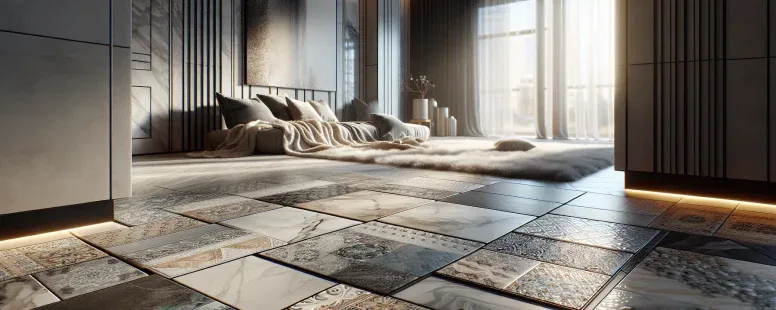
Picture stepping barefoot onto a cool kitchen floor, the tiles smooth beneath your feet, their colors catching the morning light. You might not realize it, but the choice between porcelain and ceramic tile shapes not just the look but the entire feel of your space. Both promise beauty and durability, yet each holds secrets that could transform your home in unexpected ways.
What if the right tile could make your mornings brighter, your cleaning routine easier, or your renovation budget stretch further? Beneath the surface, subtle differences in texture, strength, and performance set porcelain and ceramic apart. As you dream about your next home project, understanding these hidden contrasts could unlock a world of unexpected benefits.
Understanding Porcelain and Ceramic Tiles
Picture stepping barefoot onto your bathroom floor each day. Porcelain and ceramic tiles look similar, but your feet notice differences before your eyes do. At first glance, both seem sleek—yet under the surface, their stories split. Porcelain, forged from refined kaolin clay and fired at temperatures over 2,300°F, resists moisture like a waterproof shield. Ceramic, born from coarser red or brown clay, bakes at cooler temperatures and allows a bit more breathability. The choice isn’t just about looks; it’s about how your kitchen, hallway, or shower supports your routines.
Some real estate agents might ask: “Is your tile choice increasing resale value?” Builders at KB Home report that porcelain tile attracts buyers looking for durability in entryways and kitchen spaces, especially in states prone to temperature swings (National Association of Home Builders, 2022). Yet, ceramics show up in historic homes, providing warmth and hand-painted texture loved by designers in the Northeast.
Curious why some tiles chip but others don’t? Porcelain’s density—picture the tightest-packed snowball—means dropped mugs often just bounce. Ceramics, porous and slightly softer, may show wear faster, but also make DIY cuts easier when you install a backsplash. Chef Ana chose ceramic tiles for her bakery’s walls because, she said, “the colors jumped out at customers,” while a local gym preferred the stain-fighting power of porcelain for its steamy locker rooms.
Ask yourself: do you want floors that shrug off sopping boots and muddy paws? Does the tile need to match a century-old subway-glazed aesthetic? Considering installation complexity, budgets, and daily use paints a clearer decision path. If friends still think porcelain and ceramic are identical, tell them to splash a tile sample with espresso or leave it outside in a rainstorm—a weekend test that reveals more truth than any catalog copy ever could.
Key Differences Between Porcelain and Ceramic Tile
Understanding porcelain and ceramic tiles means looking past appearances. Both tile types come from clay, but distinct differences shape how you use and see them in your home projects.
Composition and Manufacturing Process
Porcelain and ceramic tiles differ mostly in their base materials and production. Porcelain uses fine kaolin clay, pressed and fired at temperatures above 2200°F (1204°C). This process, referenced by the TCNA (Tile Council of North America), produces a very dense tile. Ceramic tiles start with coarser clay, pressed and fired at lower temperatures, resulting in a more porous body. Manufacturers often add feldspar and sand to both, but porcelain’s tighter structure provides less room for water or air. You’ll feel the heft if you hold a 12″x12″ porcelain tile versus ceramic of the same size.
Water Absorption and Durability
Porcelain’s structure means it absorbs less than 0.5% water by weight, according to ASTM C373 standards. That’s why contractors choose it for showers, patios, and entryways that see puddles or mud. Ceramic usually absorbs more water—sometimes exceeding 3%—which means it’s good for indoor spaces where spills are rare. Durability follows: Porcelain resists scratches, chips, and wear better, making it suitable for airports and busy kitchens. One homeowner reported to Consumer Reports that a dropped skillet barely marked her porcelain but cracked her kitchen’s older ceramic.
Appearance and Design Options
Ceramic tiles offer abundant decorative glazes, patterns, and textured finishes seen in artisan studios or vintage homes. Porcelain comes in matte, polished, and through-body options, where the color runs all the way through. Manufacturers now use digital printing on both; for example, you’ll find wood-look porcelain mimicking white oak or hickory. But, the smoothness and density of porcelain limit some hand-painted effects, so intricate mosaics often use ceramic. Responding to design trends, tile showrooms stock larger-format porcelain for seamless, modern looks and classic subway ceramics for cozy kitchens.
Cost and Installation
Porcelain generally costs $3–$10 per sq ft, while ceramic tiles average $1–$6 per sq ft, data cited from the National Kitchen & Bath Association. Porcelain’s weight and density make it harder to cut and install, leading some pros to charge $8–$15 per sq ft for labor, which is higher than ceramic. DIYers report chipped tools and slower project times with porcelain. Easy-to-cut ceramics encourage creative layouts and small-scale projects, such as backsplashes. Budget-minded renovators often compare quotes for both, since the initial tile price is only one part of the full installed cost.
Pros and Cons of Porcelain Tile
Porcelain tile, crafted from highly-refined kaolin clay, brings unmatched density and resilience to your high-traffic spaces. Picture this: your kitchen hosts boisterous dinner parties, kids dart between the fridge and the pantry, yet those glazed porcelain squares barely flinch at the chaos. Water droplets—kitchen spills, muddy paw prints, or even the aftermath of plant-watering mishaps—slide off without a trace, thanks to less than 0.5% water absorption (source: The Tile Council of North America). It’s almost like each tile wears an invisible raincoat.
But here’s a wrinkle—porcelain’s greatest strength, its hardness, is a double-edged sword. Cutting these tiles becomes a saga in itself. Professional installers lug diamond-blade saws and recommend slow, precise work or you risk costly breakage. Compare that to softer ceramic tiles, which anyone with a decent tile cutter can score with ease. If your renovation dream includes adventurous layouts or intricate mosaics, porcelain may not play nice when the shapes turns complex.
Another quirk: porcelain tends to feel colder underfoot than ceramic. If you’ve ever padded across a bathroom in January, you’ll know that chilly sensation can catch you off guard. Radiant heating installation becomes more of a “nice to have” than a luxury. On the bright side, that coolness—paired with porcelain’s resistance to sunlight and frost—makes it perfect for outdoor patios and even spa-like shower floors (as used in many luxury resorts).
Color retention and aesthetic longevity are porcelain’s specialty. Unlike ceramic glaze that may fade over decades, porcelain tiles deliver the same hue and veining throughout, even if you chip a corner. Picture an heirloom kitchen floor staying vibrant through 15 years of Easter egg hunts and Thanksgiving preps. Still, if you crave hand-painted motifs or deeply textured surfaces, you’d find more options in ceramic.
Cost sneaks up as a final consideration. Porcelain tiles often cost 20%–35% more per square foot than their ceramic counterparts, reflecting both material quality and shipping weight (source: HomeAdvisor). Some homeowners opt for porcelain in only crucial, high-traffic zones—entryways, mudrooms, laundry rooms—while leaving decorative spaces to lighter ceramic.
When weighing these factors, what feels most urgent? Are you looking for tiles that’ll quietly outlast years of pet traffic and weather drama, or crave creative flexibility and a softer step? By matching porcelain’s merits—durability, water resistance, fade-proof color—against your daily rituals and design dreams, you create not just a surface, but a foundation for the stories yet to unfold on your floors.
Pros and Cons of Ceramic Tile
Picture stepping barefoot onto a kitchen floor that feels a bit softer to the touch—ceramic tile surfaces often offer that subtle comfort. Unlike porcelain, ceramic tile lets you dream up bold color stories. You’ll find hand-painted Spanish motifs and vivid Moroccan patterns among options from brands like Fireclay Tile or Daltile. Ever walked into a home and noticed the delicate, glossy finish on a century-old bathroom floor? Chances are, you’re staring at kiln-fired ceramic that tells stories spanning generations.
Pros of Ceramic Tile
Design Flexibility
Ceramic tile design options outnumber almost any other surface category. Patterns, colors, and shapes adapt to quirky kitchens or traditional entryways. For instance, homeowners in Brooklyn brownstones often preserve the classic hex-tile look with custom-glazed ceramic, adding modern backsplashes alongside original floors.
DIY-Friendly Installation
Cutting, drilling, or trimming ceramic material feels intuitive. You’ll find DIY enthusiasts frequently gravitate to ceramic projects, sharing tips on YouTube about scoring tiles with a simple snap cutter or smoothing out thin-set mortar along a shower wall.
Affordability
If you’re picturing a cost-effective remodel, ceramic tile averages $1–$7 per square foot, says the National Kitchen & Bath Association. Lower upfront costs let renters and budget-conscious renovators upgrade with minimal financial risk.
Comfort and Warmth
Ceramic tile retains heat and feels warmer than porcelain, especially in sunny spaces. Many bungalows in Phoenix blend larger ceramic planks with intricate terrazzo accents to keep rooms inviting year-round.
Cons of Ceramic Tile
Lower Durability
Compared to porcelain, ceramic chips and cracks easy under dropped cast-iron pans or shuffled furniture. This may bother pet owners or folks who host energetic game nights.
Higher Water Absorption
Bathrooms and mudrooms demand tiles that shrug off frequent splashes. Ceramic absorbs more moisture (up to 7% in some cases, per the Tile Council of North America) and sometimes warps if installation skips proper waterproofing.
Maintenance Concerns
Glazed finishes resist stains but grout lines need routine care. If you live with toddlers or dogs, you’ll scrub grout stains often—otherwise these lines can discolor quick.
Inconsistent Surface
Handmade or artisan tiles sometimes arrive with dimensions off by a millimeter or two. Think of the last time you tried laying a puzzle but the edges never quite lined up—installing uneven ceramic tiles can feel similar, especially in older houses with unpredictable subfloors. why vintage bathrooms radiate charm but require twice the elbow grease? Ceramic tile tells a vivid tale of tradeoffs: legacy meets maintenance, artistry rivals resilience. Consider a sun-drenched studio where you want creative freedom: does the allure of limitless color trump an extra hour of grout-cleaning every spring?
Home renovation bloggers debate whether ceramic is “worth it” for busy families or humid climates (see Apartment Therapy, 2023). Many recommend sample testing—live with a couple of tiles, try the fit in your real-world counter or shower setting, stain one or two, and even drop something accidentally. Ceramics’ pros and cons don’t live on paper: they write themselves into the rhythms of your home, its quirks and personalities.
Choosing the Right Tile for Your Project
Discovering the difference between porcelain and ceramic tile can be like choosing shoes for an adventure—will you need hiking boots or stylish loafers? Porcelain’s dense kaolin clay structure and high firing temperature grant it superpower-like resilience: it laughs in the face of heavy foot traffic, busy entryways, and kitchen spills. Picture a bustling hallway in an Austin home where kids streak past in rain-soaked sneakers. Here, porcelain tile works to shield your subfloor from water damage, while its cool touch resists heavy wear for years.
If you fancy expressive color and intricate patterns, ceramic tile lets creativity run wild—each glazed surface tells its own story. Think about a loft in Brooklyn where every backsplash in the kitchen shines with its own hue and personality. Ceramic tiles there become more than just a backdrop; they spark conversation and offer warmth beneath your feet that porcelain just can’t mimic. But wait: that charm brings trade-offs. Your bathroom upgrade in a humid city like Miami might demand cleaning sessions twice as long, grout brushes and patience in tow.
Sometimes, cost even nudges your decision. A 2023 Consumer Reports study showed porcelain’s price can outstrip ceramic by 20% or more (source: Consumer Reports). You’ll feel that bite if your remodeling dreams reach across big rooms or tight budgets. Funny how the elegant, stony look of porcelain can strain the wallet, while ceramic’s charm, in all its variety, fits snugly in the DIY aisle of your nearest store. why installers in Seattle recommend ceramic for sun-filled breakfast nooks, but never for outdoor patios?
Your lifestyle matters just as much as the tile’s composition clock. If your mornings include a scalding mug of coffee and chirping children, then easy-to-clean surfaces—ceramic, for example—offer peace of mind (National Kitchen & Bath Association). On the other hand, fans of underfloor heating sometimes choose porcelain, because it conducts warmth evenly once the system kicks in, even though it’s natural coolness at rest.
So, what do you value—artistic expression, unyielding durability, or something in between? Allow your routine, climate, and even those unexpected mishaps to guide your choice. When choosing between porcelain and ceramic tile, your project becomes a canvas and every decision—a brushstroke.
Conclusion
Choosing between porcelain and ceramic tile gives you the chance to shape your space in a way that truly fits your lifestyle. When you weigh your options and test samples in your own home, you’ll discover which tile type feels right for your needs.
Let your daily routines, design goals, and budget guide your decision. With the right tile, you’ll create a space that’s both beautiful and practical for years to come.
To provide the best experiences, we use technologies like cookies to store and/or access device information. Consenting to these technologies will allow us to process data such as browsing behaviour or unique IDs on this site. Not consenting or withdrawing consent, may adversely affect certain features and functions.
Functional
Always active
The technical storage or access is strictly necessary for the legitimate purpose of enabling the use of a specific service explicitly requested by the subscriber or user, or for the sole purpose of carrying out the transmission of a communication over an electronic communications network.
Preferences
The technical storage or access is necessary for the legitimate purpose of storing preferences that are not requested by the subscriber or user.
Statistics
The technical storage or access that is used exclusively for statistical purposes.The technical storage or access that is used exclusively for anonymous statistical purposes. Without a subpoena, voluntary compliance on the part of your Internet Service Provider, or additional records from a third party, information stored or retrieved for this purpose alone cannot usually be used to identify you.
Marketing
The technical storage or access is required to create user profiles to send advertising, or to track the user on a website or across several websites for similar marketing purposes.