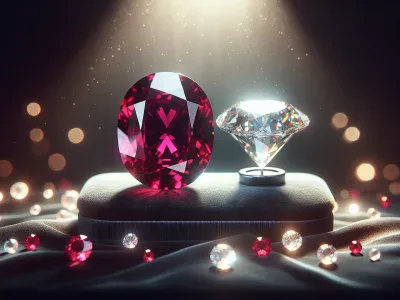
Picture holding a piece of jewelry that whispers stories of royal courts and timeless elegance. traditional Indian craftsmanship, Kundan and Polki jewelry stand as shimmering symbols of heritage. Both styles are breathtakingly beautiful, yet they carry distinct identities that often leave you wondering—what truly sets them apart?
Understanding Kundan And Polki Jewelry
Kundan and Polki jewelry represent the pinnacle of traditional Indian craftsmanship. Both styles showcase timeless beauty, yet their techniques and materials set them apart.
What Is Kundan Jewelry?
Kundan jewelry uses a refined gold foil framework to embed gemstones. Craftsmen layer thin sheets of pure gold around uncut or semi-precious stones, creating intricate designs. This style originated during the Mughal era and remains synonymous with royal grandeur.
You often find Kundan work in elaborate necklaces, chokers, and earrings adorned with colorful enamel on the reverse side (Meenakari). For example, a bridal Kundan necklace might feature emeralds nestled in 24-karat gold settings. Its lightweight nature makes it ideal for ceremonial wear.
What Is Polki Jewelry?
Polki jewelry features uncut diamonds set on a basic gold framework without any additional refining processes. These natural diamonds retain their raw brilliance, lending an antique charm to every piece. Rajasthan became a hub for Polki artistry due to its historical ties to diamond trade routes.
Polki pieces are typically heavier than Kundan ones because they use solid gold backings instead of foils. A classic example includes statement bridal sets where unpolished diamonds form symmetrical patterns paired with pearls or rubies. Their vintage appeal fits both contemporary and traditional aesthetics effortlessly.
Key Differences Between Kundan And Polki
Kundan and Polki jewelry showcase distinct features shaped by their materials, craftsmanship, and aesthetic appeal. Each style caters to different preferences and occasions, making understanding their differences essential when choosing.
Materials And Craftsmanship
Kundan jewelry uses refined gold foil to set gemstones like emeralds or rubies. Artisans layer the foils intricately around stones for a seamless look. Polki employs uncut diamonds in a basic gold framework, emphasizing the diamond’s natural form. Both require skilled craftsmanship but differ in techniques; Kundan focuses on finesse while Polki highlights raw beauty.
Appearance And Finish
Kundan offers a polished, vibrant appearance due to its colorful gemstones and smooth finish. It’s often paired with enamel work (meenakari) on the reverse side for added detail. Polki provides an antique charm with its unpolished diamonds reflecting light subtly—ideal for those who appreciate understated elegance.
Durability And Maintenance
Polki is more durable since it’s crafted using natural diamonds that withstand wear better than softer gemstones in Kundan pieces. But, both demand careful handling; exposure to moisture or chemicals can damage them over time. Regular cleaning helps maintain their brilliance.
Price And Value
Polki jewelry generally costs more due to the use of authentic uncut diamonds, which hold higher intrinsic value compared to colored stones used in Kundan designs. The price difference also reflects rarity; diamonds are pricier than most semi-precious stones commonly found in Kundan pieces.
Popularity And Cultural Significance
Kundan and Polki jewelry hold deep-rooted significance in Indian culture, reflecting historical opulence and evolving tastes. Their popularity spans centuries, with each style resonating with distinct audiences.
Kundan In Traditional Indian Jewelry
Kundan jewelry symbolizes regal elegance. During the Mughal era, artisans perfected this art form to adorn royalty at grand celebrations. Even today, brides often choose elaborate Kundan sets for weddings due to their vibrant designs and intricate craftsmanship.
You might notice Kundan’s association with traditional festivals like Diwali or Navratri, where its colorful gemstones complement ethnic attire. Families often pass these heirloom pieces through generations, embedding them with sentimental value beyond their aesthetic appeal.
Polki Among Modern Jewelry Enthusiasts
Polki appeals to those who appreciate understated luxury. Its uncut diamonds reflect raw beauty that blends antique charm with contemporary allure, making it a favorite for modern weddings and red-carpet events.
With rising global recognition of sustainable practices in fashion, Polki’s use of natural diamonds without extensive polishing resonates strongly. Celebrities and influencers frequently showcase Polki designs on social media platforms like Instagram, further boosting its demand among younger demographics seeking timeless yet trendy accessories.
How To Choose Between Kundan And Polki
Selecting between Kundan and Polki jewelry depends on several factors, including the occasion, your personal style, and financial considerations. Each style offers its unique charm and cultural significance.
Occasion And Purpose
Consider the nature of the event when deciding. Kundan jewelry suits traditional ceremonies like weddings or religious festivals due to its vibrant colors and intricate designs. For instance, a heavily enameled Kundan set complements ornate bridal attire perfectly. On the other hand, Polki jewelry works well for both formal events and modern celebrations with its understated elegance. Its raw diamond brilliance makes it ideal for cocktail parties or contemporary weddings.
Personal Style And Preferences
Your wardrobe can guide your choice here. If you prefer colorful gemstones or elaborate patterns, Kundan aligns better with that aesthetic. It pairs beautifully with lehengas, sarees, or Anarkali suits rich in embroidery. Conversely if your taste leans toward minimalism or antique charm, Polki’s unpolished diamonds offer a timeless appeal. A simple Polki necklace can effortlessly enhance even monochrome outfits.
Conclusion
Choosing between Kundan and Polki jewelry eventually depends on your personal style, the occasion, and your budget. Both styles represent timeless artistry and hold a special place in India’s rich cultural heritage. Whether you’re drawn to Kundan’s vibrant colors and intricate craftsmanship or Polki’s raw elegance and antique charm, each piece tells a story of tradition and beauty.
By understanding their unique features, you can make an well-informed choice that complements your preferences while celebrating the legacy behind these exquisite forms of jewelry.
To provide the best experiences, we use technologies like cookies to store and/or access device information. Consenting to these technologies will allow us to process data such as browsing behaviour or unique IDs on this site. Not consenting or withdrawing consent, may adversely affect certain features and functions.
Functional
Always active
The technical storage or access is strictly necessary for the legitimate purpose of enabling the use of a specific service explicitly requested by the subscriber or user, or for the sole purpose of carrying out the transmission of a communication over an electronic communications network.
Preferences
The technical storage or access is necessary for the legitimate purpose of storing preferences that are not requested by the subscriber or user.
Statistics
The technical storage or access that is used exclusively for statistical purposes.The technical storage or access that is used exclusively for anonymous statistical purposes. Without a subpoena, voluntary compliance on the part of your Internet Service Provider, or additional records from a third party, information stored or retrieved for this purpose alone cannot usually be used to identify you.
Marketing
The technical storage or access is required to create user profiles to send advertising, or to track the user on a website or across several websites for similar marketing purposes.