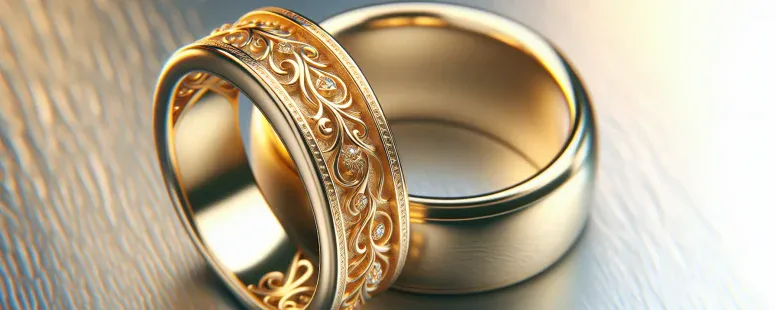
Picture a gleaming gold ring catching the light—its warmth feels timeless against your skin. But beneath that golden glow lies a secret: not all gold is created equal. When you choose between 14K and 18K gold, you’re not just picking a color or a price tag. You’re deciding how your jewelry will stand up to daily life, how it will age, and even how it will feel every time you slip it on. why some gold pieces seem to shine brighter or resist scratches better? The answer goes deeper than carats alone. Understanding the real difference between 14K and 18K gold can help you find a piece that’s not just beautiful but perfectly suited to your lifestyle. Get ready to discover surprising advantages that might just change the way you see your favorite metal.
Understanding Gold Purity: What Does 14K and 18K Mean?
Peering into your gold jewelry box, do you ever wonder why some pieces gleam with a different glow, feeling heavier or softer in your fingers? Gold purity—measured in karats (K)—holds the secret. Karat marks don’t just decorate tags at jewelry counters; they reveal the ratio of gold to alloy metals in your chosen piece. This mix shapes each piece’s luster, resilience, and even your daily experience wearing it.
14K gold contains 58.3% pure gold, blended with 41.7% alloy metals, including copper, silver, nickel, or zinc. Jewelers in the United States usually prefer 14K for engagement rings, wedding bands, and bracelets—did you notice how those seem to survive accidental bumps or scratches with minimal damage? That’s the magic of added alloys boosting durability (source: Gemological Institute of America).
18K gold, instead, shines with 75% pure gold and only 25% alloys. When you hold an 18K necklace, it often feels warmer and richer—a favorite among luxury designers who chase that unmistakable golden hue. Yet, because greater purity means fewer strengthening metals, 18K gold can show dents or scratches faster if you choose it for items you wear daily.
Ever caught yourself comparing two rings at a jeweler’s display, puzzled by the price jump or the difference in shine? In places like Italy or India, 18K gold dominates the luxury market, its depth of color prized in heirloom pieces passed through generations. In the U.S., many couples opt for 14K in wedding bands, valuing its sturdiness over richer gold content.
Picture a busy chef prepping meals, hands in motion all day. If you choose a 14K ring, it might stay flawless longer—its tougher alloy handles the chaos. Prefer statement pieces you slip on for special occasions? 18K gold—soft but striking—stands out with that deep golden radiance.
Ask yourself: Do you chase lasting wear or unmatched elegance? Consider the karat mark as a code for the life your jewelry leads. Understanding gold purity opens up more than numbers—it’s the first step to finding gold that mirrors your style and story.
Composition and Alloy Differences
Gold’s story isn’t just about shimmer; it’s the chemistry inside that sets 14K and 18K gold apart. You notice subtle shifts in weight, color, and feel, all emerging from the mix of metals inside each karat variant.
Percentage of Pure Gold
14K gold always contains 58.3% pure gold, a number jewelers mark as 14/24 parts. 18K gold contains 75% pure gold—think of it as 18 slices out of a 24-piece pie that shine a bit brighter. This difference affects everything: 14K’s lower gold content means greater alloy metal presence, which reinforces strength and resistance to scratches. In contrast, 18K gold’s higher percentage enables a richer yellow color with a softer touch, favored by luxury jewelry houses like Cartier and Van Cleef & Arpels (source: GIA.edu). If you ask why your grandmother’s wedding ring kept its shape after decades, odds are it’s 14K, built for the wear and tear of daily life.
Gold Type
Pure Gold (%)
Alloy Metals (%)
14K
58.3
41.7
18K
75.0
25.0
Common Alloy Metals Used
Different alloy metals imbue gold with unique properties and hues. Jewelers use copper and silver most often; these shape yellow and rose gold tones. For example, 14K gold alloys usually blend copper, silver, zinc, and sometimes nickel—yielding jewelry that resists dents and fading. 18K gold still gets alloyed but with less copper and nickel, so its tone stay both richer and hypoallergenic for most people, making it a favorite in European heirlooms.
Nickel sometimes triggers allergies, so European 18K gold, like that used by Bulgari, rarely includes it. Instead, palladium or platinum gets substituted, giving you safer skin contact and a cool-toned luster. why some jewelry is less irritating than others? Alloy selection answers that riddle.
The next time you’re in a jewelry store or scrolling online, ask—how much ‘gold’ is really inside, and what unseen metals lend their silent strength? That quiet chemistry inside each piece shapes your every gold story.
Appearance and Color
Both 14K and 18K gold capture attention, yet subtle differences in how they reflect light and display hue often shape your jewelry choices in ways you might not realize at first glance. Recognizing these nuanced characteristics connects your style with the emotion jewelry evokes—an interplay of shade, polish, and luster that crafts a unique story.
Visual Differences
You find 14K gold shines with a paler yellow, close to champagne; its higher alloy content dulls the intensity of pure gold’s glow. Pieces of 14K gold—like classic American engagement rings—project understated elegance, blending easily with both silver and white gold accessories. In contrast, 18K gold’s elevated gold content (75%, according to the Gemological Institute of America) produces a deeper, warmer, almost sunset-like yellow, favored for statement pieces from luxury brands like Cartier or Bvlgari. This distinctive vibrancy makes 18K gold the centerpiece of ornate Italian bangles and Indian bridal sets, where color richness signals prestige and cultural heritage. If you compare side by side, 18K gold appears richer—even buttery—but also a bit softer in gleam, catching light like candle-glow on a dinner table.
Even questions arise: Do you want your gold to pop or whisper? Is a modern, cool look your goal, or does tradition call your name? Though 18K gold’s purity increases color depth, it also makes blemishes more visible; you might notice fine scratches after festive occasions, unlike the more forgiving 14K.
Impact on Jewelry Design
Designers choose alloys with purpose: 14K gold’s resilience lets artisans create detailed, intricate bands ideal for daily wear—think filigree engagement rings, art deco stacking sets, and geometric pendants that thrive under constant handling. Durability here isn’t just practicality, it’s part of the design philosophy, as observed in North American jewelry trends where you see family heirlooms passed down through generations looking just as brilliant.
On the other hand, 18K gold empowers bold creativity in luxury and ceremonial pieces. Its malleability encourages flowing, organic forms—picture the swooping, sculptural shapes of Italian cuffs or the delicate, gem-studded vines in Indian wedding necklaces. Scarcity of scratches and natural aging in 18K gold create a patina over time, some collectors prize this softening of shine as a marker of authenticity, while others might prefer the untouched brilliance of a fresh purchase. The choice influences how your jewelry ages and the tactile experience it offers—run your finger along a 14K band and it feels sturdy; slide across 18K and it’s like brushing velvet.
So, are you drawn toward pieces that age with memory, or those that stand resilient, unchanged? The appearance and design of gold jewelry depend closely not just on karat, but on the narrative you wish it to weave on your skin.
Durability and Wearability
Durability and wearability make all the difference when you weigh 14K vs. 18K gold for jewelry. Consider how your jewelry ages and survives daily life—your gold’s journey matters as much as how it shines under bright lights.
Resistance to Scratches and Dents
Scratch and dent resistance separates 14K and 18K gold, and daily activity quickly reveals the gap. 14K gold, being 58.3% pure with alloy metals like copper or nickel, acts like armor protecting your gold. Ring makers favor it for wedding bands, since it handles knocks against desks, gym gear, or steering wheels without caving in. It’s not invincible—deep gouges still leave marks—but it’s the reliable choice for physically demanding routines.
18K gold, softer because it’s 75% pure, feels almost luxurious to the touch. Slide an 18K gold bracelet up your wrist, and you’ll notice its buttery finish—yet the same softness means it dents and scuffs faster. High-end brands showcase 18K gold’s rich hues, but museum curators warn that antique 18K pieces often show decades worth of tiny battle scars. If you drop it on tile, chances are you’ll see a mark, which is great if you like jewelry that records memories but less ideal for pristine finishes.
Think of 14K gold as the armored car and 18K as the chauffeured limousine—both get you places, but one shrugs off traffic while the other glides in style.
Suitability for Everyday Use
Suitability for everyday use often decides which gold lives on your skin. Busy professionals, nurses, or chefs gravitate toward 14K gold—they need jewelry to last through handwashing, glove changes, and accidental bumps, so the blend’s extra alloys give peace of mind. US-based surveys, like those from the Jewelers of America, name 14K gold the practical choice for daily wearers.
People who want luxury as a lifestyle, or who reserve jewelry for special moments, discover 18K gold’s appeal. It’s the gold you pick for anniversaries, gala dinners, or heirloom gifts. European consumers sometimes choose 18K gold wedding rings because tradition and color matter more than toughness. The deeper yellow glows in photographs, while finer detail invites appreciative glances at a family gathering.
Ask yourself: is this a piece you’ll wear swimming, hiking, or typing all day, or something that thrives wrapped in velvet? Reliability drives a 14K gold investment; sentiment and statement drive 18K choices.
Both 14K and 18K gold tell a story. Your choice says as much about your daily adventures as it does about your personal style—so which story feels truer to you?
Price and Value Considerations
Price tags for gold jewelry don’t just whisper about karat marks; they shout stories about craftsmanship, legacy, and cultural impact. Comparing 14K and 18K gold uncovers not just numeric values but the emotional undertones that color every purchase.
Cost Differences
Wallets feel the difference between 14K and 18K gold purchases. 14K gold, with 58.3% gold content, is generally priced lower—often ranging 20%-35% less than 18K gold, which contain 75% gold. Jewelers in the U.S., like Zales or Kay, typically tag 14K wedding bands at $350–$700, while comparable 18K bands jump to $500–$1,200 (JCK, 2023). One New Yorker, considering an engagement ring, marveled at the price jump between karats, saying, “It was almost like choosing between a reliable sedan or a flashy sports car—each had its own appeal, but the insurance was different!”
Alloy metals such as copper and nickel cost less than pure gold, keeping 14K gold’s sticker prices more approachable. Meanwhile, 18K gold showcases more pure gold, which factor into market-driven volatility. Buying 18K, you sometimes risk paying more during global gold price spikes (World Gold Council, 2022).
Resale and Investment Value
Thinking about gold as an investment? 18K pieces historically hold their resale value better since buyers value the higher gold content (Goldcore, 2021). Antique auctions and pawnshops prefer 18K gold for liquidating estate jewelry, highlighting its higher melt value—sometimes so high that you wonder if your watches and necklaces are more valuable than your stocks.
Yet, pawnshop operators and estate dealers note 14K gold’s broader resale market: more buyers, more reasons to liquidate, especially for sentimental pieces. The emotional patina can outweigh the math; a 14K gold wedding band passed down through three generations isn’t just metal—it’s memory plated.
Seasoned collectors ask, “Is my 18K gold bracelet better than an ounce of bullion?” The answer changes with market trends and style nostalgia cycles. Jewelry experts at Christie’s have observed that vintage 14K pieces, especially from mid-century designers like David Webb, enjoy spikes in value, surprising owners who expected less.
Curious about your next investment? Weigh the numbers, yes, but also let your story—your mark on history—shape your decision. When you buy gold, you’re not just holding an alloy—you’re investing in heritage, artistry, and the soft gleam of possibility.
Which Should You Choose? Factors to Consider
Deciding between 14K and 18K gold kinda feels like picking a co-star for your life’s daily scenes. Do you see your days as bustling sets—meetings, workouts, unexpected city detours? Then 14K gold’s the script-supervisor: practical, resilient, and always on cue. For example, one New York designer, Lisa Salzer (Lulu Frost), tells Vogue that professionals and fitness enthusiasts in Manhattan lean toward 14K pieces, since they’re less likely to scratch or dent during high-speed commutes.
But maybe you’re after that show-stopping moment. If you’re picturing candlelit dinners, red carpets, milestone celebrations, 18K gold turns whispers into applause. Recall how royal families, like the Maharajas of Jaipur, pass down creamy 18K gold heirlooms—each piece radiating generational prestige (National Geographic, 2021).
Allergy concerns come into play too—if your skin turns redder than a ripe strawberry when you wear certain jewelry, consider hypoallergenic alloys in 18K gold (especially those free of nickel, per Mayo Clinic guidelines). On the other hand, don’t forget, not all 14K golds are created equal; some alloys sneak in metals that love to irritate.
Cultural resonance spins another thread in the gold tapestry. In Italy, wedding bands glow in 18K, symbolizing wealth and warmth, while in the U.S., practical lovers swap 14K to signify everyday devotion. Would you want to express “forever” through rarity or reliability?
, price pokes its head in—18K jewelry traditionally costs more. According to World Gold Council data, 18K items command roughly 25%–40% higher retail prices over 14K, so if budgeting feels like tightrope walking, maybe compromise is golden.
Look at resale and investment, too. Pawn shop owners in Los Angeles rarely blink at 14K bands because demand stays high, yet luxury auction houses fetch top bids for 18K statement necklaces, citing purity and design (Christie’s, 2022). Where does your jewelry journey fits—in the everyday market or catalog-classic auctions?
Ask yourself: Does your heart thrum louder for lasting durability, or melt for opulent luster? Do you crave jewelry that moves with you or that speaks for you when you walk into a room? Every piece you choose scripts a part of your story.
Conclusion
Choosing between 14K and 18K gold is a personal journey that goes beyond simple comparisons. Your decision reflects your lifestyle, values, and the moments you want to capture with each piece. Whether you lean toward the strength and practicality of 14K or the rich elegance of 18K, you’re investing in more than just metal.
Let your jewelry tell your story—one that matches your daily adventures, special occasions, and the memories you cherish. The right gold for you is the one that feels just right every time you wear it.
To provide the best experiences, we use technologies like cookies to store and/or access device information. Consenting to these technologies will allow us to process data such as browsing behaviour or unique IDs on this site. Not consenting or withdrawing consent, may adversely affect certain features and functions.
Functional
Always active
The technical storage or access is strictly necessary for the legitimate purpose of enabling the use of a specific service explicitly requested by the subscriber or user, or for the sole purpose of carrying out the transmission of a communication over an electronic communications network.
Preferences
The technical storage or access is necessary for the legitimate purpose of storing preferences that are not requested by the subscriber or user.
Statistics
The technical storage or access that is used exclusively for statistical purposes.The technical storage or access that is used exclusively for anonymous statistical purposes. Without a subpoena, voluntary compliance on the part of your Internet Service Provider, or additional records from a third party, information stored or retrieved for this purpose alone cannot usually be used to identify you.
Marketing
The technical storage or access is required to create user profiles to send advertising, or to track the user on a website or across several websites for similar marketing purposes.