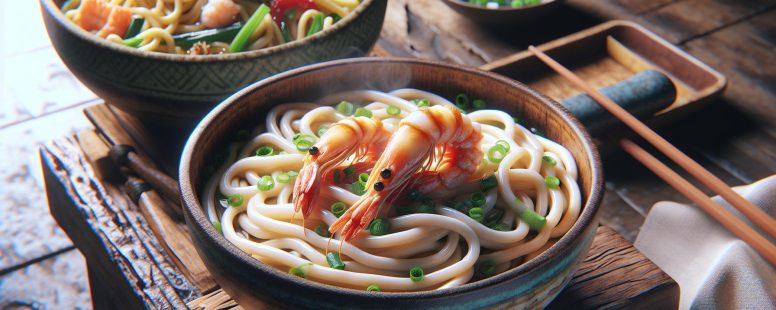
Picture this: a steaming bowl of noodles arrives at your table, the aroma rich and inviting. But wait—are those thick, chewy udon noodles or the slender, stir-fried strands of lo mein? If you’ve ever found yourself pondering the difference between these two beloved dishes, you’re not alone. Both are staples in Asian cuisine yet offer distinctly different textures, flavors, and culinary experiences.
What Are Udon And Lo Mein?
Udon and lo mein are two iconic noodle dishes that have distinct origins, textures, and preparation methods. Both play significant roles in Asian culinary traditions but offer unique eating experiences.
Overview Of Udon
Udon originates from Japan and features thick, wheat-based noodles. These noodles are soft yet chewy, making them ideal for soups or broths. Traditional udon dishes include kake udon (simple broth with scallions) and tempura udon (topped with fried seafood or vegetables). Cold variations like zaru udon serve the noodles chilled with a dipping sauce.
The texture of udon stands out due to its thickness, usually 2-4 mm in diameter. The neutral flavor lets it absorb the taste of accompanying ingredients like soy-based dashi or miso. Freshly made udon is often preferred for its elasticity compared to dried versions.
Overview Of Lo Mein
Lo mein comes from Chinese cuisine and uses thin egg noodles made from wheat flour. The term “lo mein” translates to “tossed noodles,” describing the cooking method where boiled noodles are mixed with savory sauces rather than stir-fried directly.
Common toppings include meats like beef or pork, seafood such as shrimp, and vegetables like bok choy or carrots. Soy sauce combined with sesame oil or oyster sauce enhances the dish’s flavor profile. Unlike chow mein’s crispy preparation style, lo mein retains a tender consistency due to boiling before tossing in sauces.
Lo mein’s versatility makes it popular across various regions, adapting flavors based on local ingredients while maintaining its essence as a comfort food staple.
Key Ingredients
Both udon and lo mein dishes showcase their unique flavor profiles through distinct ingredients. Understanding these components highlights the cultural essence of each noodle type.
Ingredients Used In Udon
Udon noodles are crafted from wheat flour, water, and salt. This simple combination results in thick, chewy noodles that are mild in taste. Traditional broths for udon often include dashi, a Japanese soup stock made from kombu (kelp) and katsuobushi (fermented bonito flakes). Soy sauce and mirin add depth to the broth’s savory-sweet balance.
Toppings vary widely but commonly feature tempura shrimp, green onions, kamaboko (fish cake), or wakame seaweed. Seasonal variations may incorporate mushrooms or yuzu zest for added flavor. Cold dishes like zaru udon rely on tsuyu sauce with grated ginger or wasabi as dipping accompaniments.
Ingredients Used In Lo Mein
Lo mein uses thin egg noodles made with wheat flour and eggs, giving them a slightly richer taste compared to plain wheat noodles. The dish emphasizes sauces such as soy sauce, oyster sauce, sesame oil, hoisin sauce, or even chili paste for spicier versions. These sauces coat the boiled noodles rather than soaking into them.
A wide range of proteins like chicken, beef, pork char siu (barbecued meat), shrimp, or tofu is used alongside vegetables such as bok choy, bell peppers carrots—or snow peas—to complement its stir-fried base. Garlic and ginger often enhance aromatics while scallions provide a fresh garnish at serving time.
Texture And Appearance
Texture and appearance serve as key factors differentiating udon and lo mein. These noodles not only vary in thickness and shape but also in the way they interact with sauces or broths.
Udon Noodles
Udon noodles are thick, round, and uniformly smooth. Their diameter typically ranges from 2-4 mm, making them significantly thicker than most other Asian noodles. When cooked, they have a bouncy, chewy texture that stands out in soups like kake udon or dipping dishes such as zaru udon. The pale white color of udon emphasizes its simplicity and allows the focus to remain on the broth or accompanying toppings like tempura shrimp or seasonal vegetables.
The softness of freshly made udon enhances absorption of savory broths, especially those featuring dashi stock. If you try cold versions like tantanmen-inspired chilled udon, you’ll notice their firmer elasticity paired with refreshing flavors. Hand-pulled variations often showcase slight irregularities in thickness for a homemade feel.
Lo Mein Noodles
Lo mein noodles are thin, flat, and slightly springy due to their egg content. Their golden-yellow hue adds visual appeal when tossed with vibrant stir-fried vegetables or proteins like chicken and shrimp. Unlike udon’s uniform structure, lo mein’s thinner profile allows it to mix easily with sauces while retaining tenderness.
Stir-frying boiled lo mein gives them a glossy finish that complements soy-based seasonings like hoisin sauce or oyster sauce. Their pliable consistency makes them ideal for absorbing bold flavors without becoming soggy—a feature highlighted in dishes balancing sweet-savory profiles such as beef lo mein topped with sesame seeds or scallions.
Cooking Methods
Udon and lo mein differ significantly in their cooking techniques, which contribute to their unique flavors and textures.
Preparing Udon Dishes
Udon noodles are traditionally boiled until soft yet chewy. After boiling, they’re either served hot in broth-based dishes or chilled for dipping sauces. Popular udon broths often feature dashi stock combined with soy sauce and mirin, creating a savory umami base. For example, kake udon highlights simplicity with light toppings like green onions, while tempura udon includes crispy fried shrimp or vegetables.
Cold preparations like zaru udon require rinsing the noodles under cold water after boiling to enhance their elasticity. The dish is typically paired with a tsuyu dipping sauce made from soy sauce, dashi, and sweeteners such as sugar or mirin. These methods ensure the noodles absorb accompanying flavors without losing their signature chewiness.
Preparing Lo Mein Dishes
Lo mein involves tossing boiled egg noodles into stir-fried sauces rather than extended cooking times. The process starts by parboiling the noodles to maintain a tender texture before adding them to a wok filled with sautéed ingredients like garlic, ginger, meats (e.g., chicken or beef), seafood (e.g., shrimp), and vegetables (e.g., bell peppers).
Flavor Profiles And Regional Variations
Both udon and lo mein offer distinct flavor profiles that reflect their cultural origins. Their preparation methods, seasonings, and regional adaptations create unique culinary identities for each dish.
Udon Flavors And Styles
Udon delivers a mild, clean taste with subtle umami notes. The wheat-based noodles act as a canvas for rich broths or dipping sauces like kakejiru (soy sauce, dashi, and mirin). Toppings such as tempura shrimp, kamaboko (fish cake), or green onions add depth to the flavor without overpowering the dish.
Regional variations highlight local ingredients. In Kansai-style udon from western Japan, lighter soy sauce creates delicate flavors. Kanto-style udon in eastern regions incorporates darker soy sauce for bolder profiles. Cold styles like zaru udon pair well with chilled tsuyu dipping sauces during warmer months.
Lo Mein Flavors And Styles
Lo mein prioritizes bold flavors through savory sauces. The egg noodles absorb seasonings like soy sauce or oyster sauce while retaining their tender texture. Aromatics such as garlic and ginger enhance the dish’s complexity when stir-fried with vegetables or proteins like beef, chicken, or shrimp.
Regional differences emphasize ingredient availability and culinary preferences. Cantonese lo mein often features seafood due to coastal influence; northern Chinese versions may include lamb or pork belly instead. Adaptations outside China showcase fusion elements—American-Chinese lo mein frequently includes broccoli and bell peppers with sweeter sauces catering to local palates.
Cultural And Regional Significance
The cultural and regional significance of udon and lo mein reflects their deep roots in Japanese and Chinese cuisines, respectively. Both dishes have evolved over centuries, adapting to local tastes while preserving their traditional essence.
Udon In Japanese Cuisine
Udon represents much more than just a meal in Japan; it’s a culinary tradition tied to regional identities. Prefectures like Kagawa are renowned for their sanuki udon, celebrated for its firm texture and square edges. Seasonal festivals often feature udon-making demonstrations, emphasizing the communal aspect of this dish.
In Kansai regions, lighter soy-based broths highlight the subtlety of udon noodles, while Kanto’s darker broths deliver bolder flavors. Cold variations like zaru udon offer refreshing options during hot summers, showcasing adaptability without losing authenticity. The use of dashi broth links the dish to Japan’s umami-rich cuisine.
Temples and shrines sometimes serve simple kake udon as offerings during religious ceremonies, symbolizing nourishment and purity. Even though modern adaptations exist with fusion toppings like cheese or curry-flavored broth, traditional versions remain deeply respected across generations.
Lo Mein In Chinese Cuisine
Lo mein occupies a versatile spot in Chinese cuisine as both street food and banquet fare. Originating in northern China but popularized through Cantonese cooking styles, it bridges diverse culinary traditions within China’s vast geography.
During Lunar New Year celebrations, lo mein symbolizes longevity due to its unbroken strands—a belief rooted in ancient customs. Coastal regions incorporate seafood into lo mein recipes (e.g., shrimp or scallops), reflecting proximity to marine resources. Inland areas prioritize lamb or pork belly as key proteins due to local agricultural practices.
Conclusion
Whether you’re craving the hearty chew of udon or the saucy comfort of lo mein, both dishes offer unique experiences that celebrate their cultural origins. Each noodle type brings its own texture, flavor, and versatility to the table, making them staples in Japanese and Chinese cuisines.
Understanding these differences enhances your appreciation for how these iconic noodles are prepared and enjoyed worldwide. The next time you choose between udon and lo mein, you’ll know exactly what makes each one special.
To provide the best experiences, we use technologies like cookies to store and/or access device information. Consenting to these technologies will allow us to process data such as browsing behaviour or unique IDs on this site. Not consenting or withdrawing consent, may adversely affect certain features and functions.
Functional
Always active
The technical storage or access is strictly necessary for the legitimate purpose of enabling the use of a specific service explicitly requested by the subscriber or user, or for the sole purpose of carrying out the transmission of a communication over an electronic communications network.
Preferences
The technical storage or access is necessary for the legitimate purpose of storing preferences that are not requested by the subscriber or user.
Statistics
The technical storage or access that is used exclusively for statistical purposes.The technical storage or access that is used exclusively for anonymous statistical purposes. Without a subpoena, voluntary compliance on the part of your Internet Service Provider, or additional records from a third party, information stored or retrieved for this purpose alone cannot usually be used to identify you.
Marketing
The technical storage or access is required to create user profiles to send advertising, or to track the user on a website or across several websites for similar marketing purposes.