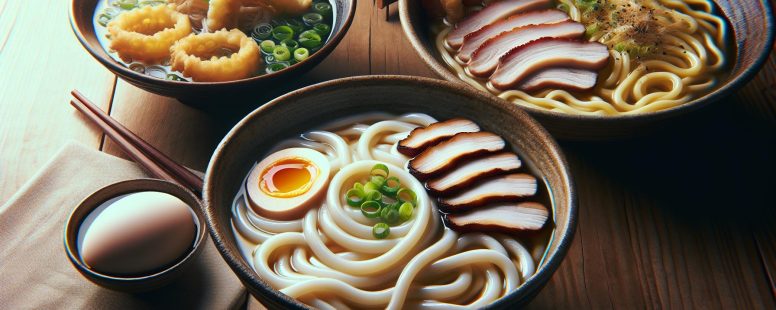
Picture this: a steaming bowl of noodles placed before you, the rich aroma of broth wafting through the air. Whether it’s the hearty chew of udon or the delicate slurp of ramen, Japanese noodle dishes have a way of captivating your senses. But how do you decide between the two? They may seem similar at first glance, yet their differences run deeper than just the noodles themselves.
Udon and ramen each bring their own unique textures, flavors, and traditions to the table. From the thickness of the noodles to the complexity of the broth, every element tells a story. Understanding what sets them apart not only enhances your dining experience but also helps you appreciate the artistry behind these beloved dishes. So, are you ready to jump into the delicious world of udon and ramen? Let’s uncover what makes each one truly special.
Overview Of Udon And Ramen
Udon and ramen are two iconic Japanese noodle dishes, each offering distinct textures, flavors, and cultural significance. Understanding their differences enhances your appreciation for these culinary staples.
What Is Udon?
Udon is a type of thick wheat noodle, characterized by its chewy and soft texture. It’s often served in a mild broth, such as kakejiru, which is made from soy sauce, mirin, and dashi. Udon pairs well with various toppings, like tempura, green onions, and kamaboko (fish cakes). A popular variant is curry udon, where the broth is infused with a rich, flavorful curry.
Udon noodles are particularly versatile, appearing in both hot and cold dishes. Zaru udon, served chilled with a dipping sauce, is a refreshing option during warmer months. Udon showcases simplicity and adaptability, reflecting regional styles across Japan.
What Is Ramen?
Ramen features thin wheat noodles with a firmer, springier texture, usually served in a savory, flavorful broth. Common broth bases include shoyu (soy sauce), miso, shio (salt), and tonkotsu (pork bone). Toppings like chashu (braised pork), nori (seaweed), and ajitsuke tamago (marinated boiled egg) add complexity.
Ramen’s quick preparation and bold flavors cater to busy urban lifestyles, making it a staple of Japanese street food culture. Regional specialties, like Hakata-style tonkotsu ramen or Sapporo miso ramen, offer diverse options for varied tastes.
Key Differences In Ingredients
The ingredients of udon and ramen create distinct flavors, textures, and culinary identities. From noodle composition to broth base and toppings, each component contributes to their uniqueness.
Noodles
Udon noodles use wheat flour, salt, and water, forming thick, chewy strands with a smooth surface. These noodles usually measure around 4-6 millimeters in width, giving them a robust texture. Example: Udon in kakejiru (light soy-based broth) showcases their ability to absorb mild flavors while maintaining a soft bite.
Ramen noodles also consist of wheat flour but contain kansui, an alkaline mineral water. This ingredient gives ramen a firmer texture and yellowish hue. The noodles vary in thickness, from thin and straight to wavy forms, adapting to regional styles, like Hakata ramen with ultra-thin noodles.
Broth
Udon broth emphasizes simplicity. Made from dashi (kombu and bonito stock), soy sauce, and mirin, the broth has a delicate and subtle umami profile. Kansai udon broth, for instance, appears lighter due to increased dashi content compared to its Kanto counterpart.
Ramen broth provides bolder complexity. Typically prepared by simmering pork bones, chicken, or seafood, along with miso, soy sauce, or salt, its richness varies by region. Examples include tonkotsu ramen’s creamy pork-bone stock or Sapporo ramen’s hearty miso-infused broth.
Toppings
Udon toppings remain minimalistic, highlighting natural flavors. Options include scallions, tempura, or kamaboko (fish cake). In some regions, like Kyoto, yuba (tofu skin) is a popular addition.
Ramen toppings showcase diversity and bold flavors. Common additions like chashu (braised pork), nori (seaweed), ajitama (marinated eggs), and menma (fermented bamboo shoots) provide layers of taste and texture. Specialty ramens, such as spicy tantanmen, often use sesame paste and ground pork for unique finishes.
Texture And Appearance Comparison
Udon noodles are thick, smooth, and uniform in shape, giving them a soft, chewy texture. They appear white and glossy, reflecting their simplicity and traditional preparation. For example, kake udon highlights these qualities by presenting the noodles in a delicate broth, where their appearance stands out distinctly.
Ramen noodles, on the other hand, are thinner and often wavy or curled, with a firmer bite that comes from the use of kansui. Their yellowish hue, a result of the alkaline water, adds to their visual appeal. Tsukemen ramen, served with dipping broth, emphasizes these attributes by showcasing the noodles’ firm yet flexible structure.
Udon’s texture absorbs mild, comforting flavors, while ramen noodles provide resistance to bold, rich broths. When you compare them side by side, udon feels soft and comforting, while ramen offers a more dynamic eating experience.
Flavor Profiles Of Udon And Ramen
Udon dishes offer mild, comforting flavors that highlight simplicity and natural ingredients. The broth, often dashi-based, delivers a delicate umami taste made from kombu and katsuobushi. For instance, kitsune udon uses sweet fried tofu combined with the savory broth, creating a balanced flavor profile. Toppings like green onions, tempura, and poached eggs enhance the dish without overpowering its gentle taste. The mildness makes udon versatile, adapting to both warm soups in colder months and chilled dipping sauces during summer.
Ramen features bold and complex flavors driven by rich, savory broths. Popular types include tonkotsu, miso, shoyu, and shio, each offering unique depth. Tonkotsu ramen uses pork bones simmered for hours, resulting in a creamy, fatty broth, while miso ramen adds fermented soybean paste for a hearty, umami-rich flavor. Toppings like boiled eggs, chashu (braised pork), nori, and corn complement the broth’s intensity, adding additional textures and tastes. Ramen appeals to those seeking dynamic, robust meals.
The difference is evident when considering their palatability. If you crave subtlety and freshness, udon excites with its mild umami and sleek simplicity. Ramen, on the other hand, delivers a sensory adventure with layers of boldness that captivate noodle enthusiasts globally. Ask yourself, do you gravitate towards calm comfort or vibrant complexity?
Cultural And Regional Variations
Udon In Japanese Cuisine
Udon carries deep cultural roots in Japan, reflecting the simplicity and mindfulness of traditional food preparation. Each region puts a unique spin on the dish. For example, Kagawa Prefecture, known as the “Udon Prefecture,” serves Sanuki udon, characterized by its firm yet chewy texture. Kansai-style udon emphasizes lighter flavors with a clear, golden dashi broth. In contrast, the Kanto region often presents darker, more robust broths.
Seasonal preferences also shape udon’s significance. During cold winters, hot udon bowls, such as nabe-yaki udon, provide warmth and comfort. Meanwhile, zaru udon, served cold with dipping sauce, becomes a refreshing favorite during summer months.
Festivals and celebrations further highlight udon’s role in Japanese culture, symbolizing prosperity and long life. A regional example includes special udon dishes shared during New Year in specific areas of Japan.
Ramen In Japanese Cuisine
Ramen showcases the diverse, urban food culture of Japan. Originating from Chinese cuisine, it has undergone extensive adaptation to suit local tastes. Each ramen style reflects its region’s climate, history, and ingredients. Sapporo in Hokkaido serves miso ramen, with hearty, rich flavors tailored for cold winters. Hakata ramen from Kyushu boasts a creamy tonkotsu broth paired with thin, firm noodles.
Pop culture played a vital role in ramen’s evolution, making it a quick, affordable comfort food associated with modern city life. In bustling street markets and izakayas, ramen is often a communal experience, enjoyed quickly between conversations or during late-night hunger pangs.
Ramen festivals throughout Japan celebrate its variety and creativity, featuring unique flavors like curry ramen or regional spin-offs like Kitakata’s soy sauce-based noodles. These events highlight the dish’s ability to transcend its origins, continuously evolving with time and tastes.
Popular Uses And Serving Styles
Udon adapts to a range of dining occasions, serving both as a hearty meal or light refreshment. Hot udon is often enjoyed in a steaming bowl of dashi broth, topped with scallions, tempura, or tofu. For colder months, nabeyaki udon—served in clay pots with ingredients like egg, chicken, and mushrooms—is popular. During warmer seasons, you can relish cold zaru udon, served with a soy-based dipping sauce and shredded nori. Its versatility make it ideal for casual meals, seasonal rituals, or even celebratory gatherings.
Ramen thrives as a street food and quick-service dish, popular among urban diners. Each bowl combines chewy noodles with rich, flavorful broth like shoyu (soy sauce), miso, or tonkotsu (pork bone)—offering a satisfying, filling experience. Common toppings include chashu pork, nori, green onions, and marinated eggs. With instant ramen available worldwide, it also serves as a convenient option for at-home dining. Though ramen is synonymous with casual eating, it’s evolution into gourmet variations in ramen bars shows how adaptable and dynamic it is.
Many regional interpretations of udon and ramen reflect local flavors and traditions. For example, Kagawa’s Sanuki udon emphasizes thick, al-dente noodles, while Hakata’s tonkotsu ramen features creamy pork broth unique to Kyushu. Events like Japan’s Udon Tenkaichi and Ramen Expo celebrate these differences, showcasing their cultural significance alongside inventive new styles. Restaurants and markets globally also create fusion versions to caters to diverse tastes, bridging food cultures.
Conclusion
Choosing between udon and ramen comes down to your personal taste and the experience you’re seeking. Whether you prefer the comforting simplicity of udon or the bold, dynamic flavors of ramen, both offer a glimpse into Japan’s rich culinary heritage. Each noodle dish tells its own story, shaped by tradition, regional influences, and cultural significance.
Exploring these iconic dishes allows you to appreciate the artistry and passion behind their preparation. So, the next time you’re craving Japanese noodles, let your mood guide you—whether it’s the calm embrace of udon or the vibrant energy of ramen.
To provide the best experiences, we use technologies like cookies to store and/or access device information. Consenting to these technologies will allow us to process data such as browsing behaviour or unique IDs on this site. Not consenting or withdrawing consent, may adversely affect certain features and functions.
Functional
Always active
The technical storage or access is strictly necessary for the legitimate purpose of enabling the use of a specific service explicitly requested by the subscriber or user, or for the sole purpose of carrying out the transmission of a communication over an electronic communications network.
Preferences
The technical storage or access is necessary for the legitimate purpose of storing preferences that are not requested by the subscriber or user.
Statistics
The technical storage or access that is used exclusively for statistical purposes.The technical storage or access that is used exclusively for anonymous statistical purposes. Without a subpoena, voluntary compliance on the part of your Internet Service Provider, or additional records from a third party, information stored or retrieved for this purpose alone cannot usually be used to identify you.
Marketing
The technical storage or access is required to create user profiles to send advertising, or to track the user on a website or across several websites for similar marketing purposes.