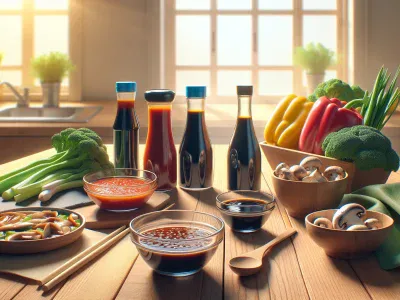
Picture this: you’re scanning a menu at your favorite Chinese restaurant, craving those irresistible stir-fried noodles. But then you see it—lo mein and chow mein staring back at you, and suddenly, you’re wondering, “What’s the actual difference?” It’s a culinary conundrum many noodle lovers face, yet the answer is far simpler than you might think.
Both dishes boast silky noodles, vibrant veggies, and bold flavors, but their preparation sets them worlds apart. From the texture of the noodles to the cooking techniques, these two classics have distinct personalities that cater to different taste buds. By understanding their unique traits, you’ll not only satisfy your cravings but also impress others with your newfound noodle expertise.
Ready to unravel the mystery behind these iconic dishes? Let’s jump into what makes lo mein and chow mein so deliciously different.
Overview Of Lo Mein And Chow Mein
Lo mein and chow mein are classic Chinese dishes distinguished by their noodles and preparation techniques. While both use wheat-based egg noodles and similar vegetables such as bok choy, carrots, and bean sprouts, their cooking methods set them apart.
Lo mein translates to “tossed noodles” and features soft, boiled noodles mixed with a flavorful sauce. These noodles aren’t fried, allowing them to retain a tender texture. The sauce, often soy-based or oyster-based, coats the ingredients evenly, creating a glossy finish.
Chow mein, meaning “fried noodles,” involves stir-frying the noodles and ingredients together. The noodles, either boiled beforehand or used directly, achieve a crispy or al dente texture through frying. This frying imparts a slightly smoky flavor, differentiating it from lo mein.
Both dishes incorporate proteins like chicken, beef, shrimp, or tofu. Chow mein often offers a drier presentation, while lo mein maintains a saucier consistency.
Key Ingredients And Preparation
Lo mein and chow mein use similar foundational ingredients but differ in their preparation and seasoning methods, creating distinct taste profiles and textures.
Ingredients Used
Both dishes frequently include wheat flour noodles, proteins like chicken, beef, shrimp, or tofu, aromatic vegetables such as garlic, ginger, and onions, and sauces infused with soy, oyster, or hoisin. In lo mein, the noodles retain a soft texture since they’re boiled before combining with the sauce. Chow mein often incorporates slightly thinner noodles, contributing to its crispier bite after stir-frying.
Vegetables in lo mein tend to be softer due to minimal cooking. Conversely, chow mein uses julienned or sautéed vegetables like bean sprouts, bell peppers, and carrots that keep a slight crunch. Sesame oil and scallions further enhance lo mein, while chow mein relies on cooking oils with higher smoke points for stir-frying.
Cooking Techniques
Lo mein involves boiling noodles until tender, then tossing them with sauce and cooked protein or vegetables in a wok, preserving their chewiness and glossy coating. The sauce remains prominent, coating each ingredient evenly.
Chow mein’s preparation depends on frying methods, where noodles are par-cooked, then stir-fried with oil, creating crispy edges or a light charred texture. Proteins and vegetables are cooked at high temperatures, providing wok hei, a smoky flavor unique to Chinese stir-fry techniques. This method results in drier noodles with layered textures, contrasting lo mein’s saucy, uniform presentation.
Texture And Taste Differences
Understanding the difference in texture and taste helps in appreciating the distinct qualities of lo mein and chow mein.
Texture Comparison
Lo mein stands out for its soft, silky texture. The noodles, boiled until tender, are coated in sauce, creating a smooth and cohesive bite. The vegetables, like broccoli, carrots, and bell peppers, have a slightly tender consistency due to minimal cooking. Proteins such as chicken or shrimp blend seamlessly into the velvety mix.
Chow mein, on the other hand, offers contrasting textures. Stir-fried noodles develop a crispy, golden exterior or retain an al dente firmness, depending on preparation. Crunchy vegetables like snap peas and bell peppers add a fresh bite, while proteins gain a charred surface from high-heat cooking. This interplay of crispy and tender components sets chow mein apart.
Flavor Profiles
Lo mein delivers a savory and mildly sweet flavor profile. The soy-based sauce, often enhanced with oyster sauce, sesame oil, and garlic, creates a rich yet balanced taste. The tender noodles absorb the sauce, ensuring every bite is flavorful. If you’re craving comfort food, lo mein’s well-rounded taste satisfies.
Chow mein brings bolder flavors with a smoky undertone. The high-heat stir-frying process imparts a subtle charred taste to the noodles and proteins. The lighter coating of sauce lets the crispiness of the noodles and the natural flavors of vegetables stand out. Chow mein leans towards a drier consistency, making it suited for those who enjoy robust textures and marked flavors.
Serving Styles And Accompaniments
Lo mein and chow mein differ significantly in serving styles, reflecting their unique preparation methods. Lo mein is typically served with a substantial amount of sauce, creating a glossy, tender dish. It’s paired with sauteed vegetables like bell peppers, bok choy, and mushrooms, as well as proteins such as chicken or shrimp. This dish is often presented in bowls, focusing on the richness of the sauce and the harmony of soft textures.
Chow mein is usually served with less sauce or as a drier dish, emphasizing the crispy texture of the stir-fried noodles. Accompaniments like crunchy vegetables—such as bean sprouts, carrots, and cabbage—complement its texture. Stir-fried chow mein also integrates proteins like beef, pork, or tofu. Commonly plated on flat dishes, it highlights the noodles’ golden-brown, lightly charred appeal.
Both dishes offer diverse accompaniments depending on regional preferences. For example, lo mein may include a tangy chili oil drizzle or a sprinkle of sesame seeds for added flair. Chow mein, on the other hand, might feature fried egg strips or a side of pickled vegetables. These additional elements enhance their overall flavor profiles while respecting their distinct identities.
Nutritional Considerations
Lo mein and chow mein differ not just in preparation but also in their nutritional profiles. Lo mein, with its softer, sauce-coated noodles, tends to have higher calorie content due to the generous use of rich sauces and oils. For example, a serving of lo mein can contain approximately 310-350 calories, depending on the portion size and ingredients. Chow mein, on the other hand, often has fewer calories per serving, around 250-300 calories, as its preparation uses less sauce and focuses more on stir-frying.
Fat content can vary significantly between the two. Lo mein, prepared with oil-based sauces, generally has higher fat levels than chow mein. Chow mein, especially if made with minimal added fats, can be the lighter option. But, both dishes often include proteins like chicken or tofu, which contribute healthy fats and essential nutrients.
Carbohydrate levels in both dishes come primarily from the noodles. Wheat noodles make both lo mein and chow mein rich in carbs, with an average serving containing 45-50 grams of carbohydrates. If you’re watching your carb intake, customizing these dishes with extra vegetables or reducing noodle portions can be effective.
Sodium content is a consideration since both dishes use soy sauce as a primary flavoring agent. Soy sauce adds significant sodium, with a single tablespoon containing around 900 milligrams. Lo mein, being saucier, may have a higher sodium level overall. You can lower this by requesting low-sodium soy sauce or lighter seasoning when preparing or ordering.
Fiber content is moderate in both, mainly depending on the vegetables used. For instance, adding bok choy or broccoli increases fiber and vitamin content, enhancing the dish’s nutritional value. If your goal is to boost dietary fiber, opting for extra vegetables in your lo mein or chow mein is beneficial.
Customization plays a key role in the health aspects of these dishes. Choosing lean proteins like shrimp, increasing vegetable portions, or using whole-grain noodles can make lo mein or chow mein more nutrient-dense. Generally, mindful ingredient choices help align the dish with your dietary goals while preserving its iconic flavors.
Regional And Cultural Variations
Lo mein and chow mein exhibit distinct regional and cultural differences influenced by culinary traditions and local ingredients. In northern China, chow mein often incorporates hand-pulled, wheat-based noodles and features bold flavors with garlic and soy sauce as key elements. Southern Chinese variations embrace softer noodles with lighter, seafood-focused toppings for balance.
In the United States, Chinese-American adaptations modify these dishes to match local tastes. Lo mein typically serves as a saucy, protein-rich dish with sweeter undertones, while chow mein favors crispy noodles and a drier presentation, commonly found in takeout menus. For example, the East Coast often popularizes soft lo mein, whereas the West Coast favors crispy Cantonese-style chow mein.
In India, chow mein reflects regional spices and fast food influences. Indianized chow mein often uses chili sauces, vinegar, and curry powders for a spicier flavor, contrasting with the milder, traditional versions. Southeast Asian variants might introduce tropical notes like tamarind or coconut milk for unique twists on both dishes.
Cultural preferences shape side dishes and serving styles. Some communities pair lo mein with hot broths, enhancing its rich flavors, while others serve chow mein atop stir-fried vegetables for added texture. These regional adaptations demonstrate how lo mein and chow mein transform identities based on local needs, tastes, and ingredients.
Conclusion
Understanding the differences between lo mein and chow mein allows you to fully appreciate their unique flavors and textures. Whether you prefer the tender, saucy appeal of lo mein or the crispy, smoky charm of chow mein, both dishes offer a delicious way to explore Chinese cuisine. By knowing their distinct preparation methods and ingredients, you can make informed choices that match your taste and dietary preferences. Embrace the versatility of these iconic dishes and enjoy the culinary journey they bring to your table.
To provide the best experiences, we use technologies like cookies to store and/or access device information. Consenting to these technologies will allow us to process data such as browsing behaviour or unique IDs on this site. Not consenting or withdrawing consent, may adversely affect certain features and functions.
Functional
Always active
The technical storage or access is strictly necessary for the legitimate purpose of enabling the use of a specific service explicitly requested by the subscriber or user, or for the sole purpose of carrying out the transmission of a communication over an electronic communications network.
Preferences
The technical storage or access is necessary for the legitimate purpose of storing preferences that are not requested by the subscriber or user.
Statistics
The technical storage or access that is used exclusively for statistical purposes.The technical storage or access that is used exclusively for anonymous statistical purposes. Without a subpoena, voluntary compliance on the part of your Internet Service Provider, or additional records from a third party, information stored or retrieved for this purpose alone cannot usually be used to identify you.
Marketing
The technical storage or access is required to create user profiles to send advertising, or to track the user on a website or across several websites for similar marketing purposes.