TV vs Radio: Diving Deep into Their Differences, Evolution, and Impact on Audience Engagement
Ever wondered why some people prefer the old-school charm of radio while others can’t live without the visual delight of television? Or why do certain advertisements seem more effective on television while others resonate better on radio? The answer lies in understanding the fundamental differences between TV and radio. This article will investigate into the unique characteristics of these two popular media forms, offering you a clear perspective on their distinctive roles in communication and entertainment. So whether you’re a media student, a marketing professional, or just a curious reader, buckle up for an enlightening journey through the intriguing world of TV and radio.
Understanding the Difference Between TV and Radio
Diving into the core differences between television (TV) and radio, it’s important to explore their individual features. Both are central to entertainment and communication in contemporary societies, but they do have distinctive characteristics that impact their role in these areas.
Overview of TV
Television, an audiovisual medium, caters to millions, providing content that ranges from news to entertainment shows. A quintessential feature of TV is its ability to present visually rich stories. This characteristic makes TV a powerful toolkit for advertisers, leveraging the dual ability to provide visual and sound content. Examples of these include commercials showcasing the look, design, and use of a product.
The live streaming ability of TV enhances real-time content delivery, like sports events or news incidents. But, this resource is not devoid of constraints, as TV broadcasting requires significant financial and technical investments. For instance, producing a high-quality television show involves multiple steps right from scripts, casting, production design, filming, editing, to eventual broadcast.
Overview of Radio
Radio, on the other hand, is solely an audio medium. Its strength lies in the convenience it offers. Whether in the car on a commute or simply in your living room, radio keeps you company and delivers curated experiences using just sound. Radio’s unobtrusive format allows for multitasking without the necessity of visual attention, unlike television.
Talk shows, music, news bulletins, and even audio dramas on the radio are examples of its diverse content repertoire. These typically require less monetary investment, as compared to television production. Also, the immediacy and intimacy of radio communication often provide a more personal connection with listeners. For instance, radio hosts often cultivate rapport with their listeners, fostering a sense of community.
To summarize, both TV and radio have distinct characteristics, advantages, and disadvantages. Variations in their formats and uses manifest in content production, transmission, and reception. Grasping these differences can prove crucial in the worlds of media studies, marketing, and beyond.
Key Differences in Content Delivery
Keeping in tune with the article’s context, let’s investigate deeper into how TV and radio differ in the way they serve content to their audience.
Visual vs. Audio Experience
Both television and radio offer distinct experiences to their consumers. With television, you get a combination of visuals and audio, facilitating an immersive experience. For instance, imagine watching the Super Bowl. The vibrant imagery, paired with audio commentary, enriches the viewer’s experience.
On the other hand, radio banks solely on sound, creating an entirely different consumer experience. Consider listening to a live concert on the radio. Even though the absence of visuals, the audio experience can be engaging and personal. It leaves room for the listener’s imagination, adding a layer of intimacy not always offered by television.
Programming and Scheduling
Television and radio also vary drastically when it comes to programming and scheduling. TV productions often require extensive planning and scheduling due to their visual nature. Take a TV series like ‘Game of Thrones’ for example. It demands detailed scripts, rehearsed acting, special effects, and advanced post-production.
Radio, being audio-focused, doesn’t typically call for such a high level of production planning. A prime example would be a morning radio show. While it’s scripted and planned to an extent, the emphasis lies more on the conversation and discussion, making it a much more flexible and spontaneous medium.
The differences in content delivery between TV and radio offer unique advantages, shaping their roles in entertainment and communication. These variations draw in different kinds of audiences, serving as a testament to the versatile nature of media.
Impact on Audience Engagement
Engagement plays a pivotal role in the effectiveness of any medium, whether it’s television or radio. Understanding the distinctive impact each has on audience interaction, retention, and recollection can be a significant basis for deciding which medium to engage with, broadcasting, or advertising.
Audience Interaction
In terms of audience interaction, television and radio offer distinct experiences. With TV, engagement is often passive. Your eyes receive visually rich content, and your ears pick up the accompanying sound. This dual sensory input leaves little room for personal interpretation and imagination, creating what’s often a one-sided dialogue. Think of a sitcom like “Friends” — the visuals, dialogue, and canned laughter guide viewer reactions.
On the other hand, radio, using an exclusively auditory medium, initiates active engagement. Your ears detect aspects like tonal variations, inflections, and nuances in a radio show or ad. Simultaneously, your brain works to create mental images, fostering a more personal connection and spurring imagination — a characteristic that podcasts like “Serial” or radio dramas effectively exploit.
Retention and Recollection
The nature of each medium also affects information retention and recollection differently. Television, combining visual and auditory stimulation, has a solid track record of memory retention. Seeing an event or information alongside hearing it can enhance your recollection, as in for instance, watching a dubbed foreign film.
Conversely, radio’s singular reliance on auditory learning often concentrates listener attention more intensively. With no visuals to distribute focus, your auditory senses become critical. Music stations, for instance, often see loyal listeners being able to recall song lyrics vividly. But, the onus rests on the quality of the auditory content to strongly imprint on your memory.
Between TV and radio, each medium carries its unique audience engagement style, affecting interaction and memory in diverse ways. While both have their merits, the most effective medium can change based on your requirement, be it passive engagement, active imagination, visual learning, or auditory focus. The versatility of these two entertainment and communication mediums continues to hold relevance in modern digital era.
Technological Advancements and Media Trends
Diving deeper into television and radio, let’s explore their progressive and continuous transformation due to technology advancements and media trends. These changes have significantly impacted delivery modes, content creation, and audience interaction and absorption.
Changes in TV Technology
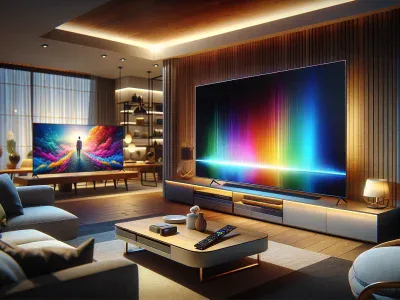
In the area of technology, televisions undergone major overhauls since their inception. From black-and-white screens to color, gradual enhancements in picture quality have facilitated the transition to High Definition (HD) and 4K Ultra HD screens. This progress enables rich, crystal-clear imaging, cementing TV’s position as a popular platform for visually intensive content.
Digital transition made hundreds of channels available, as opposed to the previous handful. This advancement broadened content diversity, catering to a multitude of viewer preferences. Streaming facilities further amplified this diversity, allowing audiences to catch their favorite shows anytime, anywhere.
Smart TV technology marked yet another milestone, bringing the power of internet into television. Internet-enabled TVs provide access to abundant online content, from call-to-action ads to interactive games. This interactivity fosters audience engagement, echoing radio’s personal connection approach, albeit in a visually vibrant format.
Innovations in Radio Broadcasting
Similarly, radio hasn’t stayed static. Advancements in radio technology have altered both broadcasting methods and listener accessibility. FM (Frequency Modulation) radio brought along superior audio quality, empowering a profusion of music channels. So, radios gained favor as convenient music players, besides being news and communication mediums.
Internet radio has extended the reach of traditional radio, enabling listeners to stream stations from around the globe. Podcasts, a novel audio format, encouraged on-demand consumption of wide-ranging content, from educational discussions to dramatic series.
Digital Radio Mondiale (DRM), a newer technology, promises CD-like audio quality over short and medium wavebands, reviving interest in these previously declining domains. Innovations like these keep radio versatile, catering to various engagement styles, and withstanding the test of technology and time, just like its counterpart, television.
Conclusion
So you’ve seen how TV and radio differ in audience engagement, technology, and adaptability. TV’s visual impact and radio’s auditory focus each offer unique engagement styles. The evolution of TV from black-and-white screens to smart TVs and the advancements in radio, from FM to internet radio, demonstrate their dynamic nature. Each medium, with its unique features and advancements, caters to different audience preferences and engagement styles. Whether you’re a fan of the visual richness of TV or the imaginative engagement of radio, it’s clear that both mediums have their unique place in entertainment and communication. Their continued evolution is sure to bring more innovations, enhancing audience experiences in the future. The choice between TV and radio eventually rests on your personal preferences and lifestyle.
- VHDA Loan Pros and Cons - November 12, 2025
- Vyvanse Versus Adderall: A Comprehensive Comparison - November 11, 2025
- Understanding the Difference Between Effective and Efficient - November 11, 2025