When determining the mobile platform that best suits your needs, you find yourself evaluating Android and iOS, the two dominant operating systems reshaping our digital interactions. They each carry unique characteristics, advantages, and considerations.
Overview of Android and iOS Operating Systems
History and Development
Android, introduced by Google, debuted in 2008, employing an open-source model offering flexibility for device manufacturers. Alternatively, iOS, Apple’s proprietary system, launched in 2007 alongside the first iPhone, emphasizing a curated and consistent user experience.
Key Features and Capabilities
Android excels in customization options, catering to diverse needs across various manufacturers and users. iOS, but, is synonymous with a streamlined interface, advanced integration with Apple’s ecosystem, and timely software updates ensuring consistent user support.
Comparison: Android vs iOS
Market Share and Penetration
Android dominates the global market because of its presence in varying device tiers. In contrast, iOS primarily holds a significant share in premium segments and regions like the United States.
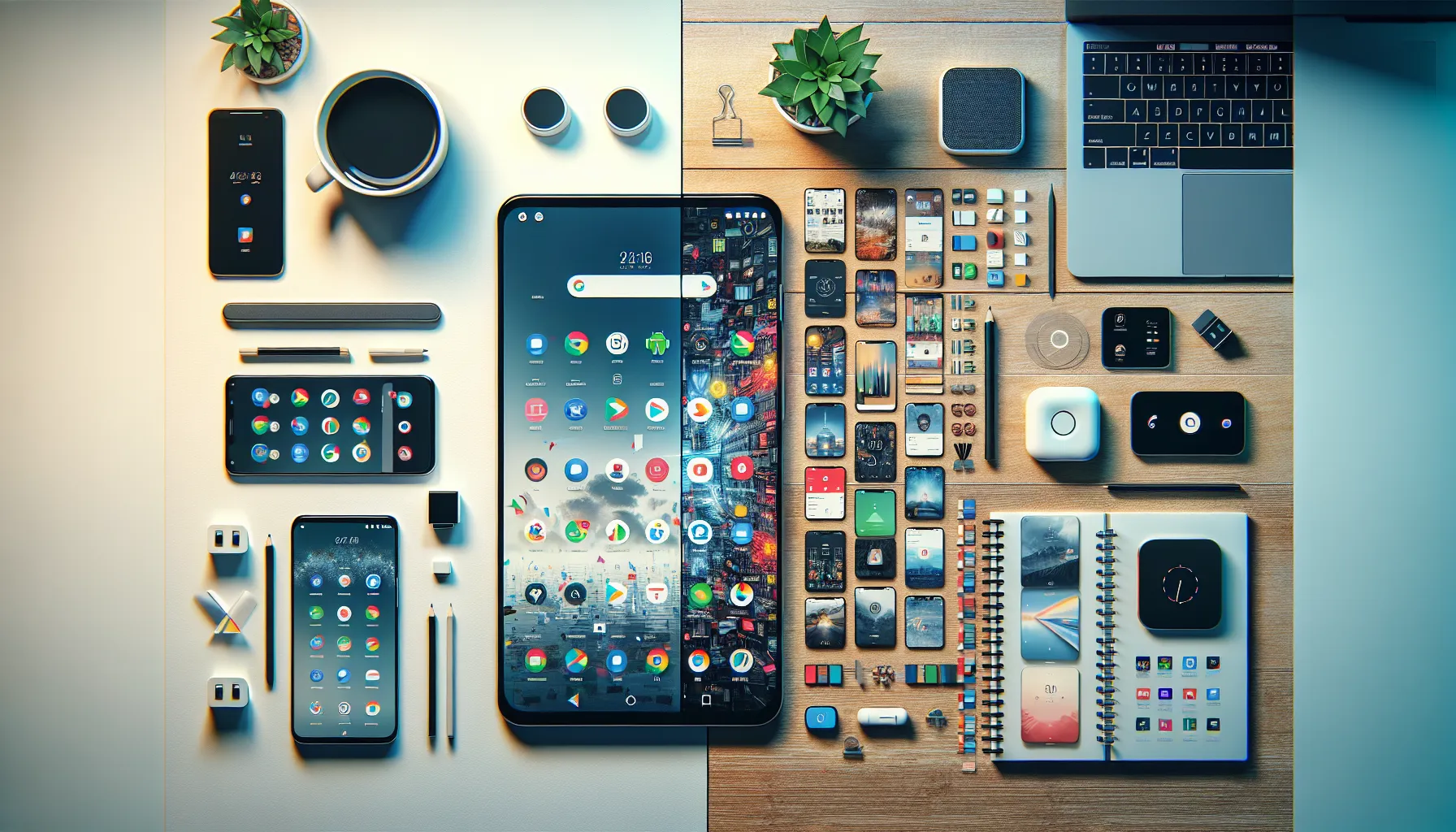
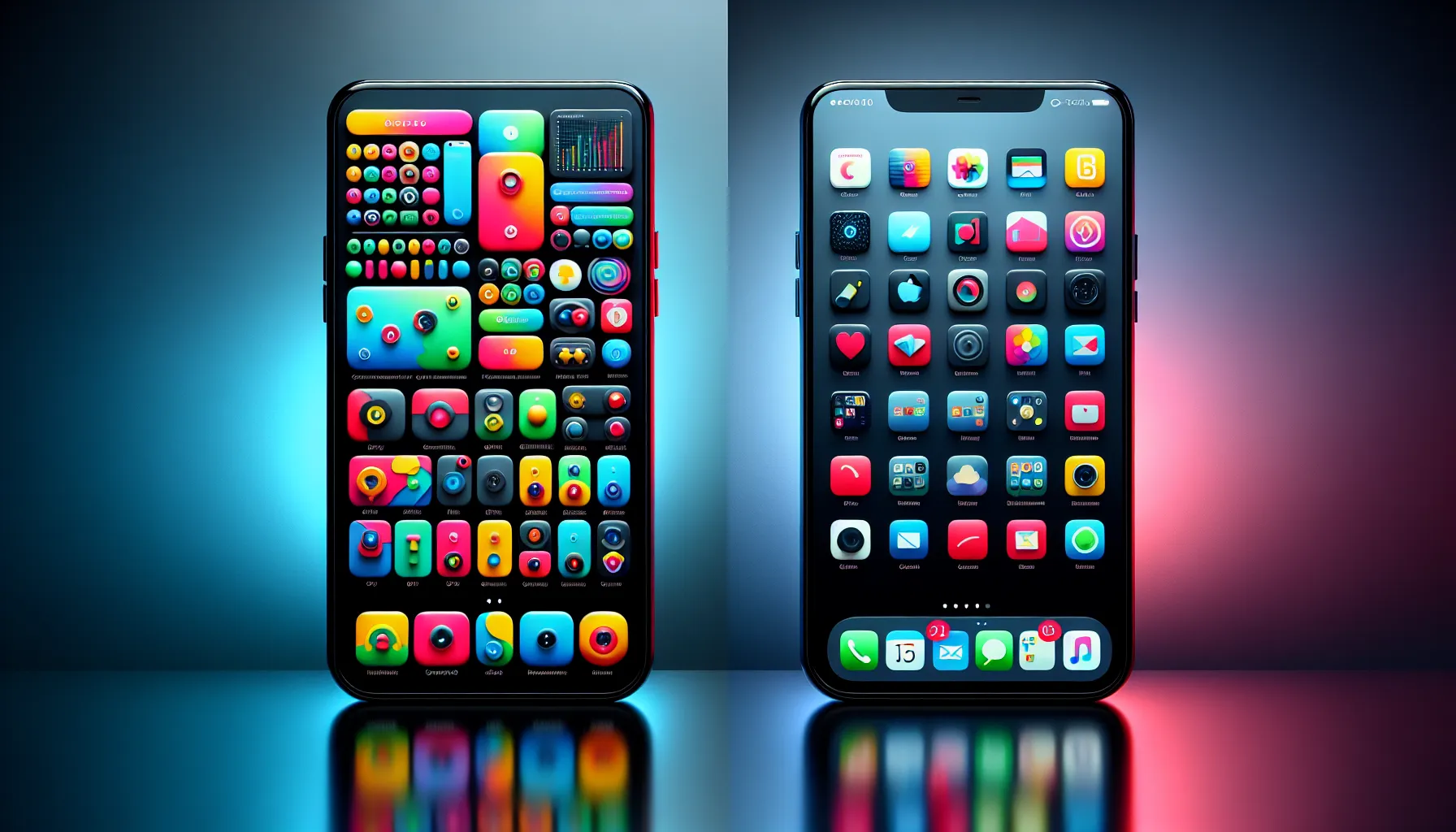
User Interface and Customizability
Android provides extensive customizability, allowing users to tailor their experience. iOS thrives on simplicity and uniform aesthetics, enhancing user satisfaction.
Application Ecosystem and Availability
Android supports a larger number of applications due to its wider reach, while iOS boasts a well-maintained platform emphasizing quality and security.
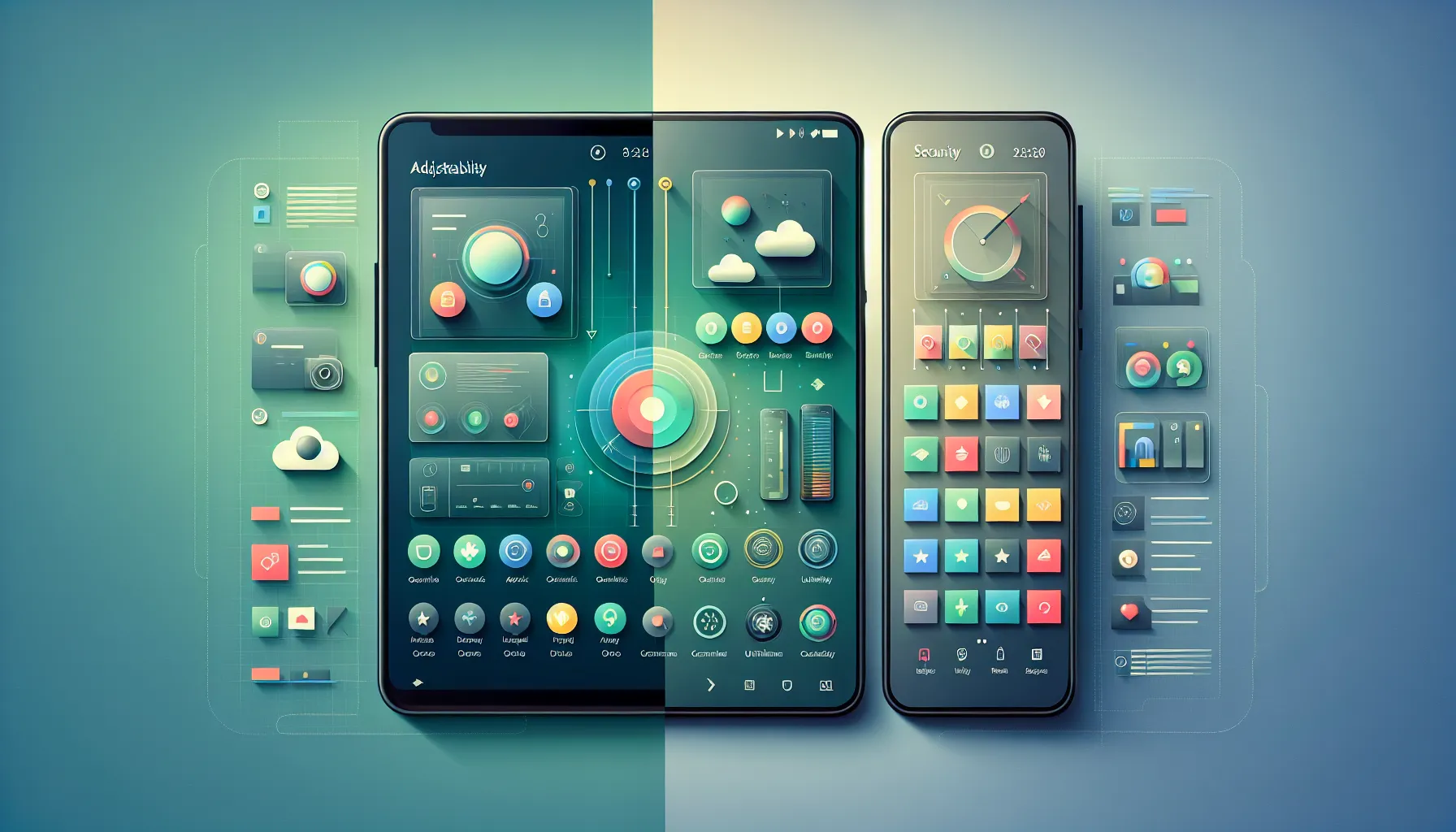
Security and Privacy Differences
iOS excels in privacy through stringent controls and user data protection. Android, while customizable, requires users to be proactive about app permissions and system settings.
Performance and Hardware Compatibility
Apple integrates iOS exclusively with its hardware, optimizing performance. Android, conversely, caters to a myriad of devices, leading to variable user experiences contingent on the device manufacturer.
Choosing a Platform: Factors to Consider
User Needs and Versatility
Consider your usage patterns, Android offers flexibility, while iOS caters to users seeking a cohesive ecosystem.
Budget and Device Variety
Android accommodates all budget ranges through diverse manufacturers, while iOS focuses on high-quality offerings at a premium price.
Future Trends in Mobile Operating Systems
The future of mobile operating systems includes advancements in AI capabilities, increased emphasis on user privacy, and innovations in hardware integration, further evolving your interaction with technology.
To provide the best experiences, we use technologies like cookies to store and/or access device information. Consenting to these technologies will allow us to process data such as browsing behaviour or unique IDs on this site. Not consenting or withdrawing consent, may adversely affect certain features and functions.
Functional
Always active
The technical storage or access is strictly necessary for the legitimate purpose of enabling the use of a specific service explicitly requested by the subscriber or user, or for the sole purpose of carrying out the transmission of a communication over an electronic communications network.
Preferences
The technical storage or access is necessary for the legitimate purpose of storing preferences that are not requested by the subscriber or user.
Statistics
The technical storage or access that is used exclusively for statistical purposes.The technical storage or access that is used exclusively for anonymous statistical purposes. Without a subpoena, voluntary compliance on the part of your Internet Service Provider, or additional records from a third party, information stored or retrieved for this purpose alone cannot usually be used to identify you.
Marketing
The technical storage or access is required to create user profiles to send advertising, or to track the user on a website or across several websites for similar marketing purposes.