Apple vs. Android: Understanding Popularity
In deciding between Apple and Android, you’re choosing more than just a smartphone, you’re opting for an ecosystem, a philosophy, and potentially a lifestyle. These two giants dominate the global tech market, each boasting distinct features and a loyal following. By examining their histories, market positions, and unique attributes, you can gain a clearer picture of why one might be more popular than the other. Let’s jump into the fascinating story of Apple versus Android and uncover what drives their appeal.
A Brief History of Apple and Android

Origins of the Apple Ecosystem
Apple introduced its first iPhone in 2007, revolutionizing the mobile phone industry with its sleek design and user-friendly interface. Building on a foundation of innovation, Apple established a cohesive ecosystem connecting its devices and software seamlessly, fostering an environment where users could integrate their technological lives.
Android’s Emergence and Evolution
Android, initiated by Android Inc. and later acquired by Google in 2005, released its first handset in 2008. As an open-source platform, Android partnered with various manufacturers, resulting in a diverse array of devices tailored to every market. Its adaptability became one of Android’s defining strengths.
Global Market Share Comparison
Current Market Trends and Statistics
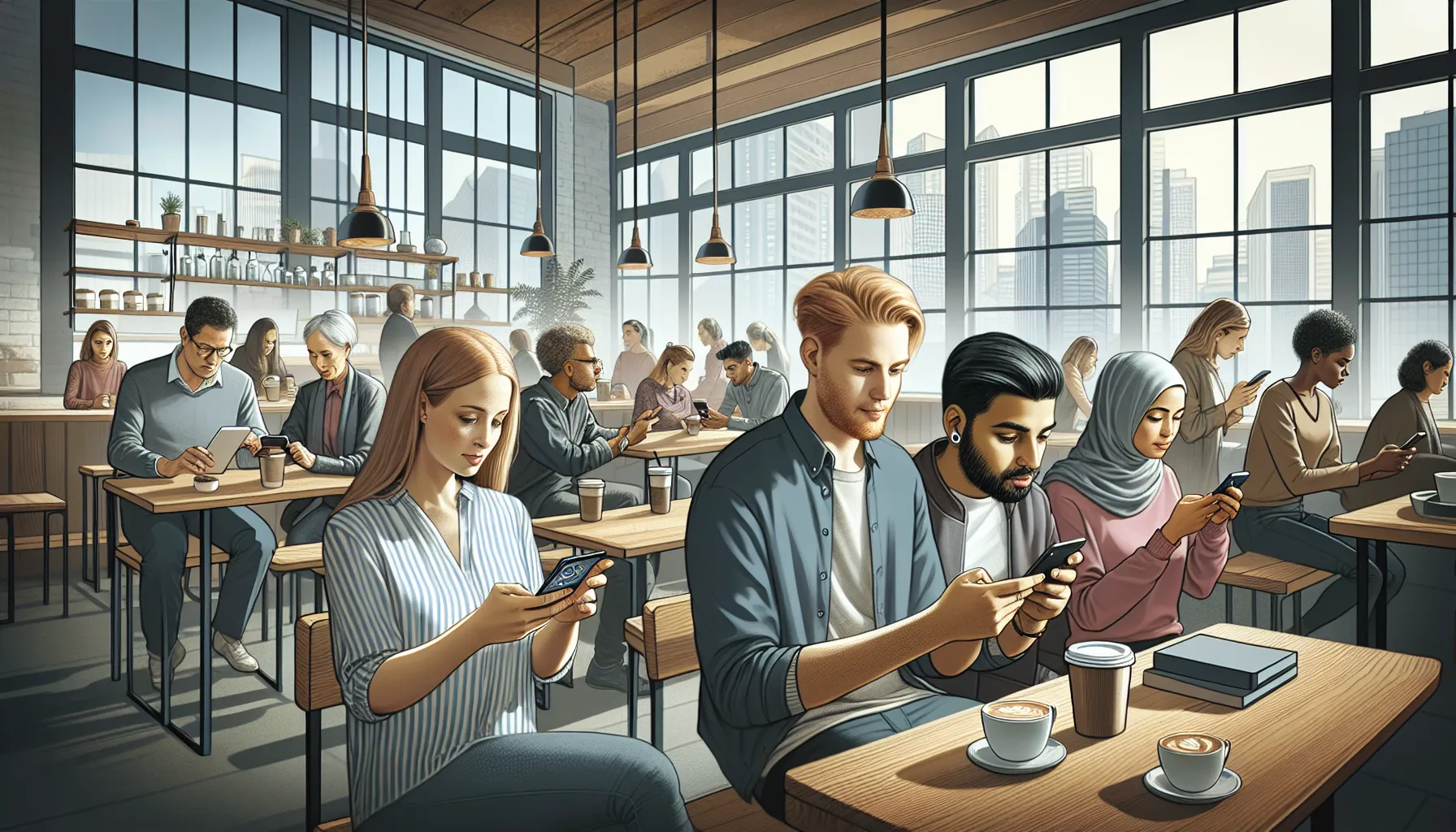
Recent reports reveal that Android dominates the global smartphone market with approximately 70% market share, compared with Apple’s share of around 25%.* This disparity can be attributed to the sheer number of manufacturers producing Android devices across multiple price points.
Regional Preferences and Dominance
When examining regional trends, Apple tends to hold significant market share in affluent markets like North America, Western Europe, and Japan, where consumers value premium quality and brand status. Conversely, Android thrives globally, particularly in emerging markets where affordability is a primary concern.
Factors Influencing Popularity
Device Features and User Experience
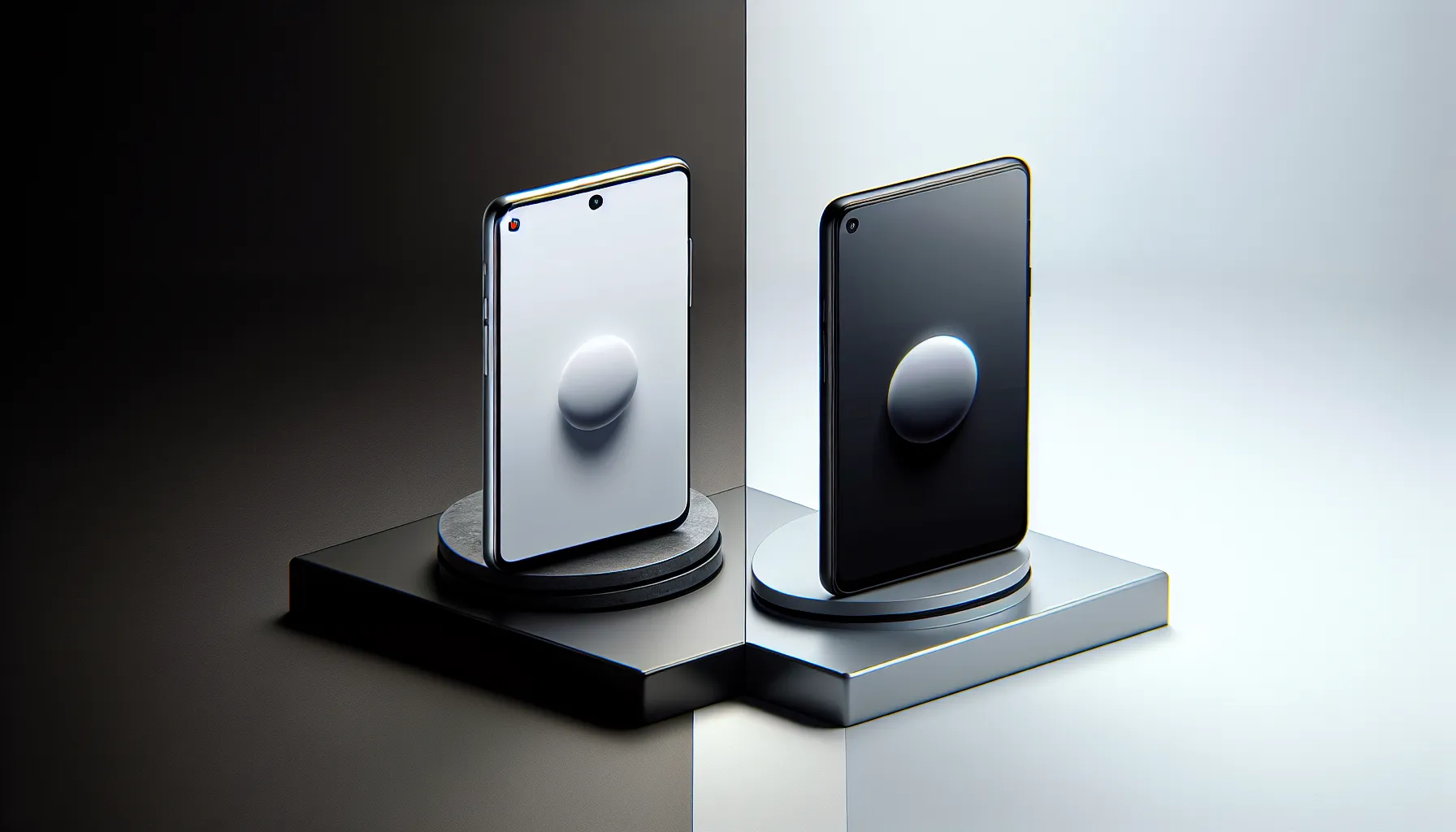
Apple prides itself on delivering a premium user experience through streamlined design and exceptional build quality. Android offers versatility, enabling users to customize interfaces and access devices with unique features tailored to personal needs.
Pricing and Accessibility
Price gap between Apple and Android devices accounts for a significant divide. Apple’s premium pricing targets the high-end market, while Android devices cater to various budgets, allowing wider accessibility.
The Ecosystem Effect
Apple’s cohesive ecosystem is a magnetic force for its customers, integrating devices like iPhones, iPads, and Macs to create seamless user experiences. Android, on the other hand, fosters a diverse ecosystem through third-party innovation.
Key Differences Between Apple and Android

Software Customization
Android’s open-source nature allows extensive customization through third-party applications and system modifications. In contrast, Apple’s approach is more standardized, focusing on a controlled but reliable environment.
Hardware Varieties and Choices
Apple controls both hardware and software development, ensuring an optimized experience albeit with limited product range. Android is available across a vast array of manufacturers and designs, offering consumers an expansive selection.
Consumer Loyalty and Brand Perception
Understanding Brand Communities
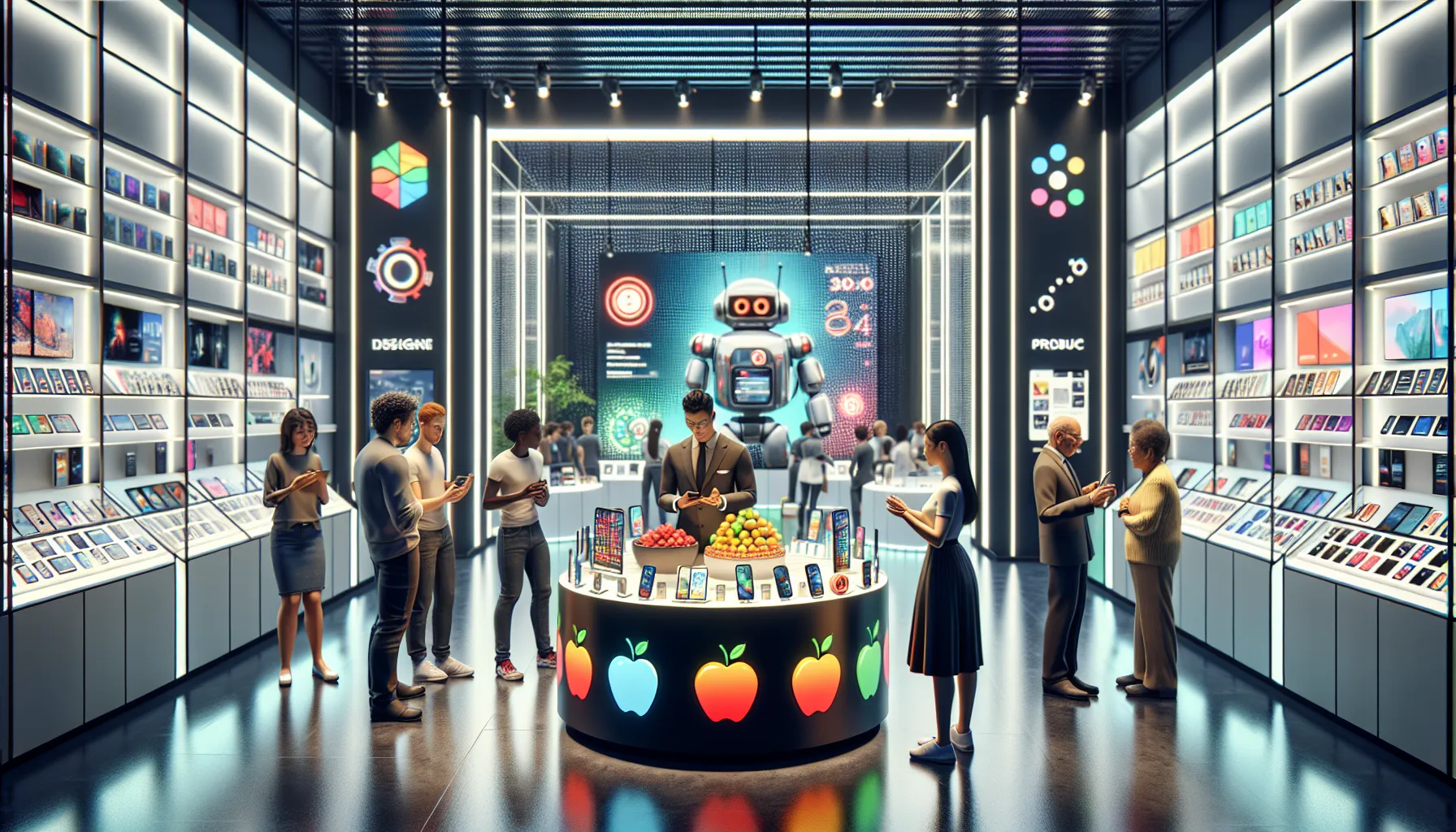
Apple users often describe themselves as part of an exclusive community, driven by shared preferences and brand loyalty. Android’s user base is diverse, reflecting the platform’s adaptability to various cultures and markets.
Impact of Marketing Strategies
Apple’s marketing highlights its product quality and innovation through compelling storytelling. Google and partners promote Android via a strategy of inclusivity and technological possibilities, broadening its market appeal.

- Affirm Competitors - September 23, 2026
- Best Alternative Fabric Softener - September 23, 2026
- Best Tinkercad Alternative - September 22, 2026
by Ellie B, Site Owner / Publisher